Table of Contents >> Show >> Hide
- What “Survivor” Really Means (And Why It Can Feel Weird)
- The “After Treatment” To-Do List: Follow-Up Care That Makes You a VIP (Very Inspected Person)
- Managing Long-Term and Late Effects (Because Your Body Didn’t Get the Memo)
- Mental Health: Fear of Recurrence, Scanxiety, and the Art of Not Googling at 2 a.m.
- Healthy Living After Breast Cancer (Without Becoming the Kale Police)
- Relationships, Work, and the “New Normal” You Didn’t Order
- Become the CEO of Your Own Follow-Up
- Conclusion: You’re Not “Back to Normal”You’re Forward to Real Life
- of Survivor Life: Experiences You Might Recognize
Finishing breast cancer treatment can feel like walking out of a movie theater into bright daylight: you’re grateful it’s over,
slightly disoriented, and somehow holding a giant emotional popcorn bucket you didn’t order. Everyone expects a triumphant
final scene. But survivorship isn’t a neat endingit’s the next season, with plot twists like follow-up scans, random aches,
and a newfound ability to detect the word “benign” from 40 feet away.
Living as a breast cancer survivor means learning how to trust your body again (even when it sends confusing push notifications),
managing long-term side effects, and building a life that’s not defined by cancerbut is undeniably shaped by it. This guide
is here for the practical stuff (appointments, symptoms, lifestyle) and the real stuff (fear, identity, relationships), with a
little humor as a coping toolbecause sometimes you either laugh or scream into a throw pillow.
What “Survivor” Really Means (And Why It Can Feel Weird)
“Survivor” is a powerful word, and alsodepending on the dayan awkward one. Some people feel proud of it immediately.
Others feel like they haven’t “earned” it, especially if treatment was “short,” if they didn’t need chemo, or if they’re
still on endocrine therapy and don’t feel done at all. And some just don’t want a label that sounds like a reality show.
Here’s a healthier definition: survivorship is living after diagnosis, with all the medical follow-up and emotional aftershocks
that can come with it. You don’t have to perform optimism, inspire strangers in grocery stores, or become the Mayor of Pink
Ribbon City. You just have to keep livingand you’re allowed to do that in your own style.
The “After Treatment” To-Do List: Follow-Up Care That Makes You a VIP (Very Inspected Person)
Survivorship has paperwork. Lots of it. Follow-up care is where your medical team focuses on monitoring for recurrence, screening
for new cancers, managing side effects, and supporting your overall health. Think of it as maintenance modelike updating your
phone’s operating system, except the phone is your body and the notifications have feelings.
Your Survivorship Care Plan: The Receipt You Actually Want
If there’s one thing worth asking for, it’s a survivorship care plan (sometimes paired with a treatment summary). This document
typically outlines your diagnosis, treatments, what follow-up visits and tests you’ll need, and which late effects to watch for.
It’s also a helpful bridge between your oncology team and your primary care clinicianbecause repeating your medical history from
memory is a terrible hobby.
Keep a copy where you can find it (cloud folder, binder, photo on your phonewhatever fits your personality). You’ll thank yourself
later when a new clinician asks, “So what kind of chemo did you have?” and your brain responds with, “I had… the spicy one?”
Appointments: A Rotating Cast of Specialists
Many survivors see their oncology specialists more frequently at first, then less often over time, depending on cancer type,
stage, treatments, and symptoms. If you’re on endocrine therapy (like tamoxifen or an aromatase inhibitor), you may continue
to see your medical oncologist periodically while you’re taking it.
A simple tip: keep a running note in your phone titled “Stuff I Swore I’d Ask the Doctor.” Add questions as they pop upthen
bring that list to visits. Otherwise, you’ll sit down in the exam room and suddenly forget your own name.
Imaging: Mammograms After Lumpectomy vs. Mastectomy
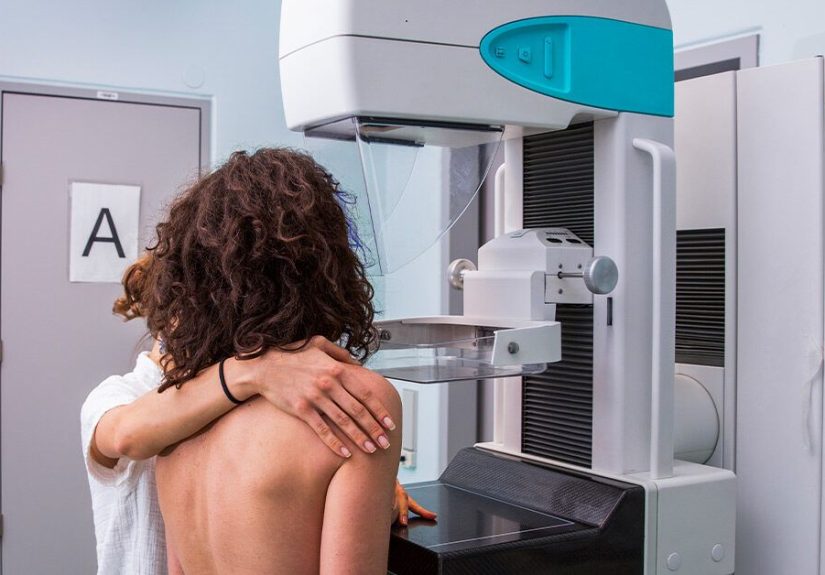
Imaging recommendations vary by your surgery and your individual risk. Many people who had breast-conserving surgery (like a lumpectomy)
have a mammogram several months after finishing surgery and radiation, and then at least yearly after that. If you had a mastectomy,
you typically don’t need routine mammograms on that side, but you may still need annual imaging of the remaining breast if you have one.
The key is personalization: your care plan should make your schedule clear, including when to image, what symptoms to report, and who
you call when you’re worried.
“More Tests” Isn’t Always “More Safety”
It’s tempting to want every scan, every lab, every possible early warning system. But routine imaging for distant metastasis in people
without symptoms isn’t always recommended, and excessive testing can create false alarms that add stress without improving outcomes.
The sweet spot is evidence-based surveillance plus quick evaluation of new or persistent symptoms.
Managing Long-Term and Late Effects (Because Your Body Didn’t Get the Memo)
Side effects can linger. Some show up later. Some come and go like they pay rent. The goal isn’t to “tough it out,” but to treat
survivorship like a legitimate phase of carebecause it is.
Fatigue: The Sneakiest Carryover
Post-treatment fatigue can be deeply frustrating: you look “fine,” but you feel like your battery is stuck at 38%. Gentle, consistent
movement (even short walks), sleep support, anemia/thyroid checks when appropriate, and addressing anxiety or depression can help.
Also: you’re allowed to say no. Healing isn’t laziness; it’s a project.
Menopause Symptoms and Sexual Health: Not “Just In Your Head”
Hormone therapy and ovarian suppression can trigger hot flashes, night sweats, mood changes, and vaginal dryness. These can affect intimacy,
sleep, and confidence. Survivorship care often includes symptom management options (behavior strategies, non-hormonal medications in some cases,
lubricants/moisturizers, pelvic health therapy, counseling). Bring it upeven if it feels awkward. Your clinician has heard it all, and your
quality of life matters.
Bone and Joint Health: When Your Knees Start Filing Complaints
Aromatase inhibitors can be associated with joint aches and can affect bone density for some people. Ask whether you need bone density monitoring,
calcium/vitamin D guidance, and a strength or weight-bearing exercise plan that fits your body. If joint pain is affecting daily life, don’t white-knuckle it;
there may be strategies to reduce symptoms or adjust treatment.
Heart Health: A Quiet Priority
Certain chemotherapies and targeted therapies can affect the heart, sometimes during treatment and sometimes later. Your team may recommend periodic
monitoring based on what you received and your risk factors. Practical takeaway: keep your primary care clinician in the loop, manage blood pressure and
cholesterol, and treat exercise like a heart-friendly subscription you actually use.
Lymphedema: Catch It Early, Treat It Early
If you had lymph nodes removed or radiation to lymph node areas, lymphedema can be a risk. It might show up as swelling, heaviness, tightness,
or reduced flexibility in the arm, chest wall, or breast area. Early evaluation matterstreatment can include compression, specific exercises,
manual lymphatic drainage techniques, and physical therapy. Many survivors do best with education, monitoring, and quick action if symptoms appear.
- What helps: skin care, gradual strength training, range-of-motion work, and learning early warning signs.
- What to do: report new swelling or persistent heaviness promptlydon’t wait for it to “settle.”
Cognitive Changes (“Chemo Brain”) and Mood Shifts
Some survivors notice attention or memory changesmisplacing words, losing trains of thought, feeling mentally slower. Stress, sleep disruption,
menopause symptoms, and anxiety can also contribute. Tools that help: reminders, note systems, gentle brain challenges, therapy, and treating sleep
like a non-negotiable health behavior (because it kind of is).
Mental Health: Fear of Recurrence, Scanxiety, and the Art of Not Googling at 2 a.m.
Fear of recurrence is common, and it can spike around follow-up appointments, anniversaries of diagnosis, or random days when your shoulder aches and
your brain goes full disaster-movie narrator. This doesn’t mean you’re “not coping.” It means you’re human.
How Fear Shows Up
- Checking your body repeatedly (and then not trusting the results anyway)
- Avoiding appointments because “if I don’t go, it can’t be real”
- Sleep trouble, irritability, or feeling emotionally numb
- Spiraling after hearing cancer stories in the news or online
Tools That Actually Help (No Crystal Required)
Many survivors benefit from counseling, support groups, and mind-body strategies like breathing exercises or mindfulness. Physical activity can also improve
mood and sleep and may reduce anxietybonus points if you choose something that doesn’t feel like punishment. And if your fear feels overwhelming or persistent,
talking to a mental health professional with cancer experience can be a game changer.
Your “Scan Week” Survival Plan
Try a plan that’s both compassionate and practical:
- Schedule something comforting after appointments (coffee with a friend, a favorite show, a walk somewhere pretty).
- Limit doom-scrolling. Curate your inputs like you’re guarding your peace (because you are).
- Bring a question list and a note-taker if your brain freezes in medical settings.
- Ask how and when you’ll get resultswaiting in uncertainty is the worst kind of hobby.
Healthy Living After Breast Cancer (Without Becoming the Kale Police)
Lifestyle changes after breast cancer aren’t about being “perfect.” They’re about stacking the odds in your favor and feeling better in your body now.
Survivors are often advised to focus on movement, nutrition, sleep, stress management, avoiding tobacco, and limiting alcohol. Not glamorouseffective.
Exercise: The Most Underrated Side-Effect Manager
Many health organizations encourage adults to aim for around 150 minutes of moderate activity per week, plus strength training. If that sounds like a lot,
start with what you can do. Ten minutes counts. Two ten-minute walks counts. Dancing while cooking counts (and is arguably superior).
- For fatigue: gentle consistency often beats occasional intensity.
- For bone health: add weight-bearing and resistance work as you’re able.
- For lymphedema concerns: gradual progression with guidance can be helpful.
Nutrition: Pattern Over Perfection
Survivorship nutrition works best when it’s sustainable. Build meals around plants, fiber, protein, and healthy fats, and keep ultra-processed foods as
“sometimes,” not “always.” If treatment changed your taste or digestion, give yourself time. Food is fuel, but it’s also comfort and culturemake room
for both.
Alcohol, Smoking, and the Small Choices That Add Up
If you smoke, quitting is one of the most powerful moves you can make for overall health. Alcohol is worth discussing with your clinician; many survivorship
recommendations suggest limiting it. This isn’t about moral purityit’s about risk reduction and feeling your best long-term.
Sleep and Stress: The Unsexy Superpowers
Survivorship stress can be chronic: medical bills, body changes, fear, family dynamics, work pressure. Stress management isn’t a spa day; it’s a skill set.
Try building a routine that supports sleep (consistent schedule, cool/dark room, limited late caffeine) and a stress toolkit (movement, therapy, journaling,
meditation, prayer, communitywhatever actually works for you).
Relationships, Work, and the “New Normal” You Didn’t Order
Breast cancer doesn’t just happen in the body. It happens in the calendar, the budget, the mirror, and the group chat. Survivorship is often where the social
and practical impact becomes obviousbecause the crisis phase ends and everyone expects you to “go back to how you were.”
Family and Friends: When Support Gets… Clumsy
Some people show up beautifully. Others disappear. Some say weird things like, “Everything happens for a reason,” and you learn restraint at a spiritual level.
It can help to tell loved ones what support looks like now: rides to appointments, meal help, childcare, or simply someone who can listen without trying to fix you.
Intimacy and Body Image
Surgery scars, reconstruction decisions, hair changes, weight changes, and menopausal symptoms can reshape how you feel about your body. Intimacy may need
a rebootslower pacing, more communication, practical symptom support, and sometimes counseling. You’re not “broken.” You’re adapting.
Work and Money: The Part Nobody Puts on the Pink Ribbon
Returning to work can be empowering or exhausting (sometimes both before lunch). Fatigue, brain fog, and frequent medical appointments can affect performance.
If you need accommodations, askflexible schedules, remote days, or adjusted workloads can make a real difference. Financial stress is also common; social workers,
patient navigators, and nonprofit resources may help with insurance issues, transportation, and medication costs.
Become the CEO of Your Own Follow-Up
You shouldn’t have to manage survivorship alonebut being an informed, organized advocate helps you get what you need faster.
Questions Worth Asking Your Clinician
- What’s my follow-up schedule for visits and imaging?
- Which symptoms should prompt a call right away?
- What side effects should I expect from ongoing therapies, and how do we manage them?
- Do I need bone density monitoring or heart monitoring based on my treatment?
- Should I see rehab/physical therapy for range-of-motion, strength, or lymphedema prevention?
- Can you provide a survivorship care plan and a treatment summary?
Symptoms to Mention (Even If You’re Worried About Being “Dramatic”)
You’re not dramatic. You’re observant. Report symptoms that are new, persistent, or worseningespecially unexplained pain, swelling, shortness of breath,
unusual lumps, significant weight loss, or neurologic symptoms. Many symptoms have benign causes, but survivorship is not the time to suffer in silence.
Conclusion: You’re Not “Back to Normal”You’re Forward to Real Life
Living as a breast cancer survivor is less like crossing a finish line and more like learning to walk a familiar neighborhood with a new map. You may carry
fear, grief, and fatigueand also wisdom, clarity, and a sharper sense of what matters. Follow-up care keeps you medically grounded. Support keeps you emotionally
grounded. And your daily choicesmovement, rest, connectionhelp you build a life that feels like yours again.
Some days survivorship is empowering. Some days it’s annoying. Both can be true. You’re allowed to celebrate, complain, and keep goingall in the same afternoon.
of Survivor Life: Experiences You Might Recognize
The first time someone calls you “a survivor,” you might feel proud… and then immediately wonder if you’re supposed to do something survivor-y, like run a marathon
or give a motivational speech in a sunrise photo. Meanwhile, you’re just trying to remember where you put your water bottle. Survivorship has this odd emotional
math: people think the hard part is over, but your brain is still processing the whole plot.
There’s also the surprise of how loud your body can feel after treatment. A random ache in your shoulder turns into a 3 a.m. internal debate: “Is this posture,
aging, or doom?” You promise yourself you won’t Google. You Google. You spiral. You then read one calm, reasonable medical explanation and decide to become a new
person who doesn’t Google. Until the next time. This cycle is so common it should come with a punch card and a free latte.
Then there’s “scanxiety,” the unique tension that arrives before follow-up imaging or checkups. You may be totally functional on the outsideanswering emails,
making dinner, laughing at a sitcomwhile your inner narrator is doing a dramatic voiceover: “In a world where results take 48 hours…” Many survivors learn
to schedule something soothing after appointments, not as a reward for being brave, but as basic emotional first aid.
Physical changes can be unexpectedly emotional. Hair grows back and somehow has opinions. Your wardrobe becomes a negotiation with scars, tenderness, or
reconstruction. Some days you look in the mirror and feel grateful. Some days you feel like your body belongs to a different timeline. It can help to name
what you’re feeling without judging it: grief for what changed, relief for what’s working, pride for what you got through.
Social interactions get weird, too. Some people say the perfect thing. Others say, “You’re so lucky!” and you want to respond, “Yes, I won the raffle where
the prize is trauma and follow-up appointments.” You learn that “support” isn’t always instinctive for others, and you get better at asking directly: “Can you
text me after my appointment?” or “Can you just listen without fixing?”
And quietly, something else happens: your priorities rearrange themselves. Survivors often describe a sharper filter for what matters. You may protect your
energy more fiercely. You may take more pictures. You may laugh louder. Survivorship doesn’t make you fearlessit makes you practiced. Practiced at showing up,
advocating for yourself, and building a life that isn’t postponed. You’re not waiting for permission anymore. You’re living.