Table of Contents >> Show >> Hide
- What Is La Bombetta Pugliese?
- Origins: From Butcher’s Case to Icon
- Inside the Roll: Classic Fillings & Popular Twists
- Fornello Pronto: The Soul of Bombette
- Pairing Bombette: Wine, Olive Oil & Sides
- How to Make Bombette at Home (U.S. Kitchen Edition)
- Where to Eat Bombette in Puglia
- Smart Shopping: Essential Ingredients & Substitutions
- Nutrition & Portioning (a Reality Check)
- Why Bombette Captured the World’s Attention
- FAQ: Your Bombette Questions, Answered
- Conclusion
- Hands-On Experiences: Eating Bombette in the Wild ()
Spoiler: These bite-size pork rolls stuffed with molten cheese and kissed by charcoal are exactly as dangerous as they soundto your resolve, not your health goals. La Bombetta Pugliese is the smoky, juicy, utterly lovable street food from Italy’s heel that turns a quick snack into a full-blown obsession. Today we’ll dive into what bombette are, where they come from, how to eat (and pair) them like a local, and how to recreate them at home without accidentally text-alerting your smoke detector.
What Is La Bombetta Pugliese?
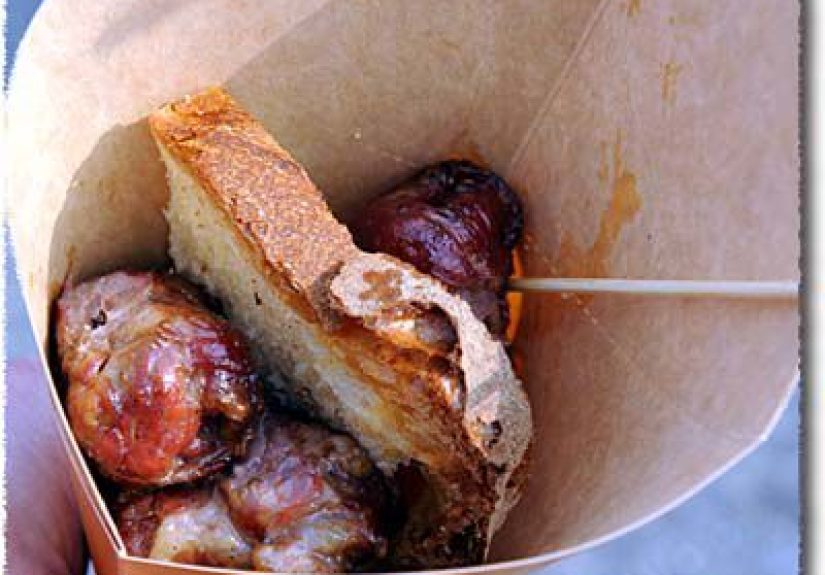
“Bombette” (literally “little bombs”) are palm-sized rolls of thin-sliced porktraditionally capocollo (a well-marbled cut from the neck/shoulder)wrapped around cheese, seasoned simply, and cooked over hot coals until the edges blister and the center oozes. Think of them as Italy’s answer to jalapeño poppers, except the only thing popping is a lava flow of caciocavallo or scamorza. In Puglia’s Itria Valley towns (Martina Franca, Cisternino, Locorotondo), you’ll find bombette skewered and grilled at butcher-shops-turned-grill-houses called fornelli prontiplaces where you point at the meat case and dinner materializes minutes later, smoky and glorious.
Origins: From Butcher’s Case to Icon
Bombette’s roots are humble. In the 1960s, butchers around the Valle d’Itria began grilling meats on-site, serving quick, affordable bites to waiting customers. Over time, the practice blossomed into a local ritual: choose your cut, pick your fillings (cheese, pancetta, herbs), hand it over, and watch it rollliterallyonto the grill. Today, bombette are fixtures at street fairs, night markets, and family tables, a proud emblem of Apulian food culture.
Why Pork Neck/Shoulder?
The cut matters. Capocollo’s intramuscular fat keeps bombette juicy under high heat, while thin slicing ensures quick cooking and maximum caramelization. This pairing of marbling and speed is why the classic uses this cut. Even U.S. tutorials nod to nicely marbled pork shoulder butt for home versions.
Inside the Roll: Classic Fillings & Popular Twists
- Cheese: Caciocavallo (semi-firm, superbly melty) or scamorza are standard; some use provolone or pecorino for sharper bite.
- Pancetta or capocollo slivers: For extra savor and fatlike a built-in basting system.
- Herbs & spices: Salt, pepper, rosemary, parsley, maybe a touch of fennel seed depending on the house style.
- Modern riffs: Mushrooms, sun-dried tomatoes, or speck appear on some menusstill faithful to the spirit, just a little extra swagger.
Fornello Pronto: The Soul of Bombette
The beating heart of bombette culture is the fornello prontoa butcher shop with a grill, tables, and a “choose-weigh-grill-eat” flow. Order by the etto (100 grams), grab a spot, and in ten minutes your skewers arrive with roasted potatoes, bitter greens, and local bread. Cisternino is famous for this tradition, and first-time visitors are usually shocked by how casual, affordable, and delicious it is.
Pairing Bombette: Wine, Olive Oil & Sides
Apulia is a red-wine powerhouse; a juicy Primitivo or Negroamaro stands up to the pork’s richness without bulldozing the cheese. If you’re keeping it classic, drizzle peppery local extra virgin olive oil over bitter chicory (cicoria) or fava purée for contrast. Local recommendations often put Primitivo front and center with grilled meats and bombette for a reasonit’s a natural complement.
How to Make Bombette at Home (U.S. Kitchen Edition)
You don’t need a trullo in Martina Franca to do thisjust good pork, a hot grill, and the right cheese. Here’s a reliable blueprint adapted from U.S. test-kitchen wisdom and chef interpretations:
- Slice & pound: Ask for pork shoulder/capocollo sliced 1/8–1/4 inch thick. Lightly pound to even thickness.
- Season: Salt, black pepper, chopped rosemary, and parsley. Optional: a pinch of crushed fennel seed.
- Fill: Add a baton of caciocavallo or scamorza (or a good melting stand-in if needed). Layer a wafer of pancetta for built-in baste.
- Roll & skewer: Roll tightly; secure with toothpicks or thread 3–4 per skewer.
- Grill hot & fast: Charcoal preferred; cook over direct heat, turning until browned and the cheese just begins to ooze (about 8–12 minutes). Rest briefly and serve with crusty bread.
Chef’s shortcut: Not up for skewers? Food Network showcased a bombette-inspired stuffed pork loin with pancetta, caciocavallo, rosemary, and garlica great “family-style” riff delivering the same flavor profile when you’re feeding a crowd.
Where to Eat Bombette in Puglia
Base yourself in the Itria Valley and look for butcher grills in the historic centers:
- Cisternino: Often cited as the “hometown” of the fornello pronto experience; alleyway grills pump out bombette late into the night.
- Martina Franca: Also known for its prized capocollosmoked and seasonedmaking the pork supply here particularly excellent.
- Locorotondo: Smaller scene but the same pick-weigh-grill magic. (And wine lovers, note the local white, Verdeca.)
Smart Shopping: Essential Ingredients & Substitutions
- Pork shoulder/neck (capocollo): Ask a butcher to slice thin; good marbling is key.
- Cheese: Seek caciocavallo or scamorza; in a pinch, use provolone that melts well. Avoid very aged, crumbly cheeses.
- Pancetta: Italian bacon that renders and seasons from within.
- Herbs & spice: Rosemary, parsley, black pepper, and optional fennel seed for that Apulian whisper.
Nutrition & Portioning (a Reality Check)
Bombette are richpork fat plus melty cheese is a joy comboso treat them like tapas: two or three pieces alongside bitter greens and roasted potatoes make an abundant plate. They’re street food designed for sharing; a skewer can satisfy the group while you sample more local specialties like orecchiette with turnip greens.
Why Bombette Captured the World’s Attention
In the age of “choose-your-own-adventure” dining, the fornello pronto feels tailor-made for modern travelers: hyper-local sourcing, cooked to order, zero pretense. Editors and food writers in the U.S. have highlighted bombette as a classic of Pugliese street culturethe kind of dish that’s irresistibly photogenic and instantly craveable.
FAQ: Your Bombette Questions, Answered
Can I bake bombette instead of grilling?
Yes. High-heat roast (450°F / 232°C) on a wire rack over a sheet tray until browned and bubbly, then finish under the broiler for char. They won’t taste exactly like charcoal-fired versions, but they’ll still deliver that cheese-lava moment.
What cheese is closest to caciocavallo in U.S. stores?
Low-moisture provolone or a young, firm fontina (not the gooey alpine style) melts similarly and behaves well at grill temps. If you find scamorza, grab itit’s often the straightest swap.
Do bombette always use capocollo?
Traditionally, yesthin slices from the collar/shoulder area. But home cooks and even some butchers use pork loin or shoulder butt when slicing to order; the goal is thin, pliable, and marbled enough to stay juicy.
Conclusion
La Bombetta Pugliese is everything great street food should be: portable, unpretentious, and explosively flavorful. Whether you eat them in a lantern-lit alley in Cisternino or on your own patio with a glass of Primitivo, these tiny rolls deliver a big, smoky hug of Puglia in every bite.
sapo: In Puglia’s Valle d’Itria, butcher shops transform into grill houses after dark, turning thin slices of pork and molten cheese into “bombette,” the bite-size street food locals crave. Learn the origins, fillings, wine pairings, and a foolproof method to make them at homeplus where to try them in Cisternino, Martina Franca, and beyond.
Hands-On Experiences: Eating Bombette in the Wild ()
The first time you smell bombette isn’t inside a restaurantit’s down a whitewashed lane where the night air already belongs to olive trees and charcoal. In Cisternino, a cluster of friends steps out of a butcher’s doorway balancing metal trays like waiters who moonlight as mechanics. The grill is inches away, the tables are improvised, and every few minutes a butcher in a white coat streaked with smoke shouts something that translates to “You want more?” The correct answer is always yes.
Start with a mixed plate. You’ll get classic bombettejust pork and cheese, seasoned with salt and pepperthen a couple that show off the signature you’ll remember the place by: maybe pancetta-wrapped versions (double pork equals double joy) or a run with porcini. Bombette are the kind of food that sound heavy and somehow eat light; the size is modest, the grill heat is high, and the cheese-to-meat ratio is perfect. You’ll notice how the exterior crisps without dryingthe pay-off from using thin, well-marbled slices and turning them often.
Sides are a lesson in balance. Bitter greens with olive oil puncture the richness; roasted potatoes catch stray cheese, and bread turns the plate into a panini factory. Order wine by the carafehouse Primitivo that tastes riper and friendlier under the stars. If you’re still reading and not rushing to book flights, here’s your pro move: when the butcher asks which ones you want, point at something you don’t recognize. The “chef’s choice” skewer is where you’ll find a pistachio crumb or a surprising cheese like smoked scamorza.
In Martina Franca, it’s a little different. Some spots lean into their pork heritagethis town prizes its capocolloso the bombette feel meatier, the fat flavor deeper. You might get a plate crowned with a drizzle of olive oil that smells like pepper and grass, a reminder that Puglia is an olive-oil superpower. Don’t be shy about asking for suggestions; locals will send you to the counter like a kid at a candy store and coach you through the dialect. Half the fun is the vocabulary lesson: bombette classiche, bombette piccanti, bombette al pistacchio.
Back home, the magic is reproducible. Buy pork shoulder and have it sliced thin at the butcher; keep the cuts rectangular so they roll neatly. If you can’t find caciocavallo, try a firm provolone. A charcoal kettle grill replicates the flavor besttwo zones, high heat, and quick turns. If flames lick too high (fat does that), move to indirect heat for a minute, then slide back to the hot zone to finish. The cue for doneness isn’t just temperature; it’s that tiny, dramatic weep of cheese at the seam and the glossy, gold-brown exterior.
Most of all, keep the spirit of bombette intact: no fuss, no garnish, just good meat, good cheese, and good company. Serve them on a board with a bowl of coarse salt, lemon wedges (controversial but refreshing), and a jug of whatever red you love. In ten minutes, you’ll understand why a humble butcher’s hack from the Itria Valley went globalbecause great street food doesn’t need a script. It only needs fire.