Table of Contents >> Show >> Hide
- What Is the Klein Standard Straight Wall Bucket?
- Why the Straight-Wall Design Still Works So Well
- Key Features That Make the Klein Bucket Stand Out
- Which Workers Benefit Most From This Bucket?
- Understanding the Different Klein Straight-Wall Bucket Models
- What to Consider Before Buying
- Why This Bucket Has Staying Power
- Jobsite Experiences With the Klein Standard Straight Wall Bucket
- Conclusion
Some tools get all the glory. Pliers get the hero shots. Drills get the dramatic soundtrack. But the humble bucket? The bucket just shows up, takes a beating, carries the load, and asks for exactly zero applause. That is a pretty good summary of why the Klein Standard Straight Wall Bucket has earned such a loyal following among electricians, linemen, telecom crews, and maintenance pros. It is not flashy. It is not trying to become a lifestyle brand. It is simply a durable, purpose-built work bucket designed to haul tools, hardware, and jobsite essentials without acting like it needs a spa day afterward.
When people search for the Klein Standard Straight Wall Bucket, they are usually talking about the classic Klein 5109, a wide-opening, straight-wall canvas bucket built for everyday field use. Around that core model, Klein also offers related versions with swivel snaps, pockets, and different sizes. That matters because the standard version is the baseline: it tells you what the bucket is supposed to do before any extras join the party. If you need a straightforward answer, here it is: this is a heavy-duty canvas tool bucket made for carrying, hoisting, organizing, and surviving real work.
This guide breaks down what the bucket is, why tradespeople keep coming back to it, how it compares with related models, what to look for before buying, and what actual on-the-job experience tends to feel like once this bucket becomes part of your routine.
What Is the Klein Standard Straight Wall Bucket?
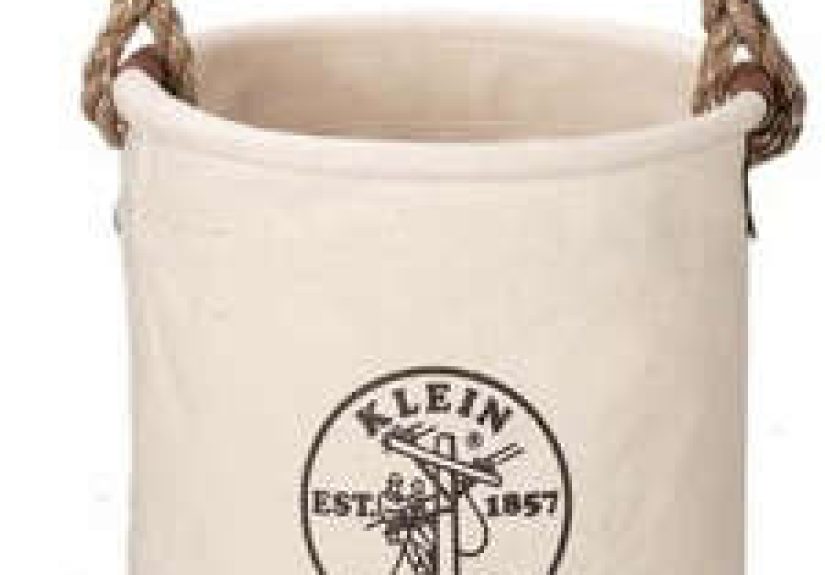
The Klein Standard Straight Wall Bucket is a round, open-top, heavy-duty canvas bucket with a reinforced structure that helps it keep its shape under load. The most commonly referenced standard model is the Klein 5109, which features a 12-inch diameter, 15-inch height, and a 75-pound load rating. It is made from No. 6 canvas, uses a high-density polyethylene top ring to maintain shape and improve chemical resistance, and includes a black molded polypropylene bottom for durability and corrosion resistance.
In plain English, that means this is not a floppy tote bag pretending to be a work bucket. It is designed to stand upright, handle daily wear, and move tools safely from truck to pole, lift, ladder area, or work zone. The straight-wall design gives it a stable, vertical profile, which makes loading and unloading easier than with some tapered shapes. When you are wearing gloves, balancing on uneven ground, or reaching in for a hand tool without wanting a circus act, that simple design choice matters more than marketing copy ever will.
Why the Straight-Wall Design Still Works So Well
There is a reason the straight-wall bucket remains a staple instead of becoming one of those “great ideas from 2014” that quietly disappeared. The design is practical. The opening stays generous from top to bottom, so the bucket wastes less internal space. Tools settle more predictably. Loose hardware is easier to spot. And the shape stays consistent enough that you can develop muscle memory about where your gear sits.
Easier Access to Tools
A straight-wall bucket does not narrow dramatically toward the base, which means your hand is less likely to play a frustrating game of “why is the item I need always under everything else?” For workers carrying pliers, nut drivers, tape, connectors, gloves, testers, or small materials, the wide opening is one of the bucket’s biggest advantages.
Better Use of Interior Space
Because the sides stay more vertical, more of the bucket’s volume is actually usable. That sounds obvious, but obvious is good when you are the one hauling equipment. The Klein 5109 gives enough room for a practical mix of hand tools and parts without feeling oversized for normal service work.
Stable and Predictable on the Job
The molded bottom and rigid top ring help the bucket sit with confidence rather than collapsing into a sad fabric pancake. This structure is especially useful when you need a bucket that can be set down, loaded quickly, and picked back up without wrestling it into shape every five minutes.
Key Features That Make the Klein Bucket Stand Out
What makes the Klein Standard Straight Wall Bucket more than “just a bucket” is the way its materials and details are tuned for field use.
Heavy-Duty No. 6 Canvas
The bucket’s No. 6 canvas construction is one of its defining traits. It feels substantial without becoming obnoxiously bulky. Canvas remains popular in trade buckets because it is durable, flexible enough for daily handling, and less likely to crack in the way some rigid plastics can after repeated abuse. It also gives the bucket that classic Klein look that many tradespeople immediately recognize.
Reinforced Bottom for Hard Use
The black molded polypropylene bottom is not there for decoration. It helps the bucket resist wear from repeated contact with rough surfaces, damp areas, and messy jobsite conditions. The bottom also adds structure, which improves balance and longevity. On a real workday, that means less babying the bucket and more using it the way it was intended.
High-Density Polyethylene Top Ring
The top ring helps the bucket hold its shape and stay open. This is one of those features you may not appreciate until you use a bucket without one. A good top ring reduces collapse, improves access, and makes the whole bucket feel more cooperative. It also supports chemical resistance better than a basic, less robust rim design.
Handle Support That Runs Down the Sides
On the standard wide-opening model, the web handle extends down the sides of the bucket for added strength. This detail helps distribute load more effectively, which matters when the bucket is actually carrying tools instead of just posing for a product photo. If a bucket is going to be lifted, moved, and occasionally hoisted, the handle system needs to do more than merely exist.
Made for Professionals
The Klein straight-wall bucket family is clearly aimed at people who use their gear for work, not weekend organizing experiments in the garage. That professional focus shows up in the materials, load ratings, and available model variations.
Which Workers Benefit Most From This Bucket?
The Klein Standard Straight Wall Bucket is especially useful for workers who need portable, durable storage for small to medium sets of tools and materials.
Electricians
Electricians often need a grab-and-go setup that can carry hand tools, connectors, tape, small testers, and gloves. A straight-wall bucket fits that role well because it offers quick visibility and doesn’t waste space.
Linemen and Utility Crews
Klein is deeply tied to utility and line work, so it is no surprise that the bucket line includes models made for hoisting and field movement. For line-related tasks, choosing the correct version matters, especially if you need a swivel snap or a lift-rated option rather than the plain standard bucket.
Telecom and Low-Voltage Technicians
Techs working with compact tools, cable prep items, and installation hardware often appreciate a bucket that is light enough to carry yet sturdy enough to handle constant transport. The standard straight-wall design works well when the kit changes from site to site.
Maintenance Pros and Industrial Workers
Maintenance teams benefit from the bucket’s ability to keep a small, task-specific setup organized. It is a good solution for carrying the tools needed for one repair call without dragging a full-size toolbox across the building like a reluctant vacation suitcase.
Understanding the Different Klein Straight-Wall Bucket Models
One reason buyers get confused is that “Klein straight-wall bucket” can describe several similar products. Here is the simple breakdown.
Klein 5109: The Standard Wide-Opening Model
This is the model most people mean when they say Klein Standard Straight Wall Bucket. It has the core wide-opening straight-wall design, rope handle, No. 6 canvas, molded bottom, and 75-pound load rating. If you want the classic setup without extra organization features, this is the reference point.
Klein 5109S: Standard Bucket With Swivel Snap
This version adds a swivel snap hook for hoisting convenience. It is better suited for users who regularly move the bucket in ways that benefit from that attachment feature.
Klein 5109P: Standard Bucket With Interior Pocket
This model adds an interior pocket, which helps separate small items from the main load. That is handy if you are tired of fishing for one tiny part in a bucket full of otherwise reasonable decisions.
Klein 5109PS: Pocket Plus Swivel Snap
This is the “have your cake and carry your pliers too” version. You get the pocket and the swivel snap, making it a versatile upgrade if your work involves both organization and hoisting.
Klein 5106: Smaller Straight-Wall Bucket
The 5106 is a smaller straight-wall bucket, typically around 9 inches in diameter and 14 inches high. It is useful when you want the same construction style in a more compact size for lighter tool loads.
Klein 5109SLR: Lift-Rated Option
This is not the standard bucket, but it is worth mentioning because some buyers should choose it instead. If you need a higher load rating and features like drain holes for more demanding transfer tasks, the lift-rated model is the one to examine. In other words, do not buy the standard bucket for a job that actually requires the lift-rated one. Your future self will appreciate the paperwork avoidance.
What to Consider Before Buying
Know Your Load
If your normal tool set is moderate, the standard 75-pound-rated bucket is often more than enough. But if you routinely push heavier loads or need a bucket for specialized transfer tasks, step up to the proper rated model rather than hoping optimism counts as engineering.
Think About Accessory Needs
Do you want a clean interior, or do you need a pocket? Will you hoist the bucket regularly? The right answer depends less on what looks good online and more on how you actually work. The standard model is a strong default, but the variants exist for good reasons.
Choose the Right Size
The 12-inch-wide 5109 is a practical middle ground for many users. The smaller 5106 can be better when mobility matters more than volume. Bigger is not always better if the bucket becomes a black hole full of extra stuff you never use.
Inspect and Maintain It Properly
Like any work bucket, it should be inspected for wear, damage, loose stitching, or other signs of deterioration. Keep it reasonably clean, avoid unnecessary exposure to harsh conditions, and store it dry when possible. The bucket is durable, but “durable” is not the same thing as “indestructible and ready for chaos forever.”
Why This Bucket Has Staying Power
The reason the Klein Standard Straight Wall Bucket continues to sell is not mysterious. It solves a simple problem very well. It carries tools. It stands up to regular abuse. It stays accessible. It comes from a brand with deep roots in electrical and utility work. And it offers enough model variations that users can scale up features without abandoning the basic format they already trust.
In a world full of overcomplicated storage systems that look like they were designed during a committee argument, the Klein straight-wall bucket keeps things refreshingly direct. Durable materials, useful dimensions, strong load support, and jobsite practicality never go out of style.
Jobsite Experiences With the Klein Standard Straight Wall Bucket
Real-world experience with the Klein Standard Straight Wall Bucket usually comes down to one word: predictable. And on a jobsite, predictable is beautiful. Workers do not need a bucket to be exciting. They need it to do the same useful thing every time they pick it up. That is exactly where this bucket tends to earn its keep.
One common experience is how quickly the bucket becomes a “default carry” item. A technician may start by using it for a specific task, such as carrying basic hand tools and a few connectors for service calls. After a week or two, the same bucket ends up handling glove sets, tape rolls, meters, fasteners, and whatever else seems to follow skilled tradespeople around like loyal metal confetti. The reason is simple: the open straight-wall shape makes it easy to toss in tools fast and find them again without too much digging.
Another frequent observation is that the bucket feels more stable than cheaper fabric alternatives. When set on a floor, in a truck compartment, or near a work area, it tends to hold its shape well enough that tools stay accessible instead of collapsing into a heap. That may not sound dramatic, but it saves constant minor annoyances. Over the course of a long workday, avoiding minor annoyances is practically a wellness strategy.
Many users also appreciate that the bucket can support both organized and slightly chaotic work styles. If you are the kind of person who places each tool carefully, the bucket cooperates. If you are the kind of person who says, “I know it’s in here somewhere,” the bucket still gives you a fighting chance. Models with pockets improve organization further, but even the standard version works well because the interior space is straightforward and not overly complicated.
For field crews, another valuable experience is portability without excessive bulk. A rigid toolbox may protect tools well, but it can also feel heavy, awkward, and oversized for smaller jobs. The Klein bucket often hits the sweet spot between structure and flexibility. It is sturdy enough to feel professional but simple enough to grab with one hand and move. That balance matters when work involves repeated trips from truck to site, site to ladder area, and ladder area back to truck because one part was, of course, in the vehicle the whole time.
Users who choose versions with swivel snaps often mention the convenience of hoisting or hanging the bucket when needed. Workers who choose the standard 5109 usually like its simplicity and lower complexity. In both cases, the family resemblance matters: people often start with one Klein bucket and later buy another model because the overall design feels familiar and trustworthy.
There is also the long-term ownership experience. A good canvas bucket often looks like it has been through some things, because it has. Scuffs, dirt, and wear marks are part of the jobsite story. Yet many users see that aging as proof of service rather than failure. The bucket is supposed to work hard. When it keeps doing that over time, it earns a level of respect that no glossy product page can manufacture.
In short, living with the Klein Standard Straight Wall Bucket tends to be less about surprise and more about reliability. It is the piece of gear you stop thinking about because it keeps doing its job. That may sound unromantic, but on a real workday, dependable gear is exactly what people fall in love with.
Conclusion
The Klein Standard Straight Wall Bucket remains a smart choice for professionals who want a durable, field-ready canvas bucket without unnecessary fuss. The classic 5109 model delivers the essentials: strong materials, useful size, a stable straight-wall shape, and a design that works for electricians, utility workers, telecom technicians, and maintenance crews alike. Add in the availability of closely related variants with pockets, swivel snaps, and different capacities, and it becomes clear why this bucket line continues to hold its place on real jobsites. It is practical, dependable, and refreshingly honest about what it is built to do.