Table of Contents >> Show >> Hide
- Why blankets are the MVP of kids’ rooms
- Meet David Fussenegger: cozy heritage with kid-friendly design
- How to choose the right David Fussenegger blanket for a kids’ room
- Safety first: blanket rules by age (because cozy should never be risky)
- How to style David Fussenegger blankets in kids’ rooms
- Real-life examples: choosing the right blanket for different kids’ rooms
- Quick checklist: buying and caring for a kids-room blanket
- Conclusion: the coziest upgrade is usually the simplest one
- of Real-World “Living With It” Experiences (Kids Rooms + David Fussenegger Blankets)
A kid’s room is basically a tiny civilization with its own laws, snacks, and surprise floor hazards. One minute it’s a bedroom, the next it’s a rocket ship, a reading cave, or a “museum” featuring 47 rocks that are definitely not from the driveway. And if there’s one soft item that thrives in this delightful chaos, it’s the humble blanket.
Enter David Fussenegger blankets: cozy, design-forward throws and kids blankets that look put-together in photos, feel comforting in real life, and (most importantly) don’t act like they’ll dissolve the first time someone spills juice on them. In this guide, we’ll dig into how to choose the right David Fussenegger blanket for a kid’s room, how to style it, and how to use it safely across ageswithout turning your home into a lint-themed science experiment.
Why blankets are the MVP of kids’ rooms
Kids don’t just “use” blankets. They invent new blanket jobs. A great blanket in a kids’ room is part bedding, part decor, part emotional-support cloud. Here are the roles it might play in a single week:
- Bed finisher: folded at the foot for a cozy, layered look (and an easy warmth boost).
- Reading-nook hero: draped on a chair or tucked into a corner “library” for instant comfort.
- Movie-night gear: the official uniform of couch time.
- Playtime prop: fort roof, cape, picnic blanket, baby-doll blanket, or “magic carpet.”
- Travel buddy: car rides, stroller walks, sleepovers, and the occasional “I’m cold” performance.
Because blankets multitask so hard, the best choice for kids is usually a blend of three things: softness, durability, and easy carewith a bonus point for materials and certifications that make parents feel good about what’s touching their kid’s skin.
Meet David Fussenegger: cozy heritage with kid-friendly design
David Fussenegger is known for textiles that lean into comfort and design at the same time. Many of their blankets and throws are cotton-forward, with options that include cotton blends (often chosen for softness, resilience, and everyday practicality). Their kids collections tend to feature playful patternsthink animals, adventures, and bright graphics that feel right at home in a child’s space.
What makes David Fussenegger especially appealing for kids’ rooms is the “grown-up design, kid-proof attitude” vibe: blankets that are cute without being cartoon overload, cozy without being bulky, and stylish without being precious. In other words: they look like you planned the room, even if you actually planned to do laundry and then got distracted by snack negotiations.
How to choose the right David Fussenegger blanket for a kids’ room
Shopping for a kids blanket sounds simple until you realize you’re basically choosing a textile that needs to survive macaroni, marker, mystery slime, and a small human who believes socks are optional year-round. Here’s what to consider so you buy once and love it for a long time.
1) Start with size: throw, nap blanket, or “fits the whole bed”?
Blanket sizing isn’t just about the bedit’s about how your kid actually lives. A throw-size blanket is perfect for reading corners and couch time, while a larger blanket can work on a twin bed, for sleepovers, or as an extra layer during colder months.
Quick rule of thumb: throws are great for draping and daily snuggling; larger blankets are better if you want something that can cover a bed and still look tidy. If you’re buying one blanket to do everything, lean slightly larger kids grow fast, and blankets don’t.
2) Pick the “feel” based on the room and the kid
Texture matters in kids’ rooms because kids actually touch everything. (Sometimes with jam hands. Still counts.) Cotton-rich blankets are popular for their breathable, comfortable feel. Softer plush blends can feel extra cozy, especially for kids who want that “cloud hug” sensation.
If your child runs warm or your climate is hot for much of the year, prioritize breathable, lighter-weight options (cotton-forward throws are often a smart move). If your child wants max cozy and your winters mean business, a warmer throw (including some blends) can be the difference between “goodnight” and a 2 a.m. blanket rescue mission.
3) Look for easy care (because childhood is sticky)
In adult spaces, a blanket can be delicate and dramatic. In kids’ rooms, a blanket needs to be washable and forgiving. Choose blankets you can machine wash on a regular schedule without turning them into a sad, stretched-out rectangle.
Pro tip: if you’re styling a room for the first time, wash the blanket once before it becomes part of the “finished look.” That way you know how it behavesshrinkage, softness, lint, the whole storybefore it becomes the star of the bed.
4) Sustainability and certifications: what labels actually mean
If you’re putting a blanket in a kids’ room, it’s normal to care about what’s in the fabric and what it’s been treated with. Two labels you may see associated with certain David Fussenegger lines (and textiles like them) are: OEKO-TEX® STANDARD 100 and GRS (Global Recycled Standard).
- OEKO-TEX® STANDARD 100 is a widely recognized label for textiles tested for harmful substances. It’s often used as a safety-oriented signal that the finished textile has passed specific lab tests.
- GRS (Global Recycled Standard) is a product standard focused on verifying and tracking recycled materials through the supply chain, along with additional criteria related to processing requirements.
Translation: these labels aren’t just marketing confetti. They’re a way to filter for products aligned with safer textile standards and (when applicable) verified recycled content. If you’re building a kid’s room with a “soft, cozy, and a little more responsible” approach, these are useful signposts.
5) Design that works with kids (and still looks good at 9 p.m.)
The best kids’ room blankets do double duty: they add warmth and also help the room look intentional. Here are a few easy style wins:
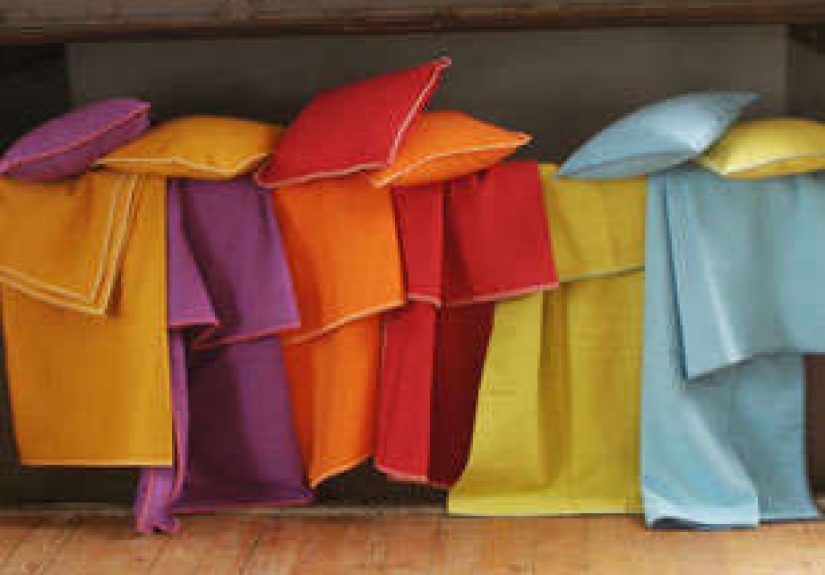
- Color echo: pick a blanket that repeats a color already in the room (rug, curtains, wall art).
- Pattern anchor: if the room is mostly solids, a playful animal or graphic throw adds personality fast.
- Quiet cozy: if the room is already bold, choose a simpler throw so the space doesn’t feel “loud.”
- Reversible flexibility: many woven throws look great on both sidesinstant “new room” without redecorating.
Safety first: blanket rules by age (because cozy should never be risky)
Blanket safety depends heavily on age. This matters most for infants and young toddlers, especially when sleep is involved. Here’s the practical breakdown you can use in real life.
Infants: skip loose blankets for sleep
For babies, the safest approach is to keep loose beddingincluding blanketsout of the sleep space. If warmth is needed, wearable blankets (sleep sacks) are generally the go-to alternative used in safe-sleep guidance. That doesn’t mean you can’t own a beautiful baby blanket; it means you should use it for supervised snuggles, stroller walks (with attention to airflow), tummy time, and photo momentsnot unattended sleep.
Toddlers: keep it light, breathable, and uncomplicated
Toddlers are wiggly, powerful, and occasionally determined to wrap themselves like a burrito. Once your child is developmentally ready for a blanket, choose something that’s not overly heavy and doesn’t create tangly drama. Also: avoid weighted blankets for very young children, and be cautious even with older kids unless you’ve talked to a pediatrician. “Cozy” should never mean “hard to move.”
Big kids: comfort + independence
For school-age kids, blankets are often about comfort rituals: reading before bed, winding down, feeling safe on stormy nights, and building that legendary “nest” on the bed. At this stage, you can lean more into style and textureespecially if the blanket is also part of the room’s look (folded neatly, draped on a chair, or layered over bedding).
How to style David Fussenegger blankets in kids’ rooms
Decorating with blankets is one of the easiest ways to make a kids’ room feel warm and finishedwithout committing to a major redesign. Here are low-effort, high-impact ways to use them.
The “foot-of-the-bed fold” (classic for a reason)
Fold the blanket lengthwise into thirds, then fold again and lay it across the foot of the bed. It adds color, texture, and that hotel-ish “someone has their life together” feeling. Bonus: it’s easy for kids to grab when they’re chilly.
The reading nook upgrade
A blanket turns any chair into a reading nook. Drape it over the back of a small armchair, beanbag, or floor cushion. Add a basket of books, a soft light, and you’ve created a cozy corner that feels like a rewardwithout buying a single piece of furniture shaped like a cartoon character.
The playroom-to-bedroom bridge
If your kid’s room is also a play zone, blankets help “soften” the space. Use a blanket as a floor layer during playtime (supervised), then fold and store it in a basket when you want the room to look tidy. The room instantly switches from “active tornado” to “calm habitat.”
The sleepover plan
Keep a dedicated throw folded in a closet or basket for sleepovers. It’s an easy add-on for couch beds, floor pallets, or “we are absolutely camping tonight” scenarios. Pick something durable and washable so you’re not stressed about it.
Real-life examples: choosing the right blanket for different kids’ rooms
Example 1: The small shared room
Two kids, one room, and about three square feet of visible floor. Choose two blankets in coordinating colors, each with a distinct pattern or trim so each child has “their” blanket. Store them in separate baskets. It adds visual order and reduces the daily “that’s mine” negotiations.
Example 2: The sensory-sensitive sleeper
Some kids care deeply about texture. If tags, scratchy fibers, or stiff fabrics trigger complaints, prioritize a softer hand-feel and a breathable, cotton-forward weave. If your child dislikes heat, skip overly warm synthetic options and go for a lighter throw that still feels comforting.
Example 3: The “decor that grows up” plan
If you want a room that won’t feel babyish in two years, choose a blanket with a playful motif that’s still design-friendly think simplified animals, graphic shapes, or modern color palettes. It stays cute now and still works when your kid’s taste evolves from “dinosaurs!” to “actually I’m into space now.”
Quick checklist: buying and caring for a kids-room blanket
- Choose the job: throw for styling + snuggling, larger size if it needs to cover a bed.
- Pick the feel: breathable cotton-forward for year-round comfort; warmer blends for colder seasons.
- Confirm care: machine washable is your best friend.
- Mind safety: no loose blankets for infant sleep; be cautious with heavy/weighted options for kids.
- Make it easy to live with: basket storage, quick folds, and a backup for laundry day.
Conclusion: the coziest upgrade is usually the simplest one
A great kids’ room doesn’t need a thousand themed accessories. It needs a few smart comfort pieces that work hard: something soft to cuddle, something durable enough for everyday life, and something that makes the space feel welcoming. David Fussenegger blankets check a lot of those boxesespecially for families who want kid-friendly comfort with a design that doesn’t look like a toy aisle exploded.
Choose the size that fits your child’s real routines, pick a fabric feel that matches your climate and your kid, and treat the blanket like the flexible tool it is: bedding, decor, and comfortoften all in the same day.
of Real-World “Living With It” Experiences (Kids Rooms + David Fussenegger Blankets)
The funny thing about buying a blanket for a kid’s room is that you think you’re purchasing a single item, but you’re actually adopting a new family member. It shows up neatly folded. It looks calm and responsible. Then your child meets itand suddenly it has a full-time job schedule.
In a typical household, the blanket’s first promotion happens within 24 hours. Day one: it’s draped perfectly at the foot of the bed. Day two: it’s part of a fort that “needs” two dining chairs, three pillows, and a flashlight that mysteriously runs out of batteries the moment bedtime begins. If you choose a blanket with a soft, inviting feel, kids tend to return to it repeatedlylike it’s their favorite cozy checkpoint in the room.
On busy school mornings, a throw blanket becomes a gentle transition tool: your child sits on the bed, wrapped up, waking slowly, while you negotiate socks and breakfast. That small comfort ritual can make the room feel like a safe landing zone rather than a launchpad of chaos. Later, the blanket becomes the “reading uniform”especially if you’ve set up a chair or a corner with books. The moment a blanket lives in that nook, the space feels less like decor and more like a place a kid actually wants to be.
During the afternoon slump (you know, when kids are somehow both tired and energetic), blankets become floor-friendly. They’re used as a soft spot for building blocks, as a “stage” for stuffed animals, or as a picnic mat for snacks that were absolutely not supposed to leave the kitchen. This is where durability and washability quietly matter: when something is easy to clean, you’re more likely to let it be usedand that means it gets loved instead of protected.
At night, the blanket’s role shifts again. For older kids, it’s the extra layer they can control themselves. Some kids like a light blanket pulled up just so; others want it folded on top like a comfort booster. If your child is the type who kicks off covers and then complains they’re cold, having a throw within reach is a sanity saver. And if you’ve ever hosted a sleepover, you already know the truth: a spare throw blanket is the unsung hero of floor pallets, couch naps, and “we’re camping in the living room” announcements.
The long-game experience is this: the best blanket doesn’t stay pristine. It becomes part of your kid’s room story. It shows up in photos, in quiet moments, and in the background of everyday life. If you choose a blanket that feels good, holds up to regular washing, and matches the room’s vibe, it stops being “a purchase” and becomes “the blanket.” The one they reach for when they’re sick, when they’re nervous, when they want comfort, or when they’re just building a dragon cave and need a roof. In kids’ rooms, that’s basically the highest honor a piece of fabric can achieve.