Table of Contents >> Show >> Hide
- The Short Answer
- Why Water That Sits Out Starts Tasting Weird
- When Sitting-Out Water Is Usually Fine
- When You Should Probably Dump It
- Tap Water vs. Bottled Water vs. Reusable Bottles
- So, How Long Can Water Sit Out?
- Myths About Water That Has Been Sitting Out
- How to Keep Drinking Water Safer and Fresher
- Practical Examples
- Conclusion
- Real-World Experiences With Water That’s Been Sitting Out for a While
If you’ve ever reached for the glass of water on your nightstand at 2 a.m. and paused like it might suddenly reveal a secret villain origin story, welcome. You are not alone. Plenty of people wonder whether water that has been sitting out for hours is still safe to drink, or whether it has somehow transformed into a tiny aquarium of regret.
The good news: plain water usually does not “go bad” the way milk, juice, or yesterday’s takeout absolutely and dramatically do. But that does not mean every forgotten bottle, warm car cup, or half-finished gym tumbler deserves a heroic comeback. Whether sitting-out water is fine, funky, or fit only for watering a houseplant depends on a few very specific things: the source of the water, the container, the temperature, what got into it, and how long it has been hanging out like it pays rent.
In this guide, we’ll break down what really happens when water sits out, when it is typically okay to drink, when you should probably dump it, and how to keep your drinking water fresher, cleaner, and less suspicious.
The Short Answer
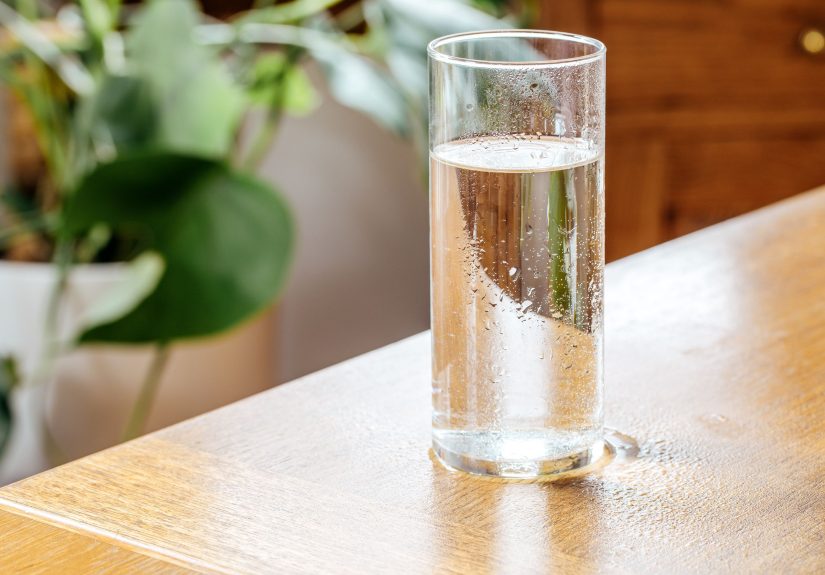
Yes, in many cases it is okay to drink water that has been sitting out for a while, especially if it is plain drinking water from a safe source and it has been kept in a clean container. A glass of tap water left out overnight on your bedside table is usually more of a taste issue than a health emergency.
That said, “usually okay” is not the same as “always a great idea.” Once water is exposed to air, your hands, your mouth, dust, heat, fruit slices, or the inside of a less-than-sparkling bottle, the risk changes. The biggest problem is often not the water itself, but what joins the party after the water is poured.
Why Water That Sits Out Starts Tasting Weird
One reason people get nervous about stale water is simple: it tastes different. And taste, to the human brain, is basically a smoke alarm. If something tastes off, we assume something must be wrong.
Air changes the flavor
When water sits in an open container, it interacts with the air around it. That can slightly change the way it tastes. In some cases, chlorine in treated tap water may dissipate over time, which can actually make the water taste less “pool-adjacent.” In other cases, exposure to air can change the balance of dissolved gases and make the water seem flatter or duller. So yes, that overnight glass can taste different by morning. No, that does not automatically mean it became unsafe.
Your mouth is a stronger influence than the air
The bigger issue is what happens after you take a sip. Every time you drink directly from a glass, bottle, straw, or tumbler, you introduce saliva and bacteria from your mouth. For most healthy adults, that is not instantly dangerous. But it does mean the water is no longer just plain, untouched water. It becomes a little ecosystem with trace organic material, and bacteria tend to enjoy free snacks.
That is why water from a freshly poured glass is one thing, while water from a bottle you have been sipping from all day is a very different story.
When Sitting-Out Water Is Usually Fine
Water that has been sitting out is typically low-risk when all of the following are true:
- It came from a safe drinking-water source.
- It was poured into a clean glass, mug, pitcher, or bottle.
- It has not been shared with other people.
- It has not been sitting in direct sunlight or high heat.
- Nothing extra was added, such as fruit, herbs, sweeteners, electrolytes, or protein powder.
That means the classic bedside glass of plain tap water is generally not a big deal. It may taste a little flat. It may collect a bit of dust if left uncovered. It may inspire exactly zero joy compared with icy fresh water. But in most normal household situations, it is not suddenly dangerous just because the clock kept moving.
The same goes for a clean bottle of plain water sitting on your desk for several hours. If it still looks, smells, and tastes normal, it is often fine. Water is not yogurt. It does not check the calendar and panic.
When You Should Probably Dump It
Now for the less romantic side of hydration. There are situations where leaving water out is not such a smart move, and your sink should get the final sip.
1. It has been in a hot car
Heat changes the equation. Warm conditions can encourage bacterial growth, especially if you have already been drinking from the container. A bottle left in a hot car all afternoon is not the hydration equivalent of “aged to perfection.” It is more like “germs had a meeting.”
2. You drank from it all day
If you have been backwashing into the same bottle for hours, the issue is no longer the water sitting out; it is the buildup inside the container. This matters even more if the bottle has a straw lid, flip top, or hard-to-clean mouthpiece, where moisture and residue love to linger.
3. The container was not clean to begin with
A lot of “bad water” is really a “bad bottle” problem. Reusable bottles need regular washing. If you keep topping off yesterday’s water without cleaning the bottle, you are not refreshing the situation. You are just adding a fresh chapter to a sticky little microbiology novel.
4. Fruit, herbs, or anything edible was added
Lemon slices, cucumber, berries, mint, powdered drink mixes, and sweeteners make water more interesting, but they also make it more perishable. Once produce is involved, you are moving into food-safety territory, not just hydration territory. Fruit-infused water should not sit at room temperature for hours and hours like it owns the place.
5. It looks, smells, or tastes off
This is not glamorous advice, but it works: trust your senses. If the water smells stale, tastes strange in a bad way, has floating particles, looks cloudy, or comes with a side of visible slime around the lid, let it go. There is no medal for bravery here.
6. You are extra vulnerable to infection
Infants, older adults, people with weakened immune systems, and anyone recovering from illness may want to be more cautious about drinking water that has been sitting out in questionable conditions. In those cases, fresher and more carefully stored water is the smarter choice.
Tap Water vs. Bottled Water vs. Reusable Bottles
Tap water
In the United States, public tap water is generally treated and regulated for safety. So if you pour a clean glass of tap water and leave it out overnight, the original water source is usually not the issue. The main concerns are exposure to the environment and contamination from the container or your mouth.
Bottled water
Bottled water is also regulated, but once you open the cap, it loses its sealed advantage. At that point, it behaves a lot like any other drinking-water container. If you sip from it, leave it warm, or reuse it repeatedly without cleaning, it is no longer just “factory fresh water.” It is now your personal science project.
People also worry about chemicals from plastic bottles, especially when bottles sit in hot places. That concern is not entirely invented, but it is often exaggerated online. The more practical everyday issue is usually hygiene and heat, not instant toxicity from one forgotten bottle. Still, if a disposable bottle has been baking in a car or reused endlessly, replacing it is a reasonable move.
Reusable bottles
Reusable bottles are great for hydration and the planet, but only if they actually get washed. Daily rinsing is not always enough, especially if the bottle has a lid, straw, gasket, or mouthpiece that traps moisture. The bottle you proudly take everywhere can also collect bacteria from your hands, your bag, the gym, your desk, and every mysterious public surface it briefly kissed.
If your reusable bottle smells funky when empty, that is your cue. It is asking for soap, not more water.
So, How Long Can Water Sit Out?
There is no single universal official cutoff for plain water in a household glass the way there is for some foods. That is why this question keeps coming back like a boomerang made of uncertainty. The best answer is practical rather than dramatic.
Here is a sensible rule of thumb:
- Overnight on a nightstand: Usually okay if it is plain water in a clean container.
- Several hours on a desk: Often fine, especially if covered and not sipped repeatedly.
- All day in a hot car: Better to replace it.
- In a dirty or unwashed bottle: Wash the bottle before refilling.
- Fruit-infused or flavored water at room temperature: Toss it much sooner than plain water.
If you want a simple mental shortcut, use this: the more ingredients, heat, mouth contact, and time involved, the worse the idea becomes.
Myths About Water That Has Been Sitting Out
Myth: Water becomes poisonous overnight
Nope. Plain water does not suddenly become toxic because it spent the night on your nightstand contemplating existence.
Myth: If it tastes different, it must be dangerous
Not necessarily. Taste can change because of exposure to air or loss of chlorine, and that does not automatically make the water harmful.
Myth: All plastic-bottle concerns are fake
Also no. Heat and long storage in plastic are valid discussion points. They are just not the same as saying one warm bottle will instantly ruin your life. Internet panic tends to skip right past nuance and go straight to theater.
Myth: If you keep topping it off, it stays fresh
Afraid not. Topping off an unwashed bottle just adds new water to old residue and bacteria. That is not “refreshing.” That is layering.
How to Keep Drinking Water Safer and Fresher
If you want your water to stay clean without becoming high-maintenance, these habits help:
- Use a clean glass, bottle, or pitcher every day.
- Wash reusable bottles regularly, including lids, straws, and rubber seals.
- Keep water covered when possible.
- Avoid leaving water in hot cars, sunny windows, or warm gym bags.
- Do not keep refilling a dirty bottle without washing it.
- Refrigerate infused water and do not leave it at room temperature for long periods.
- If you are sick, do not keep returning to the same bottle forever. Wash it well or swap it out.
And if you are someone who just hates the taste of room-temperature, stale-ish water, that is fair too. Safety is one question. Enjoyment is another. Hydration works best when the water does not feel like punishment.
Practical Examples
The bedside glass
You poured plain tap water before bed and forgot about it until morning. If the glass was reasonably clean and nothing weird got into it, it is usually fine to drink. Maybe not thrilling. Usually fine.
The office bottle
You filled a stainless-steel bottle at 9 a.m. and drank from it throughout the day. By evening, the water may still be okay, but the bottle should be cleaned before tomorrow’s refill. Especially if it has a straw lid. Those things can hide secrets.
The hot-car bottle
You left a half-full disposable bottle on the passenger seat in summer. This is one of those cases where replacing it is the more sensible choice. Heat plus backwash is not a dream team.
The cucumber-mint spa fantasy
You made infused water for brunch and left it on the counter for hours. Lovely aesthetic. Less lovely food safety plan. Refrigerate it or let it retire early.
Conclusion
So, is it okay to drink water that has been sitting out for a while? Most of the time, yes, if it is plain water from a safe source and it has been sitting in a clean container under normal indoor conditions. In that situation, the biggest change is usually flavor, not safety.
But context matters. Once water is exposed to saliva, dirty bottle surfaces, warm temperatures, shared use, or add-ins like fruit and herbs, the risk rises. That is why the smartest answer is not a dramatic “never” or a careless “always.” It is this: plain water left out briefly is usually fine, but cleanliness, temperature, and common sense matter a lot.
In other words, your nightstand water is probably innocent. Your week-old gym bottle? That one needs a lawyer.
Real-World Experiences With Water That’s Been Sitting Out for a While
A lot of people do not start worrying about stale water because of a science article. They start worrying because of ordinary life. You wake up thirsty, reach for the water on the nightstand, take one sip, and suddenly think, “Wait… has this been here too long?” The taste is a little flat, a little dusty, maybe just psychologically cursed. That moment is incredibly common, and for most people, it ends with the realization that the water is not dangerous so much as deeply uninspiring.
Another familiar experience happens at work. You fill up a nice reusable bottle in the morning with every intention of becoming one of those hydrated, organized adults. By 3 p.m., the bottle is warm, you have carried it to meetings, set it on random desks, touched the lid after typing all day, and forgotten how many times you have topped it off. The water may still look perfectly normal, but the question is less about the water itself and more about the bottle. This is where many people discover that “I refill it every day” is not actually the same as “I clean it every day.”
Then there is the gym-bottle experience, which deserves its own category of caution. A bottle goes from the car to the treadmill to the locker room to the cup holder and back again. It gets handled with sweaty hands, opened between sets, dropped into a bag, and rediscovered hours later with two heroic sips left. At that point, most people are not worried because the water sat out. They are worried because the bottle has lived a whole life.
Parents see a version of this too. Kids leave cups everywhere: the couch, the floor, the car seat, the windowsill. A cup of plain water from lunch may still be harmless by dinner, but the mystery factor increases fast when you are not sure whose cup it is, whether someone backwashed into it, or whether a cracker fragment somehow made the journey. Once children, pets, snacks, and sunlight get involved, confidence drops quickly.
Road trips create another classic scenario. A bottle of water gets opened at the start of the drive and forgotten in the car overnight. The next morning, it is warm, slightly misshapen, and no longer inspiring trust. Even if the actual risk is not always dramatic, many people sensibly decide that fresh water is cheap and peace of mind is worth a refill.
And then there is the “healthy lifestyle” version: a pitcher of lemon-cucumber-mint water that looks beautiful on the counter during a brunch or family gathering. It feels elegant, refreshing, and very wellness-influencer-adjacent. But unlike plain water, infused water has produce in it, which changes the safety conversation. People often learn this only after making a gorgeous batch, leaving it out too long, and realizing that pretty does not equal permanent.
These everyday experiences all point to the same lesson. Most anxiety around sitting-out water is not about water magically spoiling on its own. It is about context: who drank from it, what was added, how hot it got, and how clean the container really was. Once you understand that, the question gets much easier. You stop asking, “Is old water always bad?” and start asking the better question: “What happened to this water while it was sitting here?”