Table of Contents >> Show >> Hide
- First: What Exactly Is Gastroenteritis?
- What Activated Charcoal Actually Does (When It Works)
- So Why Do People Think Charcoal Helps “Stomach Flu”?
- What the Research Says: A Little Signal, a Lot of Noise
- The Bigger Issue: Activated Charcoal Can Interfere With Medications
- What Works Better Than Charcoal (A.K.A. The Unsexy Truth)
- When Activated Charcoal Might Make Sense (Spoiler: Not Usually Gastroenteritis)
- When to Get Medical Help: Don’t “Tough It Out” Past These Red Flags
- Bottom Line: Is Activated Charcoal an Effective Treatment for Gastroenteritis?
- Experiences People Commonly Report (And What They Usually Mean)
- Experience 1: “I took charcoal and my diarrhea slowed down… so it worked, right?”
- Experience 2: “Charcoal made me feel worsemore nauseated, more gaggy.”
- Experience 3: “My friend gave me charcoal because it’s ‘natural’ and ‘detoxing.’”
- Experience 4: “I took charcoal and then my meds didn’t seem to work.”
- Experience 5: “I wanted something that would ‘stop it now’ so I could go to work/school.”
- Experience 6: “I used charcoal because I thought it was food poisoning.”
- What these experiences add up to
- Conclusion
Activated charcoal has a certain “mysterious black smoothie” vibe. It shows up in detox posts, trendy ice cream, and the occasional “my friend swears it fixed my stomach bug” group chat. But gastroenteritis (a.k.a. the classic vomiting-and-diarrhea combo) doesn’t care about vibes. It cares about hydration, time, and doing the boring basics correctly.
So, does activated charcoal actually treat gastroenteritis? In most cases: no. The best evidence and major medical guidelines don’t support it as a routine treatment. Charcoal has a real medical rolejust not the one TikTok keeps auditioning it for.
First: What Exactly Is Gastroenteritis?
Gastroenteritis means inflammation of the stomach and intestines. Most people experience it as nausea, vomiting, diarrhea, belly cramps, and sometimes fever or body aches. Causes include:
- Viruses (norovirus is a frequent culprit, especially in outbreaks)
- Bacteria (sometimes from contaminated food or water)
- Parasites (less common, but possible depending on exposure)
- Toxins (like preformed toxins in certain food poisoning scenarios)
For most healthy people, it’s miserable but short-lived. The real danger isn’t “having diarrhea,” it’s dehydration.
What Activated Charcoal Actually Does (When It Works)
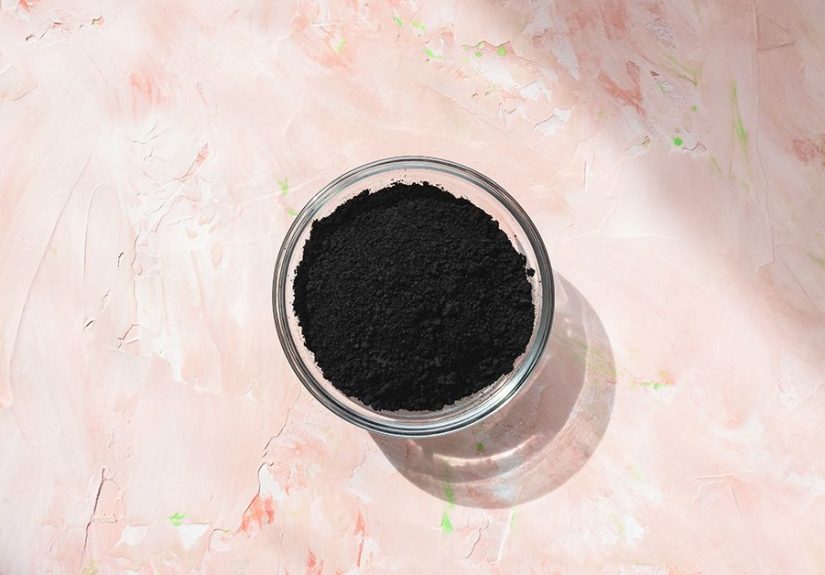
Activated charcoal is processed carbon with a huge surface area that can bind (adsorb) certain substances in the gut. That binding can reduce absorptionespecially useful in specific poisoning or overdose situations, typically in a medical setting.
Key point
Charcoal’s superpower is binding some chemicals and drugs before they get absorbed. Gastroenteritis, however, is usually driven by an infection and your body’s immune responsenot a single “toxin” sitting politely in your stomach waiting to be vacuumed up.
So Why Do People Think Charcoal Helps “Stomach Flu”?
Because it sounds plausible: “My stomach is angry. Charcoal absorbs bad stuff. Therefore, charcoal = stomach peace.”
But gastroenteritis is often a fast-moving situation. By the time symptoms start, the trigger (virus, bacteria, toxin) may already be in the intestines or your body is already reacting. Plus, diarrhea and vomiting are literally your GI tract speed-running the “evict everything” protocol.
Charcoal also turns stool black and can cause constipation. That’s not automatically dangerousbut it can confuse the picture when you’re trying to monitor symptoms.
What the Research Says: A Little Signal, a Lot of Noise
If you hunt for studies, you can find small trials suggesting charcoal might reduce diarrhea symptoms in certain “nonspecific” acute diarrhea cases. There’s also limited, older research in children as an add-on to rehydration therapy. The problem is consistency and quality: the evidence base is thin, not universally replicated, and doesn’t outweigh the practical downsides and safety considerations.
Why guidelines aren’t impressed
Major clinical guidance for acute infectious diarrhea focuses on hydration first, selective use of symptom relief in adults, and careful evaluation of red flags. Reviews and practice articles commonly conclude there’s inadequate evidence to recommend activated charcoal (or similar “adsorbents”) as a standard antidiarrheal approach.
In other words: even if charcoal occasionally reduces stool frequency in some people, that’s not the same as being an effective, reliable treatment for gastroenteritisespecially across ages, causes, and severity levels.
The Bigger Issue: Activated Charcoal Can Interfere With Medications
Here’s the part that deserves a flashing neon warning sign: activated charcoal can bind not only “bad stuff,” but also medications and supplements you actually need to absorb.
This is one reason poison-control guidance treats charcoal as a targeted medical tool rather than a casual home remedy. If you’re taking any important medicationthink seizure meds, heart meds, antidepressants, thyroid meds, antibiotics, or hormonal contraceptionrandomly adding charcoal can be a bad plan.
Real-life example
Imagine you’re sick with a stomach bug and take charcoal “just in case.” Later, your fever and cramps worsen, and you need an antibiotic or anti-nausea medication. If charcoal is still in your gut, it may reduce how much of that medication your body absorbs. That’s the opposite of helpful.
What Works Better Than Charcoal (A.K.A. The Unsexy Truth)
When gastroenteritis hits, the best approach is boring in the same way seatbelts are boring: effective, proven, and strongly recommended by people who like you alive and well.
1) Hydration is the main treatment
For most cases, supportive care is the mainstayespecially replacing fluids and electrolytes. Oral rehydration solutions (ORS) are designed for this and can work better than plain water in many situations.
2) Eat in a way that doesn’t antagonize your stomach
Once vomiting settles, many people do best with small, simple meals and fluids. You don’t need a magical “BRAT diet” badge to recover. The goal is: gentle, tolerable, and steady.
3) Symptom relief can be appropriatesometimes
For adults with watery diarrhea and no red flags, certain medications may help as adjuncts to hydration. But these aren’t for everyone, and they’re not for every type of diarrhea. If there’s fever, blood, severe pain, or concern for inflammatory diarrhea, the rules change.
For children and teens, the default is still hydration first, and avoid “DIY pharmacy adventures” unless a clinician advises it.
When Activated Charcoal Might Make Sense (Spoiler: Not Usually Gastroenteritis)
Activated charcoal can be appropriate in selected poisoning/overdose situations, generally when recommended by poison control or clinicians and when timing and safety factors line up.
But for typical viral gastroenteritis (norovirus-style), charcoal is not a standard treatment. Guidelines and public health sources consistently emphasize hydration and supportive care instead.
When to Get Medical Help: Don’t “Tough It Out” Past These Red Flags
Gastroenteritis is common. Complications are less commonbut they do happen. Seek medical care promptly if you notice:
- Signs of dehydration (very little urination, dizziness, extreme thirst, dry mouth, confusion)
- Blood in stool or black/tarry stools not explained by something like charcoal or iron (still: get advice)
- High fever or fever with severe abdominal pain
- Severe or persistent vomiting that prevents keeping fluids down
- Symptoms lasting longer than expected or worsening instead of improving
- High-risk situations (older adults, immune compromise, significant chronic illness)
Bottom Line: Is Activated Charcoal an Effective Treatment for Gastroenteritis?
Not as a routine treatment. The best available evidence and guideline-based care do not support activated charcoal as a standard fix for gastroenteritis. It may have limited evidence in certain diarrhea contexts, but that’s not enough to outweigh its drawbacksespecially medication interactions and the fact that it doesn’t address the underlying infection.
If you’re dealing with gastroenteritis, think “rehydration, rest, and smart symptom management,” not “charcoal and hope.” Save activated charcoal for its actual job: specific poisoning scenarios guided by professionals.
Experiences People Commonly Report (And What They Usually Mean)
Note: The stories below are common, real-world patterns (composite examples), not medical advice or a guarantee of outcomes.
Experience 1: “I took charcoal and my diarrhea slowed down… so it worked, right?”
Sometimes people take activated charcoal during a stomach bug and notice fewer bathroom trips later that day. The catch is that gastroenteritis often improves on its own within a short window, especially viral cases. So the timing can create an illusion: you took something, and then your body naturally started recovering. That doesn’t prove charcoal caused the improvement.
Also, charcoal can lead to constipation in some people. If your diarrhea slows because your gut is now moving too slowly, that’s not necessarily the kind of “success” you’re looking forespecially if you still feel crampy and dehydrated.
Experience 2: “Charcoal made me feel worsemore nauseated, more gaggy.”
This one is common too. When your stomach is already irritated, swallowing anything gritty or heavy can be a bad vibe. People report nausea, stomach discomfort, and difficulty keeping it downespecially if vomiting is still active.
In practical terms, anything that increases vomiting makes the main goal (hydration) harder. So even if charcoal theoretically binds some stuff, it may still be a net negative if it prevents you from drinking fluids.
Experience 3: “My friend gave me charcoal because it’s ‘natural’ and ‘detoxing.’”
Activated charcoal is “natural” in the same way a tornado is natural. Natural doesn’t automatically mean safe or appropriate. The detox narrative sounds comforting during illness, but gastroenteritis recovery is less about “detoxing” and more about letting your gut heal while you stay hydrated.
People who buy into the detox idea sometimes take charcoal alongside vitamins, electrolyte tablets, or supplements, thinking they’re doing extra good. Unfortunately, charcoal can bind to nutrients and medicationsso you might be paying for vitamins your body never gets to use. That’s the supplement version of ordering fries and then handing them to a seagull.
Experience 4: “I took charcoal and then my meds didn’t seem to work.”
This is one of the most important real-world issues. People sometimes notice their usual medication feels “off” after charcoallike pain relief doesn’t kick in, or an essential daily medication seems less effective. That can happen because charcoal can reduce absorption of oral drugs.
Even if your stomach bug is mild, messing with medication absorption can create a bigger problem than the original illnessespecially for medications that need consistent levels in the body.
Experience 5: “I wanted something that would ‘stop it now’ so I could go to work/school.”
Totally relatable. Nobody wants to cancel plans because their digestive system is doing a dramatic monologue. But gastroenteritis usually doesn’t respond to a single “off switch.” The most reliable way to get back on your feet is to prevent dehydration, rest, and avoid triggers that prolong symptoms.
In many cases, the faster route is not a trendy remedyit’s consistent rehydration and a cautious return to eating. And when symptoms are severe or concerning, the fastest route is medical care, not guesswork.
Experience 6: “I used charcoal because I thought it was food poisoning.”
People often label any sudden vomiting/diarrhea as “food poisoning,” but many cases are viralespecially norovirus. Even with true foodborne illness, charcoal isn’t routinely recommended as a home treatment. What matters most is hydration and monitoring for red flags.
If multiple people who ate the same meal get sick, or if symptoms are intense (high fever, blood in stool, severe abdominal pain), that’s a cue to consider medical advice and, in some cases, stool testing or public health reporting. Charcoal won’t replace that.
What these experiences add up to
People’s anecdotes are realbut gastroenteritis is a condition that often improves naturally. That makes it easy for almost anything (tea, crackers, a nap, charcoal, “vibes”) to get credit. The evidence-based approach is still the same: protect hydration, use proven supportive care, and get help when symptoms cross the line into risky territory.
Conclusion
If you take one thing from this article, make it this: activated charcoal is not a go-to treatment for gastroenteritis. It has a legitimate medical role in certain poisonings, but for stomach flu-style illness, the best treatment is still hydration and supportive careplus smart caution around medications and warning signs.