Table of Contents >> Show >> Hide
- What Is an Industrial Piercing Infection?
- Normal Healing vs. Infection
- Industrial Piercing Infection Symptoms
- What Causes an Infected Industrial Piercing?
- Infection or Something Else?
- Industrial Piercing Infection Treatment
- When to See a Doctor Right Away
- How to Prevent an Industrial Piercing Infection
- How Long Does an Industrial Piercing Take to Heal?
- Frequently Asked Questions
- Real-World Experiences With Industrial Piercing Infection Scares
- Final Thoughts
- SEO Metadata
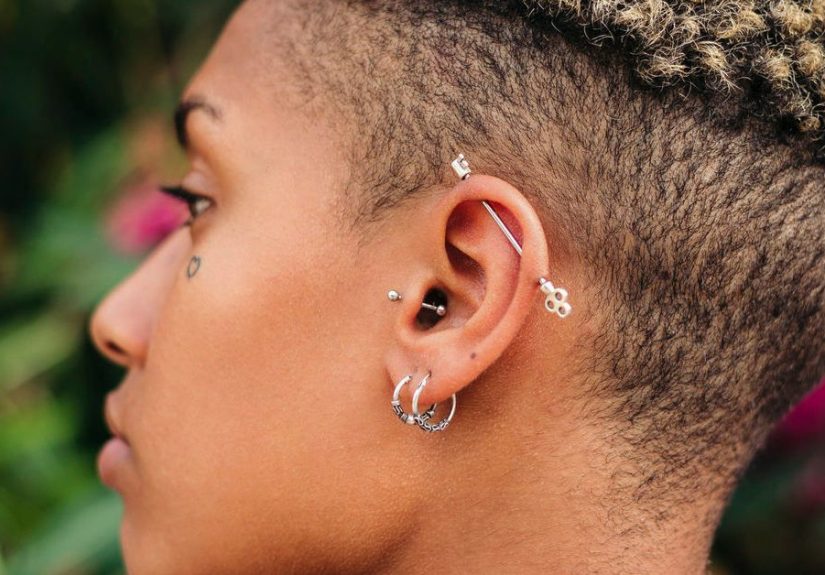
An industrial piercing looks effortlessly cool. Caring for it, however, is a bit less rock-and-roll and a bit more “please don’t let my hairbrush snag this again.” Because an industrial piercing passes through ear cartilage in two spots and is usually connected by one long barbell, it can be fussier than a standard lobe piercing. And when something goes wrong, people often ask the same panicked question: is this normal healing, or is my industrial piercing infected?
The answer matters. Cartilage is slower to heal than soft earlobe tissue, which means irritation can linger, but true infection can also become serious faster than many people expect. A mild problem may improve with smart aftercare. A cartilage infection, on the other hand, may need prompt medical treatment to prevent complications, scarring, or changes to the shape of the ear. In other words, this is not the time for mystery internet hacks and vibes-only medicine.
This guide breaks down the symptoms of an industrial piercing infection, what treatment usually looks like, how to prevent future trouble, and how to tell an infection apart from irritation, allergy, or a scar bump. If your ear has been acting dramatic, here is how to read the situation without making it worse.
What Is an Industrial Piercing Infection?
An industrial piercing infection happens when bacteria enter the healing channel of the piercing and trigger inflammation beyond what is expected during normal healing. Because an industrial piercing goes through upper-ear cartilage, infections can be trickier than infections in the fleshy lower earlobe. Cartilage has less blood supply than soft tissue, so it does not bounce back as quickly and can be harder to treat once it becomes infected.
That is why an infected industrial piercing should never be brushed off as “just part of healing” if symptoms are getting worse instead of better. Some tenderness, swelling, crusting, and light discoloration can be normal early on. But spreading redness, heat, foul-smelling drainage, or escalating pain are not your piercing’s way of building character.
Normal Healing vs. Infection
What can be normal during healing
Fresh cartilage piercings often come with a starter pack of annoyance: mild soreness, localized swelling, light bruising, tenderness, itching, and a small amount of pale or whitish-yellow crust that dries on the jewelry. Many people also notice that the area feels tight, especially in the morning, or becomes temporarily irritated after accidentally sleeping on it, catching it on a hoodie, or getting shampoo on it.
That does not automatically mean infection. In fact, industrial piercings are famous for acting offended by everyday life.
Signs your industrial piercing may be infected
Infection becomes more likely when the area is increasingly red or deeply discolored, hot, swollen, painful, or leaking thick yellow or green pus. You may also notice bad odor, throbbing pain, crust that turns wetter instead of drier, or tissue that looks more inflamed as the days pass. Fever, chills, or feeling generally unwell raise the concern level even more.
If the redness spreads beyond the immediate piercing holes, the upper ear becomes very swollen, or the ear starts looking misshapen, that is not a “wait and see” moment. That is a “call a medical professional” moment.
Industrial Piercing Infection Symptoms
Common local symptoms
The most common symptoms of an infected industrial piercing include:
- Redness or darker discoloration around one or both piercing holes
- Swelling that increases instead of gradually settling down
- Warmth when you touch the ear
- Pain, tenderness, or throbbing that feels more intense over time
- Yellow, green, or foul-smelling discharge
- Crusting that looks thick, wet, or pus-like rather than dry and light
- Skin that feels tight, shiny, or unusually irritated
More serious symptoms
Because this is a cartilage piercing, more serious symptoms deserve quick attention. These include fever, chills, severe swelling, ear deformity, the jewelry becoming embedded, drainage that keeps increasing, or pain and tenderness behind the ear. If the entire upper ear looks angry, swollen, and hot, doctors may worry about deeper cartilage infection rather than simple surface irritation.
What Causes an Infected Industrial Piercing?
Infection usually starts when bacteria get easy access to a healing wound. That can happen during the piercing itself if sterile technique is poor, or later during healing if the area is repeatedly irritated, touched with unwashed hands, or exposed to contaminated surfaces.
Common risk factors
- Getting pierced in an unsanitary setting or by an inexperienced piercer
- Touching or twisting the barbell with dirty hands
- Changing jewelry too early
- Sleeping directly on the piercing
- Using harsh products like alcohol, hydrogen peroxide, or strong “piercing cleaners”
- Over-cleaning until the area becomes dry and irritated
- Snagging the jewelry on clothing, towels, combs, masks, or headphones
- Submerging the piercing in pools, hot tubs, lakes, or other questionable water
- Letting hair products, makeup, or skin care collect around the site
- Using low-quality jewelry or metal that triggers irritation or allergy
Even things that seem harmless can create problems. A dirty phone pressed to your ear, a helmet strap rubbing the bar, or a pillowcase that has seen better days can all add irritation or germs to the party.
Infection or Something Else?
Not every piercing bump, itch, or crust means infection. That is one reason industrial piercing problems can be confusing.
Irritation
Irritation is incredibly common with industrial piercings. Maybe the bar is at an awkward angle. Maybe you keep sleeping on it. Maybe your hair keeps wrapping around the jewelry like it is emotionally attached. Irritation often causes soreness, a bump, or redness that comes and goes, especially after friction or trauma, but it may not come with heat, pus, or worsening swelling.
Allergic reaction
If the problem is metal sensitivity, especially nickel allergy, the area may feel very itchy and develop rashy bumps, weeping, color changes, or dry, cracked skin. Allergy can overlap with infection, so if you are not improving or the reaction is spreading, get evaluated instead of trying three random ointments and hoping one of them wins.
Keloid or hypertrophic scar
A raised bump near the piercing may be a scar rather than an infection. Hypertrophic scars stay closer to the piercing site, while keloids can continue growing beyond it. These bumps can feel tender or itchy, but they do not always mean bacteria are involved. If you or close relatives tend to form keloids, that risk is worth knowing before you ever get cartilage pierced.
Industrial Piercing Infection Treatment
What to do first at home
If symptoms are mild and you are not dealing with dramatic cartilage swelling, start with gentle care:
- Wash your hands before touching the area
- Clean with a sterile saline wound wash or the aftercare method recommended by a qualified piercer or clinician
- Pat dry with a clean disposable paper product instead of a cloth towel
- Leave the jewelry alone instead of rotating or fiddling with it
- Keep phones, earbuds, glasses, hats, and pillowcases clean
- Avoid pressure, friction, and sleeping on that side
Many experts also recommend skipping homemade salt mixes unless you know exactly what you are doing, because overly strong solutions can dry out tissue and slow healing. Sterile saline labeled as wound wash is the easier, less chaotic choice.
What not to do
- Do not clean with rubbing alcohol or hydrogen peroxide
- Do not use harsh antibacterial soaps
- Do not drench it in tea tree oil or other essential oils
- Do not pick off crusts
- Do not over-clean out of panic
- Do not use leftover antibiotics that were prescribed for something else
- Do not remove the jewelry on your own just because you suspect infection
That last point surprises a lot of people. Removing jewelry too soon can sometimes allow the surface to close while the infection stays trapped deeper inside. In other cases, a clinician may decide the jewelry should come out or be replaced with an inert alternative. The key idea is simple: let a professional make that call.
When medical treatment is needed
Because industrial piercings go through cartilage, medical care may be needed sooner than with a soft-tissue piercing. A clinician may prescribe topical or oral antibiotics depending on how serious the infection appears. In more severe cases, especially when cartilage is involved, treatment can include stronger antibiotics, drainage of trapped pus, or even IV antibiotics. If the infection reaches the cartilage layer, doctors may use the term perichondritis. That is a real medical issue, not a fancy way of saying “your ear is annoyed.”
Prompt treatment matters because untreated cartilage infection can damage tissue and, in severe cases, affect the shape of the ear.
When to See a Doctor Right Away
Seek prompt medical care if you notice any of the following:
- Fever or chills
- Rapidly increasing swelling or redness
- The whole upper ear looks red, dark, or misshapen
- Severe pain or throbbing
- Yellow or green pus with odor
- The jewelry is embedded or will not move at all
- Tenderness behind the ear
- No improvement after a few days of careful aftercare
- Symptoms that come back after seeming to improve
If you are ever unsure whether your industrial piercing infection is mild or serious, err on the side of caution. Cartilage infections are not great candidates for brave denial.
How to Prevent an Industrial Piercing Infection
Before you get pierced
Prevention starts before the barbell ever goes in. Choose a reputable professional piercer working in a licensed, clean studio. Ask about sterile needles, autoclaved tools, and jewelry quality. For new piercings, high-quality nonallergenic jewelry such as titanium or gold is generally a safer bet than mystery metal from the land of bad decisions.
During healing
- Wash your hands before touching the piercing
- Do not twist or rotate the jewelry during cleaning
- Use gentle, consistent aftercare instead of aggressive scrubbing
- Sleep on the opposite side, or use a travel pillow so the ear sits in the center opening
- Keep pillowcases fresh; the “clean T-shirt over the pillow” trick is actually pretty smart
- Clean your phone, headphones, glasses, helmets, and hats
- Keep hair products, sprays, and cosmetics away from the site
- Avoid lakes, pools, and hot tubs while healing
- Do not change jewelry early just because you are bored
Also remember that industrial piercings often take a long time to settle down. Cartilage may look “fine” on the outside before the inside is really healed. That false confidence is how people end up swapping jewelry too soon and starting the whole irritation cycle again.
How Long Does an Industrial Piercing Take to Heal?
Industrial piercings are slow healers. Cartilage piercings usually take months, not weeks, and an industrial piercing can feel healed long before it truly is. That is why patience is part of aftercare whether you enjoy it or not. Good healing depends on placement, jewelry fit, your anatomy, and how much the piercing gets bumped, slept on, or irritated during day-to-day life.
The good news is that many mild infections or irritation flare-ups improve once the source of trauma is removed and proper care starts. The bad news is that repeated irritation can drag the process out for what feels like a small geological era.
Frequently Asked Questions
Should I remove the industrial bar if it looks infected?
Not on your own. Sometimes keeping quality jewelry in place helps drainage and prevents the channel from sealing over too soon. In other cases, a clinician may want it removed or exchanged. Get professional guidance.
Can I use tea tree oil on an infected industrial piercing?
That is usually not the best move. Tea tree oil can irritate sensitive skin and should not replace proper aftercare or medical treatment. When a cartilage piercing looks red, sore, and weepy, the safer plan is to get real guidance, not become your own essential-oil intern.
Will an infected industrial piercing always need antibiotics?
Not always. Mild irritation does not need antibiotics, and some minor infections may improve with appropriate care. But cartilage infections deserve a lower threshold for medical evaluation because they can worsen more easily than a basic earlobe issue.
Can I still keep the piercing after an infection?
Often, yes. Many people keep their industrial piercing after proper treatment and careful healing. The outcome depends on how quickly the problem is recognized, whether cartilage is involved, and how much tissue damage occurred.
Real-World Experiences With Industrial Piercing Infection Scares
One of the most common experiences people describe is confusion. The piercing looks a little red, but industrial piercings often look a little red. It aches after sleeping on it, but cartilage piercings also ache after sleeping on them. There is crust on the bar, but crust can be normal too. That gray zone is where a lot of people start spiraling, zooming in with their phone camera like they are documenting wildlife.
Another common experience is the “I cleaned it more, so why is it angrier?” problem. Someone notices irritation, then doubles or triples the cleaning routine, adds alcohol, a strong soap, cotton swabs, maybe an internet-recommended oil, and suddenly the ear is even drier, redder, and more tender. The lesson is that over-cleaning can mimic or worsen infection symptoms. A healing industrial piercing usually wants consistency, not a chemical attack.
Sleep is another big plot twist. Many people feel like their industrial piercing is doing well until one night they roll onto that side and wake up with a hot, swollen ear that looks personally offended. Pressure from a pillow can irritate cartilage, shift the angle slightly, and start a cycle of swelling and soreness. People are often shocked by how much improvement they see after switching sleep positions, using a travel pillow, and changing pillowcases more often.
Hair and tech are frequent villains too. Long hair wraps around the bar. Earbuds press on the piercing. Glasses nudge it all day. A phone touches the exact sore spot every time someone takes a call. None of these things seem dramatic in the moment, but together they can keep an industrial piercing inflamed enough that it becomes vulnerable to infection or feels infected when it is really just chronically irritated.
Emotionally, the experience is often half discomfort and half regret. People worry they ruined the piercing, wasted money, or are about to lose the jewelry entirely. They may feel embarrassed about asking for help because it “is only a piercing.” But cartilage infections are worth taking seriously, and getting advice early is usually what saves the piercing rather than dooms it.
The most reassuring experience many people report is how quickly things can improve once the right fix is in place. That may mean seeing a clinician, getting antibiotics, switching to better jewelry with a professional, stopping harsh products, or simply protecting the area from constant trauma. Industrial piercings do not reward impatience, but they do respond to smarter care. If your ear has been throwing a tantrum, the goal is not to out-stubborn it. The goal is to calm it down and give it a real chance to heal.
Final Thoughts
An industrial piercing infection is not something to ignore, especially because cartilage infections can become serious faster than many people realize. Watch for worsening redness, swelling, heat, pain, pus, or fever. Start with gentle aftercare, avoid harsh products, and do not remove the jewelry on your own unless a medical professional tells you to. Most importantly, do not confuse “looking cool” with “being low maintenance.” Industrial piercings are stylish, but they absolutely demand respect.
If your piercing seems off and is not improving quickly, get it checked. Fast treatment can protect both your health and your jewelry, which is really the dream team outcome.