Table of Contents >> Show >> Hide
- Why Are Your Neighbors’ Porch Lights Suddenly Green?
- The Main Meaning: Honoring U.S. Veterans
- Other Common Meanings of Green Porch Lights
- When You’re Most Likely to See Green Porch Lights
- Should You Use a Green Porch Light at Your Home?
- How to Choose the Right Green Porch Light
- What If You Don’t Want to Change Your Porch Light?
- How to Talk to Kids (and Curious Adults) About Green Porch Lights
- of Real-Life Experiences with Green Porch Lights
- Final Thoughts: A Small Bulb with Big Impact
Why Are Your Neighbors’ Porch Lights Suddenly Green?
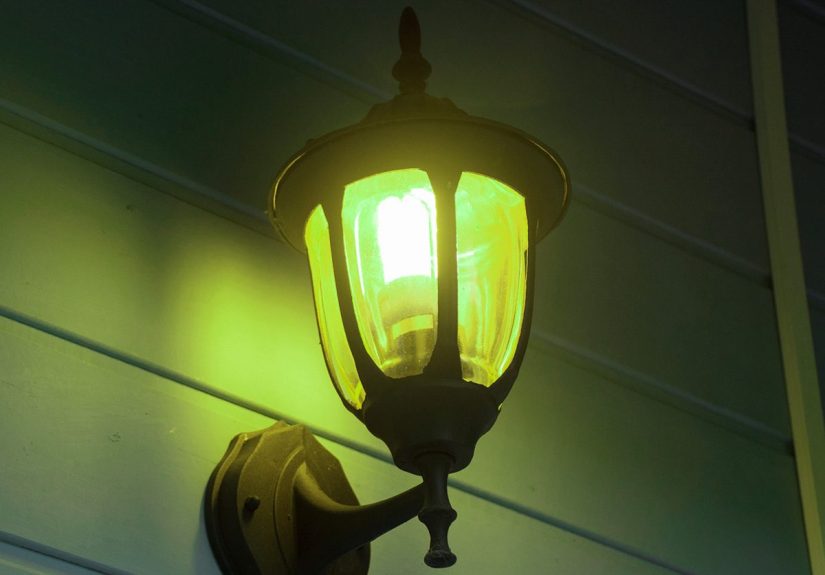
You’re out walking the dog after dinner, minding your own business, when you notice something strange: a row of houses on your street are glowing green. Not Christmas green, not “we went overboard on the holiday laser projector” greenjust a single green porch light quietly shining by the front door.
Is it a secret neighborhood club? A subtle way of saying “we love frogs”? A signal that aliens should land here first?
The truth is more meaningfuland a lot more heartwarming. Green porch lights in the United States have become a powerful symbol used to honor veterans, support awareness campaigns, and, sometimes, simply add a punch of personality to a home’s exterior.
The Main Meaning: Honoring U.S. Veterans
The most widely recognized meaning of a green porch light is support for U.S. military veterans. This modern tradition really took off around 2013 with a national initiative called
Greenlight a Vet. The idea was simple: change one visible lightoften your porch lightto green as a visible “thank you” to veterans in your community.
The symbolism is layered:
- Green = hope and renewal: It’s a color associated with growth, healing, and moving forward.
- “Greenlight” = go: In everyday language, to “greenlight” something is to give it the go-aheadhere, it’s about helping veterans move forward in civilian life.
- A visible sign of invisible service: Many veterans blend into civilian life; the green light is a small but bold way to say, “We see you. We’re grateful.”
Around Veterans Day (November 11) and Memorial Day (the last Monday in May), you’ll often see green porch lights pop up in neighborhoods, on businesses, and even on public buildings as a quiet show of gratitude to those who have served. Some people leave the green light on all year, while others switch to green just for those holidays.
Not Just SymbolicIt Starts Conversations
One of the goals of the Greenlight a Vet campaign was to spark conversations. You notice a green porch light, you get curious, you ask. That opens the door to talking about veterans’ experiences, their needs, and how communities can better support them with jobs, services, and everyday kindness.
In that sense, the bulb isn’t just decorativeit’s a tiny, glowing outreach tool. And unlike a bumper sticker, it works 24/7.
Other Common Meanings of Green Porch Lights
While veteran support is the most common meaning, green porch lights aren’t a one-message-fits-all situation. Depending on the time of year and the homeowner’s intention, that glow can stand for several causes.
1. Lyme Disease Awareness
Green is also widely used to represent Lyme disease awareness. In May, which is Lyme Disease Awareness Month, many people use green porch lights, green ribbons, or green decor to draw attention to this tick-borne illness and support those living with it.
You might see more lime-green shades during this timethink bright, punchy green instead of deep emerald. Homeowners sometimes pair green bulbs with yard signs, ribbons, or educational materials to help neighbors understand why the porch light looks different.
2. Mental Health and PTSD Awareness
Green is also used as a symbol for mental health awareness and, in some communities, specifically for PTSD (post-traumatic stress disorder), especially among veterans. Some people adopt green porch lights to show support for those struggling with invisible woundswhether from military service, trauma, or chronic stress.
In the wake of the COVID-19 pandemic, green lights were also used in some areas to show solidarity with essential workers and healthcare professionals, turning front porches into tiny beacons of gratitude during a difficult time.
3. St. Patrick’s Day & Seasonal Decor
Sometimes a green porch light is exactly what it looks like: holiday decor. In March, particularly around St. Patrick’s Day, a green bulb might simply be part of a festive front yardpaired with shamrocks, leprechauns, and maybe a blow-up Irish gnome if your neighbors are really committed to the bit.
Green bulbs also appear around Christmas, mixed in with other colored lights, or as a standalone accent in winter. In those cases, the homeowner may not be signaling anything deeper than “we like color and also this bulb was on sale.”
4. Personal Meaning or Pure Aesthetic
And sometimes? A green porch light is just a green porch light.
A homeowner might:
- Match the bulb to their favorite sports team (hello, Packers and Seahawks fans).
- Coordinate with the trim or landscaping colors.
- Choose green because it’s softer on the eyes than bright white light at night.
Unless they tell you directly, you can’t be 100% sure what their light means. That’s why asking respectfullyif it feels appropriateis better than assuming.
When You’re Most Likely to See Green Porch Lights
While you might spot a green bulb any time of year, there are a few key dates and seasons where green porch lights are especially common:
- Veterans Day (November 11): Many people switch on a green bulb or replace their regular one to honor veterans.
- Memorial Day (late May): Another moment when communities remember and honor those who lost their lives in service.
- May (Lyme Disease Awareness Month): Especially mid-May around World Lyme Disease Day, green lights can represent support for people with Lyme disease.
- St. Patrick’s Day (March 17): Think festive, shamrock-adjacent lighting.
- Local campaigns: Some towns or counties run their own “green light” drives for veterans, first responders, or awareness weeks.
Should You Use a Green Porch Light at Your Home?
Short answer: yesif you feel connected to what it represents.
A green porch light is an easy, low-maintenance way to show support. There’s no banner to hang, nothing to repaint, and you don’t have to find storage space for a giant yard sign when the season ends. You literally just swap the bulb and flip a switch.
A Few Etiquette Tips
- Be intentional. If you’re using the green light to honor veterans, consider mentioning it to family, friends, or neighbors. The symbolism is powerful, but people can’t read your mind from the sidewalk.
- Avoid “symbol overload.” It can be confusing if you mix a green porch light for veterans with decorations that signal a completely different cause. Try to keep the message clear when you’re using it for awareness.
- Be respectful of timing. While it’s fine to leave a green bulb on all year, some people prefer to light it up around specific dates like Veterans Day, Memorial Day, or May awareness events to emphasize the meaning.
- Don’t pressure others. A green porch light is an invitation, not a moral test. Your neighbor with a regular white bulb can be just as supportive of veterans or public health as you arethey just show it differently.
How to Choose the Right Green Porch Light
Since this topic started showing up on home and DIY sites, lighting brands have caught on. You’ll now find plenty of green bulbs meant specifically for outdoor fixtures.
When you’re shopping, consider:
- Type of bulb: LED bulbs are energy-efficient, long-lasting, and stay cool. They’re an excellent choice for porch fixtures that may stay on for hours.
- Brightness (lumens): You want enough light to safely see your steps without lighting up the entire block like a stadium. Many people choose a medium-brightness bulb similar to a standard 40–60-watt equivalent.
- Shade of green: Deeper emerald greens often feel more serious and respectful, while lime green shades can read more playful or “awareness ribbon” stylegreat if your focus is Lyme disease awareness.
- Outdoor rating: Make sure the bulb is rated for exterior use, especially in uncovered fixtures where it may face moisture or temperature changes.
Installation is simple: turn off the power, remove the old bulb, and screw in the new one. This is one of those rare home projects where the “before and after” is dramatic and the effort is basically zero.
What If You Don’t Want to Change Your Porch Light?
A green porch light is highly visible, but it’s not the only way to express support or raise awareness. If you love the symbolism but not the green glow, you can:
- Display a small flag, wreath, or ribbon by your door.
- Donate to organizations that support veterans, mental health, or Lyme disease research.
- Volunteer your time at local veteran centers, community events, or support groups.
- Share information on social media when awareness campaigns are happening.
The light is a symbol. The real impact comes from the conversations and actions it inspires.
How to Talk to Kids (and Curious Adults) About Green Porch Lights
If you have kids, they’re probably going to ask, “Why is that light green?” about 0.3 seconds after they notice it. That’s actually a great teaching moment.
You can explain, in simple terms, that:
- Some people use green lights to say “thank you” to veterans and their families.
- Others use them to help people learn about illnesses like Lyme disease or mental health struggles.
- Different colors can stand for different causeskind of like awareness ribbons.
For adults, the conversation might go deepertouching on veteran services, access to mental healthcare, or how chronic illnesses are often misunderstood. That tiny bulb can open surprisingly big discussions.
of Real-Life Experiences with Green Porch Lights
The meanings are important, but what really sticks with people are the stories behind those green lights. Here are a few common experiences that show how something as simple as a bulb can carry a lot of emotional weight.
A Street That Turned Green Overnight
Picture a cul-de-sac in a quiet suburban neighborhood. One family changes their porch light to green around Veterans Day to honor a son who just transitioned out of the Army. The next day, the neighbors notice. One stops by and asks about it, hears the story, and decides to switch their light too. Within a week, nearly every porch on the street is glowing green.
For the veteran in that family, the sight of coming home late, turning the corner, and seeing an entire row of green lights can be genuinely moving. It doesn’t solve every challenge of civilian lifebut it sends a message: “You’re not going through this alone. We’ve got your back.”
The Quiet House on the Corner
There’s always that one house that doesn’t decorate much. No blow-up snowmen at Christmas, no Halloween graveyard in the yard. But one evening in early May, a neighbor notices that their porch light is now a bright, almost neon green.
Later, the homeowner explains that a close family member has Lyme disease and has been dealing with fatigue, joint pain, and brain fog for years. The green light is their way of standing in solidarityof saying, “This illness is real, and the people living with it matter,” even if the symptoms are often invisible from the outside.
That single bulb can encourage others to look up the symptoms, learn how to prevent tick bites, or simply be more compassionate when someone says they’re “just tired” for the third month in a row.
A Vet Who Didn’t Want a Fuss
Not every veteran wants a parade or a public ceremony. Some would rather keep things low-key. One vet might shrug off compliments or change the subject when someone thanks them for their service.
But that same person might tell their spouse, “I like the green light. It’s simple.” The porch light becomes a small, dignified nod to their service without putting them at the center of attention. Friends and neighbors know what it stands for; strangers may notbut that’s okay. The meaning is there for those who need to see it.
Neighborhood Kids and the “Mystery Light”
In some neighborhoods, kids come up with their own theories: the green porch light marks the “wizard house,” or it’s where the “secret spy” lives. Eventually, a parent or homeowner explains that it’s actually about veterans or health awareness.
Kids may not grasp every detail, but they understand the basics: “Green means thank you,” or “Green means we care about people who are sick.” That simple association can stick with them into adulthood, shaping how they see public service and community support.
From Decor to Dialogue
Sometimes people start with the light as nothing more than decormaybe they wanted something different for St. Patrick’s Day or a unique look on their front porch. Then a neighbor asks, “Oh, are you doing that for veterans?” or “Is that for Lyme disease awareness?”
That question might prompt the homeowner to read up on the topic, learn about Greenlight a Vet, or discover how many people in their area are dealing with Lyme disease or mental health conditions. Before long, they may decide, “You know what? Let’s keep this green light. Now it means something.”
In that way, a simple design choice can become a meaningful symbolturning curiosity into knowledge, and knowledge into empathy.
Final Thoughts: A Small Bulb with Big Impact
Whether it honors veterans, supports Lyme disease awareness, highlights mental health, or simply sparks a conversation, a green porch light is a tiny fixture with a surprisingly big presence. You don’t have to give a speech, organize a fundraiser, or decorate your entire house. Changing one bulb can quietly say, “I care. I’m paying attention. You matter.”
So if you’re walking through your neighborhood and spot a green glow by someone’s front door, you’re probably not looking at alien signals or a secret frog cult. You’re seeing a small, steady symbol of gratitude, awareness, and hopeand maybe an invitation to ask, learn, and support the people behind that light.