Table of Contents >> Show >> Hide
- What Is Cannabis Lube, Exactly?
- Why People Try Cannabis Lube
- What the Evidence Suggests (and What It Doesn’t)
- Safety First: A Practical Checklist
- How to Choose a Cannabis Lube That’s Worth Trying
- How to Use Cannabis Lube (Without Turning It Into a Science Fair)
- When “Dryness” Is Actually a Bigger Story
- Can Cannabis Lube Be a “Cure-All Moisturizer”?
- Experience Addendum: A Diary-Style “First Try” (Illustrative, Not Medical Advice)
- Conclusion
Confession: I used to think “intimate products” lived in two neat categoriesthings that squeak (condoms), and things that make you squeak (lube). Then I met cannabis lube, a category that basically says, “Why not both… and also maybe a spa day?”
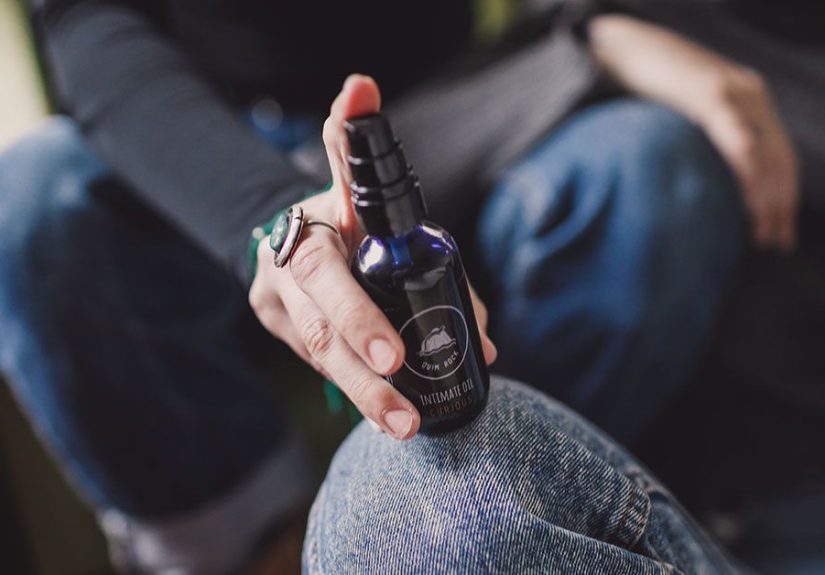
Cannabis-infused lubricants (often CBD, sometimes THC, sometimes both) are marketed as everything from a smoother glide to a calmer pelvic floor to a “down there” moisturizer that solves dryness, discomfort, and the general audacity of aging hormones. That’s a big promise for something that usually comes in a bottle smaller than a travel-size shampoo.
This article breaks down what cannabis lube is, what the science suggests (and what it doesn’t), how to use it safely, and how to decide whether it’s a fun upgrade, a helpful tool, or just another product that belongs in the “cute idea, not for me” drawer.
What Is Cannabis Lube, Exactly?
Cannabis lube is a personal lubricant that includes cannabinoidsmost commonly CBD (cannabidiol) and/or THC (tetrahydrocannabinol)blended into a standard lubricant base (water-based, silicone-based, oil-based, or hybrid).
CBD vs. THC in lubricants
- CBD lubes are often positioned around comfortsoothing dryness, calming irritation, and supporting relaxation. They’re also widely available because hemp-derived CBD is common in the U.S. marketplace, even though regulation is complicated.
- THC lubes are more likely to be sold through regulated cannabis markets in states where THC is legal. They’re frequently marketed for sensation, relaxation, and pelvic comfort.
Lube vs. vaginal moisturizer (important!)
A lubricant is meant to reduce friction during sexual activity. A vaginal moisturizer is used more regularly (like every couple of days) to support ongoing hydration and comfort. Some cannabis lubes feel “moisturizing” because they’re oil-rich, but that doesn’t automatically make them true vaginal moisturizers in the medical sense.
Why People Try Cannabis Lube
Most people don’t wake up thinking, “You know what my grocery list needs? Cannabinoids.” They try cannabis lube because of a very human trio: dryness, discomfort, and curiosity.
Common reasons
- Vaginal dryness from menopause, postpartum changes, breastfeeding, certain medications, or stress.
- Pain with penetration (for example, vulvodynia or vestibulodyniaconditions that can cause burning or stinging pain around the vulva/vaginal opening).
- Pelvic tension where muscles “guard” and make intimacy uncomfortable.
- “I want sex to feel easier”less friction, fewer micro-irritations, more comfort.
- Marketing hypebecause the internet loves a miracle product, especially if it’s trendy.
There’s also a biology angle: the body has an endocannabinoid system with receptors in many tissues. That fact gets brought up a lot in cannabinoid marketing. But having receptors doesn’t automatically prove a specific product will be a miracle for everyone. (If it did, my phone would have receptors for “stop scrolling at midnight.”)
What the Evidence Suggests (and What It Doesn’t)
Here’s the honest middle ground: there is emerging research on topical cannabinoids for pain and inflammation, and there are studies exploring vulvar pain conditions where a topical cannabinoid formulation may help some symptoms. But there’s not definitive evidence that cannabis lube reliably boosts libido, guarantees orgasms, or works as a universal cure-all for vaginal discomfort.
Where research is promising
Some clinical research has investigated topical CBD-based gels applied to vulvar tissue in the context of vestibulodynia (a common form of vulvodynia involving pain at the vaginal opening). In at least one randomized, controlled study design, symptom improvements (like pain and dyspareunia) were reported in the active-treatment group compared with placebo. That’s encouragingand it supports the idea that topicals may play a role for certain pain patterns.
Where the evidence is still thin
- “Sex benefits” claims: Many articles and clinicians note there’s no conclusive evidence that cannabis lube consistently increases arousal, intensifies orgasms, or treats sexual dysfunction in general.
- Product quality and labeling: CBD products in the U.S. vary widely in purity, dosing accuracy, and additives. Some products are poorly labeled, and contamination or unexpected THC has been reported in broader CBD markets.
- Long-term vaginal health outcomes: Research on how specific cannabinoid formulations affect vaginal tissue over time (pH balance, microbiome, irritation risk) is limited.
So if a cannabis lube helps, it may be because it’s a good lube base, it supports relaxation, it reduces discomfort for certain users, or it fits well into a broader plan (moisturizers, pelvic floor therapy, hormone treatment for GSM, etc.). The magic might be real for somebut it’s not automatic, and it’s not one-size-fits-all.
Safety First: A Practical Checklist
This is the part where the vibe shifts from “ooh interesting” to “please don’t melt your latex condom.”
1) Check condom compatibility
Oil-based lubes can weaken latex condoms. Many cannabis lubes (especially CBD lubes) are oil-based. If you rely on condoms to prevent pregnancy or reduce STI risk, choose a water-based or silicone-based option labeled condom-safe.
2) Avoid common irritants if you’re sensitive
Vulvar tissue can be picky. If you’re prone to irritation or yeast infections, consider avoiding products with heavy fragrance, “warming” agents, numbing ingredients, or a long list of preservatives. Fewer ingredients is often kinder.
3) Do a patch test (yes, even for lube)
Try a small amount externally first. If you notice burning, itching, swelling, or persistent irritation, stop and switch products.
4) Don’t treat infections or unexplained pain with lube
If you have unusual discharge, odor, bleeding, fever, new pelvic pain, or urinary burning, get checked. A lubricantcannabis-infused or notwon’t address bacterial vaginosis, yeast infections, STIs, or skin conditions that can mimic “dryness.”
5) Pregnancy and breastfeeding: extra caution
Major medical organizations advise against cannabis use during pregnancy and lactation. If you’re pregnant, trying to conceive, or breastfeeding, talk with your clinician before using cannabinoid productseven topicals.
How to Choose a Cannabis Lube That’s Worth Trying
Think of this like dating: flashy packaging is cute, but you need compatibility and honesty.
Look for these basics
- Clear labeling of CBD/THC amount per bottle (and ideally per serving).
- Third-party testing (often called a COAcertificate of analysis) to confirm cannabinoid content and screen for contaminants.
- Base type you can actually use:
- Water-based: condom- and toy-friendly, easy cleanup, may dry faster.
- Silicone-based: long-lasting, condom-safe, but may not play nicely with silicone toys.
- Oil-based: very slick and “moisturizing” feeling, but not latex-condom safe and can be messier.
- Minimal irritants if you’re sensitive (skip strong fragrances and gimmicky additives).
CBD-only or THC-inclusive?
If your main goal is comfort and hydration-feel, many people start with CBD-only. If you’re in a state with legal THC and you’re curious about a stronger relaxation/sensation effect, a THC-inclusive product may be marketed for thatbut start low and be mindful that mucous membranes may absorb compounds differently than typical skin.
How to Use Cannabis Lube (Without Turning It Into a Science Fair)
Step-by-step
- Read the label for condom/toy compatibility and any timing suggestions.
- Start smalla little goes a long way, especially with oil-based formulas.
- Apply externally first (vulva and surrounding tissue). If the product is intended for internal use, follow directions carefully.
- Wait a bit if recommended. Some users report a “warming/relaxing” sensation after 10–30 minutes, but this varies widely.
- Add more only if needed. Comfort is the goal; over-application can feel messy or cause slipping when you didn’t want a physics lesson.
- Aftercare matters: If you’re sensitive, gently clean up with warm water after. Avoid harsh soaps.
Pro-tip: If dryness is an ongoing issue, consider pairing an occasional lube with a regular vaginal moisturizer schedule, especially in menopause-related genitourinary syndrome (GSM). You’re not “failing at lubrication”your tissue may simply need consistent support.
When “Dryness” Is Actually a Bigger Story
Sometimes dryness is just dryness. Sometimes it’s a clue.
Common contributors worth considering
- Menopause/GSM: Lower estrogen can thin tissues and reduce natural lubrication, causing dryness and pain.
- Postpartum and breastfeeding: Hormonal shifts can temporarily reduce lubrication.
- Medications: Some antidepressants, antihistamines, and acne meds can contribute to dryness.
- Vulvodynia/vestibulodynia: Pain conditions that can make penetration painful and cause burning/stinging sensations.
- Skin conditions (like dermatitis) or recurrent infections that mimic dryness.
If symptoms persist, a clinician can discuss evidence-based options: non-hormonal moisturizers, pelvic floor physical therapy, prescription treatments, and (when appropriate) local estrogen therapies for GSM. Cannabis lube can be a comfort tool, but it shouldn’t be the only tool if pain is ongoing.
Can Cannabis Lube Be a “Cure-All Moisturizer”?
Let’s translate the hype into reality:
- Could it help friction-related discomfort? Yesif it’s a well-formulated lube and your body likes it.
- Could it feel soothing? Possiblyespecially for people who experience tension, mild irritation, or discomfort that responds to relaxation.
- Does it replace a true vaginal moisturizer or medical treatment? Not usually.
- Is it guaranteed to fix pain, dryness, libido, orgasms, and your inbox? No. (And if it did, it would cost more than your rent.)
The healthiest way to think about cannabis lube is as a comfort-focused add-onone that may be helpful for some people, especially when chosen carefully and used safely.
Experience Addendum: A Diary-Style “First Try” (Illustrative, Not Medical Advice)
Important note: I’m not a human who can literally test products. The “experience” below is a realistic, diary-style vignette based on commonly reported user experiences, typical product instructions, and sexual health guidance. Use it as a preview of what to pay attention tonot a promise of results.
Day 1: The label-reading era begins
I expected to twist a cap and call it a day. Instead, I learned that “cannabis lube” is a whole ecosystem. Water-based, silicone-based, oil-based, CBD-only, CBD+THC, “full spectrum,” “broad spectrum,” and one bottle that sounded like it was named by a poet who just discovered velvet.
The biggest reality check: some formulas are oil-based, which matters if condoms are part of the plan. That single detail turned my shopping mindset from “fun experiment” into “adult who owns a calendar and understands consequences.”
Day 3: Small amount, external first
I went with a tiny, external patch test. Within minutes, nothing dramatic happenedwhich was oddly reassuring. No burning, no itching, no “why is my body yelling at me.” Just a slick feel and mild softening, like a well-made lubricant should provide.
Day 5: Timing is everything (and so is communication)
Some people apply cannabis lube and expect instant fireworks. But if a product suggests waiting 10–30 minutes, it’s probably not kidding. The most noticeable “benefit” in this vignette isn’t a cartoonish sensation boostit’s a gradual ease: less tension, less bracing, fewer “hold on, give me a second” moments.
Also: talking about it helped. Framing it as “comfort support” instead of “performance enhancement” kept expectations sane and the mood playful.
Day 7: The dryness test
For dryness, the biggest difference was friction management. When tissue feels dry, the body can interpret friction as irritation fast. With a good lube base, things stayed comfortable longer. The cannabis angle felt secondarymore like a background helper than the main character.
Day 10: The surprising downsidemess and logistics
Oil-based formulas (common in CBD products) can feel lush and “moisturizer-like,” but they can also be messy. Think: towels, cleanup, and the sudden realization that your favorite sheets did nothing to deserve this. Water-based is easier to manage; silicone-based is longer lasting but has toy-compatibility considerations.
Day 12: What I’d do differently
- I’d choose the base (water/silicone/oil) first, cannabinoids second.
- I’d avoid fragrance-heavy “boutique” formulas and stick to simpler ingredients.
- I’d treat it like skincare: patch test, go slow, and stop if irritation shows up.
Day 14: The “cure-all” verdict
Calling it a “cure-all moisturizer” is catchybut the reality is more grounded. The best-case outcome is that it becomes a reliable comfort tool: less friction, less anxiety about dryness, and a more relaxed experience overall. The not-best-case outcome is irritation or disappointment, which is why product choice and safety rules matter more than hype.
If I were advising a friend, I’d say: treat cannabis lube as a thoughtful upgrade, not a miracle. If pain is persistent, get checked. If dryness is frequent, consider a regular moisturizer routine. And if you try cannabis lube, pick a reputable product and let comfortnot marketinglead the way.
Conclusion
Cannabis lube can be a genuinely helpful option for some peopleespecially those dealing with dryness-related friction, tension, or discomfortwhen it’s chosen carefully and used safely. The science around topical cannabinoids for vulvar pain is evolving, and while early signals are interesting, most “guaranteed pleasure” claims still outpace the evidence. Your best approach is practical: match the lube base to your needs, verify quality, avoid irritants, and involve a clinician when symptoms are persistent or severe.