Table of Contents >> Show >> Hide
If you’ve ever crushed a late-night pizza, washed it down with soda, then wondered
why you’re wide awake at 2 a.m. staring at the ceiling fan like it’s a Netflix show,
you’ve already experienced the food–sleep connection in real time.
Sleep isn’t just about your mattress, blackout curtains, and whether your neighbor
owns a very vocal dog. What you eat all day (and especially in the evening) sends
powerful signals to your brain, hormones, and internal clock. Those signals can
either roll out a red carpet for deep, restorative sleepor throw a rave in your
nervous system just as you’re trying to doze off.
Researchers have found that diet quality, specific nutrients, and meal timing are
all linked to how long you sleep, how quickly you fall asleep, and how refreshed you
feel in the morning. Diets high in sugar and saturated fat and low in fiber are
consistently associated with lighter, more disrupted sleep. Meanwhile, eating more
fruits, vegetables, whole grains, and certain sleep-supporting nutrients is tied to
better sleep quality and duration.
The Two-Way Street Between Diet and Sleep
Think of sleep and diet as that couple who claim they’re “just friends” but are
clearly influencing each other’s lives. Poor sleep makes you crave more ultra-processed
comfort food and sugary snacks the next day. In turn, those choices can lead to
worse sleep the following nighta cycle that’s as hard to escape as the
“Recommended For You” section on a streaming service.
Studies show:
-
People who eat diets heavy in saturated fat and added sugars tend to experience
lighter, less restorative sleep with more nighttime awakenings. -
Diets richer in fiber, fruits, vegetables, legumes, and whole grains are linked
with better sleep quality and fewer insomnia symptoms. -
Mediterranean-style eating patternslots of plant foods, olive oil, fish, nuts,
and minimal ultra-processed foodsare consistently associated with healthier sleep
duration and quality.
On top of that, what and when you eat can nudge your internal clock, or circadian
rhythm. Food acts as a “time cue,” telling your body when to be alert and when to
wind down. Late, heavy meals and irregular eating schedules can confuse that clock,
making it harder to fall asleep and stay asleep.
Key Nutrients and Foods That Help You Sleep
Tryptophan, Serotonin, and Melatonin: Your Sleep Chemistry Trio
Your brain doesn’t just magically produce sleepy vibes at 10:30 p.m. On the
biochemical level, it relies heavily on tryptophan, an essential
amino acid, to make serotonin (a feel-good neurotransmitter) and
melatonin (your main sleep hormone).
Foods rich in tryptophan include:
- Turkey and chicken
- Eggs and dairy (yogurt, cheese, milk)
- Tofu, tempeh, and other soy products
- Nuts and seeds (pumpkin seeds, almonds, sunflower seeds)
- Oats and whole grains
Diet patterns that provide more tryptophan and natural melatonin (from foods like
tart cherries, kiwifruit, grapes, and some nuts) are linked with better sleep
quality and longer sleep duration.
Complex Carbs and Fiber: Don’t Fear the Good Carbs
Carbs get dragged on social media, but the right kind of carbohydrates actually
help sleep. When you eat complex carbohydrateslike oats, brown
rice, quinoa, beans, and lentilsyour body can more effectively shuttle tryptophan
into the brain, where it’s turned into serotonin and melatonin.
Fiber is the real unsung hero here. Higher fiber intake is associated with deeper,
more stable sleep, while low fiber combined with high sugar and saturated fat
predicts lighter, more fragmented sleep.
Simple translation: a dinner of grilled salmon, brown rice, and veggies is much
more likely to support restful sleep than a drive-through milkshake and fries.
Your brain may not know the difference in the moment, but your sleep stages
absolutely will.
Magnesium, Potassium, and Antioxidants
Some nutrients are like your body’s built-in “chill” button:
-
Magnesium helps relax muscles and calm the nervous system and
appears to modulate melatonin. It’s found in leafy greens, nuts, seeds, whole
grains, and legumes. -
Potassium supports muscle relaxation and may help reduce night
cramps and micro-arousals. Bananas, potatoes, beans, and avocados are rich
sources. -
Antioxidants from colorful fruits and vegetables may protect
brain cells and sleep-regulating regions from oxidative stress and inflammation,
both of which can interfere with sleep.
Sleep-Friendly Snack Ideas
If you’re genuinely hungry at night (not just bored scrolling), a small,
balanced snack can actually help you sleep by preventing blood sugar
crashes:
- Plain Greek yogurt with a few berries and chopped walnuts
- A small bowl of oatmeal with sliced banana and a drizzle of nut butter
- Whole-grain crackers with hummus
- A kiwi or a handful of tart cherries with a spoonful of pumpkin seeds
The goal is something light (under ~200 calories), with a mix of complex carbs,
a little protein, and some healthy fatnot a seventh slice of leftover birthday cake.
Foods and Habits That Sabotage Sleep
Caffeine: Your Favorite Frenemy
Caffeine blocks adenosine, a brain chemical that builds up during the day to make
you sleepy. That’s great at 8 a.m. Not so great at 8 p.m.
Caffeine reaches peak levels in your blood within about an hour and has a half-life
of roughly 3–6 hours. That means the latte you down at 4 p.m. can still be hanging
around at bedtime. Studies show that evening caffeine can:
- Increase the time it takes to fall asleep
- Reduce total sleep time by 25–45 minutes
- Decrease deep (slow-wave) sleep and overall sleep efficiency
Even 100–200 mg of caffeine (about one strong coffee or two cups of tea) too close
to bedtime can measurably disrupt sleep. Many experts recommend cutting off
caffeine by early afternoonroughly 6–8 hours before you plan to go to bed.
Alcohol: Feels Relaxing, Sleeps Chaotic
Alcohol is tricky: it can make you feel drowsy and help you fall asleep faster, but
it breaks up your sleep later in the night. Moderate to higher intakes before bed
reduce REM sleep (the dream-heavy, memory-consolidating stage) and lead to more
awakenings and lighter sleep overall.
That’s why a “nightcap” often turns into a 3 a.m. “why am I awake again?” moment.
Over time, relying on alcohol to sleep can worsen insomnia, affect mood, and
increase the risk of sleep-related breathing problems.
High Sugar, Saturated Fat, and Ultra-Processed Foods
A diet heavy in sugary drinks, desserts, fast food, and fried items doesn’t just
show up in your blood workit shows up in your sleep architecture.
Research links high sugar and saturated fat intake with:
- Lighter sleep with fewer minutes in deep, restorative stages
- More nighttime awakenings and arousals
- Greater risk of insomnia symptoms and shorter sleep duration
Mechanically, these foods can spike blood sugar, trigger inflammation, and disrupt
neurotransmitters like serotonin and GABA that help regulate sleep and relaxation.
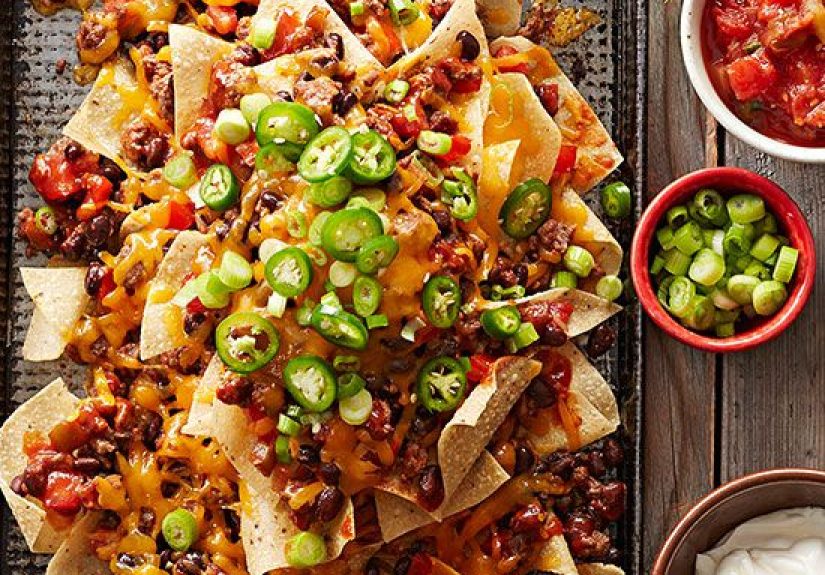
Heavy, Spicy, or Fatty Dinners and Acid Reflux
Ever eaten a giant greasy meal or very spicy food and felt that burning sensation
creeping up your chest right when you lay down? That’s acid reflux, and it’s a
sleep-wrecker.
Large, high-fat meals slow stomach emptying and increase the chances of reflux,
especially when you lie down soon after eating. Common triggers include fried
foods, fatty meats, tomato-based sauces, citrus, chocolate, mint, spicy dishes,
caffeine, and alcohol. Reflux symptoms are more likely to be worse at night and
can repeatedly wake you.
Many sleep and GI specialists suggest finishing your last main meal 2–3 hours
before bedtime and going easy on the spicy, acidic, or very fatty options in the
evening, especially if you already struggle with heartburn.
Night Eating Syndrome and Constant Grazing
For some people, nighttime eating goes beyond the occasional snack. Night eating
syndrome (NES) is a condition where a person eats a significant portion of their
daily calories after dinner or wakes up multiple times to eat, often feeling they
can’t get back to sleep without food. It’s associated with poor sleep, mood
symptoms, and weight gain and typically requires professional treatment.
Most people don’t have NES, but constant evening snackingespecially on high-sugar
foodscan still confuse hunger cues, disrupt circadian rhythms, and make it harder
to maintain consistent sleep and wake times.
Meal Timing: When You Eat Matters, Too
Welcome to the world of chrononutrition, where the timing of your
meals is almost as important as what’s on your plate. Your metabolism tends to be
more active earlier in the day and gradually slows down at night. Eating the bulk
of your calories earlier and keeping dinner lighter is associated with better
metabolic health and, in many cases, better sleep.
Practical guidelines many clinicians and dietitians suggest:
-
Aim for regular meal times: breakfast, lunch, and dinner spaced roughly
4–5 hours apart. -
Make breakfast and lunch your bigger meals when possible and keep dinner a bit
lighter. -
Try to finish dinner 2–3 hours before bedtime. If you’re still hungry later,
choose a small, sleep-supportive snack instead of another full meal.
This pattern supports both your body clock and digestion, making it easier to fall
asleep and stay asleep.
Putting It All Together: A Sleep-Smart Eating Pattern
You don’t need a perfect diet or a “sleep detox” to feel a difference. Small but
consistent changes can translate into better nights. Here’s what a typical
sleep-friendly day might look like:
Morning
-
Breakfast: Oatmeal cooked with milk, topped with berries and a
sprinkle of pumpkin seeds; coffee enjoyed with breakfast, not mid-afternoon.
Midday
-
Lunch: Big salad with mixed greens, chickpeas, colorful veggies,
olive oil dressing, and a side of whole-grain bread. - Optional snack: A piece of fruit with a handful of nuts.
Evening
-
Dinner (3–4 hours before bed): Baked salmon or tofu, brown rice
or quinoa, and roasted vegetables with olive oil. -
Optional snack (1–2 hours before bed): Small bowl of yogurt with
kiwi slices, or a banana with a spoonful of nut butter.
Meanwhile, you’re limiting caffeine after lunchtime, keeping alcohol moderate and
away from bedtime, and saying “maybe tomorrow” to heavy, spicy late-night meals.
Experiences: How Changing Food Changed Sleep
It’s one thing to read about nutrients and circadian rhythms; it’s another to feel
that 3 a.m. insomnia slowly disappear because you changed what’s on your plate.
Here are a few realistic, story-style examples that capture what many people report
once they line up their food with their sleep goals.
Case 1: The Afternoon Coffee Trap
Imagine someone who relies on a 4 p.m. iced coffee to push through emails. Bedtime
is technically 11 p.m., but their brain doesn’t get the memo until closer to 1
a.m. They often describe “tired but wired” eveningsheavy eyelids, racing mind.
After learning how long caffeine lingers in the system, they move their last
coffee to before 1 p.m. and switch to herbal tea later in the day. Within a week
or two, they notice something subtle but huge: falling asleep feels boring again
instead of like an Olympic sport. They’re still busy, still stressed, but the
artificial push from late caffeine is gone, and sleep comes faster and feels
deeper.
Case 2: The Late-Night Fridge Raider
Picture a shift worker who regularly eats dinner at 9:30 p.m., then raids the
fridge around midnight for sweet snacks because they feel strangely hungry again.
Nights are broken up with reflux, tossing and turning, and early alarms. When they
shift their scheduleeating a more substantial, balanced meal earlier in the
evening and keeping a small bowl of yogurt and fruit or whole-grain toast with
nut butter as a backup snackthe pattern changes. They still eat at night
sometimes, but it’s intentional, not chaotic. Their stomach feels calmer when they
lie down, reflux eases, and a full night of sleep slowly becomes the norm, not the
exception.
Case 3: The “Healthy but Wired” Eater
Then there’s the person who technically eats “healthy” but leans heavily on low-carb
dinners: grilled chicken on lettuce, maybe a few almonds, and that’s it. They go
to bed early, yet often wake up at 3 or 4 a.m., hungry and restless. Once they add
a serving of complex carbs and a bit more fiber at dinnersay, sweet potatoes,
brown rice, or quinoanighttime awakenings become less frequent. Blood sugar stays
more stable overnight, hunger signals quiet down, and sleep stretches into a full
7–8 hours more consistently.
Case 4: The Mediterranean Shift
Another common experience comes from people who gradually “Mediterranean-ize”
their routine: more vegetables, beans, olive oil, nuts, fish, and fewer ultra-processed,
fried, or fast-food meals. They don’t necessarily overhaul everything at once; they
start with small swapssoda to sparkling water, fries to a side salad, dessert to
fruit a few nights per week. Over months, they often report not just better sleep,
but steadier energy, easier mornings, and fewer mid-afternoon crashes. As sleep
improves, it gets easier to stick with these habits, creating a reinforcing loop
between good food and solid rest.
Case 5: The Spicy-Dinner Realization
Finally, consider someone who loves spicy food and late dinners. It’s almost a
personality trait. They enjoy their foodbut they also wake up several nights a
week with burning in their chest and a bitter taste in their mouth. Once they
experiment with moving their main meal earlier and keeping spicy or very acidic
dishes to lunch instead of dinner, they’re surprised by how dramatically their
nights change. They sleep longer stretches, wake up less, and feel more rested
even when total sleep time is the same. The difference isn’t more hours; it’s
better quality.
The common thread in all these scenarios isn’t perfection, but pattern. When people
line up the basicsmore whole foods, enough fiber and key nutrients, reasonable
caffeine and alcohol habits, and earlier, lighter dinnerssleep usually responds.
You don’t have to get it right every single day. But the more nights you give your
body a calm digestive system, stable blood sugar, and a brain that hasn’t been
caffeinated since late afternoon, the more likely it is that sleep will stop
feeling like a mystery and start feeling like a reliable friend.
SEO JSON