Table of Contents >> Show >> Hide
- Why Crepe Myrtle Works So Well in Real Landscapes
- Step 1: Pick the Right Size (This Prevents 90% of Future Regret)
- Step 2: Place It Where It Will Thrive (Sun Isn’t Optional)
- Step 3: Use Crepe Myrtle for Functional Landscape “Moves”
- Step 4: Pair Crepe Myrtle with the Right Plants
- Step 5: Plant It Correctly (Yes, the Hole Matters)
- Step 6: Prune Like a Pro (And Avoid “Crape Murder”)
- Step 7: Handle Common Problems Without Panic
- Design Examples You Can Steal (With Pride)
- Maintenance Calendar (A Simple Yearly Rhythm)
- of Real-Life Experiences and Lessons (So You Don’t Learn the Hard Way)
- Conclusion: A Beautiful Landscape That Works Hard (So You Don’t Have To)
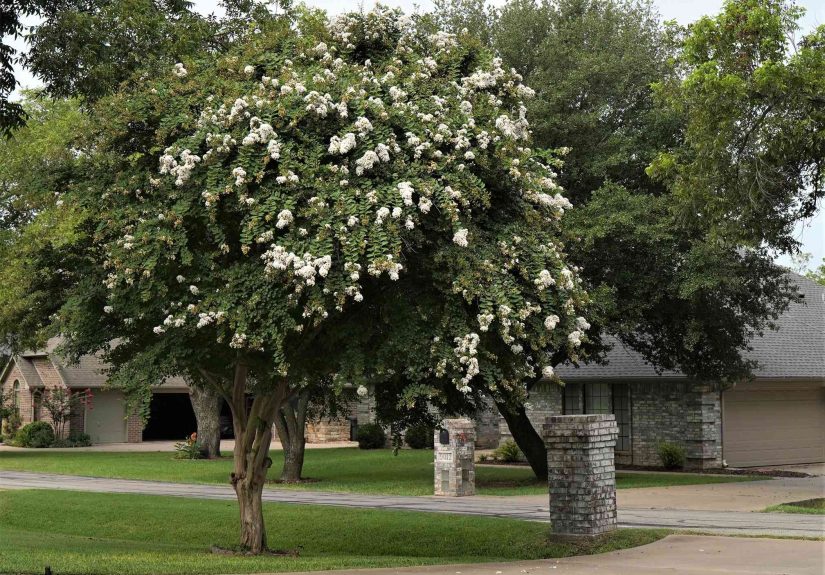
Crepe myrtle (also commonly spelled crape myrtle) is basically the overachiever of warm-climate landscaping:
showy summer flowers, attractive bark, nice fall color, and a shape that can swing from “tidy shrub” to “small shade tree.”
Done right, it’s not just prettyit’s practical. Done wrong… well, that’s how we end up with the seasonal horror story known as
“crape murder” (a.k.a. aggressive topping that makes trees look like they lost a fight with a hedge trimmer).
This guide walks you through choosing the right crepe myrtle, placing it like a landscape designer (not like someone playing plant roulette),
and caring for it so it stays healthy, blooms hard, and actually helps your yard work betterscreening, shading, defining spaces, and drawing pollinators.
Why Crepe Myrtle Works So Well in Real Landscapes
A “beautiful landscape” is nice. A functional landscape is nicerbecause it solves problems while looking good. Crepe myrtle can do both because it:
- Blooms on new growth, so smart pruning encourages fresh flowering instead of ruining it.
- Handles heat and sun like it’s built for summer (because it is).
- Comes in many sizes, from compact shrubs to 20+ foot small treesso you can match the plant to the job.
- Offers multi-season interest (flowers, bark, fall color), which keeps your yard from looking “meh” for nine months.
Step 1: Pick the Right Size (This Prevents 90% of Future Regret)
The biggest crepe myrtle mistake isn’t pests, or watering, or even pruning. It’s buying a plant because the tag photo looked cute
and then being shockedshockedthat it grew like a real tree with opinions.
Match Plant Size to the Job
- Dwarf to small forms: Best for foundation beds, low hedges, and containers.
- Medium forms: Great as accents, small patio trees, or “soft screens” that don’t feel like a wall.
- Tree forms: Ideal for shade, street-tree style planting, driveway framing, and anchoring a front yard.
Practical rule: choose a crepe myrtle that fits the space at maturity, not one that “might behave” if you keep cutting it back.
If you want a 10-foot plant, buy a 10-foot plant. If you buy a 25-foot plant for a 10-foot space, you’re basically signing up for
an annual pruning drama series.
Step 2: Place It Where It Will Thrive (Sun Isn’t Optional)
If crepe myrtle had a dating profile, it would say: “Needs full sun. Will ghost you in shade.”
For strong bloom and fewer disease issues, plan on at least 6 hours of direct sun dailymore is better.
Good air circulation also matters, especially in humid areas.
Site Checklist
- Sun: Full sun for best flowering and sturdier branching.
- Soil: Well-drained is the goal. It can tolerate a range of soils, but it hates “wet feet.”
- Space: Give it room for its mature width so air and light can reach the interior branches.
- Winter exposure: In colder edge zones, a protected spot and mulch help reduce stress.
Step 3: Use Crepe Myrtle for Functional Landscape “Moves”
Here’s where crepe myrtle stops being “a pretty plant” and starts acting like a design tool. Below are practical ways to use iteach one
with a clear purpose.
1) Create a Focal Point That Doesn’t Quit
Need something that anchors your front yard or draws the eye from the street? A multi-trunk crepe myrtle works like a living sculpture:
summer flowers up top, and in many varieties, exfoliating bark that keeps looking interesting in winter.
Example: Place a medium-to-tree form crepe myrtle in an island bed with a simple understory:
evergreen shrubs for structure, and a ring of perennials or ornamental grasses for movement.
Keep the base open enough to show off trunks instead of hiding them behind a shrub pileup.
2) Frame a Driveway or Walkway (The “Welcome Home” Effect)
Plant crepe myrtles in a loose row to guide the eye and create a sense of arrival. This can be formal (even spacing, same variety)
or relaxed (slightly varied spacing and mixed colorsthough that’s harder to pull off without looking chaotic).
Pro tip: Choose varieties with similar mature height so you don’t get a “stair-step skyline” unless that’s your intentional aesthetic.
3) Make a Privacy Screen That Still Looks Like a Garden
Want privacy without a fortress wall of arborvitae? Crepe myrtle can create a soft screenfiltering views while still letting light through.
It’s especially useful along patios, pool areas, and side yards.
How: Use multiple plants spaced based on mature width, and prune for strong structure and airflow
(not for “perfect flat hedge” vibes unless you’re committed to regular shaping).
4) Shade a Patio Without Turning It Into a Cave
Crepe myrtle can provide dappled shadeenough to cool a sitting area while keeping the space bright.
That’s gold in hot climates where “full shade” can mean “mosquito lounge.”
Example: Place a tree-form crepe myrtle on the west or southwest side of a patio to reduce late-day heat.
Keep it far enough from structures so the mature canopy doesn’t fight your gutters.
5) Replace “Hard Edges” with Living Transitions
Crepe myrtles are excellent for smoothing awkward transitionslike where lawn meets a fence, or where a large blank wall needs softening.
A repeated rhythm of trunks and canopy breaks up long lines and makes the space feel intentional.
Step 4: Pair Crepe Myrtle with the Right Plants
Companion planting isn’t just about looks. It’s about matching sunlight, water needs, and maintenance styles so the whole bed behaves.
Because the best landscape is the one you don’t resent by July.
Easy Companion Planting Themes
- Pollinator-friendly: Salvia, coneflower, black-eyed Susan, catmint (sun-loving, long bloom seasons).
- Texture contrast: Ornamental grasses (like fountain grass alternatives suited to your region), sedges, or liriope.
- Evergreen structure: Boxwood alternatives, hollies, or other region-appropriate shrubs to keep winter interest.
- Heat-smart ground layer: Mulch plus drought-tolerant perennials reduces turf competition and watering needs.
Keep the base of multi-trunk crepe myrtles relatively open so you can appreciate the trunks and bark.
If you want a fuller shrub look, use a shrub-form variety rather than trying to “force” a tree-form into a bush.
Step 5: Plant It Correctly (Yes, the Hole Matters)
Crepe myrtles aren’t fussy divas, but they do appreciate competent planting. A common guideline is to dig a hole
about twice as wide as the root ball and roughly the same depthso roots can expand outward without sinking too deep.
Planting Basics That Pay Off for Years
- Plant in full sun with good drainage.
- Set the root ball so it isn’t buried too deep; avoid “volcano mulch” piled against the trunk.
- Water deeply after planting, then keep moisture consistent during the first growing season.
- Mulch helps regulate moisture and temperature, especially in hot summers and colder edge zones.
Step 6: Prune Like a Pro (And Avoid “Crape Murder”)
Crepe myrtle pruning should be more like editing a sentence than deleting the entire paragraph.
Many crepe myrtles need minimal pruningmostly removing dead wood, crossing branches, and excess suckers.
When to Prune
Late winter is commonly recommendedbefore spring growth really startsbecause crepe myrtle flowers form on new growth.
Pruning after vigorous spring growth begins can reduce blooms.
What to Remove (Lightly and Intentionally)
- Dead, damaged, or diseased wood
- Crossing/rubbing branches (they cause wounds and invite problems)
- Suckers at the base (unless you’re intentionally growing a thicket look)
- Overcrowded interior branches to improve airflow and reduce disease pressure
The Big “Don’t”
Avoid topping the tree (the practice often called “crape murder”). It can lead to weak shoots, ugly knuckles,
and an overall shape that looks like it’s trying to escape the yard. If a crepe myrtle is too tall for its location,
the real solution is usually planting a smaller varietyor relocating/replacing itrather than yearly hacking.
Step 7: Handle Common Problems Without Panic
Healthy crepe myrtles are fairly resilient, but a few issues pop up regularlyespecially in humid regions or in stressed plants.
The good news: most problems are manageable with smart placement, cultivar selection, and light maintenance.
Powdery Mildew
Powdery mildew shows up as a whitish coating, often when airflow is poor or shade creeps in.
The best prevention is full sun, good spacing, and choosing mildew-resistant varieties.
If growth becomes too dense, selectively thinning branches can improve airflow.
Aphids and Sooty Mold
Aphids can produce sticky honeydew, which can lead to dark sooty mold on leaves and surfaces below.
It looks dramatic, but it’s often more of a nuisance than a serious threat. Many beneficial insects are attracted to aphids,
and mild infestations can be tolerated. If it’s heavy, focus first on plant health and consider gentle, low-toxicity controls
that are labeled for ornamentals.
Crapemyrtle Bark Scale
Bark scale can cause heavy sooty mold and weaken the plant over time. You might notice pale, crusty or felt-like bumps on bark,
plus blackened surfaces from honeydew-related mold. Start with practical steps: prune out heavily infested branches when feasible,
improve overall vigor (sun, watering during establishment), and consult your local extension office or a certified arborist for
region-appropriate management options.
Design Examples You Can Steal (With Pride)
Example 1: The Small Front Yard “Wow” Plan
Goal: curb appeal + summer color + winter interest.
Plan: One medium crepe myrtle as a focal point, placed so the canopy doesn’t crowd the house. Underplant with:
a low evergreen border for structure, then a sweep of drought-tolerant perennials for long bloom. Keep mulch neat and leave trunk space open.
Example 2: The Patio Privacy “Soft Screen”
Goal: block neighbors without feeling boxed in.
Plan: A staggered row of shrub-to-medium crepe myrtles along the property line, spaced for mature width.
Add ornamental grasses and a few evergreen shrubs at the base for year-round presence. Prune lightly to maintain strong branching and airflow.
Example 3: Driveway Rhythm
Goal: a cohesive “arrival” feeling.
Plan: Repeat the same cultivar on both sides (or one side if space is limited).
Keep spacing consistent, and prune in late winter mainly for structure. Add low lighting and a clean-edged mulch bed to make it feel intentional.
Maintenance Calendar (A Simple Yearly Rhythm)
- Late winter: Light pruning (dead/crossing branches, thin if needed), remove suckers.
- Spring: Watch for new growth; keep watering consistent for newly planted trees.
- Summer: Enjoy blooms; deadhead selectively if you want to encourage rebloom on smaller plants.
- Fall: Appreciate fall color; keep mulch tidy; water during drought if the plant is still establishing.
- Winter: Let bark and structure shine; avoid unnecessary pruning once spring growth is near.
of Real-Life Experiences and Lessons (So You Don’t Learn the Hard Way)
Crepe myrtles are one of those plants that make people feel like “a landscaping genius”… right up until the first mistake shows up.
The good news is that most crepe myrtle lessons are easy to fixif you catch them early. Here are common real-world scenarios
homeowners and gardeners run into, plus what typically works.
1) “Mine barely blooms.” The most frequent culprit is shade. A crepe myrtle stuck in a spot that gets
filtered sun or afternoon-only light often grows leaves just fine but blooms like it’s on strike. When people move the plant
(or thin nearby trees so it truly gets sun), the difference can be dramatic by the next summer. The second culprit is “too much love”:
overly rich soil or heavy fertilizing can push leafy growth at the expense of flowers. A crepe myrtle doesn’t need to be spoiled
like a lawn; it needs sun and decent drainage.
2) “It grew way bigger than I expected.” This is the classic tag-photo trap. Many gardeners buy a small plant,
then feel betrayed when it matures exactly as it was always going to. The best “experience-based” fix is also the simplest:
pick varieties based on mature size and give them room. When someone plants a tree-form cultivar in a tight foundation bed,
the plant gets blamed for doing plant things. The landscape plan should take the blame instead.
3) “I topped it once and now it looks worse every year.” This is where the “crape murder” nickname becomes painfully accurate.
After topping, crepe myrtles often respond with fast, weak shoots that flop, crowd, and look messy. People then prune harder to “control it,”
which triggers more weak growth. The experience lesson: step back and switch to corrective pruningthinning and selecting strong branches over time.
It may take a couple seasons, but many plants can regain a graceful structure if you stop the cycle of hacking.
4) “My patio is covered in sticky stuff.” That’s usually honeydew from aphids, and the black film that can follow is sooty mold.
The practical approach most gardeners land on is: don’t panic. A healthy tree can tolerate mild infestations, and beneficial insects often show up.
If the mess is unacceptable (especially over cars or outdoor furniture), moving the “target zone” helps: place crepe myrtles away from driveways,
seating areas, and light-colored hardscapes. Sometimes the best pest solution is simply better placement.
5) “It looks great in summer but sad in winter.” This is usually a design layering issue, not a plant failure.
In real landscapes, crepe myrtle shines when it has partners: evergreens for winter structure, grasses for movement, and perennials for seasonal color.
When gardeners add a year-round backbone beneath or around the crepe myrtle, the entire yard stops feeling “off-season empty.”
In short, most crepe myrtle “problems” are really feedback from the landscape: not enough sun, not enough space, too much aggressive pruning,
or not enough supporting plants around it. Get those basics right, and crepe myrtle becomes one of the easiest, most rewarding plants to build around
a true workhorse that also happens to throw a summer-long party.
Conclusion: A Beautiful Landscape That Works Hard (So You Don’t Have To)
Crepe myrtle is at its best when you treat it like a design element, not a random flowering stick. Choose the right size, plant it in full sun,
give it air and space, prune with restraint, and pair it with plants that support year-round structure. Do that, and you’ll get a landscape feature
that’s colorful, durable, and functionalscreening, shading, framing, and anchoring your yard while still being the show-off of summer.