Table of Contents >> Show >> Hide
- What Is an Ingrown Toenail, Exactly?
- How to Tell if You Have an Ingrown Toenail
- Signs Your Ingrown Toenail May Be Infected
- What Does an Ingrown Toenail Look Like?
- Ingrown Toenail vs. Other Nail Problems
- What Causes an Ingrown Toenail?
- Who Is More Likely to Get One?
- When Can You Treat It at Home?
- When to See a Doctor for an Ingrown Toenail
- How to Prevent Ingrown Toenails
- Bottom Line
- Common Experiences People Have With an Ingrown Toenail
- SEO Tags
If your big toe has suddenly decided to become the main character in your life, there’s a decent chance an ingrown toenail is involved. One day your foot is minding its business, and the next day putting on socks feels like a personal attack. Glamorous? No. Common? Very.
An ingrown toenail happens when the side or corner of the nail grows into the surrounding skin instead of growing neatly over it. The result is a cranky toe that can become painful, swollen, red, and sometimes infected. The big toe is the usual troublemaker, although any toenail can join the chaos.
The good news is that many mild cases improve with smart home care. The less-fun news is that some cases need medical treatment, especially if there’s infection, worsening pain, diabetes, poor circulation, or numbness in the foot. Knowing how to spot the symptoms early can save you from a lot of limping, muttering, and awkward shoe choices.
Here’s how to tell if you have an ingrown toenail, what symptoms matter most, how to tell it apart from other nail problems, and when it’s time to stop playing toe detective and call a professional.
What Is an Ingrown Toenail, Exactly?
An ingrown toenail develops when the edge of the nail presses into or cuts into the skin beside it. That pressure irritates the area and triggers inflammation. If the skin breaks, bacteria can get in and create an infection. In some cases, the skin starts to grow over the edge of the nail, which turns a minor annoyance into a full-on “why does this tiny toe control my mood?” situation.
This problem is especially common on the big toe because it handles more pressure from walking, running, tight shoes, and everyday life in general. It also tends to show up more often in teens, young adults, athletes, and people whose shoes squeeze their toes like they’re trying to win a contest.
How to Tell if You Have an Ingrown Toenail
The easiest way to identify an ingrown toenail is to look at where the pain is coming from. If the discomfort sits along one side of the nail, especially near the corner, that’s your first big clue. This is not usually a whole-toe problem at the beginning. It starts as a very specific “right there, don’t touch that” kind of pain.
Common ingrown toenail symptoms
- Pain or tenderness along one or both sides of the toenail
- Redness around the nail edge
- Swelling where the nail meets the skin
- Skin that feels inflamed, puffy, or warm
- Discomfort that gets worse in shoes, especially snug ones
- A feeling that the nail corner is digging into the skin
At first, the pain may be mild. You might notice it only when pressing on the toe, walking fast, or wearing tighter shoes. Then it escalates. Suddenly your innocent little toe acts like it has strong opinions about loafers, sneakers, blankets, and gravity.
If you look closely, you may see the side of the nail disappearing into the skin rather than sitting above it. You may also notice that the skin next to the nail looks raised, irritated, or slightly shiny from swelling.
Signs Your Ingrown Toenail May Be Infected
A mildly ingrown toenail is annoying. An infected ingrown toenail is a different beast. Once bacteria get into broken skin, symptoms usually become more obvious, more painful, and much harder to ignore.
Symptoms of an infected ingrown toenail
- Throbbing or worsening pain
- More intense redness or darkening around the nail fold
- Noticeable swelling that does not calm down
- Pus, drainage, or other fluid coming from the side of the nail
- Warmth in the toe
- Skin that looks raw or overly moist
- Tender tissue growing over the nail edge
If your toe is swollen, very sore, and leaking pus, that’s not your body being dramatic. That’s your body filing a complaint. Infection raises the stakes because untreated cases can spread deeper into the surrounding tissue. In severe or chronic cases, the infection can lead to more serious complications.
What Does an Ingrown Toenail Look Like?
Visually, an ingrown toenail usually looks like the nail edge is buried in the skin. The surrounding area may appear red, puffy, tender, or slightly raised. In more advanced cases, the skin may overlap the corner of the nail, almost as if it is swallowing it. If infection is present, you may see yellowish drainage, crusting, or a moist red bump beside the nail.
Another giveaway is asymmetry. Compare the sore toe with the same toe on the other foot. If one side of the nail fold is clearly more swollen, red, or painful, an ingrown nail moves way up the suspect list.
Ingrown Toenail vs. Other Nail Problems
Not every sore or ugly toenail is ingrown. Sometimes the problem is fungus, trauma, or a skin infection around the nail. Knowing the difference can help you choose the right next step.
Ingrown toenail vs. nail fungus
Nail fungus usually changes the nail itself more than the skin beside it. Fungal nails often become thick, yellow, white, brown, brittle, crumbly, or lifted from the nail bed. An ingrown toenail, on the other hand, usually begins with pain, redness, and swelling along the side of the nail. So if your main issue is “this nail looks weird,” think fungus. If your main issue is “this corner hurts like crazy,” think ingrown nail.
Ingrown toenail vs. paronychia
Paronychia is an infection or inflammation of the skin around a nail. An ingrown toenail can cause paronychia, but paronychia can also happen after cuticle damage, irritation, or other injuries. If the skin surrounding the nail is infected, swollen, and tender, the two can overlap. In real life, people often discover the ingrown nail first and the paronychia second, like an unpleasant sequel no one asked for.
Ingrown toenail vs. a bruised toe
A bruised toe usually follows an obvious injury and may involve soreness across a broader area, dark discoloration under the nail, and pain that is not limited to one nail edge. An ingrown toenail tends to focus its misery on one side of the nail fold.
What Causes an Ingrown Toenail?
Ingrown toenails are common, but they are not random. Usually, one or more habits or physical factors are setting the stage.
Common causes
- Cutting toenails too short
- Rounding the corners instead of trimming straight across
- Wearing shoes that crowd the toes
- Toe injuries from stubbing, running, kicking, or repetitive pressure
- Naturally curved, thick, or unusually shaped nails
- Foot shape that causes extra pressure around the nail
- Poor trimming because the nails are thick or hard to reach
- Picking, tearing, or “digging out” the nail corners
There can also be a family pattern. Some people are just more likely to get ingrown nails because of how their nails or toes are shaped. It’s a pretty rude inheritance, but still an inheritance.
Who Is More Likely to Get One?
Anyone can get an ingrown toenail, but some people deal with them more often than others.
Higher-risk groups include:
- Teenagers and young adults
- Athletes, especially runners and soccer players
- People who wear tight or narrow shoes often
- People with very curved or thick toenails
- Older adults who have trouble trimming nails safely
- People with diabetes
- People with poor circulation or nerve damage in the feet
If you have diabetes, numbness, nerve damage, or reduced blood flow to your feet, do not assume a sore toe is “no big deal.” Small foot problems can become bigger medical problems faster in those situations.
When Can You Treat It at Home?
If your ingrown toenail is mild and there are no signs of infection, home care may help. The goal is simple: reduce swelling, keep the area clean, relieve pressure, and encourage the nail to grow in a better direction.
At-home care for a mild ingrown toenail
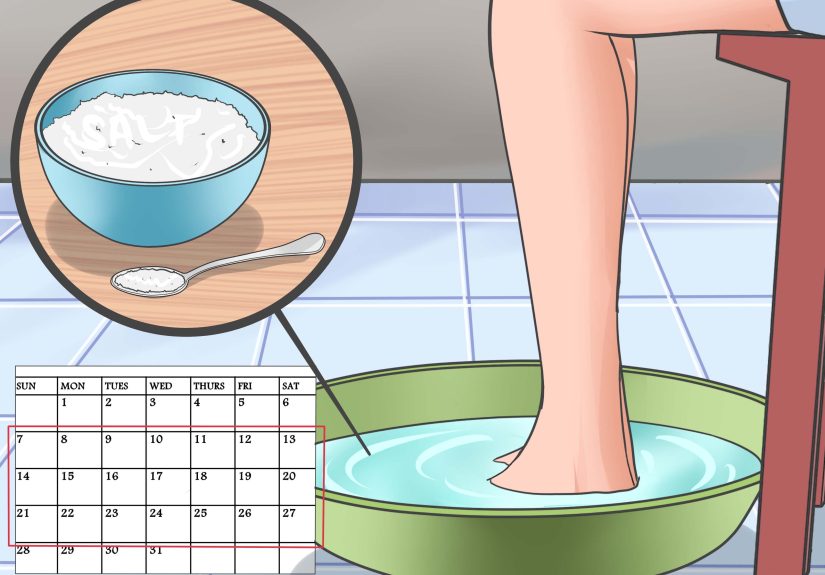
- Soak your foot in warm water for 10 to 20 minutes, several times a day
- Keep the toe clean and dry between soaks
- Wear sandals or roomy shoes with a wide toe box
- Use a bandage if the area is tender and exposed to friction
- Apply petroleum jelly or a topical product recommended by your clinician
- Consider over-the-counter pain relief if needed
- Only if advised or done carefully, place a tiny bit of clean cotton or dental floss under the nail edge after soaking
Important note: this is not an invitation to perform heroic bathroom surgery. Do not start carving at the nail corner with scissors, clippers, tweezers, or “a technique you saw online at 1:14 a.m.” That often makes things worse.
When to See a Doctor for an Ingrown Toenail
You should get medical care if the pain is severe, the redness is spreading, the toe is draining pus, or home treatment is not helping after a few days. You should also seek care sooner rather than later if the nail keeps coming back ingrown, because recurring cases may need a more permanent fix.
Get medical help right away if:
- You have pus, drainage, or obvious signs of infection
- The redness is spreading
- The pain is intense or getting worse
- You have diabetes
- You have poor circulation
- You have nerve damage or numbness in the feet
- You have a fever or feel generally unwell
- You cannot manage the nail safely at home
A doctor, podiatrist, or dermatologist can usually diagnose an ingrown toenail just by examining it. If the case is mild, they may guide you through conservative care. If it is more advanced, they may remove part of the nail edge. This is often called a partial nail avulsion. In recurring cases, a procedure may be used to prevent part of the nail from growing back the same troublesome way.
How to Prevent Ingrown Toenails
Prevention is not flashy, but it works. Most ingrown toenails are linked to pressure, trimming habits, or both.
Prevention tips that actually matter
- Trim toenails straight across
- Do not cut the corners deep
- Do not trim nails too short
- Use clean, sharp toenail clippers
- Wear shoes with enough room in the toe box
- Avoid repetitive toe trauma when possible
- Do not rip, tear, or pick at nail edges
- Check your feet regularly if you have diabetes or circulation issues
If your nails are thick, curved, or hard to trim, getting help from a podiatrist may be a lot smarter than trying to win a wrestling match with your own foot.
Bottom Line
So, how can you tell if you have an ingrown toenail? Start with the location and the pattern. Pain along the side of the toenail, redness, swelling, tenderness, and worsening discomfort in shoes are classic clues. If you also see pus, warmth, or spreading inflammation, infection may already be in the picture.
Mild cases sometimes improve with warm soaks, better footwear, and leaving the nail alone. But severe pain, drainage, repeated episodes, or underlying conditions like diabetes mean it’s time to see a medical professional. In other words: if your toe is simply irritated, respect it. If your toe looks like it’s staging a rebellion, get help.
Common Experiences People Have With an Ingrown Toenail
The following are realistic, experience-based examples that reflect how ingrown toenails commonly show up in everyday life.
One of the most common experiences starts with confusion, not panic. A person notices that one corner of the big toe feels sore when putting on sneakers. They assume the shoe is too tight, shrug it off, and keep going. Over the next few days, the discomfort becomes oddly specific. The pain is not in the whole toe, not under the nail, and not from a blister. It is right along the side of the nail, and every step makes that tiny corner feel louder. That “small but weirdly intense” pain is often the first real clue.
Another common experience happens to runners, walkers, and people on their feet all day. The toe starts feeling tender after exercise, especially in shoes that were fine last month but suddenly feel crowded. By evening, the nail fold looks puffy. By morning, it is red. Many people describe this stage as feeling like they have a splinter in the side of the toe. They keep checking the area because it seems too painful for something so small. Unfortunately, that’s classic ingrown toenail behavior: tiny area, dramatic attitude.
Teens and young adults often notice it after cutting nails too short or curving the edges to “make them look cleaner.” For a few days, everything seems normal. Then the corner begins pressing into the skin as the nail grows. The toe becomes sore in socks, then sore in shoes, then sore when a bedsheet touches it. At that point, many people try to dig out the corner themselves. This usually does not end well. Instead of solving the problem, it often irritates the tissue more and raises the risk of infection.
When infection enters the picture, people usually describe a shift from irritation to throbbing. The toe may feel hot, look shinier from swelling, and become much more sensitive. Some notice a little drainage on the sock or a damp spot beside the nail. Others see a red, tender bump that seems to rise up around the nail edge. This is the stage where many finally say, “Okay, this is no longer just annoying.” That instinct is usually correct.
People with diabetes, reduced circulation, or numbness in the feet may have a different experience. Sometimes there is less pain than expected, which can make the problem easier to underestimate. Instead of dramatic soreness, they may notice redness, swelling, drainage, or a wound that is not healing. That is one reason foot checks matter so much. An ingrown toenail can look minor but still need prompt medical attention in higher-risk individuals.
Older adults often have another version of the story: the nails get thicker, more curved, and harder to trim. Reaching the toes may also become more difficult. What starts as a basic grooming problem turns into repeated ingrown nails because trimming becomes awkward or imprecise. In those cases, professional nail care is not indulgent; it is practical prevention.
The most universal experience, though, is this: people are surprised by how much an ingrown toenail can hurt. It is small, yes. But it can absolutely wreck a walk, a workout, a workday, and your patience. The upside is that once you know the symptoms, you can catch it earlier and deal with it before your toe starts acting like a tiny, furious dictator.