Table of Contents >> Show >> Hide
- What Is Psyllium Husk, Exactly?
- Why People Take Psyllium Husk
- How to Take Psyllium Husk the Right Way
- How Much Psyllium Husk Should Beginners Take?
- How Much Water Do You Need?
- What to Expect During the First Week
- Common Beginner Mistakes to Avoid
- Who Should Talk to a Healthcare Professional First?
- Possible Side Effects
- A Simple Beginner Routine
- Beginner Experiences: What Real Life Often Feels Like
- Final Thoughts
- SEO Tags
If you have ever stood in the supplement aisle holding a tub of psyllium husk and wondering whether it belongs in your breakfast, your water bottle, or a science lab, you are not alone. Psyllium has a reputation for being helpful, affordable, and surprisingly effective, but it also has a reputation for turning into wallpaper paste if you hesitate for three seconds. Both things are true.
This beginner-friendly guide breaks down how to take psyllium husk safely, what it actually does, how much to start with, when to take it, what mistakes to avoid, and what your first week might realistically look like. The goal is simple: help you use psyllium husk without guesswork, panic, or an accidental mouthful of fiber cement.
What Is Psyllium Husk, Exactly?
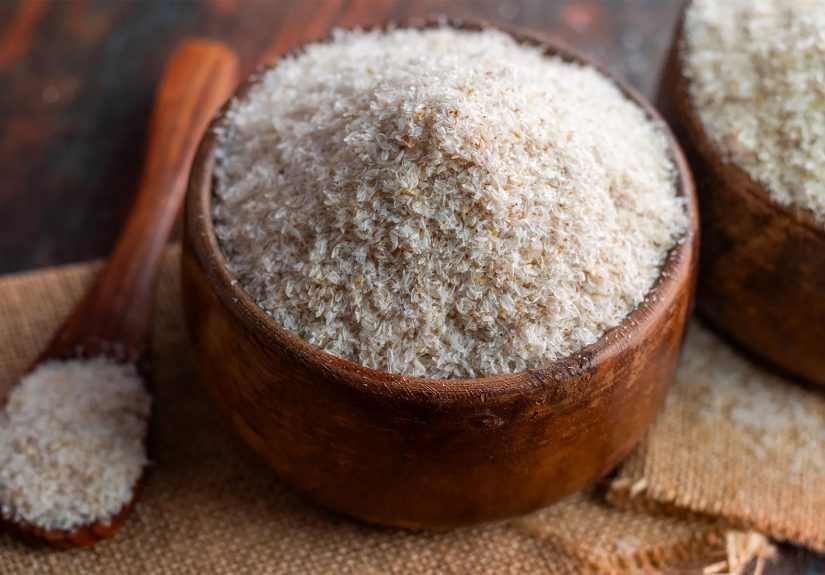
Psyllium husk is a soluble fiber made from the outer coating of psyllium seeds. When it meets liquid, it absorbs water and forms a gel-like texture. That is not glamorous, but it is the whole point. This gel adds bulk to stool, helps it stay softer, and can make bowel movements easier to pass. In some cases, psyllium may also help support healthier LDL cholesterol levels and improve fullness after meals.
Beginners usually meet psyllium in one of four forms: powder, coarse husk, capsules, or wafers. Powder and husk are the most common. Capsules are convenient if you dislike texture, while wafers can feel easier to use on busy days. No matter which form you choose, the basic rule stays the same: follow the product label and take it with enough liquid.
Why People Take Psyllium Husk
Most people start taking psyllium husk for one very unglamorous but very important reason: regularity. It is commonly used for occasional constipation because it draws water into the stool and makes it bulkier and easier to move through the intestines. Some people also use it when stools are too loose, because soluble fiber can help make them more formed.
That versatility is what makes psyllium interesting. It is not a stimulant laxative that tries to bully your intestines into action. Instead, it works more like a traffic manager, organizing the mess and helping things move in a more predictable way. That is why it often appeals to beginners looking for a gentler option.
How to Take Psyllium Husk the Right Way
1. Start lower than your ambition
The most common beginner mistake is starting with a heroic dose on day one. Psyllium may be simple, but your digestive system still needs time to adjust. A small starting amount is usually the smartest move. Many clinicians recommend beginning with about 1 teaspoon once daily, then increasing gradually if needed and if the product label allows it.
This slow approach matters because adding too much fiber too fast can leave you with gas, bloating, cramping, or the distinct feeling that your abdomen is rehearsing for a drum solo. Going slow is not boring. It is strategic.
2. Mix it with enough liquid
This is the non-negotiable rule. Psyllium husk must be taken with plenty of liquid. For many powders and granules, that means mixing a serving into at least 8 ounces of water or another beverage and drinking it promptly. If the mixture thickens before you finish it, add more liquid and stir again.
Why the urgency? Because psyllium starts doing its gel-forming job almost immediately. That is great in your digestive tract. Less great in a glass you forgot on the counter while checking one email and somehow ending up online for 27 minutes.
3. Follow the label, not internet folklore
Psyllium products are not all identical. One brand may define a serving as a rounded teaspoon, another as a rounded tablespoon, and capsules may require several pills per serving. Some labels allow up to three servings daily for adults. That does not mean every beginner should sprint straight to the maximum.
Use the package directions as your base map. If you are brand new, start with the lowest reasonable amount on that label or with your clinician’s recommendation, then increase only if your body tolerates it well.
4. Pick a time you can repeat consistently
There is no single magical time of day to take psyllium husk. Morning works well for people who like routines. Before or with a meal may feel easy for others. Some people prefer evening. The best time is the one you will actually remember and can pair with enough water.
That said, consistency helps. Taking psyllium at roughly the same time each day makes it easier to track how your body responds. It also reduces the classic beginner mystery of, “Was the bloating from the psyllium, the burrito, or the fact that I drank almost no water yesterday?”
5. Space it away from some medicines
Psyllium can affect how well some oral medicines are absorbed. That is why many labels and medical references recommend separating psyllium from certain medications. A simple beginner rule is to leave a gap of about two hours before or after other oral medicines unless your clinician or pharmacist gives you different instructions. Some references mention even longer spacing for specific drugs.
If you take prescription medications, especially for blood sugar, heart conditions, or anticoagulation, it is worth asking a pharmacist about timing. That small step can save you from turning a smart fiber habit into a scheduling puzzle later.
How Much Psyllium Husk Should Beginners Take?
There is no one-size-fits-all number because product strengths vary. For beginners, the practical answer is this: start with a small serving once daily, see how you feel for several days, and increase slowly only if needed. Many adults eventually use psyllium one to three times daily, but not everyone needs that much.
If your goal is simple constipation relief, start low and assess your response over several days. If your goal is broader daily fiber support, think of psyllium as part of your total fiber intake, not a replacement for fruits, vegetables, beans, oats, and whole grains. Supplements can help, but they do not bring along all the nutrients found in fiber-rich foods.
How Much Water Do You Need?
More than you think. Psyllium works by absorbing water, so hydration is part of the product, not a side note. If you increase fiber without increasing fluids, you may end up disappointed, uncomfortable, or both.
At minimum, use the amount of liquid listed on the label with each dose. Beyond that, aim to drink enough through the day so your body has the fluid needed for fiber to do its job well. People who are pregnant, very physically active, or living in hot climates may need to pay extra attention here.
What to Expect During the First Week
The first few days can be underwhelming. Psyllium is not usually dramatic. It often takes 12 to 72 hours to produce results for occasional constipation, and your body may need several days to adapt to the extra fiber. Minor bloating or extra gas can happen early on, especially if you started too high or forgot the water part of the assignment.
A reasonable beginner goal is not instant digestive perfection. It is progress: stools that are easier to pass, less straining, more predictable bathroom visits, and fewer days spent negotiating with your intestines like a hostage mediator.
Common Beginner Mistakes to Avoid
Taking too much too soon
More is not better on day one. Fiber is one of those rare wellness habits where modesty pays off.
Not drinking enough water
This is the biggest mistake and the most important safety issue. Psyllium without enough liquid can be uncomfortable and, in rare cases, dangerous.
Ignoring the product label
Teaspoon, tablespoon, packet, capsule count, and total fiber content vary by brand.
Using it as a substitute for food
Psyllium can support a healthy diet, but it should not replace naturally fiber-rich foods.
Expecting instant results
Your digestive tract is not a vending machine. Give the fiber time to work.
Who Should Talk to a Healthcare Professional First?
Psyllium husk is considered safe for many adults when used as directed, but it is not for everyone. Talk to a healthcare professional before using it if you have difficulty swallowing, a history of bowel obstruction, intestinal narrowing, unexplained rectal bleeding, sudden changes in bowel habits lasting more than two weeks, severe abdominal pain, significant nausea or vomiting, or if you are on a fluid restriction.
You should also check first if you take prescription medicines regularly, especially digoxin, nitrofurantoin, warfarin, diabetes medications, or other drugs where absorption timing matters. People with kidney disease, certain heart conditions, or special diet restrictions such as low sugar or low sodium may need product-specific guidance.
Possible Side Effects
The most common psyllium husk side effects are gas, bloating, abdominal fullness, mild cramping, or changes in bowel habits while your body adjusts. These are usually more annoying than dangerous and often improve when you start with a smaller amount.
Stop and get medical help right away if you develop trouble swallowing, difficulty breathing, chest pain, vomiting after taking it, rash, swelling, or signs of an allergic reaction. Those symptoms are not normal “fiber adjustment.” They are warning signs.
A Simple Beginner Routine
Here is a practical example for someone trying psyllium husk for occasional constipation:
- Choose one product and read the label completely.
- Start with a small dose once daily for three to four days.
- Mix powder with at least 8 ounces of water and drink it promptly.
- Drink extra fluids through the day.
- Take it at a consistent time, while keeping space from other oral medications.
- Increase gradually only if needed and only within label directions.
- Pair it with fiber-rich foods, regular movement, and bathroom patience.
That last one matters. Fiber works best as part of a bigger routine that includes food, fluids, and movement. Psyllium can help, but it is not meant to do all the heavy lifting while the rest of your habits stage a walkout.
Beginner Experiences: What Real Life Often Feels Like
For many beginners, the first experience with psyllium husk is surprisingly ordinary. You mix it, drink it fast, make a face because the texture is not exactly spa water, and then go on with your day. The real story usually unfolds over the next several days. Some people notice bowel movements become easier and more regular without much drama. Others feel slightly puffier at first and wonder whether they made a terrible mistake. Usually, that early adjustment period is less about the psyllium being “bad” and more about the body getting used to more fiber and, ideally, more water.
A very common beginner experience goes like this: day one feels uneventful, day two brings a little gas, day three feels better, and by the end of the week the bathroom situation is less stressful. That is especially true when people start with a small amount. The opposite pattern happens when someone takes a large serving right away because they want faster results. Then the review becomes, “It definitely worked on my schedule to ruin my afternoon.” Fiber rewards patience more than enthusiasm.
Another real-world experience is discovering that timing matters more than expected. Some beginners love taking psyllium in the morning because it creates a routine. Others prefer taking it with dinner because mornings are chaos and they do not trust themselves to remember anything before coffee. People on medications often realize they need a system, such as putting psyllium on the kitchen counter and medicine somewhere else, so the timing gap is easier to manage.
Texture is also part of the beginner journey. Some people do fine with powder in water. Others quickly decide that capsules are worth it because the drink feels too thick, too sandy, or too much like swallowing a science experiment. There is no prize for suffering through a format you hate. If one form makes consistency harder, choosing another can be the smartest move.
Many people also discover that psyllium works best when it joins a team. More water, more produce, more walking, and a less rushed bathroom routine all make a difference. Beginners who expect psyllium to fix everything while they continue living on coffee, cheese, and denial are often disappointed. The people who tend to have the best experience are the ones who treat it like one useful tool in a broader routine.
Finally, beginners often say the biggest surprise is how unexciting success looks. No fireworks. No cinematic transformation. Just less straining, more predictable digestion, and fewer days spent wondering whether their stomach is ignoring them on purpose. Honestly, that is a pretty great outcome. Digestive peace is not flashy, but once you have it, you notice.
Final Thoughts
If you are new to psyllium husk, keep the formula simple: start low, mix it with plenty of liquid, increase slowly, and give it time. Read the label. Stay hydrated. Keep it away from certain medicines when needed. And do not mistake “natural” for “anything goes.” Used correctly, psyllium husk can be a practical, beginner-friendly way to support regularity and increase fiber intake.
In other words, psyllium husk is not glamorous, but it is useful. And in the world of digestion, useful wins every time.