Table of Contents >> Show >> Hide
- 1) First, the Big Truth: Cockatoos Are a Lifestyle, Not a Pet
- 2) Housing: Bigger Is Better, and “Sturdy” Is Non-Negotiable
- 3) Diet: What to Feed a Cockatoo (and What to Never Feed)
- 4) Enrichment: The Difference Between “Pet” and “Prisoner”
- 5) Training: How to Build Manners Without Starting a Feud
- 6) Sleep and Hormones: The Underestimated Behavior “Hack”
- 7) Grooming and Feather Dust: Clean Bird, Cleaner Home
- 8) Health Care: Vet Visits, Early Warning Signs, and Emergencies
- 9) Common Cockatoo Problems (and What Actually Helps)
- 10) A Sample Daily Routine That Works in Real Life
- 11) Long-Term Planning: The Most Loving Thing You Can Do
- Conclusion: The “Happy Cockatoo Formula”
- Real-World Experiences: What Cockatoo Care Feels Like Day to Day (About )
Cockatoos are basically feathered toddlers with bolt cutters for faces and a PhD in “getting your attention.” They’re brilliant, emotional, hilariously goofy, andif you’re not preparedcapable of turning your peaceful home into a 7 a.m. scream concert with optional woodworking.
This guide walks you through real, practical cockatoo care: housing, diet, enrichment, training, safety, and health. The goal isn’t perfectionit’s building a routine that keeps your bird healthy, busy, and less likely to redecorate your baseboards with their beak.
1) First, the Big Truth: Cockatoos Are a Lifestyle, Not a Pet
Before we talk cages and veggies, you need the “cockatoo contract” in plain English: many cockatoos can live for decades, they’re loud, they’re clingy (“velcro birds”), and they require daily interaction and mental stimulation. If you want a quiet, low-maintenance companion, get a houseplant. (And even that will judge you.)
Quick reality check
- Time: Expect daily social time plus out-of-cage time. “Busy week” doesn’t mean your cockatoo gets put on pause.
- Noise: Cockatoos vocalize. Some individuals are louder than others, but silence is not part of the species package.
- Destruction: Chewing is normal. If you don’t provide safe things to destroy, they’ll improvise with your furniture.
- Mess: Many cockatoos produce feather dust (“powder down”). Cleaning is part of the relationship.
- Longevity: You may be caring for this bird through major life changesmoves, new jobs, kids, retirement.
If you’re still nodding along, great. That’s not sarcasmcockatoo people are a special, brave, slightly dusty tribe.
2) Housing: Bigger Is Better, and “Sturdy” Is Non-Negotiable
Your cockatoo’s cage is their bedroom, office, and sometimes their “I need alone time” studio apartment. It should be large, durable, and set up to encourage climbing and foraging.
Cage size and setup basics
- Go as large as you can: A cockatoo should be able to fully extend wings and move around without bumping into walls and bowls.
- Strong bars and locks: Many cockatoos are escape artists. If the door latches look easy, your bird will treat them like a puzzle.
- Bar spacing matters: Too wide is dangerous (head can get stuck). Too narrow can limit visibility and climbing comfort.
- Multiple perches: Use different diameters and textures (natural wood, rope, etc.) to support healthy feet.
- Food and water placement: Keep bowls away from favorite “bathroom perches” unless you enjoy changing water every 12 minutes.
Where the cage should live
Cockatoos are flock animals. Put the cage where the family spends time (living room, home office), not isolated in a quiet back room but avoid constant chaos, drafts, and kitchen fumes. A steady routine and a predictable “home base” reduce anxiety-driven screaming.
Out-of-cage time: the secret ingredient
A cage, even a big one, is not a complete lifestyle. Plan daily out-of-cage time in a safe area: climbing stands, play gyms, and “approved chewing stations” are your best friends. Think of it as giving your bird a job: explore, forage, shred, train, chillrepeat.
3) Diet: What to Feed a Cockatoo (and What to Never Feed)
Nutrition is one of the biggest drivers of long-term health in companion parrots. Many common problems in pet birds trace back to unbalanced dietsespecially seed-heavy diets that are high in fat and low in key nutrients.
A smart daily diet blueprint
- Quality pellets as the foundation: A balanced formulated diet helps prevent “selective eating,” where a bird picks only favorite bits.
- Vegetables every day: Dark leafy greens, orange veggies, and crunchy options (think: kale, collards, carrots, bell peppers, broccoli).
- Fruit in smaller amounts: Fruit is nutritious but sugaryoffer it like a side, not the main event.
- Nuts and seeds as training treats: Cockatoos love them, so use them strategically for rewards and foraging.
- Fresh water daily: Change it at least once a daymore if your cockatoo makes “soup.”
Make food do double duty: nutrition + enrichment
In the wild, parrots spend a big chunk of their day foraging. In captivity, food appears in a bowl like magicfun for exactly nobody. Hide pellets in paper cups, use foraging toys, skewer veggies, or scatter food in a clean foraging tray so your cockatoo has to work for it. A busy beak is often a calmer beak.
Foods to avoid (seriously, don’t “test it”)
- Avocado
- Chocolate
- Caffeine (coffee/tea/energy drinks)
- Alcohol
- Xylitol (common sweetener in “sugar-free” products)
- High-salt, high-fat human snacks (chips, fast food, heavily processed foods)
When in doubt, ask an avian veterinarian. “But my cousin’s bird ate a fry once and lived” is not a nutrition plan.
Switching from seeds to pellets without drama
Some cockatoos are seed loyalists and will act personally betrayed by pellets. Transition slowly: offer pellets consistently, mix textures, warm them slightly, or use pellets in foraging games. Track weight during diet changes and coordinate with an avian vetespecially if your bird is older or has existing health issues.
4) Enrichment: The Difference Between “Pet” and “Prisoner”
Cockatoos need enrichment the way phones need charging: continuously, or chaos happens. Without enough mental and physical outlets, many cockatoos develop screaming, feather damaging behavior, aggression, or anxious clinginess.
The five types of enrichment to rotate
- Nutritional: foraging puzzles, veggie “kabobs,” hidden treats
- Manipulative: toys that can be unscrewed, pulled apart, or opened
- Environmental: safe climbing structures, swings, varied perches
- Sensory: music, safe visual changes, new textures
- Social: training, talking, shared routines, supervised hangouts
Toys: yes, they should be destroyed
Many new owners buy one “pretty” toy and then feel sad when it’s obliterated in 48 hours. Destruction is enrichment. Provide shredder toys (paper, palm, cardboard), chewable wood blocks, and sturdy puzzle toys. Rotate toys weekly so your bird doesn’t get boredor obsessed with one toy like it’s a celebrity crush.
5) Training: How to Build Manners Without Starting a Feud
Training isn’t about making a cockatoo “obedient.” It’s about communication and cooperation. Positive reinforcement (rewarding the behavior you want) works far better than punishment, which can create fear and biting.
Start with three foundation skills
- Step-up: teaches safe handling and helps with transfers
- Target training: helps guide movement without grabbing
- Stationing: “go to your stand” builds independence and reduces clinginess
What about biting?
Biting is communication. Your job is to find the reason: fear, overstimulation, hormonal behavior, pain, or learned “this makes humans react.” Watch body languagepinned eyes, raised crest, tense posture, lungingand give space before the bite happens. Reward calm behavior and teach alternatives (step up, target, move to a station).
6) Sleep and Hormones: The Underestimated Behavior “Hack”
Many parrot behavior issues get worse when birds are overtired or hormonally ramped up. A consistent day/night schedule (often around 10–12 hours of darkness for many pet parrots) helps support calmer behavior.
Set up a solid sleep routine
- Dark and quiet: move the cage to a calm area at night or use a sleep cage if needed
- Consistent timing: same bedtime and wake time most days
- Minimal interruptions: avoid late-night TV next to the cage
Petting rules that prevent “spring fever” year-round
With many parrots, stroking the back or under wings can trigger sexual/hormonal behavior. Keep affection mostly to the head and neck to avoid accidental mixed signalsbecause nothing says “awkward” like realizing your bird thinks you’re their soulmate and now screams when you leave the room.
7) Grooming and Feather Dust: Clean Bird, Cleaner Home
Many cockatoos are “powder down” birds, meaning they produce a fine dust that helps maintain feather condition. It can also coat your furniture, irritate allergies, and make you question whether your vacuum has a union contract.
Practical dust management
- Regular bathing: many cockatoos enjoy showers, misting, or a shallow dish bath
- Air filtration: a quality HEPA air purifier can help in bird rooms
- Frequent wipe-downs: damp cloths work better than dry dusting (which just launches dust into the air)
- Healthy humidity: helps skin and feathers (and can reduce itchiness that contributes to feather problems)
Nail trims, wing trims (if used), and beak concerns should be handled with an avian vet or an experienced professional. Improper trimming can injure your bird and damage trust.
8) Health Care: Vet Visits, Early Warning Signs, and Emergencies
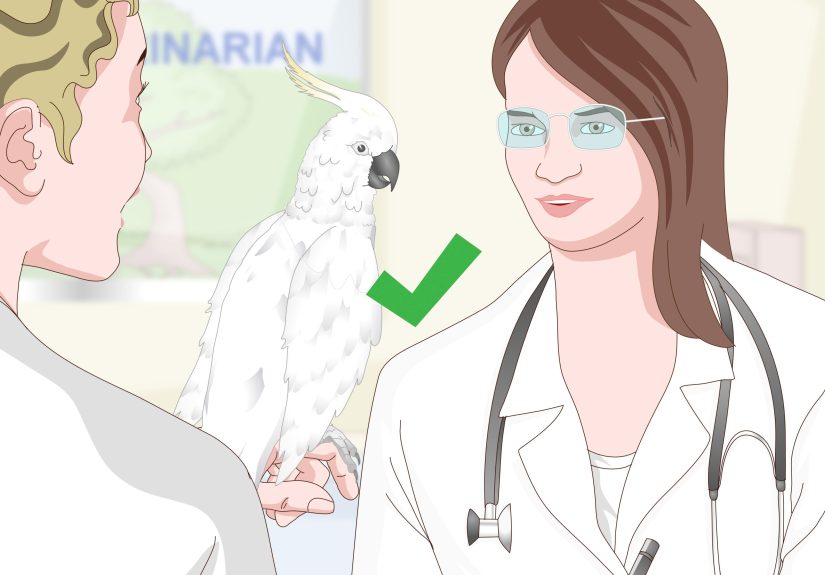
Find an avian veterinarian (not just a dog/cat clinic) before you ever need an emergency visit. Routine wellness exams help catch problems early, especially because birds instinctively hide illness.
Signs your cockatoo may be sick
- Fluffed feathers and lethargy
- Appetite changes or sudden weight loss
- Droppings that change dramatically in color, volume, or consistency
- Breathing changes: open-mouth breathing, tail bobbing, wheezing, or clicking sounds
- New aggression, withdrawal, or sitting low on the cage
If you see breathing distress or sudden weakness, treat it as urgent. Birds can decline quickly.
Household dangers that can kill birds fast
Cockatoos have extremely sensitive respiratory systems. One of the biggest preventable risks is exposure to fumes from overheated nonstick cookware or appliances made with PTFE/PFOA-type coatings. Strong smoke, aerosol sprays, scented candles, incense, and harsh cleaning chemicals are also risky.
Bird-proofing also means avoiding heavy-metal hazards (like lead or zinc) and preventing access to unsafe plants, small ingestible objects, and anything your cockatoo can chew into splinters.
9) Common Cockatoo Problems (and What Actually Helps)
Screaming
Cockatoos scream for reasons: boredom, separation anxiety, excitement, fear, or “you made coffee and didn’t share the moment.” Helpful strategies include:
- Increase enrichment: especially foraging and shredding opportunities
- Reinforce quiet: reward calm moments instead of reacting to screams
- Predictable routines: meals, training, and playtime at consistent times
- Independence training: teach your bird to station on a stand while you move around the house
Feather damaging behavior (plucking/overpreening)
This is complex and can involve medical, nutritional, environmental, and emotional factors. Start with a vet check to rule out illness or pain, then improve diet, sleep, humidity, and enrichment. Many birds benefit from structured daily routines and more foraging opportunities.
Destructive chewing
This is normal cockatoo behavior with inconvenient taste. Give your bird legal demolition zones: thick wood blocks, cardboard “construction projects,” palm shredders, and safe branches. If your bird is chewing the cage bars, upgrade enrichment and consider if the cage is too small or understimulating.
10) A Sample Daily Routine That Works in Real Life
Cockatoos thrive when the day has a rhythm. Here’s a practical structure you can adapt:
- Morning: fresh water + pellets + veggie mix, short training session, foraging toy setup
- Midday: out-of-cage time on a stand, shredding/chewing time, calm social interaction
- Afternoon: another enrichment rotation (puzzle toy, target training, supervised exploring)
- Evening: lighter snack, quiet family time, wind-down routine
- Night: consistent bedtime with darkness and minimal noise
The magic isn’t in a perfect scheduleit’s in consistency. Predictability reduces anxiety, and reduced anxiety reduces noise. (Not to zero, though. This is still a cockatoo, not a library assistant.)
11) Long-Term Planning: The Most Loving Thing You Can Do
Because cockatoos can live so long, responsible care includes planning for their future: identify a backup caregiver, keep a “care instructions” sheet, and consider what would happen if you became ill, moved, or had major life changes. Many rescues are full of parrots whose people loved thembut didn’t plan ahead.
Conclusion: The “Happy Cockatoo Formula”
Taking care of a cockatoo comes down to a few fundamentals: space, nutrition, safety, sleep, enrichment, and daily connection. When those needs are met, cockatoos can be affectionate, hilarious companions with big personalities and even bigger hearts. When those needs aren’t met… well, you’ll learn what 110 decibels sounds like.
Real-World Experiences: What Cockatoo Care Feels Like Day to Day (About )
Ask ten cockatoo guardians what it’s like, and you’ll get ten different storiesbut the same themes show up again and again: intense bonding, surprising intelligence, and a daily routine that looks a lot like “project management, but with feathers.”
One common experience is the morning announcement. Many cockatoos wake up ready to rally the flock. Guardians often learn that the best response isn’t to rush in shouting, “I’m coming!” (which can teach the bird that screaming works), but to build a predictable sequence: uncover cage, fresh water, breakfast, then a short training session. Over time, the bird begins to anticipate the routinereducing the urge to “call the meeting” at full volume.
Another recurring story: the power of a job. People often notice that days with real foraging and shredding are calmer. A cockatoo with a paper-wrapped treat puzzle, a stack of cardboard to dismantle, and a chunky wood toy to chew can spend a shocking amount of time focused and content. Guardians describe it like watching a kid with a brand-new LEGO set: absorbed, determined, and occasionally offended when a piece doesn’t cooperate.
Then there’s the “velcro bird” phase, which can be sweet and challenging at the same time. Many cockatoos prefer being near their personon a shoulder, a lap, or at least within eyesight. Guardians often find success by teaching “stationing” early: a designated perch where the bird earns rewards for staying calmly while the human cooks, answers emails, or walks around the room. The funny part? Once a cockatoo learns the routine, they can start “reminding” you that station time comes with paymentusually in the form of a tiny nut and enthusiastic praise.
Cockatoo homes also tend to share one universal truth: dust is real. New owners often don’t realize how quickly feather dust can collect on shelves, fan blades, and black clothing (especially black clothing). Many guardians adapt with HEPA filters, weekly wipe-down routines, and regular bird baths. Some birds love showers so much that “bath day” becomes a partycomplete with happy vocalizations that sound like a toy being squeezed… repeatedly… for ten minutes.
Finally, there’s the deeply rewarding side: the relationship milestones. Guardians talk about the first time their cockatoo steps up calmly without hesitation, the moment the bird chooses to play independently, or the day they solve a puzzle toy faster than expected. These wins are small but meaningful. They’re signs your bird feels safe, understood, and engagedexactly what good cockatoo care is supposed to create.