Table of Contents >> Show >> Hide
- Why Brown Sugar Clumps in the First Place
- The Non-Negotiable Rule: Airtight Storage
- The Secret Weapon: A Brown Sugar Saver (Terracotta Disk/Bear)
- Low-Tech Moisture Helpers: Marshmallows, Bread, and Apple Slices
- The Long-Term MVP: Freezing Brown Sugar
- Where People Go Wrong (So You Don’t)
- How to Soften Hardened Brown Sugar (Fast and Slow Methods)
- Does Brown Sugar Ever “Go Bad”?
- A Simple “Pick Your System” Guide
- FAQ: Brown Sugar Storage, Answered
- Real Kitchen Experiences: What Actually Works (and What Backfires)
- Conclusion: Your Brown Sugar Deserves Better Than a Lifetime as a Brick
Brown sugar has one job: show up soft, scoopable, and ready to make cookies taste like hugs.
Yet somehow it loves turning into a sticky brick the moment you need “just 1/2 cup, packed.”
(Packed is fine. Weaponized? Not so much.)
The good news: keeping brown sugar from clumping isn’t complicatedit’s mostly about
controlling air and moisture like you’re running a tiny, delicious climate-controlled warehouse.
Below you’ll find the most reliable storage setups, what to avoid, and the fastest ways to revive
hardened sugar without rage-quit baking.
Why Brown Sugar Clumps in the First Place
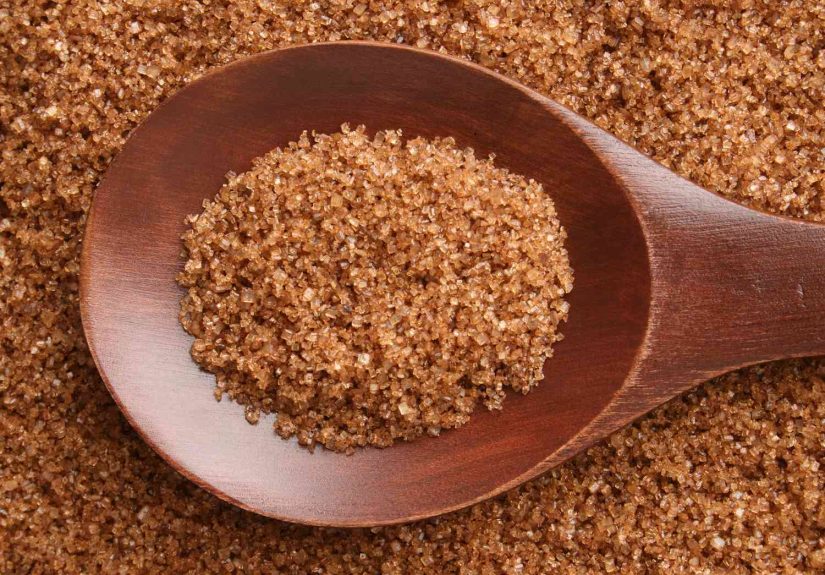
Brown sugar is basically white sugar crystals wearing a molasses coat. That molasses holds
moisture, which is why brown sugar starts out soft and “packable.” When brown sugar is exposed
to air, it slowly loses moisture; the molasses dries, and the crystals start gripping each other
like they’re afraid of heights. Result: clumps… then chunks… then a sugar boulder that could be
used as a doorstop.
So the mission is simple: slow down moisture loss and reduce airflow.
Everything else is just a helpful side quest.
The Non-Negotiable Rule: Airtight Storage
If you do only one thing, do this: move your brown sugar into a truly airtight container as soon
as you open it. Not “pretty jar with a lid,” but “I can’t smell the sugar through the container”
airtight.
What counts as airtight?
- Best: Containers with a gasket seal and locking or snug lids (food-storage bins, pop-top containers, deli-style polycarbonate containers).
- Very good: Glass canning jars with tight lids.
- Okay (short-term): Heavy-duty zip-top bags with as much air pressed out as possible.
How to pack it so it stays soft
- Break up any big clumps when the sugar is fresh (it’s easier now than later).
- Fill the container and press the sugar down lightly to reduce air pockets.
- Seal it tightly and store it in a cool, dry pantryaway from the stove, dishwasher steam, and sunny windows.
Bonus tip: if you keep brown sugar in a zip-top bag, press out the air, seal it, then place the
bag inside an airtight container. That “double seal” approach is boringly effectivelike wearing
both a belt and suspenders, but for dessert.
The Secret Weapon: A Brown Sugar Saver (Terracotta Disk/Bear)
If brown sugar had a best friend, it would be terracotta. A brown sugar saver is typically a
small terracotta disk (sometimes shaped like a bear because kitchen tools love drama). You soak
it in water, blot it dry, and store it with the sugar. The terracotta slowly releases moisture,
keeping the sugar from drying out.
How to use a terracotta saver correctly
- Soak the terracotta piece in water for about 15 minutes.
- Blot it welldamp is good; dripping is an invitation to mold.
- Place it in the container (or in a lid compartment if your container has one).
- Re-soak periodically based on your climate (dry winter homes need it more often than humid kitchens).
This method is popular for a reason: it’s tidy, reusable, and works for both prevention and
gentle re-softening over time. If you bake regularly, it’s one of the lowest-effort ways to keep
brown sugar soft month after month.
Low-Tech Moisture Helpers: Marshmallows, Bread, and Apple Slices
If you don’t have a terracotta saver, you can borrow moisture from other foods. These tricks are
easy and often work overnight, but they require a little common sense to avoid unwanted science
experiments.
Marshmallows (the “set it and forget it” option)
- Add 2–3 large marshmallows to your airtight container.
- They help maintain softness and can also slowly rehydrate mild clumping.
- Swap them out when they get stale or hard.
Bread slice (fast and effective, with one catch)
- Place one slice of bread on top of the sugar inside an airtight container.
- In about 8–24 hours, the sugar often softens noticeably.
- Watch for mold: replace the bread every few days and don’t use this method long-term without checking the container.
Apple slices (works quickly, best for emergencies)
- Add a couple of apple slices and seal the container.
- It can soften sugar in a few hours to overnight.
- Use short-term only; remove the fruit promptly to reduce mold risk.
Think of these as “weekend fixes,” not “forever storage.” If your kitchen is warm or humid, stick
to airtight containers and terracotta savers for long-term reliability.
The Long-Term MVP: Freezing Brown Sugar
If you only use brown sugar occasionally, the freezer is your best friend. Brown sugar can be
frozen in an airtight bag or container and stay usable for a long time. The key is to keep it
well sealed so it doesn’t pick up freezer odors or get condensation during thawing.
How to freeze brown sugar (without freezer funk)
- Portion it (optional): freeze in recipe-sized amounts if you bake intermittently.
- Put it in a heavy zip-top freezer bag and press out as much air as possible.
- For extra protection, place that bag inside a second bag or an airtight container.
- Label it (future you will be tired and grateful).
How to use it after freezing
- Let it sit at room temperature, sealed, for 20–30 minutes before measuring.
- If it’s firm, break off what you need and let only that portion warm slightly.
- Keep the container closed while it warms so condensation forms on the outside, not in the sugar.
This method is especially great if you buy in bulk or if your pantry swings between “desert-dry”
and “tropical sauna” depending on the season.
Where People Go Wrong (So You Don’t)
- Leaving it in the original bag, loosely folded: air sneaks in, moisture sneaks out, clumps move in like they pay rent.
- Storing near heat/steam: stoves and dishwashers create humidity swings that can wreck texture.
- Refrigerating “to keep it fresh”: fridges are humid and can cause condensation when you open and close containers.
- Over-wetting moisture helpers: a dripping terracotta disk or soggy bread increases mold risk.
How to Soften Hardened Brown Sugar (Fast and Slow Methods)
If your brown sugar has already turned into a brick, you’ve got options. Choose based on time:
“I need cookies in 10 minutes” versus “I can wait until tomorrow.”
Fast: Microwave + damp paper towel (best for small amounts)
- Put the amount you need in a microwave-safe bowl.
- Cover with a damp (not dripping) paper towel.
- Microwave in short bursts (10–20 seconds), breaking it up with a fork between bursts.
Important: microwave-softened sugar can firm up again as it cools, so soften only what you’ll
use right away.
Fast: Zip-top bag trick (quick knead method)
- Put clumpy sugar in a zip-top bag.
- Add just a tiny bit of water (think drops, not a splash).
- Press out air, seal, microwave briefly, then knead the bag until the sugar loosens.
This method is quick and surprisingly effective, but keep it controlledtoo much heat or water
can create melty spots that harden oddly later.
Medium: Low oven warm-up (good for larger amounts)
- Spread the sugar on a baking sheet.
- Warm it in a low oven (around 250°F), stirring occasionally.
- Remove before it melts; let cool, then store properly.
Slow: Bread, apple, marshmallows, or terracotta (best texture results)
Seal the sugar with one of the moisture helpers listed above and give it time. This is the most
“natural” way to restore softness because it gently rebalances moisture without cooking the sugar.
Bonus: Food processor (only if the sugar isn’t rock-hard)
A quick spin can break up clumps, but very hard sugar can stress or damage some machines. If the
sugar is truly brick-level, soften it a bit first using a moisture method.
Does Brown Sugar Ever “Go Bad”?
Brown sugar is very low-risk from a food-safety standpoint because sugar doesn’t play nicely with
bacteria. The bigger issue is quality: it can dry out, lose some aroma, and become difficult to
measure and dissolve evenly.
The main thing to watch for is excess moisture. If water gets into the container,
brown sugar can develop mold. Toss it if you see mold, smell something off, or notice wet, slimy,
or strangely sour clumps. Dry clumps are annoying, not dangerous; wet clumps are a warning sign.
A Simple “Pick Your System” Guide
| How Often You Use Brown Sugar | Best Storage Setup | Why It Works |
|---|---|---|
| Weekly | Airtight container + terracotta saver | Steady moisture support with minimal effort |
| Monthly | Double seal (zip bag pressed flat) inside an airtight container | Limits airflow and keeps texture stable |
| Rarely / seasonal baking | Freezer bag (air removed) + secondary container | Stops pantry drying and reduces waste |
FAQ: Brown Sugar Storage, Answered
Should I store brown sugar in glass or plastic?
Either is fine as long as the seal is excellent. Glass can be a bit better at blocking odors, but
a truly airtight plastic container works just as well in practice.
Is a brown sugar keeper worth it?
If you bake often, yes. A container designed for brown sugar plus a terracotta disk is one of the
most consistent “set it and forget it” solutions.
Why did my brown sugar clump even though I used a saver?
Most commonly: the container isn’t actually airtight, or the saver wasn’t re-soaked often enough
for your climate. Also, if the sugar started out dry, it may need an overnight reset first.
Can I keep brown sugar soft with rice like some people do for salt?
Rice helps absorb moisture, which is the opposite of what brown sugar needs. Brown sugar clumps
because it dries outso moisture-removing tricks usually aren’t helpful here.
Real Kitchen Experiences: What Actually Works (and What Backfires)
In real kitchens, brown sugar storage isn’t just “airtight container, the end.” It’s more like:
airtight container plus the reality of humidity, holiday baking marathons, and that one
family member who never fully closes anything. Here are a few common scenarios that explain why
some methods feel magical and others feel cursed.
Scenario 1: The Weekend Baker. Someone bakes cookies or banana bread every week,
so the container gets opened often. In this case, a terracotta saver tends to shine because it
quietly balances moisture in the background. The sugar stays consistently soft, and measuring is
predictableno surprise “half-cup” that’s actually a compressed brown sugar meteor. The biggest
lesson from this setup is that consistency matters: when the saver is re-soaked on schedule and
the lid is always sealed, brown sugar stays boringly well-behaved.
Scenario 2: The Holiday Chaos Kitchen. Around November and December, brown sugar
gets used for everything: cookies, glazes, candied nuts, sweet potatoes, and “just one more batch”
of something. During these weeks, quick-fix softening methods are a lifesaver. The microwave-and-
damp-paper-towel trick is popular because it gets sugar usable fastbut people often notice a
pattern: soften too much sugar at once, and it can firm up again before you finish mixing your
batter. The practical takeaway is simple: microwave only what you’ll use immediately, then go
back to long-term storage habits right after baking. Speed is great; speed plus prevention is
better.
Scenario 3: The “I Use It Once Every Two Months” Pantry. This is where brown sugar
turns into a brick most often. The issue isn’t that the sugar is rebellious; it’s that time is
undefeated. For occasional use, freezing is the most forgiving solution because it reduces
month-to-month drying and helps prevent waste. People who switch to freezer storage often report
the same win: the sugar stays closer to its original texture, and even if it firms slightly, it
breaks apart more easily than a pantry brick.
Scenario 4: Humid Summers and Surprise Condensation. In humid climates, the bigger
risk can flip from “dry clumps” to “too much moisture.” This is where bread and apple methods can
backfire if used carelessly for long periods. The sugar softens, surebut if a wet item sits too
long, you risk mold. Many experienced cooks treat these methods as short-term tools: rehydrate,
remove the helper, then store properly. It’s the difference between “soft sugar” and “a container
you open with fear.”
Scenario 5: The Container That Lies. Some containers look airtight but aren’t.
A lid that twists on smoothly can still leak air if it lacks a gasket. When people upgrade from
a “nice jar” to a truly gasketed container, they often notice a dramatic improvement with no
other changes. The experience here is a good reminder: brown sugar doesn’t need a complicated
ritualit needs a seal you can trust.
The most consistent “real life” formula ends up being:
airtight container + a moisture stabilizer (terracotta or marshmallows) + smart rescue methods.
Once those are in place, brown sugar stops being a clump lottery and goes back to being… sugar.
Soft, sweet, and ready to make your kitchen smell amazing on demand.
Conclusion: Your Brown Sugar Deserves Better Than a Lifetime as a Brick
If you want clump-free brown sugar, focus on the basics: keep it airtight, keep it away from heat
and humidity swings, and use a terracotta saver (or marshmallows) for steady moisture support.
Freeze it if you bake only once in a while. And if it hardens anyway, don’t panicsoftening it
is usually a few minutes (or one overnight reset) away.
The next time a recipe calls for “packed brown sugar,” you can pack it like a prowithout needing
a hammer, a chisel, or an emotional support spatula.