Table of Contents >> Show >> Hide
- Why Fish Smell Lingers in Fridges (A Quick, Useful Nerd Moment)
- Before You Start: What You’ll Need
- 14 Steps to Remove Fish Smell from a Refrigerator
- Step 1: Pull Everything Out (Yes, Everything)
- Step 2: Toss the True Offender
- Step 3: Unplug (If You Can) and Let It Warm Slightly
- Step 4: Remove Shelves, Drawers, and Bins
- Step 5: Wash Removable Parts with Hot Soapy Water
- Step 6: Wipe the Interior with Soap First (Don’t Skip This)
- Step 7: Attack Seams, Corners, and the Door Gasket
- Step 8: Use a Baking Soda Paste on Stubborn Spots
- Step 9: Follow with a Vinegar Wipe to Neutralize Funk
- Step 10: Don’t Forget the Drain Hole and Condensation Channel
- Step 11: Clean the Drip Pan (The Hidden Odor Basement)
- Step 12: Dry It Like You Mean It
- Step 13: Deodorize with the Right Absorber (Baking Soda or Charcoal)
- Step 14: Reassemble, Restock Smart, and Replace Filters if You Have Them
- If the Smell Still Won’t Leave: Quick Troubleshooting
- How to Prevent Fish Smell Next Time (So This Never Happens Again)
- Extra: Common Experiences and Lessons from Fish-Smell Fridge Battles (About )
You open the fridge for a peaceful snack… and get smacked in the face by “yesterday’s salmon” like it’s still actively auditioning for a seafood counter.
The good news: that fishy refrigerator smell isn’t forever. The bad news: it won’t leave just because you glare at it while holding a box of baking soda.
Fish odors are stubborn because the smell molecules can cling to plastic walls, rubber door gaskets, and hidden nooks (hello, mystery drip pan).
If fish juice leaked, even a tiny amount can soak into seams and corners and keep “releasing the hits” every time the door opens.
The fix is a two-part plan: remove the source (deep clean) and neutralize what’s left (deodorize correctly).
Why Fish Smell Lingers in Fridges (A Quick, Useful Nerd Moment)
“Fishy” odors often come from compounds that can cling to surfaces and re-volatilize when warmed by airflow.
Add moisture, a spill, and a closed space… and your fridge becomes a tiny odor terrarium. If the smell is strongest near the crisper drawers,
the door seal, or the bottom of the fridge, you’ve basically got a treasure map.
Before You Start: What You’ll Need
- Dish soap + warm water
- Microfiber cloths or clean rags + a sponge
- An old toothbrush (for gaskets and crevices)
- Baking soda
- White vinegar
- Optional but powerful: activated charcoal (bags or loose chunks in a bowl)
- Optional: coffee grounds (fresh or used, fully dry to avoid mildew)
- Trash bags + a cooler/ice (to hold food during cleaning)
Safety note: Never mix cleaning chemicals (especially bleach with vinegar or ammonia).
If you use any disinfectant beyond soap/vinegar/baking soda, follow the label and rinse food-contact surfaces thoroughly.
14 Steps to Remove Fish Smell from a Refrigerator
-
Step 1: Pull Everything Out (Yes, Everything)
Take all food out of the refrigerator and freezer compartments. Use a cooler for perishables.
You can’t clean around mystery containers and expect the smell to surrender. -
Step 2: Toss the True Offender
Throw out any fish that’s past its prime, opened sauces that smell “off,” and anything that absorbed the odor (uncovered butter, leftover rice, etc.).
If it smells like fish and it isn’t fish, it’s volunteering as tribute. -
Step 3: Unplug (If You Can) and Let It Warm Slightly
If practical, unplug the fridge for safer, easier cleaning and to reduce airflow pushing odor around.
You don’t need it room-tempjust not blasting cold air while you scrub. -
Step 4: Remove Shelves, Drawers, and Bins
Take out every removable part. Odors hide under drawers and along shelf edges where spills creep.
Let glass shelves come closer to room temperature before washing so they don’t crack. -
Step 5: Wash Removable Parts with Hot Soapy Water
In a sink or tub, wash shelves and drawers using dish soap and warm/hot water.
Rinse well and let them fully dry. Damp parts can trap smells and invite mildew. -
Step 6: Wipe the Interior with Soap First (Don’t Skip This)
Start with warm water + dish soap and wipe all interior surfaces: walls, ceiling, doors, and ledges.
Soap lifts greasy residueimportant because fish oils can hold odor like it’s their full-time job. -
Step 7: Attack Seams, Corners, and the Door Gasket
Use a toothbrush dipped in soapy water to scrub crevices and the rubber gasket around the door.
Pay attention to folds where drips collect. Wipe dry afterward. -
Step 8: Use a Baking Soda Paste on Stubborn Spots
Mix baking soda with a little water to form a paste. Spread it on any sticky area, stain, or “suspicious zone.”
Let it sit 10–15 minutes, then scrub gently and wipe clean.
Baking soda helps neutralize odors rather than just masking them. -
Step 9: Follow with a Vinegar Wipe to Neutralize Funk
Make a simple solution: equal parts white vinegar and warm water.
Wipe down the interior surfaces again (especially areas near the spill). Vinegar can help break down odor-causing residue.
Then wipe once more with clean water to remove vinegar smell if needed, and dry everything. -
Step 10: Don’t Forget the Drain Hole and Condensation Channel
Many refrigerators have a drain hole/channel where condensation exits. If fish liquid dripped and migrated,
odor can live there. Check your manual for location. Gently clean accessible areas with soapy water on a cloth
(or a cotton swab for tight spots). Avoid forcing anything sharp into drains. -
Step 11: Clean the Drip Pan (The Hidden Odor Basement)
The drip pan sits under many fridges and collects moisture. If it gets funky, your whole fridge can smell funky.
If your model allows removal, pull it out carefully, wash with warm soapy water, rinse, and dry completely before replacing.
If it’s not easily accessible, consult the owner’s manualor consider a technician if odor persists. -
Step 12: Dry It Like You Mean It
Odor loves moisture. After cleaning, dry all interior surfaces thoroughly with clean towels.
Leave the door open 10–20 minutes (as practical) to air out. -
Step 13: Deodorize with the Right Absorber (Baking Soda or Charcoal)
Now that the gunk is gone, bring in odor absorbers:
- Baking soda: Place an open box or a wide bowl inside. More exposed surface area works better than a tiny opening.
- Activated charcoal: Set a bowl or charcoal bags on a shelf (charcoal is especially good for stubborn odors).
- Coffee grounds (optional): A shallow bowl can help absorb odors, but keep it away from unwrapped foods unless you want your grapes to taste like a latte.
Close the door and let the absorber work at least 24 hours. For intense fish smell, give it 48–72 hours and refresh the absorber.
-
Step 14: Reassemble, Restock Smart, and Replace Filters if You Have Them
Put dry shelves/drawers back, plug the fridge in, and return food only after the odor is under control.
If your refrigerator has an air filter or deodorizer filter, replace it according to the manufacturer’s schedule.
Then store fish properly going forward (see prevention tips below).
If the Smell Still Won’t Leave: Quick Troubleshooting
-
You cleaned, but didn’t remove the source: Re-check crisper drawers, door bins, and the bottom ledge.
Fish liquids can migrate and hide. - The drip pan or drain is the culprit: If the odor is strongest near the bottom or behind the fridge, focus there.
- Something spoiled inside a package: Cardboard boxes and porous packaging can hold odortoss them.
- It smells “chemical” or “electrical” instead of fishy: Stop and get the fridge checked. That’s not a baking soda problem.
How to Prevent Fish Smell Next Time (So This Never Happens Again)
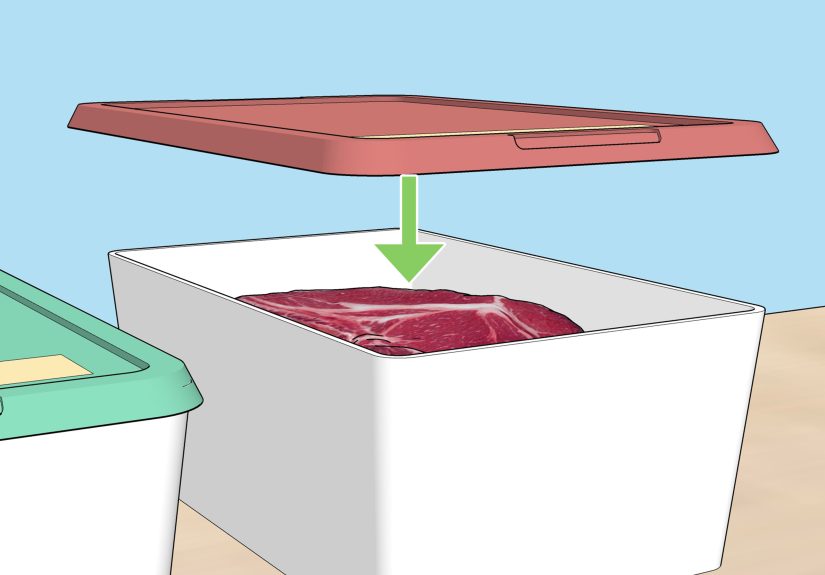
- Double-contain seafood: Put the fish in an airtight container, then place that container in a zip-top bag.
- Store on a tray: A rimmed plate or small pan catches drips before they become fridge folklore.
- Freeze if not cooking within 24 hours: Fresh fish is a short-timer. If plans change, freeze it.
- Clean spills immediately: Even a small leak can stink up plastic over time.
- Keep an odor absorber in place: Baking soda or charcoal can prevent “mystery smells” from building up.
- Don’t overpack: Good airflow helps temperature stability and reduces odor pockets.
Extra: Common Experiences and Lessons from Fish-Smell Fridge Battles (About )
People tend to discover a fishy refrigerator smell in one of three dramatic ways: (1) while grabbing milk for cereal,
(2) when guests are over and the fridge chooses that exact moment to embarrass you, or (3) during a midnight snack mission
where you expected peace and got a seafood jump scare.
One common scenario is the “sealed container illusion.” Someone stores fish in a plastic clamshell or takeout container and assumes it’s airtight.
It usually isn’t. A tiny gap in the lid, a corner that didn’t snap shut, or condensation that carries odor around the interior can do the trick.
The lesson people learn fast: airtight means actually airtightthink silicone-gasket containers or a tightly sealed bag inside a container.
Another classic is the “invisible spill.” Fish juice doesn’t always announce itself with a puddle.
It can run under drawers, sneak into a seam, and dry before anyone notices. Then, every time the fridge cycles air,
the smell pops back up like a bad song you can’t stop streaming. In these cases, the win usually comes from pulling out
the crisper drawers, wiping the rails, and cleaning the lip at the bottom of the compartmentplaces that don’t get touched
during normal wipe-downs.
People also underestimate the door gasket. The gasket is basically a soft, folded hallway for crumbs, moisture, and mystery drips.
When the smell clings even after a full interior wipe, cleaning the gasket folds is often the turning point.
A toothbrush and soapy water can reach where a sponge can’t. Once it’s clean and dry, the fridge stops “re-releasing” odor every time you open it.
Then there’s the “odor absorber misunderstanding.” Many folks place an unopened box of baking soda in the back and expect magic.
The results are… underwhelming. The experience most people report is that baking soda works better when it has more surface area exposed
a wide bowl or a vented container tends to do more than a tiny perforated corner. Activated charcoal is the “level-up” option:
it’s especially helpful after cleaning when the smell is faint-but-stubborn, like the fridge is holding onto fish odor out of spite.
Finally, the sneakiest experience: the drip pan surprise. Not every fridge has an easy-to-remove drip pan,
but when it’s accessible and dirty, cleaning it can feel like flipping a switch. People describe the moment as,
“Oh. That is where the smell lived.” If the fish smell keeps returning despite repeated interior cleaning,
checking the drip pan (and any drain area your model has) is often what turns “mostly better” into “finally normal.”
The overall pattern is simple: the best deodorizer is a clean surface. Once the residue is gone, baking soda or charcoal works the way people
always hoped it wouldquietly, efficiently, and without making your strawberries taste like yesterday’s seafood platter.