Table of Contents >> Show >> Hide
- Why Prime Rib Dries Out When You Reheat It
- Before You Reheat: Storage and Set-Up That Protects Juiciness
- The Best Method for Juicy Prime Rib: Low Oven + Steam (Whole Roast or Big Chunk)
- The Best Way to Reheat Prime Rib Slices (Without Turning Them Gray)
- Sous Vide Reheat (The “Luxury Spa Day” for Leftover Prime Rib)
- Microwave Reheat (Emergency Use Only, But Here’s How to Do It Without Regret)
- Temperature Targets: How Warm Is Warm Enough?
- The “Au Jus Insurance Policy”: How to Add Moisture and Flavor
- Common Mistakes That Dry Out Prime Rib (Learn From the Beef Considerate Society)
- Quick FAQ
- Real-Kitchen Experiences: What People Run Into (and What Actually Fixes It)
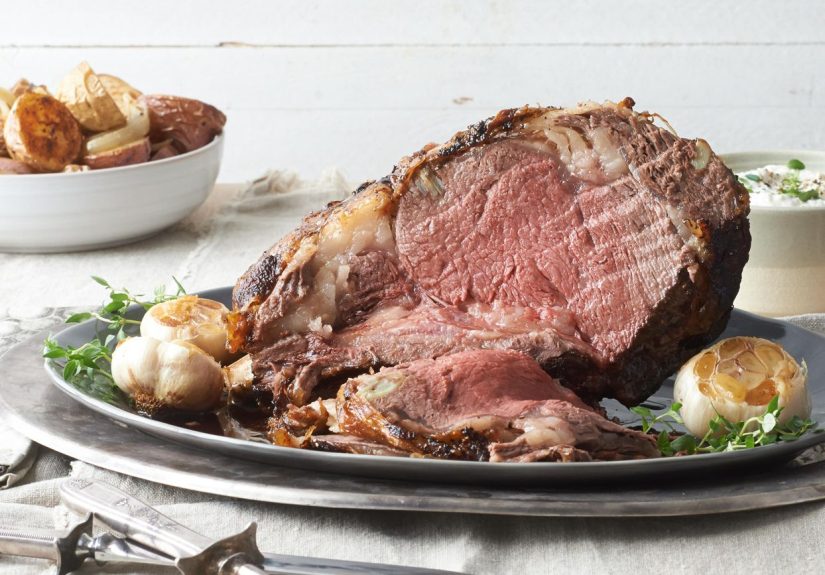
Prime rib is basically the celebrity of the beef world: expensive, dramatic, and wildly offended by rough handling.
Reheating it the wrong way can turn yesterday’s “standing ovation roast” into today’s “why is it chewy?” situation.
The good news: you can absolutely reheat prime rib so it stays juicyif you treat it gently, keep moisture involved, and stop chasing “hot” like it’s a life goal.
This guide pulls together the most consistent advice from test kitchens, food-safety guidance, and serious cooking pros:
low heat, added moisture, smart temperature targets, and a quick finish for the crust. You’ll get step-by-step methods for
whole roasts and slices, plus a longer “real-kitchen experiences” section at the end (because leftovers are where the plot thickens).
Why Prime Rib Dries Out When You Reheat It
Reheating is tricky because the meat is already cooked. High heat makes muscle fibers tighten again, pushes out moisture, and
overcooks the outer layers before the center even wakes up. Slices dry out faster because they have more exposed surface area.
Translation: blasting prime rib with high heat is like blow-drying a silk shirttechnically possible, emotionally reckless.
The solution is to warm it slowly (so the temperature gradient stays gentle), and to trap or add moisture (so the surface doesn’t
dehydrate while you wait for the center to warm). Then, if you miss the crust, you add a very quick high-heat finish at the end.
Before You Reheat: Storage and Set-Up That Protects Juiciness
1) Store it in the biggest piece you can
If you still have a chunk of roast left, keep it intact and slice only what you plan to eat. A whole piece retains moisture better
than pre-sliced leftovers.
2) Save the juices (au jus, pan drippings, gravyanything beefy)
A few tablespoons of drippings or broth is the difference between “still juicy” and “sad roast beef cosplay.”
You’ll use that liquid to create gentle steam while reheating.
3) Chill safely, thaw patiently
Refrigerate leftovers promptly and keep your fridge cold. If the prime rib is frozen, thaw it in the refrigerator before reheating.
Avoid countertop thawingfood safety is not the place for improv comedy.
4) The thermometer is the MVP
Prime rib is too expensive to “guess and vibes.” Use an instant-read thermometer so you can stop reheating at the right moment.
The Best Method for Juicy Prime Rib: Low Oven + Steam (Whole Roast or Big Chunk)
If you’re reheating a large piece (half roast, big end cut, or anything thicker than a couple inches), the oven method is the most reliable:
gentle heat plus trapped moisture.
Step-by-step (low-and-slow oven reheat)
- Preheat the oven to 250–300°F. Lower is gentler; 250°F is the “slow jazz” setting for beef.
-
Set up a shallow pan. Place the roast on a rimmed sheet pan or in a baking dish.
If you have a rack, use it so heat circulates more evenly (but it’s optional). -
Add moisture. Pour ¼ to ½ cup beef broth/stock/au jus around the meat (not on top).
The goal is steam, not soup. - Seal it tight. Cover the pan tightly with foil (or a lid). Tight = steamy.
-
Warm until just heated through. Start checking at 15 minutes.
Total time is often 15–30 minutes depending on thickness. -
Stop before it overcooks. For best texture, pull it when the center is warm and still below your final doneness.
(See the temperature section below for practical targets.) - Rest 5 minutes before slicing. Carryover heat is real; let it settle.
Want the crust back? Add a quick “finish”
If you miss that browned exterior, don’t reheat with high heat the whole timewarm it gently first, then finish fast:
- Oven finish: After warming, uncover and blast at 500–550°F for 5–8 minutes (watch closely).
- Skillet finish: Sear the outside in a ripping-hot pan for 30–60 seconds per side.
This “warm first, sear last” approach keeps the interior juicy while restoring that “holiday roast” vibe.
The Best Way to Reheat Prime Rib Slices (Without Turning Them Gray)
Slices are easier to warm but easier to overcook. The goal is to “take the chill off” and get them pleasantly warm,
not sizzling. Think cozy sweater, not sauna.
Option A: Oven-steam method for slices (easy, reliable)
- Preheat oven to 250°F.
- Arrange slices in a small baking dish in a single layer (overlap slightly if needed, but don’t stack a skyscraper).
- Add a few tablespoons broth/au jus/gravy to the bottom of the dish.
- Cover tightly with foil.
- Heat about 8–12 minutes, checking early if slices are thin.
- Remove from the dish promptly so they don’t continue cooking in residual heat.
Option B: Steamer method (shockingly good for slices)
Steaming is gentle and fast, and it’s excellent when you’re reheating one or two slices.
- Bring a small amount of water to a simmer in a pot with a steamer basket.
- Wrap slices in a flat foil pouch with a drizzle of broth/au jus.
- Steam 3–6 minutes, depending on thickness.
- Serve immediately.
Option C: Stovetop “covered skillet with a splash” (no steamer needed)
This is basically steam-reheating in a pan:
- Warm a skillet over low heat.
- Add 1–3 tablespoons broth/au jus.
- Add slices, cover with a lid, and warm gently for 2–5 minutes.
- Flip once if needed, then serve immediately.
Sous Vide Reheat (The “Luxury Spa Day” for Leftover Prime Rib)
If you have a sous vide circulator (or you’re looking for an excuse to justify owning one), this is one of the best ways
to reheat prime rib while preserving a medium-rare interior.
How to sous vide reheat prime rib
- Seal prime rib (slices or chunk) in a bag. Add a spoonful of au jus or a little butter if you want extra richness.
- Set water bath to 125–135°F depending on your preferred doneness.
-
Heat time:
- Slices: ~20–40 minutes
- Thicker piece: ~45–90 minutes (depends on thickness)
- Optional: dry the surface and do a quick sear (30–60 seconds per side) for crust.
The key is choosing a bath temperature that won’t push the meat beyond your desired doneness. You’re reheating, not re-cooking.
Microwave Reheat (Emergency Use Only, But Here’s How to Do It Without Regret)
The microwave is fast, uneven, and emotionally unpredictable. But if it’s your only option:
Microwave method that does the least damage
- Slice evenly so pieces heat at the same rate.
- Place in a microwave-safe dish with a few teaspoons to tablespoons broth/au jus.
- Cover (lid or vented wrap) to trap steam.
- Use medium-low power and heat in short intervals (30 seconds), resting briefly between.
- Stop when warmnot hotand let it sit 1–2 minutes to even out.
If you microwave on full power until it’s “really hot,” you’re basically signing up for gray edges and a drier bite.
Temperature Targets: How Warm Is Warm Enough?
There are two truths that sometimes argue with each other:
food-safety guidance and optimal medium-rare texture.
For maximum safety, many official guidelines say reheated leftovers should reach 165°F.
But prime rib that hits 165°F will be well-done (and noticeably less juicy).
In real kitchens, people often reheat prime rib gently to a lower “serving warm” temperature to preserve texture,
especially when the meat was handled and stored properly. If you’re serving someone at higher risk (pregnant people,
older adults, immunocompromised folks), prioritize the safer temperature guidance.
Practical approach for juiciness (texture-first)
- Slices: warm until heated through and pleasant to eatdon’t chase “steaming hot.”
- Whole roast/chunk: reheat gently to around 110–120°F in the center, then finish quickly for crust if desired.
- If you finish with high heat: pull from the warming step earlier so the final sear doesn’t overshoot.
The “Au Jus Insurance Policy”: How to Add Moisture and Flavor
If you have drippings, use them. If you don’t, fake it responsibly:
- Warm beef broth with a splash of Worcestershire and a pinch of salt.
- Add a tiny bit of butter for richness (optional, but delightful).
- Pour it into the pan (not over the meat), then cover tightly so it steams.
Bonus: you can serve that warm liquid as a dip. Leftover prime rib + au jus is basically a permission slip to make
the best sandwich of your week.
Common Mistakes That Dry Out Prime Rib (Learn From the Beef Considerate Society)
- Using high heat the whole time: fast outside, cold inside, dry edgesclassic tragedy.
- Reheating the entire roast repeatedly: only warm what you’ll eat right now.
- Skipping moisture: foil + a splash of broth = major difference.
- Overheating in the microwave: short bursts on lower power are your only hope.
- Leaving it out too long “to warm up”: it doesn’t help much for gentle methods and can create safety issues.
Quick FAQ
Can I reheat prime rib more than once?
You can, but you shouldn’t if you want great texture. Each reheat drives out more moisture and increases the chance of food-safety problems.
Reheat only the portion you plan to eat.
Should I slice before reheating?
If you’re reheating a few servings, yesslices warm faster and more evenly (with steam). If you’re reheating a large chunk,
keep it whole so it retains moisture better.
Is it okay to eat prime rib cold?
Absolutely. Thin slices in a sandwich or salad can be fantastic. If you’re mainly trying to avoid overcooking, “cold and delicious”
is a very valid strategy.
Real-Kitchen Experiences: What People Run Into (and What Actually Fixes It)
Let’s talk about what tends to happen in real homeswhere the oven is full of side dishes, someone is asking where the mustard is,
and the prime rib leftovers are sitting in the fridge like a quiet flex.
Experience #1: “I reheated it and it got tough… but it was only in there for a little bit!”
This usually happens because the heat was too high, not because the time was too long. Prime rib doesn’t respond well to “quick and hot.”
A 400°F oven can overcook the outer layer before the middle warms, so you end up with a dry ring around the edge. The fix is counterintuitive:
lower the temperature (250°F is a sweet spot), cover tightly with foil, and add a little broth or au jus so the surface doesn’t dry out while the
center catches up.
Experience #2: “The flavor is still great, but it’s not as juicy as the first night.”
That’s normalleftovers lose some moisture no matter what. The winning move is to treat reheating like a moisture-transfer problem.
People who save pan juices or gravy almost always have better leftovers. When juices aren’t available, beef broth works, and the tiny “chef trick”
is to warm that broth first (so you’re not cooling the meat down) and season it lightly. Then steam the slices under foil. Suddenly the meat feels
more like prime rib again, not generic roast beef.
Experience #3: “Microwave was fast, but now it’s gray and dry.”
The microwave doesn’t ruin prime rib because it’s “evil.” It ruins it because it heats unevenly and too aggressively.
People get the best microwave results when they do three things: (1) add a little liquid, (2) cover the dish, and (3) use medium-low power in short
intervals. The goal is warm, not piping hot. A short rest after microwaving also helps even out hot and cold spots.
Experience #4: “I want it warm AND crusty. Why is life so complicated?”
This is where the warm-then-sear method shines. In many kitchens, the best results come from separating the goals:
gently warm the inside first (low oven, covered, with moisture), then add crust with a fast finish (hot oven or hot skillet).
If you try to do both at the same time, the inside pays the price. If you do them in two stages, you get that holiday-style exterior without turning
the interior into well-done sadness.
Experience #5: “I reheated the whole roast for lunch… then again for dinner… and now it’s kind of sad.”
This is a super common leftovers mistake. Each reheat squeezes out more moisture. The better habit is to keep the main piece cold and intact,
then reheat only what you’re about to eat. If you’re planning multiple meals, slice off portions while cold (it’s easier to slice neatly),
and store portions with a spoonful of au jus or broth so each serving reheats with built-in insurance.
Bottom line from real kitchens: the people who consistently get juicy reheated prime rib do the boring things welllow heat, tight cover, added moisture,
thermometer checks, and portion-based reheating. It’s not flashy, but neither is dried-out prime rib… and that’s kind of the point.