Table of Contents >> Show >> Hide
- What Is Moonflower Vine?
- Why Gardeners Love Moonflower Vine
- Best Growing Conditions for Moonflower Vine
- How to Start Moonflower Vine From Seed
- How to Plant Moonflower Vine Outdoors
- How to Care for Moonflower Vine
- Bloom Time: When Does Moonflower Vine Flower?
- Can You Grow Moonflower Vine in Containers?
- Common Problems and Practical Fixes
- Design Ideas for a Better Moonflower Display
- Final Thoughts on How to Plant and Grow Moonflower Vine
- Extra Garden Experience: What Growing Moonflower Vine Is Really Like
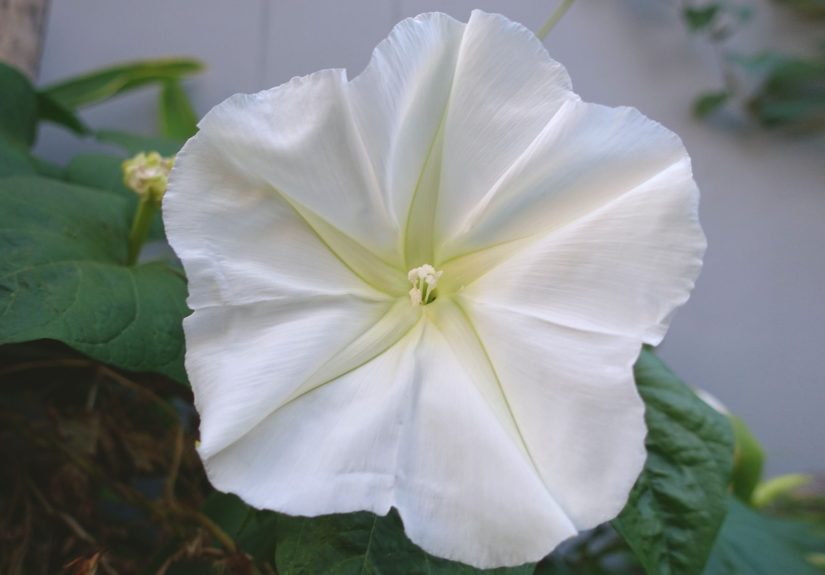
If you want a plant that feels a little dramatic, a little romantic, and just a tiny bit like it deserves its own soundtrack, moonflower vine is an easy winner. This fast-growing climber puts on a nightly show with large white blooms that unfurl at dusk, release a sweet fragrance, and glow in low light like they know exactly how photogenic they are. By morning, the flowers are closing up shop again. It is basically the introvert of the garden world: stunning, fragrant, and most fun after the crowd goes home.
Moonflower vine is a warm-season flowering vine grown for its heart-shaped leaves, twining habit, and trumpet-shaped white flowers. In very warm climates, it can behave like a tender perennial, but in most of the United States, gardeners grow it as an annual. The good news is that it grows quickly once the weather turns genuinely warm, so even gardeners with a shorter season can still enjoy an impressive wall of foliage and flowers by late summer.
This guide covers everything you need to know about how to plant and grow moonflower vine, from starting seeds and choosing the right site to keeping the plant blooming and handling common issues without turning your backyard into a botanical soap opera.
What Is Moonflower Vine?
Moonflower vine, usually sold as Ipomoea alba, belongs to the morning glory family. Unlike classic morning glories that open with the sunrise, moonflower vine waits until evening to show off. The flowers are large, white, and fragrant, often opening fast enough that patient gardeners can actually watch the petals unfurl. If that sounds suspiciously magical, it is because it kind of is.
This vine can reach 10 to 15 feet in a season under good conditions, sometimes more in hot climates. It climbs by twining, so it needs a support structure such as a trellis, arbor, fence, porch post, or sturdy netting. Put simply, moonflower vine does not want to be a groundcover. It wants a stage.
Why Gardeners Love Moonflower Vine
There are plenty of flowering vines, but moonflower has a few traits that make it memorable:
- Large white blooms that glow beautifully in the evening
- A sweet scent that is strongest near dusk and at night
- Fast summer growth for privacy screens, trellises, and arbors
- Pollinator value, especially for night-flying moths
- A dreamy fit for moon gardens, patios, and nighttime seating areas
If you like the idea of stepping outside after dinner and being greeted by flowers that look fresh, luminous, and slightly theatrical, moonflower vine absolutely understands the assignment.
Best Growing Conditions for Moonflower Vine
Light
For the best flowering, plant moonflower vine in full sun. A site with at least six hours of direct sun a day is ideal. In hot southern climates, the plant can tolerate a little partial shade, but too much shade usually means more leaves and fewer blooms. In other words, if your vine gets all dressed up and never flowers, lack of sunlight may be the culprit.
Soil
Moonflower vine prefers moist, well-drained soil. It is not terribly fussy about soil texture and can grow in sandy, loamy, or clay-based beds as long as drainage is decent. The goal is simple: keep the roots evenly moist, not soggy. Wet feet are charming on ducks, not on vines.
Temperature
This is a heat-loving plant. Growth may seem slow early in the season, especially when nights are still cool, but once summer settles in, moonflower vine usually takes off. Wait until frost danger has passed and the soil has warmed before sowing or transplanting outdoors.
Support
Because moonflower climbs by twining, it performs best with something slender enough to wrap around. A trellis, wire panel, string support, or fence works well. Install the support before or at planting time so you do not disturb the roots later. Your future self will appreciate this when the vine starts climbing like it got an espresso shot.
How to Start Moonflower Vine From Seed
Starting from seed is the most common way to grow moonflower vine. The seeds have a hard outer coat, which is why gardeners often help them along before planting.
Step 1: Scarify or Soak the Seeds
To improve germination, nick the seed coat lightly with a nail file, sandpaper, or the edge of a knife. Then soak the seeds overnight in warm water. You do not need to perform surgery here. A small nick is enough. The goal is to help water penetrate the seed coat, not to turn the seed into confetti.
Step 2: Choose Indoor or Outdoor Sowing
You have two good options:
- Start indoors: Sow seeds about 4 to 8 weeks before your last spring frost date for earlier blooms.
- Direct sow outdoors: Plant after the last frost, once the soil is warm. This is easier, but flowering may begin later in the summer.
If you garden in a cooler climate, indoor starting is usually the better bet. Moonflower vine needs a long warm season to reach peak bloom, and a head start can make the difference between “pretty nice” and “holy wow, what is that on my trellis?”
Step 3: Plant the Seeds
Sow the seeds about 1/4 to 1/2 inch deep in seed-starting mix or garden soil. Keep the soil evenly moist while the seeds germinate. Warmth helps, so a bright indoor setup or a warm outdoor bed will improve your odds.
Step 4: Harden Off Indoor Seedlings
If you started seeds indoors, harden off the seedlings before transplanting. That means gradually exposing them to outdoor conditions over about a week. Start with a few hours in a sheltered spot, then increase sun and wind exposure daily. This saves your seedlings from the classic transplant shock expression: “I have made a terrible mistake.”
How to Plant Moonflower Vine Outdoors
Once frost danger has passed and nighttime temperatures are consistently mild, transplant seedlings or sow seeds in the garden.
Choose the Right Spot
Pick a sunny site near a support structure and, ideally, somewhere you can enjoy the evening fragrance. A patio, porch, deck, gate, or garden bench area is perfect. Planting moonflower behind the shed is a little like buying concert tickets and then listening from the parking lot.
Prepare the Soil
Loosen the soil and mix in compost if the bed is compacted or poor. Rich, living soil helps the vine establish quickly. Do not overdo fertilizer, especially high-nitrogen formulas, because they can encourage lots of leafy growth at the expense of flowers.
Planting Depth and Spacing
Plant seedlings at the same depth they were growing in their containers. Give plants enough space for airflow and climbing room. Exact spacing depends on your support and how full you want the planting to look, but crowding them too tightly can create a tangled jungle faster than you might expect.
How to Care for Moonflower Vine
Watering
Water regularly while the plant is getting established. After that, aim for even moisture, especially during hot weather and in containers. Moonflower vine is not the thirstiest plant on earth, but it performs best when it does not swing wildly between bone dry and swampy.
Feeding
Go easy on fertilizer. A modest amount of compost or a balanced fertilizer at planting time is usually enough. If the vine looks pale or sluggish, a light feeding can help, but do not push it too hard. With moonflower vine, overfeeding often buys you a fabulous green privacy screen and a disappointing flower count.
Training the Vines
Young stems may need a little guidance at first. Gently weave them into the trellis or tie them loosely with soft garden ties. Once the vine understands its job description, it usually climbs on its own.
Deadheading and Seed Pods
You can remove spent blooms and developing seed pods to encourage the plant to keep flowering longer. If you want to save seeds for next year, let a few pods mature near the end of the season. Once they dry, collect and store the seeds in a cool, dry place.
Bloom Time: When Does Moonflower Vine Flower?
In many gardens, moonflower vine begins blooming in mid-to-late summer and continues into fall, often until the first frost. Direct-sown plants may start flowering later than indoor-started ones. The flowers typically open at dusk or in the late afternoon and close by the next morning.
If your plant is growing well but still not blooming, check these likely causes:
- Too little sun
- Too much nitrogen fertilizer
- Planting too late in a short-season climate
- Cool weather slowing development
Sometimes the best fix is not a product or a hack. Sometimes the fix is patience and warmer weather. Rude, but true.
Can You Grow Moonflower Vine in Containers?
Yes, and it can look fantastic in a large pot with a trellis or obelisk. Use a container with drainage holes and fill it with a quality potting mix. Container-grown plants dry out faster than garden beds, so check moisture often in summer. A large pot also gives you the option of moving the vine closer to a seating area, where the evening fragrance can do its best work.
In very warm regions, some gardeners overwinter moonflower vine in a large container by moving it indoors or into a protected space. In colder climates, most people simply grow it as an annual and start fresh next spring.
Common Problems and Practical Fixes
Poor Germination
The most common reason is skipping the nicking or soaking step. Hard-coated seeds can be slow and uneven without a little prep. Cold soil also reduces success.
Lots of Leaves, Few Flowers
This usually points to excess nitrogen or too little sun. Cut back on feeding and make sure the plant gets enough direct light.
Slow Early Growth
Moonflower vine often waits for real warmth. A cool early summer can make it look lazy, but once temperatures rise, growth usually speeds up dramatically.
Tangled Growth
Guide the stems early. It is much easier to direct a young vine than to untangle a mature one that has decided every nearby object is a trellis.
Safety Concerns
Keep seeds away from children and pets. While moonflower vine is beautiful, the seeds should not be eaten. If you grow it in a family garden, treat the seed pods as ornamental, not snack-sized mysteries.
Design Ideas for a Better Moonflower Display
Moonflower vine shines when it is planted where evening light and nighttime use matter. Try it in these spots:
- Over an arbor near a patio or deck
- On a fence by an outdoor dining area
- In a moon garden with pale flowers and silver foliage
- In a large pot beside a bench or porch steps
- Near a bedroom window where the evening fragrance can drift in
It also pairs beautifully with other evening-friendly plants and pale blooms. White flowers, silvery leaves, and soft scents create a garden that feels calm during the day and unexpectedly glamorous at night.
Final Thoughts on How to Plant and Grow Moonflower Vine
If you want a vine that grows quickly, smells wonderful, and makes your garden feel more enchanting after sunset, moonflower vine is a strong choice. Give it full sun, warm weather, well-drained soil, and something sturdy to climb. Start the seeds early if your growing season is short, avoid overfeeding, and plant it where you can enjoy the flowers opening in the evening.
The biggest secret to success is not really a secret at all: moonflower vine likes warmth, patience, and a little planning. Do those three things, and this plant will reward you with a nighttime show that feels far fancier than the effort required. Which, frankly, is the dream.
Extra Garden Experience: What Growing Moonflower Vine Is Really Like
Garden guides can tell you the technical parts of growing moonflower vine, but the lived experience is what makes people plant it again. In real gardens, moonflower vine often starts the season by testing your faith. You sow the seeds, baby the seedlings, move them outside, and for a while the plant just sort of exists. It is green. It is alive. It is not exactly thrilling. Then summer heat arrives, and the vine suddenly behaves like it has been quietly plotting a takeover the whole time. One week it looks polite. Two weeks later it is halfway up the trellis and making bold choices.
One of the most memorable parts of growing moonflower vine is where it changes the rhythm of the garden. Most flowers are daytime performers. You notice them with your morning coffee, admire them in the afternoon, and forget about them by dinner. Moonflower flips that schedule. It turns the evening into the main event. People who normally do not pay much attention to plants will stop on the patio and say, “Wait, were those flowers open earlier?” That is part of the charm. Moonflower does not just decorate a space. It creates a daily little moment of surprise.
Gardeners also learn quickly that placement matters more with moonflower than with many other annual vines. If you put it in a far corner of the yard, it may still grow beautifully, but you lose half the magic. When it is planted near a walkway, porch, seating area, or gate, you actually notice the fragrance and the flowers as they open. That is usually when people become slightly obsessed. Moonflower is not necessarily the flashiest plant at noon, but around dusk it can absolutely steal the show from everything else nearby.
There is also something satisfying about the way moonflower makes a garden feel larger and more alive at night. The white blooms seem to catch every bit of leftover light. A simple fence can look softer. A plain trellis can feel intentional. Even a small patio gains a little atmosphere. It is one of those rare plants that does not just fill vertical space; it changes mood. That is why gardeners often pair it with evening routines such as sitting outside after dinner, watering containers at sunset, or winding down on the porch. It turns ordinary time into garden time.
Another common experience is learning not to panic about the early season. Many first-time growers worry they are doing something wrong because the plant can be slow before hot weather arrives. Experienced gardeners usually shrug and wait. Once nights are warm, moonflower tends to move fast. That shift teaches a useful lesson: some plants are not late, they are just waiting for their preferred conditions. Moonflower is definitely one of those plants.
By the end of the season, gardeners often find themselves doing two things: saving seeds and planning a better support for next year. That is probably the best review any plant can get. You grow it once for curiosity, and then you start redesigning your space around it. Not many annual vines earn that level of loyalty, but moonflower vine manages it with scent, speed, and a nightly bloom show that feels a little theatrical in the best possible way.