Table of Contents >> Show >> Hide
- What Is Asparagus Fern, Exactly?
- Best Growing Conditions for Asparagus Fern
- How to Plant Asparagus Fern
- How to Water Asparagus Fern the Right Way
- How to Feed and Maintain Healthy Growth
- How to Propagate Asparagus Fern
- Common Problems and How to Fix Them
- Indoor vs. Outdoor Asparagus Fern Care
- Is Asparagus Fern Safe for Pets and Kids?
- Design Ideas for Using Asparagus Fern
- Real-World Growing Experiences With Asparagus Fern
- Final Thoughts
If you have ever looked at an asparagus fern and thought, “What a delicate, fluffy little woodland thing,” the plant would probably laugh if it could. Despite its soft, feathery look, asparagus fern is not actually a true fern. It is tougher, more adaptable, and a little more mischievous than its lace-like foliage suggests. In the right conditions, it grows fast, spills beautifully from containers, and gives porches, patios, and indoor corners that lush, collected look people spend an alarming amount of money trying to fake.
That said, asparagus fern is not a plant you should treat like a random green puffball and hope for the best. It has opinions. It likes bright but filtered light, warm temperatures, decent humidity, and soil that drains well but never turns bone-dry for too long. Give it those basics, and it rewards you with arching stems, vivid green growth, and a form that looks expensive even when the pot absolutely was not.
This guide covers everything you need to know about how to plant and grow asparagus fern, from choosing the right soil and light to watering, pruning, repotting, propagation, and fixing common problems before your plant turns into a crunchy green mystery. Whether you are growing it indoors as a houseplant or outdoors in a warm climate, here is how to keep it thriving.
What Is Asparagus Fern, Exactly?
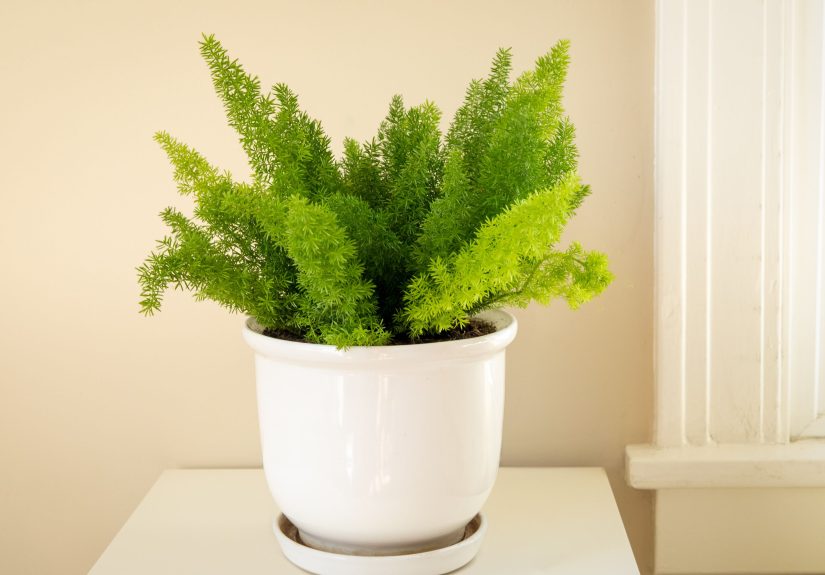
Let’s clear up the botanical identity crisis first. Asparagus fern is not a fern at all. It belongs to the asparagus family and is grown for its airy, fern-like foliage rather than flowers. Common types include Asparagus densiflorus ‘Sprengeri,’ foxtail asparagus fern, and lacey forms often sold under similar common names. Many varieties have fine needle-like cladodes, wiry stems, and small thorns that make them slightly less innocent than they look.
Most home gardeners grow asparagus fern as a decorative plant in pots, hanging baskets, porch planters, or mixed container arrangements. In USDA Zones 9 to 11, it can also be grown outdoors year-round. In frost-prone climates, it is usually treated as a houseplant or brought indoors for winter.
When mature, asparagus fern can produce small white or pale pinkish flowers followed by red berries. Pretty? Yes. Snack-worthy? Absolutely not. The berries and plant material can be irritating or toxic to pets, so this is one of those “look, don’t chew” plants.
Best Growing Conditions for Asparagus Fern
Light
The sweet spot for asparagus fern is bright, indirect light. Indoors, place it near an east-facing window or a bright room where the sun is filtered by a curtain. Too little light can make growth sparse and pale. Too much harsh direct sun can scorch the foliage, turning those elegant plumes into a faded, crispy mess.
Outdoors, asparagus fern performs best in dappled shade or part shade. Morning sun is usually fine, especially in cooler climates, but strong afternoon sun can be too intense in hot regions.
Temperature and Humidity
This plant prefers warmth and humidity. Ideal temperatures are generally around normal indoor room conditions, roughly 60 to 75 degrees Fahrenheit. It does not enjoy extended exposure to temperatures below 55 degrees. If you keep it outdoors in a container, bring it inside before cold nights settle in.
Humidity matters more than many people realize. Dry indoor air can cause browning tips and more shedding. Bathrooms, kitchens, sunrooms, and grouped plant displays often suit asparagus fern well. If your home air feels like toasted crackers in winter, a pebble tray or humidifier can help.
Soil
Asparagus fern likes rich, well-draining soil. A quality indoor potting mix amended with a little perlite or coarse sand works well for containers. The goal is moisture retention without sogginess. If the soil stays swampy, the roots may rot. If it dries out too quickly, the foliage may yellow or drop.
For outdoor planting in warm climates, choose soil with organic matter and good drainage. Heavy clay can be improved with compost before planting.
How to Plant Asparagus Fern
Planting in a Pot
Container growing is the easiest and most popular method. Choose a pot with drainage holes. This is not negotiable. A decorative pot without drainage turns plant care into a thriller, and not the fun kind.
Fill the container with fresh, well-draining potting mix. Remove the plant from its nursery pot and gently loosen the roots if they are tightly packed. Set the plant so the top of the root ball sits about an inch below the rim of the new pot. Backfill around it, press lightly, and water thoroughly until excess drains out.
If you want a fuller look in a hanging basket or porch pot, you can plant more than one small specimen together, but leave enough room for expansion. Asparagus fern is not shy about taking over available space.
Planting Outdoors
In warm climates, asparagus fern can be planted in the ground in spring after the danger of cold weather has passed. Choose a site with filtered sun or part shade. Dig a hole about twice as wide as the root ball and about the same depth. Set the plant in place, backfill with amended soil, water deeply, and add mulch to help moderate moisture and temperature.
If you live in a region where asparagus fern is considered invasive, especially parts of the Southeast such as Florida, it is smarter to keep it in containers and prevent berries from spreading. A plant can be beautiful and still need boundaries. Relatable, really.
How to Water Asparagus Fern the Right Way
The best watering routine is steady, not dramatic. Water when the top inch of soil feels dry, but do not let the root ball stay dry for long periods. Indoors, this often means watering more frequently in spring and summer and slightly less in winter.
After watering, let extra water drain away fully. Never leave the pot sitting in a saucer full of water for hours. That is basically an engraved invitation for root problems.
Signs you need to adjust watering include:
- Yellowing foliage: often a sign of overwatering, though poor light can contribute.
- Brown, crispy tips: usually low humidity, underwatering, or too much direct sun.
- Excessive needle drop: common when the plant gets too dry, too hot, too cold, or generally offended.
How to Feed and Maintain Healthy Growth
Fertilizer
During active growth in spring and summer, feed asparagus fern with a balanced liquid fertilizer diluted to half strength. Once or twice a month is usually enough. More is not better. Overfertilizing can produce weak, leggy growth or salt buildup in the soil.
In fall and winter, reduce feeding or stop entirely if growth slows. The plant is not training for a marathon in January.
Pruning
Pruning keeps asparagus fern neat and encourages fresh growth. Use clean scissors or pruners to remove yellow, brown, or stretched-out stems at the base. If the plant gets too shaggy, you can cut back selected stems to shape it.
Wear gloves. Many asparagus fern varieties have small thorns that are easy to underestimate until one introduces itself to your knuckle.
Repotting
Asparagus fern grows from thick, tuberous roots and can become root-bound surprisingly fast. Repot every year or two, especially if you notice roots bulging at the soil surface, pushing the plant upward, or crowding the pot so much that watering becomes difficult.
Move it into a container one size larger, not a giant bucket. A little extra room is helpful; a cavern of wet soil is not.
How to Propagate Asparagus Fern
The easiest way to propagate asparagus fern is by division. In fact, it is so much easier than starting from seed that it almost feels rude to mention the seed option first. Seeds can germinate, but they are slow and less predictable.
Division Method
- Take the plant out of its pot in spring.
- Use a clean knife or your hands to separate the root ball into sections.
- Make sure each section has healthy roots and several stems.
- Pot each division into fresh mix and water thoroughly.
- Keep the divisions in bright, indirect light while they recover.
Division is especially useful when an older plant starts looking crowded or when you want more plants without spending more money than necessary. That is not cheapness. That is efficient horticulture.
Common Problems and How to Fix Them
Yellow Leaves
Yellowing is commonly linked to overwatering, poor drainage, or insufficient light. Check the soil first. If it feels soggy, back off watering and confirm the pot drains well. If the plant is sitting in a dark corner where your phone flashlight works harder than the sun, move it to a brighter spot.
Brown Tips or Shedding
Dry air, underwatering, and hot direct sunlight are typical culprits. Increase humidity, water more consistently, and move the plant away from harsh afternoon rays. Occasional shedding is normal, but heavy drop means the plant is stressed.
Pests
Spider mites, aphids, and mealybugs can show up, especially on indoor plants in dry conditions. Check the undersides of stems and tucked-in growth. If pests appear, rinse the plant and treat it with insecticidal soap or neem oil according to product directions.
Root Rot
If the plant stays wet for too long, roots can rot. Symptoms include mushy stems, bad-smelling soil, widespread yellowing, and collapse. Remove the plant from the pot, trim away damaged roots, and repot into fresh, well-draining mix.
Indoor vs. Outdoor Asparagus Fern Care
Indoors, the main challenges are low humidity, inconsistent watering, and insufficient light. Outdoors, the biggest issues tend to be cold damage, too much sun, and excessive spread in frost-free climates.
For indoor growing, place asparagus fern where it gets bright indirect light and some humidity support. For outdoor containers, use it on covered porches, shaded patios, or mixed planters where the foliage can spill gracefully over the edge. In the ground, reserve it for climates warm enough to support year-round growth and areas where its spread can be controlled.
Is Asparagus Fern Safe for Pets and Kids?
Asparagus fern is not the best choice for a home where curious pets chew first and think later. Dogs and cats can experience stomach upset from ingesting berries, and repeated skin contact may cause irritation in some animals. The plant also has thorns, which makes it a poor candidate for areas where children or pets brush against foliage constantly.
If safety is a major concern, display it out of reach or choose a non-toxic alternative. If you keep it, treat it like a stylish but slightly prickly houseguest.
Design Ideas for Using Asparagus Fern
One reason asparagus fern remains so popular is that it is wildly useful in design. It softens hard edges, adds motion to still spaces, and pairs well with almost everything.
- Use it in a hanging basket near a bright window for a lush indoor look.
- Mix it into porch planters with caladiums, begonias, coleus, or sweet potato vine.
- Place it in a tall pedestal pot where the trailing stems can spill over dramatically.
- Pair foxtail forms with simpler foliage plants for contrast in texture.
- Style it in bathrooms or laundry rooms if the light is bright enough and the air stays humid.
It is one of those plants that makes a space look more finished without demanding a full floral production number.
Real-World Growing Experiences With Asparagus Fern
One of the most interesting things about learning how to plant and grow asparagus fern is realizing that almost everyone starts by underestimating it. At first glance, it looks delicate, like the kind of plant that needs whispered encouragement and imported mist from a cloud forest. Then you live with one for a season and discover it is less fragile ballerina and more determined gymnast with a root system that means business.
A common experience for new growers is bringing home a small asparagus fern, setting it on a shelf that seems “bright enough,” and feeling pleased for about two weeks. Then the plant starts dropping needles, stretching toward the nearest light source, and looking mildly betrayed. Move it closer to a bright window, however, and the turnaround can be surprisingly fast. New growth often appears in a fresher, brighter green, and the plant regains that full, feathery texture people actually bought it for in the first place.
Another frequent lesson comes from watering. Many plant owners either keep asparagus fern too dry or far too wet. The plant usually responds to both extremes with the same dramatic energy: yellowing, shedding, and a general refusal to look decorative. Over time, growers learn that consistency matters more than perfection. The happiest plants are often the ones watered thoroughly, allowed to drain, and checked again only when the top layer of soil begins to dry.
Humidity is another detail that separates an okay plant from a gorgeous one. In dry homes, especially during winter, asparagus fern can look a little rough around the edges. In brighter bathrooms, near kitchens, or in rooms with other plants, it often grows more lushly. Many people notice the difference after moving it just once. Suddenly the tips stop browning, the stems arch more gracefully, and the whole plant looks like it got eight hours of sleep and a better skincare routine.
Repotting also tends to surprise people. You think the plant is happily settled, then you slide it out of its pot and discover a dense knot of tuberous roots staging a quiet rebellion. Dividing older plants can feel intimidating the first time, but it is usually the moment growers realize asparagus fern is sturdier than its appearance suggests. Split it, pot it up, water it in, and more often than not it bounces back with admirable confidence.
Outdoor growers in warm climates often love the way asparagus fern fills containers and softens patios, but they also learn an important caution: left unchecked, it can spread more enthusiastically than expected. That experience teaches restraint and smart placement. In many cases, keeping it in containers offers the best balance between beauty and control.
Perhaps the most universal experience is this: once an asparagus fern settles into a spot it likes, it becomes one of those plants people casually brag about to visitors. Not in an obnoxious way. More in a “Yes, that fluffy green cascade by the window? Oh, that old thing?” kind of way. It earns that status because it adds instant texture, forgives minor mistakes, and always looks a little more sophisticated than the effort it actually requires.
Final Thoughts
Asparagus fern is an easygoing but not entirely carefree plant. It thrives when you give it bright indirect light, evenly moist but well-draining soil, warm temperatures, humidity, and occasional grooming. In return, it offers soft texture, fast growth, and the kind of lush, graceful shape that works just as well in a hanging basket as it does in a stylish indoor pot.
If you want a plant that looks airy and elegant but has more toughness than its appearance suggests, asparagus fern is a strong choice. Just remember: it is not a true fern, it is not pet-friendly, and it is definitely not interested in being ignored for three weeks straight and then forgiven with one heroic watering. Treat it consistently, and it will make your space look greener, fuller, and far more alive.