Table of Contents >> Show >> Hide
- Why a Testicular Self-Exam Matters (Without the Fear-Mongering)
- Main Keyword Focus: Testicular Self-Exam (TSE) Step-by-Step
- What a Testicular Self-Exam Should NOT Do
- When to See a Doctor (and When It’s Urgent)
- How Often Should You Do a Testicular Self-Exam?
- Common “False Alarms” That Still Deserve a Check
- How to Make This Habit Stick (Without Making It Weird)
- Real-Life Experiences Related to Testicular Self-Exams (What People Commonly Notice)
- Conclusion: The 2-Minute Habit That Builds Testicular Awareness
Let’s talk about one of the quickest “adulting” habits you can learnone that takes about as long as brushing your teeth,
but could help you notice changes early: a testicular self-exam (TSE).
This isn’t about freaking yourself out or turning every normal bump into a disaster movie plot.
It’s about getting familiar with what’s normal for you, so if something changes, you can get it checked.
Quick note before we dive in: medical groups don’t all agree on whether everyone should do routine monthly self-exams.
For example, the U.S. Preventive Services Task Force recommends against routine screening in asymptomatic adolescent and adult males,
largely because testicular cancer is relatively uncommon and outcomes are generally excellent even without screening.
But many clinicians still encourage testicular awarenessknowing your baseline and speaking up if you notice changes.
This article focuses on a safe, practical way to check yourself and what to do if something feels off.
Why a Testicular Self-Exam Matters (Without the Fear-Mongering)
Testicular cancer is most commonly diagnosed in younger males (often teens through 30s). The most common early sign is a
new lump, swelling, or a testicle that feels different than usual. The tricky part?
It’s often painless, which is why noticing changes matters.
Also, not every lump is cancer. Many scrotal or testicular lumps are benign (not dangerous), and doctors can often sort out causes using an exam
and a scrotal ultrasound. Your job isn’t to diagnose yourselfyour job is to notice changes and get them checked.
Main Keyword Focus: Testicular Self-Exam (TSE) Step-by-Step
A good self-exam is simple, repeatable, and not rushed. Think of it like checking your tire pressure:
you don’t need to be a mechanicyou just need to notice what changed.
Best time to do a testicle self-exam
- During or right after a warm shower or bath (warmth relaxes the scrotal skin and makes it easier to feel structures).
- When you’re not in a hurrythis should take 1–3 minutes, but give yourself a calm moment.
- Pick a routine: same day each month is easiest (like the first of the month or the day you pay a bill).
Before you start: What “normal” can look like
Bodies are not perfectly symmetrical. Totally normal things include:
- One testicle hanging a little lower than the other.
- One testicle being slightly larger than the other.
- A soft, rope-like structure at the back/top of each testicle (the epididymis), which can feel like a squishy cord.
Step 1: Look (yes, a mirror helps)
Stand in front of a mirror and check the scrotal skin for swelling, changes in shape, or anything new that’s visibly different.
You’re not judging aestheticsthis is quality control.
Step 2: Feel one testicle at a time
Use both hands. Place your index and middle fingers underneath the testicle and your thumbs on top.
Then gently roll the testicle between your fingers and thumbs.
You’re feeling the surface and the overall consistency.
Step 3: Know what you’re checking for
As you roll, pay attention to:
- Hard lumps or nodules (often described as pea-sized or like a small, firm bump that wasn’t there before).
- Overall swelling or one testicle that seems noticeably bigger than usual.
- A change in firmness (much harder than your normal baseline).
- Heaviness or a dull ache that persists.
- Any change that lasts more than about two weeks.
Step 4: Find the epididymis so you don’t mistake it for a “lump”
Many people discover the epididymis and immediately panic because it feels like a cord or small bump behind the testicle.
That’s often normal anatomy. The epididymis sits along the back/top area and can feel soft and rope-like.
Learning this landmark is one of the biggest benefits of doing a careful self-exam.
Step 5: Repeat on the other side
Same process. Compare to your baseline, not to a perfect-body diagram from the internet.
The goal is consistency: you’re building a “normal map” of your own anatomy.
What a Testicular Self-Exam Should NOT Do
A testicular self-exam is not a crystal ball. It won’t tell you exactly what a lump is.
And it shouldn’t turn into a daily obsession.
- Don’t squeeze hardgentle rolling pressure is enough.
- Don’t panic if you feel structures you don’t recognize on day one.
- Don’t wait months if you find a new, firm lump or swellingget it checked.
- Don’t self-diagnose from social media. Your doctor has better tools than comment sections.
When to See a Doctor (and When It’s Urgent)
Make an appointment with a healthcare provider (primary care clinician, urgent care, or a urologist) if you notice:
- A new lump or firm bump on a testicle.
- Swelling or a testicle that’s getting bigger.
- A persistent dull ache in the groin/lower abdomen or a heavy feeling in the scrotum.
- Sudden fluid build-up or scrotal swelling you can’t explain.
Seek urgent care the same day if you have sudden, severe testicular pain, especially with swelling, nausea, or vomiting.
Some urgent conditions (like torsion) need immediate evaluation.
What the doctor might do
If you report a lump or swelling, a clinician will usually start with a physical exam and may order a
scrotal ultrasound, which is a common, noninvasive way to evaluate what’s going on.
Depending on findings, they may suggest follow-up imaging, lab tests, or referral to a urologist.
How Often Should You Do a Testicular Self-Exam?
You’ll see different recommendations depending on the source. Some clinicians encourage monthly checks
(especially for teens and young adults) because it helps you learn what’s normal. Other authorities do not recommend routine screening
for people with no symptoms. A reasonable middle ground is:
- Testicular awareness year-round: notice changes during normal hygiene routines.
- More structured self-exams if you prefer routine, especially if you have risk factors.
Risk factors that may justify more regular checks
Talk with a clinician about frequency if you have:
- A history of undescended testicle.
- A personal history of testicular cancer.
- A family history of testicular cancer.
- Other urologic concerns your clinician is monitoring.
Common “False Alarms” That Still Deserve a Check
Many conditions can cause lumps or swelling that aren’t cancer. A few examples people are often told about after evaluation include:
- Cysts (often near the epididymis).
- Hydrocele (fluid around the testicle).
- Varicocele (enlarged veins, sometimes described as a “bag of worms” feeling).
- Inflammation or infection that can cause tenderness and swelling.
Important: “Probably benign” is not a diagnosis you should give yourself. If you find something new, let a clinician confirm what it is.
That’s how you buy peace of mind the honest way.
How to Make This Habit Stick (Without Making It Weird)
Use an easy reminder
- Set a monthly phone reminder labeled: “2-minute health check”.
- Pair it with something you already do monthly (changing toothbrush head, paying a bill, replacing contacts).
Keep a simple baseline note
If you’re the organized type, you can keep a private note like:
“Left hangs lower; epididymis feels like soft cord; no lumps noticed.”
That way you’re comparing to your baselinenot your anxiety.
If you’re under 18
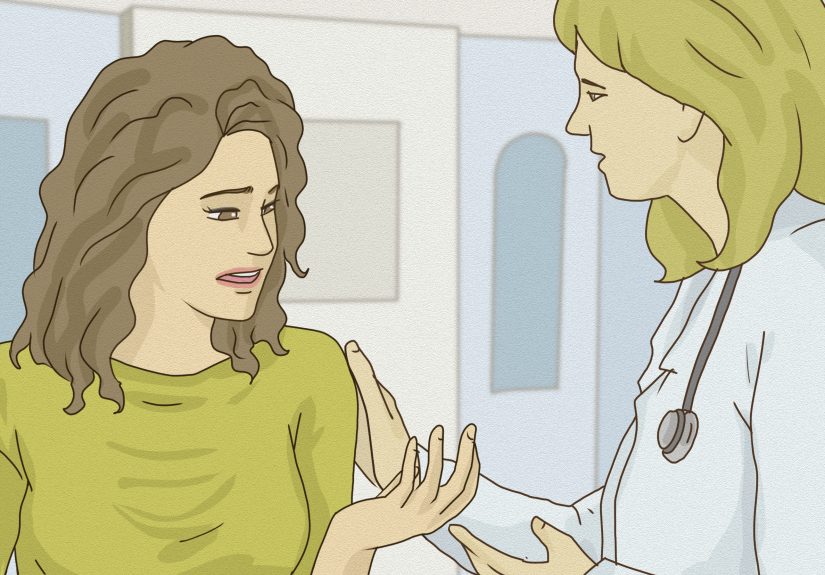
It’s okay to feel awkward. If you notice something concerning, reach out to a trusted adult, school nurse, clinic, or doctor.
You’re not “in trouble”you’re taking care of your health.
Real-Life Experiences Related to Testicular Self-Exams (What People Commonly Notice)
People rarely talk about testicular self-exams at dinner (understandably), so it can feel like you’re the only one learning this.
In reality, a lot of men and teen boys have the same first-time reactions: “Is that normal?” “Was that always there?”
“Why does the left side feel different?” Here are common experiences and what they often mean in real lifeplus how people handle them.
1) The “rope” panic. One of the most common stories is someone doing a self-exam and finding a soft, cord-like structure behind the testicle,
then immediately assuming the worst. Often, they’ve simply found the epididymisthe normal structure that stores and transports sperm.
After a clinician explains what it is (and sometimes confirms with an ultrasound if needed), people usually say the same thing:
“I wish someone had told me this sooner.” The takeaway: learning normal anatomy is a huge part of why self-exams can be helpful.
2) The “I found something after the gym” moment. Some people notice swelling or tenderness after heavy lifting,
intense sports, or a minor bump they didn’t think was a big deal. Sometimes it’s temporary irritation.
Sometimes it’s something that needs treatment (like inflammation), and occasionally it leads to discovering a benign issue like a hydrocele.
What matters is the pattern: if it’s new, noticeable, and not going away, that’s a good reason to get evaluated.
Many people report feeling relieved once a clinician gives them a clear explanation.
3) The “it doesn’t hurt, so I ignored it” lesson. Another common experience is finding a small, firm lump that doesn’t hurt.
Because there’s no pain, some people wait. Later, they say they wish they had gone soonerwhether the lump turned out to be benign or something more serious.
This matters because early testicular cancer is often painless. The practical rule many clinicians share: pain is not the best “alarm system.”
Change is the alarm system.
4) The awkward appointment that turned out totally fine. Plenty of people feel embarrassed scheduling a visit for a testicular concern.
Then they discover that clinicians see this all the time. Often the visit includes a quick exam and an ultrasound order “just to be sure.”
When results come back normal or benign, people frequently describe it as a confidence upgrade:
they feel more in control and less afraid of checking in the future.
5) The habit-builder’s win. Some people don’t do formal “monthly exams,” but they build testicular awareness into their shower routine.
They describe it like noticing a freckle on your skinonce you know what’s normal, you can spot changes faster.
A simple routine and a calm mindset usually help prevent anxiety spirals.
Bottom line: the most common “experience” isn’t discovering cancerit’s discovering how normal bodies can feel,
and learning when it’s worth asking a professional. That’s not scary. That’s smart.
Conclusion: The 2-Minute Habit That Builds Testicular Awareness
A testicular self-exam is a simple way to learn what’s normal for you. Done calmly and consistentlyespecially after a warm shower
it can help you notice changes like a new lump, swelling, or a difference in firmness. If you find something new or persistent,
don’t try to guess what it is. Schedule a medical check. Most causes are treatable, and getting clarity early is always a win.