Table of Contents >> Show >> Hide
- What Are Back Spasms, Exactly?
- Why Back Spasms Are So Common in Pregnancy
- When Back Spasms Are a Red Flag
- Immediate Ways to Ease a Back Spasm
- Daily Habits to Reduce Back Spasms
- Medication for Back Spasms: What’s Typically Considered
- When to See a Specialist
- Simple Prevention Checklist for Back Spasms in Pregnancy
- Real-Life Experiences and Mindset Tips
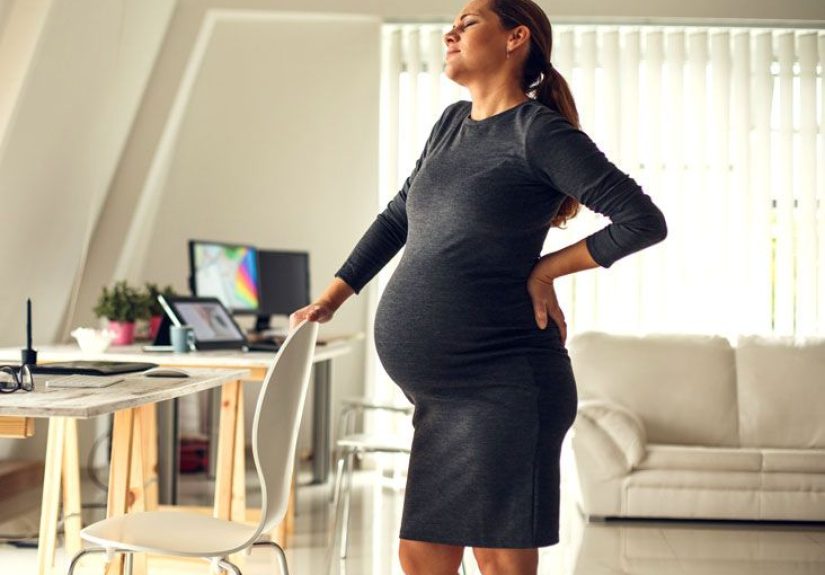
You knew pregnancy came with cravings, mood swings, and a bump. You might not have been warned about the sudden
“lightning bolt” that can shoot across your lower back while you’re just trying to roll over in bed. Back spasms
during pregnancy are common, uncomfortable, and sometimes downright rude but there are many practical ways to
manage them safely.
This guide walks you through why back spasms happen during pregnancy, what’s normal, what’s not, and how to find
relief using simple lifestyle tweaks, safe stretches, and when appropriate, medication under your provider’s
guidance. Think of it as a calm, practical conversation with a friend who’s read all the medical guidelines so you
don’t have to.
What Are Back Spasms, Exactly?
A back spasm is a sudden, involuntary tightening of the muscles along your spine. During pregnancy, they often show
up in the lower back, but you might also feel them around the mid-back or even near the hips and buttocks.
A spasm can feel like:
- A sharp, stabbing pain that grabs you mid-movement
- A tight, cramp-like sensation that makes it hard to straighten up
- A dull ache that lingers after the “grab” has eased
Some spasms last just a few seconds and then relax; others can hang around, leaving your muscles tender for hours.
They’re often triggered when you twist, bend, stand up after sitting, or spend too long in one position.
Why Back Spasms Are So Common in Pregnancy
If your back feels like it’s auditioning for a drama series, there are several pregnancy-specific reasons:
1. Hormonal Changes and Looser Ligaments
Early in pregnancy, your body produces hormones (like relaxin and progesterone) that loosen ligaments and joints in
your pelvis to prepare for birth. Great for delivery later, not so great for stability now.
When ligaments loosen, your muscles have to work harder to support your spine and pelvis. Overworked muscles are
more likely to cramp and spasm, especially if you move suddenly or lift something heavy.
2. Shifting Center of Gravity
As your belly grows, your center of gravity shifts forward. Without even realizing it, you might start leaning back,
arching your lower spine, and locking your knees when you stand. This posture puts extra strain on the muscles in
your lower back, which can trigger spasms, especially in the second and third trimesters.
3. Weak or Fatigued Core Muscles
Your abdominal muscles stretch to make room for your baby. As they lengthen and weaken, they offer less support for
your spine. Your back muscles try to pick up the slack and like any employee suddenly doing two jobs, they may
complain loudly.
4. Weight Gain and Fluid Shifts
Healthy pregnancy weight gain and increased body fluids add load to your spine and joints. The extra pressure can
irritate nerves and tighten muscles, leading to more frequent spasms, especially after a long day on your feet.
5. Other Triggers
Sometimes, spasms can be linked to:
- Poor sleep positions
- Dehydration or low magnesium levels
- Prolonged sitting, especially in unsupportive chairs
- Previous back injuries
In some cases, back pain can signal something more serious, like a urinary tract infection, kidney issue, or even
preterm labor. We’ll talk about red flags in a moment.
When Back Spasms Are a Red Flag
Most back spasms in pregnancy are uncomfortable but not dangerous. However, you should call your healthcare provider
right away or seek urgent care if back pain or spasms come with:
- Vaginal bleeding or fluid leakage
- Regular, rhythmic cramping or tightening in your belly or back (possible contractions)
- Fever or chills
- Painful or burning urination, or blood in your urine
- Severe, sudden pain that doesn’t improve with rest
- Persistent numbness, weakness, or tingling in the legs or groin
These symptoms can point to conditions like preterm labor, urinary tract or kidney infections, or nerve compression.
Your provider would much rather you call and it turns out to be nothing serious than have you wait and worry at
home.
Immediate Ways to Ease a Back Spasm
When a back spasm hits, you want relief now not three chapters into a pregnancy book. Here are practical steps you
can try right away. Always move gently and stop if anything makes the pain worse.
1. Change Positions Slowly but Deliberately
If a spasm strikes while you’re standing, try:
- Holding onto a stable surface (like a countertop) for support
- Slightly bending your knees and tucking your pelvis under to ease the arch in your back
- Shifting weight from one foot to the other
If you’re lying down, roll onto your side with your knees bent and use your arms to help push yourself up. Avoid
jerky movements think “sloth in yoga class,” not “ninja getting out of bed.”
2. Try Gentle Stretching
Simple pregnancy-safe stretches may relax tight muscles. A few examples many providers and physical therapists
recommend:
-
Cat–cow stretch (on hands and knees): Get onto all fours on a mat. Gently round your back like a
stretching cat, then slowly lower your belly while lifting your chest. Move slowly with your breath. -
Pelvic tilt against a wall: Stand with your back against a wall, knees slightly bent. Gently tilt
your pelvis so your lower back presses toward the wall, hold for a few seconds, then relax. -
Child’s pose modification: Kneel with knees wide and hips back, leaning your upper body over a
pillow or stack of cushions for support.
Check with your provider before starting any new exercise routine, especially if you have a high-risk pregnancy or
other medical conditions.
3. Use Heat or Cold Safely
A warm compress or heating pad on a low setting over your lower back can soothe tight muscles. Keep a few safety
rules in mind:
- Use a low or medium setting, not high.
- Limit sessions to about 15–20 minutes at a time.
- Place a cloth between your skin and the heat source.
- Avoid placing heating pads directly on your belly.
Some people also get relief from a cold pack wrapped in a thin towel, especially if the area feels inflamed. You can
switch between warm and cool to see what feels best.
4. Massage and Bodywork
Gentle massage from a trained prenatal massage therapist, a physical therapist, or a careful partner can help relax
tense muscles. Ask your provider if prenatal chiropractic care or acupuncture could be appropriate for you both
have some evidence for relieving pregnancy back pain when performed by practitioners experienced with pregnant
patients.
5. Relaxation and Breathwork
Stress and muscle tension love each other. Deep breathing can interrupt that connection:
- Inhale slowly through your nose for a count of four.
- Hold gently for a count of four.
- Exhale slowly through your mouth for a count of six.
Repeat for a few minutes while in a comfortable position. It won’t magically erase structural strain, but it can
help your muscles unclench and make the pain feel more manageable.
Daily Habits to Reduce Back Spasms
The best “treatment” often comes from prevention or at least reducing how often spasms show up and how intense
they feel. Small daily changes can make a big difference over time.
1. Check Your Posture
Imagine a string gently lifting you from the top of your head:
- Stand with your weight balanced on both feet.
- Keep your shoulders relaxed, not hunched or pulled back like a soldier.
- Avoid locking your knees.
- Gently tuck your tailbone under rather than dramatically arching your lower back.
When sitting, choose a chair that supports your lower back. A small pillow or rolled towel behind your lumbar spine
can help. Try to keep your hips and knees at about a 90-degree angle, and avoid slouching over your phone or laptop
for long stretches.
2. Support Your Bump and Back
Maternity support belts, belly bands, or supportive leggings can help redistribute the weight of your belly and
reduce strain on your lower back. Some people find they drastically cut down on spasm frequency, especially later in
pregnancy or when standing for long periods.
3. Choose Friendly Footwear
High heels and unsupportive flip-flops may look cute, but your back might not agree. Opt for:
- Low-heeled shoes (not completely flat)
- Good arch support
- Cushioned soles
Think “stable and comfortable,” not “fashion runway.” Your spine will thank you, and so will your ankles.
4. Sleep Smarter, Not Harder
As pregnancy progresses, side sleeping especially on your left side is usually recommended. To reduce back
spasms at night:
- Place a pillow between your knees to keep your hips aligned.
- Consider a pregnancy pillow that supports your bump and back simultaneously.
- Use a firm-enough mattress or mattress topper so your body doesn’t sink deeply and twist your spine.
Nighttime is when many people feel spasms the most, so investing in your sleep setup can pay off quickly.
5. Move Regularly and Exercise Safely
Regular, gentle movement helps keep muscles strong and flexible, which can prevent spasms. Commonly recommended
pregnancy-safe activities (once your provider clears you) include:
- Walking: Low impact, easy to adjust to your energy level.
- Swimming or water aerobics: The water supports your weight, easing pressure on your back.
- Prenatal yoga or Pilates: Focuses on posture, flexibility, and core support with pregnancy
modifications.
Many obstetric groups encourage staying active unless you have specific medical restrictions. The key is consistency
and listening to your body not training for a marathon while growing a human.
Medication for Back Spasms: What’s Typically Considered
Before taking any medication even over-the-counter during pregnancy, talk to your obstetric provider or midwife.
Guidelines evolve, and your personal medical history matters.
In many cases:
-
Acetaminophen (Tylenol): Often considered the first-line over-the-counter option for pain relief
in pregnancy when needed, using the lowest effective dose for the shortest time, under medical guidance. -
NSAIDs (like ibuprofen or naproxen): Commonly discouraged in pregnancy, especially in the third
trimester, unless specifically prescribed by your provider for a particular reason. -
Muscle relaxants or stronger pain medicines: Sometimes used in special circumstances, but usually
only with close medical supervision due to potential side effects for you and baby.
Medication can be helpful, but it’s not the only or even the primary strategy. Many providers suggest starting with
posture changes, stretching, heat or cold, and activity modifications before considering pills.
When to See a Specialist
If your back spasms:
- Happen frequently and interfere with daily activities
- Don’t improve with rest, stretching, and basic lifestyle changes
- Are accompanied by leg pain, numbness, or weakness
…your provider might refer you to:
- Physical therapy: A pregnancy-aware physical therapist can teach tailored exercises and
stretches. - Maternal-fetal medicine specialist: For high-risk pregnancies or complex pain issues.
- Pain management or orthopedic specialist: In rare, severe cases where structural issues like
herniated discs are suspected.
The goal isn’t just to “tough it out,” but to keep you as comfortable and functional as possible while also keeping
you and your baby safe.
Simple Prevention Checklist for Back Spasms in Pregnancy
- Practice good posture when sitting, standing, and walking.
- Use a supportive chair with lumbar support or a cushion.
- Sleep on your side with pillows between knees and under your bump.
- Wear supportive shoes and skip high heels for now.
- Use a maternity belt or belly band if your provider agrees.
- Stay active with walking, swimming, or prenatal yoga as recommended.
- Avoid lifting heavy objects; if you must lift, bend at your knees and keep the object close to your body.
- Stay hydrated and follow a balanced diet to support muscle function.
Real-Life Experiences and Mindset Tips
Beyond the medical advice and checklists, there’s the lived experience the part where you’re just trying to get
through a workday, a grocery run, or a night’s sleep without your back staging a protest.
Many pregnant people describe the first serious back spasm as a surprise attack. You might be reaching into the
fridge or loading the washing machine when bam your lower back locks up. The first instinct is often panic:
“Did I just hurt the baby?” The good news: most muscle spasms, even sharp ones, are about your muscles, not your
baby. Still, that emotional wave is real.
One helpful mindset shift is to think of back spasms as your body’s “overload notification.” Instead of seeing them
purely as a problem, treat them as clues:
-
Clue: You’ve been sitting too long. Maybe your body is asking for a stretch break every 30–60
minutes. -
Clue: You did a lot yesterday. Maybe you need a slower day, with more lying on your side and less
carrying groceries up the stairs. -
Clue: Your shoes or chair aren’t cutting it. A small upgrade a better cushion, a more
supportive pair of sneakers often pays off.
People who’ve been through pregnancy often say that small routines made the biggest difference:
- Doing a 5–10 minute stretch session morning and evening, treating it like brushing teeth just part of the day.
- Setting reminders to stand up, walk around, or change positions, especially during desk work or long car rides.
- Keeping a heating pad and a favorite pillow in a “comfort corner” of the couch or bed, so relief is always close.
Emotionally, back spasms can be draining. Pain is tiring, and it’s easy to feel frustrated with your body. Some
people find it empowering to reframe the experience: your body is working incredibly hard around the clock to grow a
baby and keep both of you safe. The muscles protesting now are also the ones helping you walk, sit, breathe deeply,
and eventually, give birth.
It can also be helpful to:
-
Talk openly with your provider: Don’t downplay your pain in appointments. Be specific about when
spasms happen and how they affect your life. -
Share with your support system: Let a partner, family member, or friend know when you’re having a
tough day so they can help with chores or just listen. -
Join a pregnancy group (online or in person): Hearing “me too” from others dealing with the same
aches can be surprisingly comforting.
It’s also okay to adjust your expectations. Maybe now is not the season for rearranging furniture or tackling a full
closet makeover. You’re already working full-time at growing a human. Anything else you manage is a bonus, not a
requirement.
Finally, remember that most pregnancy-related back spasms improve after delivery as hormones stabilize, your center
of gravity shifts back, and your muscles can gradually strengthen again. You won’t feel like this forever, even if
it sometimes feels that way at 3 a.m. when your back is cramping and the baby is practicing gymnastics.
Combine medical guidance with practical self-care, sprinkle in some patience, and give yourself credit for
everything your body is doing. You deserve comfort, support, and real relief not just the advice to “deal with
it” because you’re pregnant.
SEO JSON