Table of Contents >> Show >> Hide
- Why people don’t text back (it’s not always about you)
- Before you text again: a 20-second reality check
- 15 tips to make someone text you back (with examples)
- 1) Assume neutral intentat least at first
- 2) Wait a reasonable amount of time (timing matters)
- 3) Make it easy to respond (one clear question)
- 4) Offer simple choices instead of open-ended pressure
- 5) Keep your follow-up short (your phone is not a novel publisher)
- 6) Add a gentle “out” so they don’t feel cornered
- 7) Try a thoughtful double text (once), not a texting marathon
- 8) Respond to their “style,” not your anxiety
- 9) Use a “light bid” for connection (not a demand)
- 10) If there’s tension, use a repair attempt
- 11) Use “I” statementsskip the accusations
- 12) Move heavy conversations off text
- 13) Check your last message: did it accidentally end the conversation?
- 14) If it’s urgent, label it as urgentand be specific
- 15) Know when to stop (and keep your self-respect)
- What not to text (unless you want the silence to level up)
- What if they’re ghosting you?
- Quick templates you can copy-paste (without sounding robotic)
- Experiences and real-world scenarios (what people learn the hard way)
- Conclusion
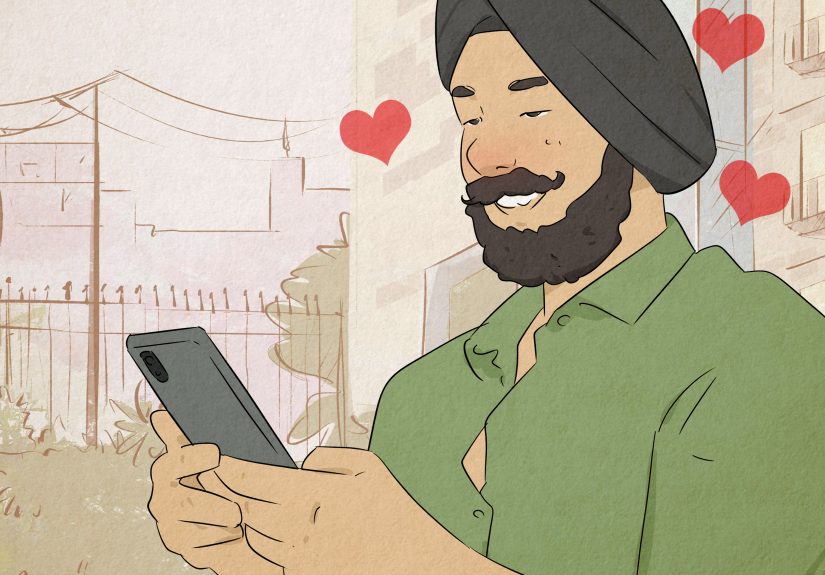
You sent a text. You got… nothing. Now you’re staring at your phone like it owes you money.
First, a truth that’s both annoying and liberating: you can’t make anyone text you back. But you can send messages that are easier to respond to, feel better to receive, and (most importantly) don’t accidentally radiate “I’m building a conspiracy board with your typing bubble on it.”
This guide is a practical, respectful, modern take on how to make someone text you backwithout guilt-tripping, spamming, or playing weird mind games. You’ll get 15 tips with examples, plus what to avoid, what “no reply” might mean, and how to keep your dignity fully hydrated.
Why people don’t text back (it’s not always about you)
Before we jump into tactics, it helps to zoom out. A slow or missing reply can happen for totally normal reasons:
- They’re busy (work, family, travel, mental load, life being life).
- Your message didn’t require a response (a statement can accidentally end a conversation).
- They saw it at a bad moment and forgot to circle back.
- They’re overwhelmed and texting feels like one more demand.
- They’re unsure what to say (especially after tension or a heavy topic).
- They communicate differently (some people are not “text people”).
- They’re pulling away (and yes, sometimes that’s the answer).
Your goal isn’t to “hack” them. It’s to communicate clearly, keep things light where appropriate, and create space for a replywhile respecting boundaries.
Before you text again: a 20-second reality check
Do this quick audit so you don’t accidentally turn one unanswered text into a three-season drama:
- Time + context: Is it work hours, late night, or a weekend? Did you text during a meeting-y time?
- Urgency: Is this logistics (time-sensitive) or emotional (can wait)?
- Last message quality: Was it clear, short, and easy to answer?
- Pattern: Is this a one-off delay or a consistent “I never respond” vibe?
- Your emotional state: If you’re texting from anxiety, anger, or revenge, pause. Hydrate. Touch grass. Then decide.
15 tips to make someone text you back (with examples)
1) Assume neutral intentat least at first
If you start from “they hate me,” your follow-up will sound like a courtroom cross-examination. Start from “they might be busy,” and your message stays calm and attractive.
Example: “Hey! Just checking inno rush. Hope your day’s going okay.”
2) Wait a reasonable amount of time (timing matters)
“Reasonable” depends on the relationship and the message. A coworker? Wait until business hours. A friend? A few hours to a day is normal. A date? Give it timenobody falls in love faster because you refreshed iMessage 37 times.
Example (logistics): “Heyquick confirm: are we still on for 6?”
Example (non-urgent): “No hurryreply whenever you have a minute.”
3) Make it easy to respond (one clear question)
Many texts don’t get replies because they’re vague or overloaded. Keep it to one questiontwo max. Less “interview,” more “easy win.”
Example: “Want to grab coffee this weekTuesday or Thursday?”
4) Offer simple choices instead of open-ended pressure
Choices reduce effort. They also reduce the “I don’t know what to say” problem.
Example: “Are you feeling more ‘quick call’ or ‘text later’ today?”
Example: “Pizza or tacos for dinner?”
5) Keep your follow-up short (your phone is not a novel publisher)
Long paragraphs can feel like homeworkespecially if the other person is busy. Save the deeper talk for a call or in person when possible.
Example: “Quick onedid you see my last message?”
6) Add a gentle “out” so they don’t feel cornered
When people feel trapped, they avoid responding. Give them an exit ramp and they’re more likely to reply honestly.
Example: “If now’s not a great time, all goodjust let me know what works for you.”
7) Try a thoughtful double text (once), not a texting marathon
Double texting isn’t illegal. It’s only a problem when it becomes a habit or feels demanding. One polite follow-up after a reasonable wait is normal. Ten follow-ups is a cry for help (and a phone charger).
Example: “Heycircling back. Still want to do that thing we talked about?”
8) Respond to their “style,” not your anxiety
If they’re a brief texter, sending five emoji-rich paragraphs can overwhelm them. Mirror their vibe: short, warm, and straightforward.
Example (if they’re brief): “You free tonight?”
Example (if they’re chatty): “Okay I need your expert opinion: pineapple on pizzacrime or art?”
9) Use a “light bid” for connection (not a demand)
A “bid” is a small attempt to connectsomething easy to answer. People are more likely to respond to warmth than to pressure.
Example: “This reminded me of you 😂 (sends meme)”
Example: “Hope your presentation went well today.”
10) If there’s tension, use a repair attempt
If your last exchange was awkward, the silence might be “I don’t want to fight,” not “I never want to speak to you again.” A simple, non-defensive repair can reopen the door.
Example: “I think my last text came off sharper than I meant. Sorry about that.”
Example: “Can we reset? I care about this, and I’d rather talk calmly.”
11) Use “I” statementsskip the accusations
Accusations (“You always ignore me”) invite defensiveness or avoidance. “I” statements are clearer and calmer.
Example: “I felt a little worried when I didn’t hear backare you okay?”
Not this: “Wow. Guess you’re too busy for me.”
12) Move heavy conversations off text
Text is great for quick logistics and light connection. For conflict, big feelings, apologies, or “What are we?” talks, a call is often better. You reduce misunderstandings and tone confusion.
Example: “This feels easier to talk about than textcan we do a quick call tonight?”
13) Check your last message: did it accidentally end the conversation?
Sometimes people don’t reply because there’s nothing to reply to. If your last text was a statement, follow up with a small question.
Example: “That place was awesome.”
Better follow-up: “Want to go again next weekend?”
14) If it’s urgent, label it as urgentand be specific
Don’t make them guess. If you need a response for a real reason (timing, plans, safety), say so plainly.
Example: “Quick time-sensitive question: can you confirm by 3pm so I can book the tickets?”
15) Know when to stop (and keep your self-respect)
This is the big one. If they consistently don’t reply, you can’t “optimize” your way into mutual effort. A healthy approach is: send one follow-up, maybe a second if there’s logistics, then step back.
Example (final, respectful): “All good if you’re busy or not feeling itjust wanted to check in. Take care.”
What not to text (unless you want the silence to level up)
If you want someone to reply, avoid messages that feel like pressure, punishment, or a guilt trap:
- Guilt trips: “Guess I don’t matter.”
- Scorekeeping: “It’s been 6 hours since you replied.”
- Threats / ultimatums: “If you don’t answer, we’re done.”
- Spam: five texts in a row with no new information.
- Control vibes: “Where are you? Who are you with? Reply now.”
Even if you feel anxious, these texts often backfire because they increase pressure and reduce emotional safety.
What if they’re ghosting you?
Sometimes silence is information. If someone repeatedly doesn’t respond, cancels often, or only replies when it’s convenient for them, it may be a sign of low interest or a one-sided dynamic.
A healthy, reality-based move is to send one clean check-in, then stop investing. You’re not “losing.” You’re saving your time for people who can communicate like adults who own chargers.
Quick templates you can copy-paste (without sounding robotic)
- Friendly nudge: “Hey! Just bumping thisstill good for you?”
- Low-pressure: “No rushreply whenever you can.”
- Choices: “Want to do A or B?”
- Repair: “I’m sorry about earlier. I didn’t mean it that way.”
- Move to call: “Can we talk for 10 minutes instead of texting?”
- Graceful exit: “All good either wayjust wanted to check in.”
Experiences and real-world scenarios (what people learn the hard way)
Below are common “been there” experiences people often describe when trying to get someone to text back. These are composite examples (not anyone specific), but the lessons are very real.
Scenario 1: The too-long text that felt like a task.
Someone sends a detailed multi-paragraph message: three questions, one emotional confession, and a “what do you think?” at the end. The receiver sees it while walking into a meeting, thinks “I’ll answer later,” and then later turns into never. When the sender shortens the follow-up to one questionsomething like, “Hey, do you want to talk tonight or tomorrow?”they often get a reply. The lesson: effort is a tax. Lower the tax, increase the response rate.
Scenario 2: The anxious double text spiral.
A person sends: “Hey :)” and doesn’t hear back for two hours. Then: “Did I do something?” Then: “Hello??” Then: “Okay cool.” That sequence usually doesn’t produce a replyit produces avoidance. When they learn to wait and send a calm, single follow-up (“No rushjust checking in”), the conversation is more likely to restart. The lesson: one thoughtful follow-up is normal; multiple emotionally loaded follow-ups feel like pressure.
Scenario 3: The mismatch in texting styles.
One person texts in essays with perfect punctuation and emotional nuance. The other texts like a sleepy raccoon: “lol yea” and disappears for half a day. The essay-texter assumes they’re being ignored; the raccoon-texter assumes everything is fine. When the essay-texter matches the other person’s pace and saves big topics for calls, both feel less stressed. The lesson: compatibility isn’t just attractionit’s also communication rhythm.
Scenario 4: The “we need to talk” text that froze everything.
People commonly report that “We need to talk” without context can trigger dread and avoidance. A better approach: name the topic gently and offer timing options. “Heycan we talk for 10 minutes later? Nothing scary, I just want to clear up last night.” The lesson: reduce ambiguity, reduce anxiety.
Scenario 5: The hard truth that silence is an answer.
Sometimes the most valuable “experience” is realizing you’re trying to revive a conversation that only exists because you keep restarting it. People often describe the relief of sending one final respectful message and then stepping away. Not as revengejust clarity. The lesson: you don’t need closure from someone who won’t communicate; you can create closure with your own boundaries.
Scenario 6: The repair that changed everything.
After a misunderstanding, one person goes quiet. The other sends a defensive follow-up and things get worse. Later, they try a repair: “I care about you. I think I misunderstood, and I’m sorry for my tone. Can we reset?” Often, that’s the message that gets a responsebecause it lowers the emotional temperature. The lesson: connection usually returns faster when defensiveness leaves first.
Conclusion
If you want someone to text you back, the best strategy is surprisingly simple: be clear, be kind, be easy to respond to, and don’t chase past the point of self-respect.
Your texts should feel like an open doornot a siren, not a courtroom, and definitely not a hostage negotiation. Use the tips above to send smarter follow-ups, communicate like an adult, and protect your peace when silence is the only reply you’re getting.