Table of Contents >> Show >> Hide
- Why Roasting Vegetables Tastes So Good
- Step-by-Step: How to Make Perfect Roasted Vegetables Every Time
- Roasting Times Cheat Sheet
- Flavor Combos to Try
- Serving, Storing, and Reheating Roasted Vegetables
- Common Roasted Vegetable Mistakes (and How to Fix Them)
- Real-Life Experiences & Extra Tips for Next-Level Roasted Veggies
If you’ve ever pulled a pan of “roasted” vegetables out of the oven only to find them pale, soggy, or charred beyond recognition, you’re not alone. Roasting vegetables sounds easychop, toss, bakebut getting that perfect mix of crispy edges and tender centers takes a little science and a few pro tricks.
The good news? Once you understand how heat, oil, and pan space work together, perfect roasted vegetables become a no-recipe, weeknight superpower. You can clear out your crisper drawer, toss everything onto a tray, and end up with a side dish that tastes like it came from a restaurant (with way less effort than it looks).
In this guide, you’ll learn exactly how to roast vegetables so they come out golden, caramelized, and deeply flavorful every single time. We’ll cover the best oven temperature, how to cut and season different veggies, what pans to use, and how to fix common roasting mistakes. Then we’ll finish with some real-life tips and experiences to help you take your roasted veggies from “fine” to “wow, is this… just vegetables?”
Why Roasting Vegetables Tastes So Good
Roasting works its magic by combining high, dry heat with the natural sugars inside vegetables. As the moisture on the surface evaporates, the outside of each piece gets hot enough to brown and caramelize. That’s where those sweet, toasty flavors come from.
Most cooking experts agree that the sweet spot for roasting vegetables is in the 400°F to 450°F range, with 425°F being a great all-purpose starting point. It’s hot enough to encourage browning, but not so hot that everything burns before it’s cooked through.
Oil plays a supporting role here. A thin, even coating of oil helps conduct heat, encourages caramelization, and carries seasoning into every nook and cranny. Too little oil and your vegetables dry out and stick. Too much, and they can turn greasy or burn instead of crisp.
The last big factor is air circulation. When vegetables are crowded shoulder-to-shoulder on the pan, they steam in their own moisture instead of roasting. Giving them room to breathe is the difference between limp, soft veggies and those coveted crispy, caramelized edges.
Step-by-Step: How to Make Perfect Roasted Vegetables Every Time
1. Choose the Right Vegetables
The beauty of roasted vegetables is that almost anything goes. Some of the best candidates include:
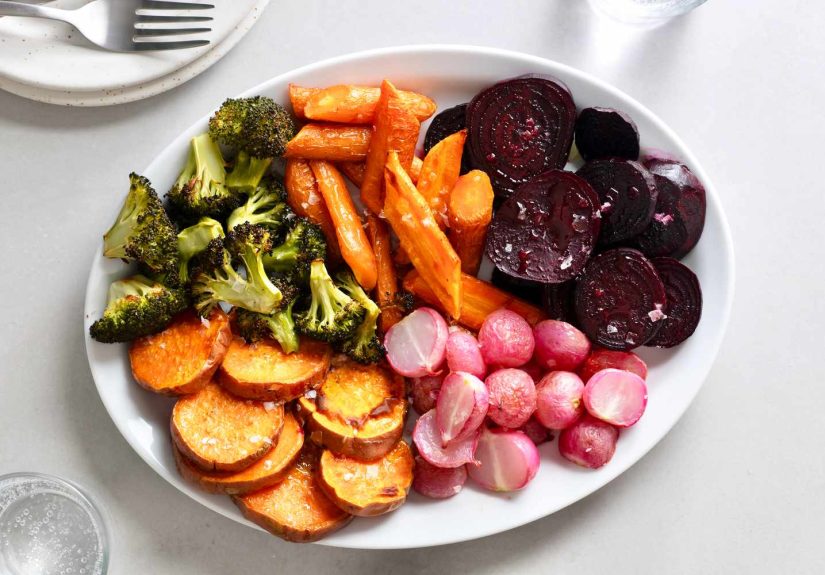
- Root vegetables: potatoes, sweet potatoes, carrots, parsnips, beets, turnips
- Cruciferous vegetables: broccoli, cauliflower, Brussels sprouts, cabbage wedges
- Alliums: onions, shallots, leeks, whole garlic cloves
- Summer vegetables: zucchini, yellow squash, bell peppers, cherry tomatoes, green beans, asparagus
- Mushrooms: cremini, button, portobello slices
You can roast just one vegetable for a simple side or mix a few with similar cooking times. Dense root vegetables take longer than tender veggies like zucchini or asparagus, so either group them by type or add the quick-cooking ones later.
2. Cut for Even Cooking
The exact shape isn’t as important as consistency. The goal is to cut each vegetable into evenly sized pieces so they cook at the same rate.
- Potatoes, sweet potatoes, carrots: 1/2- to 3/4-inch cubes or wedges
- Broccoli and cauliflower: medium florets (about 1 1/2 inches)
- Brussels sprouts: halved (quartered if very large)
- Zucchini, squash, eggplant: 1/2-inch slices or half-moons
- Onions: thick wedges (root left intact so they don’t fall apart)
Don’t stress about perfect geometry. Rustic is fine; uniform matters more than pretty. If you’re mixing veggies, try to cut the denser ones slightly smaller and the delicate ones slightly larger to help them finish at the same time.
3. Season Generously
Seasoning happens in two main layers: before roasting and after roasting.
Before roasting, you’ll want:
- Oil: 1 to 2 tablespoons per pound of vegetables. Olive oil is classic, but avocado oil, canola oil, or another high-heat oil works too.
- Salt: Kosher salt or sea salt helps bring out flavor and encourages browning.
- Black pepper: Freshly ground for a subtle kick.
- Dry spices and dried herbs (optional): garlic powder, smoked paprika, cumin, dried thyme, oregano, or rosemary all hold up well in the oven.
Put the cut vegetables in a large bowl, drizzle with oil, add salt, pepper, and any dry seasonings, then toss thoroughly until every piece looks glossy. This is not the time for a lazy drizzle directly on the pantossing in a bowl ensures each piece is coated and seasoned evenly.
Save delicate add-ins like fresh herbs, lemon zest, or a splash of vinegar for after roasting so they stay bright and fresh.
4. Pick the Best Pan and Setup
For perfect roasted vegetables, your pan choice matters more than most people realize:
- Use a large, rimmed metal baking sheet. Darker, heavier pans tend to brown more aggressively, while shiny, foil-lined pans roast more gently.
- Skip deep roasting dishes. High sides trap steam and slow down browning.
- Line or don’t line? For maximum caramelization, many pros like to roast directly on a bare, lightly oiled metal pan. If easy cleanup is a priority, you can line with foil. Parchment is convenient, but it can slightly reduce browning and crispiness.
Whatever pan you choose, the non-negotiable rule is: don’t crowd it. Arrange the vegetables in a single layer with a bit of space between each piece. If you can’t see gaps of pan between the vegetables, they’re too crowded. Use two pans if you need to.
5. Roast at the Right Temperature
Preheat your oven to 425°F. Give it a few extra minutes to really come up to temperatureyou want that blast of heat ready when the tray goes in.
- Spread the seasoned vegetables in a single, uncrowded layer on your baking sheet.
- Place the pan on the middle rack for even heating. If your oven runs cool, you can experiment with the upper rack for more browning.
- Roast without touching them for the first 10–15 minutes to let the bottoms start to brown.
- Stir or flip once about halfway through to get color on multiple sides.
- Continue roasting until the vegetables are deeply golden on the edges and tender in the center when pierced with a fork.
Instead of relying only on a timer, trust your eyes and nose: you’re looking for color, not just softness. If they’re soft but still pale, they need more time or a slightly higher rack position.
Roasting Times Cheat Sheet
Every oven is a little different, but these general guidelines at 425°F will get you very close. All times assume evenly cut pieces and an uncrowded pan:
- 15–20 minutes: asparagus, green beans, cherry tomatoes, zucchini, yellow squash, mushrooms
- 20–25 minutes: broccoli florets, cauliflower florets, bell peppers, onion wedges, Brussels sprouts halves
- 25–35 minutes: potatoes, sweet potatoes, carrots, parsnips, beets, winter squash cubes (butternut, acorn)
Start checking a few minutes before the low end of the range. If the vegetables have good color but are still too firm, lower the oven temperature by 25°F and keep roasting until tender. If they’re tender but not browning, move the pan up a rack or increase the heat slightly for the last 5–10 minutes.
Flavor Combos to Try
Once you’ve mastered the basic method, you can change the personality of your roasted vegetables with a few smart flavor combinations. Here are some fun, flexible ideas:
Mediterranean Sheet Pan
- Veggies: zucchini, red onion, bell peppers, cherry tomatoes, eggplant
- Before roasting: olive oil, dried oregano, dried thyme, garlic powder, salt, pepper
- After roasting: crumbled feta, lemon zest, fresh parsley or basil
Maple Dijon Root Vegetables
- Veggies: carrots, parsnips, sweet potatoes, red onion
- Before roasting: neutral oil, salt, pepper, a pinch of smoked paprika
- After roasting: toss with a spoonful of Dijon mustard and maple syrup, plus chopped fresh thyme
Smoky Tex-Mex Veggie Mix
- Veggies: corn (off the cob), sweet potatoes, bell peppers, red onion
- Before roasting: olive oil, salt, pepper, cumin, chili powder, smoked paprika
- After roasting: lime juice, cilantro, maybe a sprinkle of cotija cheese
Think of roasted vegetables as a blank canvas. You can finish them with pesto, tahini sauce, vinaigrette, flavored butter, yogurt sauce, or even a drizzle of balsamic glaze. A simple “after roasting” flourish is often what makes them taste restaurant-level.
Serving, Storing, and Reheating Roasted Vegetables
Perfect roasted vegetables are endlessly versatile. Try them:
- As a simple side dish with chicken, fish, steak, or tofu
- Piled over cooked grains like quinoa, rice, or farro for an easy grain bowl
- Tucked into tacos, quesadillas, or wraps with your favorite protein
- Tossed with pasta, olive oil, and Parmesan for a quick dinner
- Baked into frittatas, omelets, or breakfast hashes
To store leftovers, let the vegetables cool completely, then transfer to an airtight container and refrigerate for up to 4 days.
For the best texture, reheat roasted vegetables in a hot oven or skillet rather than the microwave. Spread them on a baking sheet and warm at 400°F for 5–10 minutes, or crisp them in a skillet over medium heat with a tiny splash of oil.
Common Roasted Vegetable Mistakes (and How to Fix Them)
“My vegetables turn out soggy, not crispy.”
This usually means they were crowded on the pan or the oven temperature was too low. Use a bigger baking sheet or two pans, and make sure the oven is fully preheated to at least 400°F, ideally 425°F.
“They’re burnt on the outside but still hard inside.”
The pieces may be too large, the oven too hot, or the vegetables are on a very dark pan too close to the heating element. Cut veggies slightly smaller, move the pan to the center rack, or reduce the temperature by 25°F and cook a bit longer.
“They stick to the pan.”
Sticking usually means not enough oil or moving the vegetables too early. Make sure everything is well coated in oil before roasting, and give the vegetables time to develop a crust before you try to flip them. Once they’re nicely browned, they’ll release much more easily.
“They taste bland.”
Salt is your friend. Taste a piece while it’s still hot and add a little more salt if needed. Then brighten things up with finishing flavorslemon juice, vinegar, fresh herbs, grated cheese, or a drizzle of good olive oil can make a huge difference.
Real-Life Experiences & Extra Tips for Next-Level Roasted Veggies
Perfect roasted vegetables aren’t just about following steps; they’re also about getting comfortable with your oven, your pans, and your own taste preferences. Here are some experience-based tips and examples that help the method “click” in everyday cooking.
Know Your Oven’s Personality
Every oven has quirks. Maybe yours runs hot, maybe it has a hotter back corner, or maybe the bottom burner scorches anything on the lowest rack. The first few times you roast vegetables, pay attention to where the darker spots appear on the pan.
If one side of the pan browns faster, rotate the pan halfway through roasting. If the bottoms burn before the tops get color, move the rack up one notch. If everything always seems to lag behind the recipe time, your oven might run cool, and you can bump the temp up by 15–25°F next time.
The “Two-Pan” Epiphany
One of the biggest mindset shifts for many home cooks is realizing that more space can be more important than more seasoning. If you’ve ever made roasted vegetables for a crowd and ended up with a sad, steamy pile, you probably crammed too much onto a single pan.
Try this experiment: roast the same amount of vegetables on one pan and on two pans, using the same temperature and time. The two-pan batch almost always wins, with better browning and more concentrated flavor. Once you see that difference, grabbing a second sheet pan becomes automatic whenever you’re feeding more than two people.
How Meal Prep Changes the Game
Another real-life advantage of learning how to make perfect roasted vegetables is how well they work for meal prep. On a Sunday afternoon, you can fill two big sheet pans with a mix of vegetablessay, one pan of roots (potatoes, carrots, sweet potatoes) and one pan of quicker-cooking veggies (broccoli, peppers, onions).
Roast them, cool them, and divide into containers. All week long, you can throw together quick grain bowls, wrap fillings, or side dishes without doing a ton of chopping or cooking from scratch. If you’re trying to eat more vegetables without feeling like you live in the kitchen, this one habit is surprisingly powerful.
Winning Over the Veggie Skeptics
Roasting has converted more “I hate vegetables” people than almost any other method. Steamed Brussels sprouts can be a tough sell; roasted Brussels sprouts with crisp edges and a little char are a completely different experience.
If you’re cooking for picky eaters (kids or adults), start with naturally sweet vegetables like carrots, sweet potatoes, and cherry tomatoes. Roast them until the edges are caramelized and toss with something familiar and funmaybe a sprinkle of Parmesan, a drizzle of honey and butter, or a squeeze of ketchup or ranch on the side. Sometimes it’s not that people hate vegetables; they just haven’t met them at their best yet.
Using Roasted Vegetables as a Flavor “Boost”
One of the best tricks experienced home cooks use is treating roasted vegetables as a flavor concentrate. Toss a handful of leftover roasted mushrooms into a pot of soup and it suddenly tastes richer. Stir roasted cauliflower into mac and cheese and you get a more complex, grown-up version of a comfort classic.
You can even blend roasted vegetables into sauces. Roasted red peppers can be pureed with olive oil, garlic, and a splash of vinegar for a quick sauce. Roasted butternut squash can be blended into broth and cream for a fast soup. Once you start thinking of roasted vegetables as building blocks, they become a kind of secret weapon hiding in your fridge.
Permission to Experiment
Finally, the most useful “experience tip” is this: don’t be afraid to experiment. Try roasting something you’ve only ever eaten steamed or raw. Change up the seasoning. Swap in a different finishing touch. Pay attention to what you likeextra crispy edges, a little char, or a softer, more tender centerand adjust the time and temperature to match your personal style.
The more you roast, the more intuitive it becomes. At some point, you’ll look into the oven, glance at the color on the edges, and just know when your perfect roasted vegetables are ready. And once you reach that point, you’ll find yourself roasting vegetables all the timenot because you “should,” but because they genuinely taste great.