Table of Contents >> Show >> Hide
- Pantry Check: What You Need for Classic From-Scratch Pancakes
- Step-by-Step: Easy Classic Pancakes From Scratch
- Pro Tips for Fluffy, Golden Pancakes Every Time
- Quick Variations: Pancakes for Every Morning Mood
- Topping Ideas to Keep Pancakes Interesting
- How to Store, Freeze, and Reheat Pancakes
- Real-Life Pancake Experiences: Lessons From the Griddle
If your idea of “from scratch” pancakes is adding water to a box mix, this article is your gentle nudge to level up. Making homemade pancakes is genuinely easy, incredibly customizable, and often just as fast as opening a package. Once you know the basic formula and a few tricks the pros use, you can turn out tall, fluffy pancakes on a sleepy Sunday or a rushed Tuesday morning.
Below, we’ll walk through a simple from-scratch pancake recipe, why each ingredient matters, and how to avoid gummy, flat, or burnt flapjacks. Then we’ll move on to quick variations: buttermilk pancakes, banana-oat blender pancakes, whole wheat options, sheet-pan pancakes for a crowd, and pancake muffins you can grab on your way out the door.
Pantry Check: What You Need for Classic From-Scratch Pancakes
Most classic American pancakes use the same few pantry staples. If you’ve ever browsed popular recipes from Allrecipes, Serious Eats, or Martha Stewart, you’ll see the same pattern over and over: flour, leavener, a little sugar, salt, milk, eggs, and some kind of fat.
Essential Ingredients (and What They Actually Do)
- All-purpose flour: The structure. Most classic recipes use about 1½ to 2 cups for a family-sized batch.
- Baking powder (and sometimes baking soda): The lift. Baking powder is the main leavener; some recipes add baking soda when buttermilk is involved for extra browning and tenderness.
- Sugar: A tablespoon or two sweetens the batter slightly and helps with browning.
- Salt: Rounds out the flavorskip it and your pancakes taste mysteriously “flat,” even if they’re fluffy.
- Milk or buttermilk: Hydrates the flour and helps create tenderness. Buttermilk adds tang and reacts with baking soda for extra fluff and golden edges.
- Eggs: Add structure and richness and help the pancakes puff instead of spreading like crepes.
- Butter or oil: Adds flavor and softness. Melted butter is classic, but neutral oil works if you’re in a hurry.
- Vanilla (optional but recommended): Not essential for structure, but it makes your kitchen smell like a brunch restaurant.
Once you understand the “why” behind the ingredients, tweaking any pancake recipe becomes much easier. Want richer pancakes? Add a bit more butter. Prefer super fluffy? Use buttermilk and don’t skimp on the baking powder.
Step-by-Step: Easy Classic Pancakes From Scratch
This basic method borrows techniques from widely loved recipes that emphasize not overmixing, using the right amount of leavener, and cooking on a medium, not screaming-hot, skillet.
Classic Pancake Batter (Makes 8–10 Medium Pancakes)
Ingredients
- 1½ cups all-purpose flour
- 2 tablespoons sugar
- 2 teaspoons baking powder
- ½ teaspoon baking soda (optional, but great if you use some buttermilk or yogurt)
- ½ teaspoon fine salt
- 1½ cups milk (or 1 cup milk + ½ cup buttermilk or plain yogurt)
- 2 large eggs
- 3 tablespoons melted butter or neutral oil, plus more for the pan
- 1 teaspoon vanilla extract
Directions
- Whisk the dry ingredients. In a large bowl, whisk together flour, sugar, baking powder, baking soda (if using), and salt. This evenly disperses the leavener so you don’t get random ultra-puffy or dense spots.
- Whisk the wet ingredients. In a separate bowl or large measuring cup, whisk the milk, eggs, melted butter, and vanilla until smooth.
- Combinegently. Pour the wet mixture into the dry. Stir with a spatula just until the flour streaks disappear. A few small lumps are absolutely fine. Overmixing develops gluten, which turns your fluffy pancake dreams into chewy hockey pucks.
- Let the batter rest. Let the batter sit for about 5–10 minutes. Many pros recommend this step: it gives the flour time to hydrate and the leavener time to start working, which helps with tenderness and rise.
- Preheat the pan. Heat a nonstick skillet or griddle over medium heat. When a drop of water skitters across the surface, it’s ready. Lightly grease with butter or oil.
- Cook the pancakes. Pour about ¼ cup of batter per pancake. Cook until bubbles form on the surface and the edges look set, 2–3 minutes. Flip gently and cook another 1–2 minutes, until golden and cooked through.
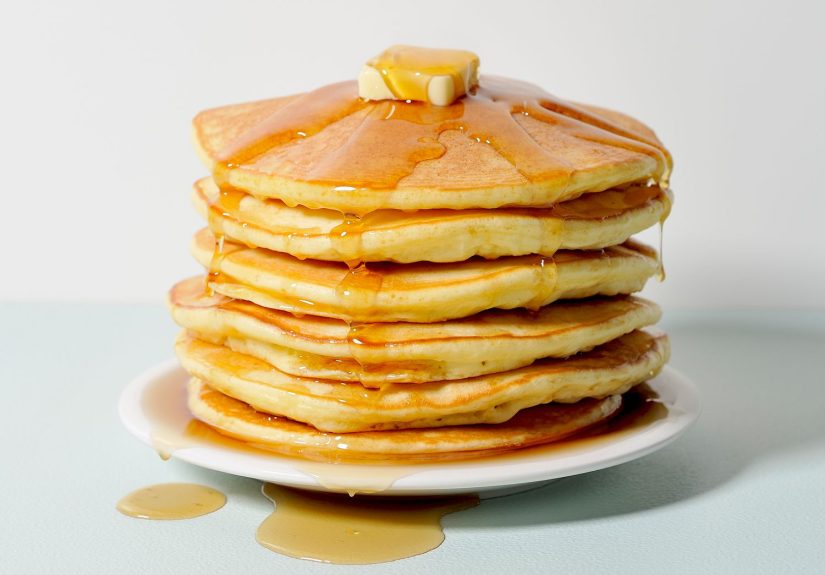
- Serve warm. Keep finished pancakes on a baking sheet in a low oven (around 200°F) while you finish the batch. Then stack high and serve with butter, maple syrup, fruit, or whatever your heart (and fridge) suggests.
That’s it: basic from-scratch pancakes. Once you’re comfortable with this formula, you can riff on it endlessly.
Pro Tips for Fluffy, Golden Pancakes Every Time
- Don’t fear a slightly thick batter. Thicker batter usually yields taller pancakes. If it’s <emtoo thick to pour, whisk in a tablespoon of milk at a time until it flows slowly off a spoon.
- Resist pressing down with the spatula. Flattening pancakes to “help them cook” squeezes out air and makes them dense.
- Adjust heat as you go. If pancakes are browning too fast but still raw inside, lower the heat a bit. If they look pale and sad, bump it slightly up.
- Use fresh leavening. Baking powder and baking soda lose oomph over time. If your pancakes won’t rise, check those dates.
- Swap in some buttermilk when you can. Many top-rated recipes credit their fluffy texture and tangy flavor to buttermilk.
Quick Variations: Pancakes for Every Morning Mood
Now for the fun partother quick pancake recipes you can make once you know the basic method.
1. Classic Buttermilk Pancakes
Buttermilk pancakes are the diner classic: tangy, tender, and extra fluffy. Popular recipes from sites like Sugar Spun Run, Natasha’s Kitchen, and Tastes Better From Scratch all lean on the same combo: buttermilk + baking powder + baking soda.
Quick method:
- Use the basic recipe above but replace most or all of the milk with buttermilk.
- Keep the baking powder and add ½ teaspoon of baking soda.
- Don’t overmix, and let the batter rest 5–10 minutes.
Result: pancakes with beautifully browned edges, soft centers, and a subtle tang that pairs perfectly with syrup and berries.
2. Banana Oat Blender Pancakes (Naturally Gluten-Free)
Healthy-ish banana oat pancakes are the weekday hero. Many U.S. food blogs, including Ambitious Kitchen and Simply Delicious, make them with rolled oats instead of flour, ripe bananas for sweetness, and eggs for structure.
Basic banana oat blender pancake formula:
- 2 ripe bananas
- 2 cups rolled oats
- 2 eggs
- 1–1¼ cups milk (dairy or non-dairy)
- 1–2 tablespoons maple syrup or honey (optional)
- 1 teaspoon baking powder
- Pinch of salt + cinnamon + vanilla, if you like
Blend everything until smooth, let it sit a few minutes to thicken, then cook just like regular pancakes. These pancakes are naturally sweet, high in fiber, and perfect for topping with nut butter and fresh fruit.
3. Whole Wheat Banana or Oat Pancakes
If you want more whole grains but still crave classic pancake vibes, try whole wheat pancakes with banana and oats. Cookie and Kate and other nutrition-minded sites highlight how whole wheat flour plus fruit and oats create more filling pancakes that won’t leave you hungry an hour later.
Quick whole-wheat variation: Swap half or all of the all-purpose flour for whole wheat flour, and add ¼–½ cup oats (quick or rolled). You may need an extra splash of milk because whole grains absorb more liquid. Stir in mashed banana for sweetness, chopped nuts for crunch, and a pinch of cinnamon.
4. Sheet-Pan Pancakes (Hands-Off Brunch for a Crowd)
Hosting brunch or feeding kids who all want pancakes at the exact same time? Sheet-pan pancakes are your friend. Food bloggers like The Flavor Bender, Feel Good Foodie, and others popularize this approach: mix a standard batter, pour it into a rimmed baking sheet, add toppings, and bake.
How to do it fast:
- Preheat your oven to 400–425°F.
- Grease a rimmed half-sheet pan or line it with parchment.
- Mix your favorite pancake batter (from-scratch or from a mix).
- Pour into the pan and smooth the top.
- Scatter toppings in “zones”: blueberries in one area, chocolate chips in another, maybe banana slices and walnuts in a third.
- Bake about 12–15 minutes, until lightly golden and set.
Slice into squares and serve. No flipping, no standing over the stove, no arguing over whose turn it is.
5. Pancake Muffins for Grab-and-Go Mornings
Pancake muffins combine everything you love about pancakes with the practicality of muffins. Family-friendly blogs like Yummy Toddler Food and Family Fresh Meals show variations using either homemade batter or pancake mix.
Basic pancake muffin method:
- Preheat oven to 350–375°F and grease a muffin pan.
- Mix a slightly thicker pancake batter than usual (so it doesn’t run all over).
- Fill muffin cups about ⅔ full.
- Add toppings: blueberries, mini chocolate chips, diced apple, or even cooked sausage crumbles.
- Bake 12–18 minutes, depending on size, until a toothpick comes out clean.
Once cooled, pancake muffins store well in the fridge or freezer and reheat in seconds for an easy breakfast or snack.
Topping Ideas to Keep Pancakes Interesting
Once you’ve nailed how to make pancakes from scratch, toppings are where you can get creative without changing the batter.
- Classic: Butter + warm maple syrup.
- Berry brunch: Mixed berries, Greek yogurt, and a drizzle of honey.
- PB & banana: Sliced banana, peanut butter, and chopped nuts.
- Dessert-ish: Nutella, strawberries, and whipped cream (great for birthdays or “we survived the week” Fridays).
- Savory twist: Skip the sugar in the batter and top with fried eggs, bacon, or smoked salmon and crème fraîche.
How to Store, Freeze, and Reheat Pancakes
Good news: pancakes are highly freezer-friendly. Many buttermilk pancake recipes specifically recommend making a double batch and freezing extra for busy mornings.
Short-Term Storage
- Cool leftover pancakes completely.
- Store in an airtight container in the fridge for 2–3 days.
- Reheat in the toaster, toaster oven, or microwave until warmed through.
Freezing Pancakes
- Arrange cooled pancakes in a single layer on a baking sheet and freeze until solid (about 30 minutes).
- Transfer to a freezer-safe bag or container, pressing out as much air as possible.
- Freeze for up to 2–3 months.
- Reheat from frozen in the toaster or ovenno need to thaw.
Future you will be delighted to discover a stash of homemade pancakes hiding behind the frozen peas.
Real-Life Pancake Experiences: Lessons From the Griddle
Knowing how to make pancakes from scratch is one thing. Actually doing it before coffee, while someone is asking where their other shoe is, is another. Here are some real-world “experience-based” tips and scenarios that might sound familiar.
The Saturday Morning “Restaurant at Home” Pancakes
Picture this: It’s Saturday, nobody has anywhere to be for at least two glorious hours, and you announce, “We’re having pancakes from scratch!” Suddenly, you’re the most popular person in the house.
In this relaxed setting, you can lean into the buttermilk pancakes. Let the batter rest the full 10 minutes, heat a heavy skillet or griddle, and play with toppings. Make a “flight” of pancakes: one topped with blueberries, one with chocolate chips, one with sliced bananas and pecans. Let everyone vote for their favoriteinstant brunch entertainment and easy data for your next cooking session.
This is also the time to experiment with whole-wheat or banana-oat versions. If you’re cooking for a mix of preferences, you can keep the base batter classic and make one small bowl of “healthy upgrade” batter on the side. That way no one feels forced to eat something virtuous if they were mentally prepared for diner pancakes.
The Weekday “I Have 15 Minutes” Pancakes
On busy mornings, every minute counts. This is where quick recipes like blender banana oat pancakes or sheet-pan pancakes shine.
One strategy: Measure dry ingredients the night before. Stir together your flour, sugar, baking powder, and salt in a bowl, cover it, and leave it on the counter. In the morning, all you have to do is whisk in the wet ingredients. That turns a “this takes too long” recipe into something that fits between waking up and starting work or school.
Another approach is to embrace pancake muffins. Mix a simple batter on Sunday night, bake a tray of pancake muffins with different toppings, and store them in the fridge or freezer. During the week, they reheat in about 20–30 seconds in the microwavefaster than you can scroll through your notifications.
When Things Go Wrong (and How to Fix Them)
Problem: Pancakes are flat and dense. The usual suspects: old baking powder, overmixed batter, or a pan that’s too cool. Try fresh leavening, mix gently, and make sure the pan is preheated so the batter “puffs” as soon as it hits the surface.
Problem: Burnt outside, raw inside. That’s a classic “too-high heat” situation. Turn the burner down a notch and give each pancake a little more time. Pancakes like patient, medium heatnot “dragons-breath” high heat.
Problem: Batter spreads too thin. You may have added too much liquid. Sprinkle in a spoonful of flour at a time and gently fold it in until the batter slowly pours but doesn’t run like water. Also make sure your pan isn’t overly greasy; a slick of fat is good, a puddle is not.
Problem: Everyone wants to eat at the same time. Same. That’s where sheet-pan pancakes and batch-cooked freezer pancakes save the day. Bake or cook a big batch when you have time, then reheat individual portions all week. Your future mornings will feel much calmer.
Making Pancakes Your Signature Move
Here’s the fun part about mastering pancakes: once you understand the basics, you can put your own stamp on them. Maybe you’re the friend who always brings banana-oat pancakes for camping trips. Maybe you’re the parent known for weekend “pancake bars” with toppings laid out like a sundae station. Maybe you’re the meal-prepper who keeps labeled bags of frozen sheet-pan squares ready to toast.
You don’t have to memorize a dozen different recipes. Start with one reliable base recipe for from-scratch pancakes, then keep a few “quick format” tricks in your back pocket: blender batter, sheet pan, muffins. Mix and match those ideas with different toppings and mix-ins, and you’ll never be stuck in pancake monotony again.
So the next time you’re debating between grabbing a box mix or making pancakes from scratch, remember: you already know the basics, your pantry probably has everything you need, and your griddle is waiting. Flip with confidence.