Table of Contents >> Show >> Hide
- Before You Mix Anything, Know What Not to Use
- Why Homemade Cat Repellent Works at All
- How to Make Homemade Cat Repellent: 5 DIY Recipes
- How to Make These DIY Cat Repellents Actually Work
- Common Mistakes That Make DIY Repellents Fail
- When Homemade Cat Repellent Is Not Enough
- Conclusion
- Real-World Lessons From Using Homemade Cat Repellent
- SEO Tags
If the neighborhood cats have decided your flower bed is a luxury spa, your sandbox is a private restroom, and your porch planters are their official meeting room, you are not alone. Cats are clever, agile, and wonderfully stubborn. In other words, they are tiny furry project managers who did not approve your landscaping plan.
The good news is that you can usually discourage cats without hurting them, without turning your yard into a chemical experiment, and without spending a fortune on fancy products with labels that sound like they were invented by a villain in a superhero movie. The trick is to use safe smells cats dislike, make digging less inviting, and stay consistent long enough for the cat to decide your property is simply not worth the drama.
In this guide, you will learn how to make homemade cat repellent with five simple DIY recipes and mixes, where to use them, where not to use them, and how to make them actually work in real life. You will also get a few important safety notes, because the internet loves suggesting “natural” remedies that are not especially natural, not especially smart, and definitely not especially cat-safe.
Before You Mix Anything, Know What Not to Use
Let’s start with the stuff to skip. A lot of online advice for homemade cat repellent sounds clever until you remember that cats are small animals with sensitive noses, delicate lungs, and a talent for licking first and regretting it later.
Do not use essential oils. That includes citrus oil, peppermint oil, tea tree oil, eucalyptus oil, and similar concentrated oils. They may smell intense, but “intense” is not the same thing as “safe.” Cats can absorb these compounds through their skin, inhale them, or ingest them when grooming.
Do not use mothballs. They are pesticides, not magic cat boundaries. They are unsafe around pets, kids, and anyone who enjoys not poisoning the environment.
Do not use ammonia-based products. Ammonia can smell similar to urine components, which means it can make a marking problem worse instead of better. That is the exact opposite of helpful.
Do not use hot pepper bombs, cayenne-heavy dusts, or harsh chemical blends. Yes, spicy smells may repel some cats. They can also irritate eyes, noses, mouths, and paws. Humane deterrence should make an area boring and unappealing, not painful.
One more note: if the cat causing problems is your own cat and the issue is sudden spraying or litter box avoidance, talk to your veterinarian before you blame attitude, revenge, astrology, or furniture-related betrayal. Medical issues and stress can both drive this behavior.
Why Homemade Cat Repellent Works at All
Homemade cat repellent works for two main reasons: scent and texture.
Cats have extremely sensitive noses, so smells that seem mild to you can feel loud to them. Certain scents, especially citrus and vinegar, tend to make cats think, “Absolutely not, I’ll take the long way around.” That makes diluted scent barriers useful for patios, sandbox edges, garden borders, and the bottoms of fences.
Texture matters too. Cats love loose, dry, fluffy soil because it feels like a giant litter box with excellent customer service. Change the texture with pinecones, stones, twiggy mulch, lattice, or closely spaced sticks, and the same bed becomes much less attractive. The cat is not offended. The cat is just inconvenienced. That is often enough.
The best approach is to combine both. A scent says, “This area smells weird.” A texture barrier says, “Also, the flooring is bad.” Together, they send a clear message without causing harm.
How to Make Homemade Cat Repellent: 5 DIY Recipes
1. Citrus Peel Spray
This is the easiest place to start. It is inexpensive, simple, and works well for outdoor borders, patio edges, and the outside of planters.
Ingredients:
- Peels from 2 oranges, lemons, or limes
- 2 cups water
- Spray bottle
How to make it:
- Place the citrus peels in a small saucepan with the water.
- Bring to a gentle simmer for 10 to 15 minutes.
- Turn off the heat and let it steep until fully cool.
- Strain out the peels and pour the liquid into a spray bottle.
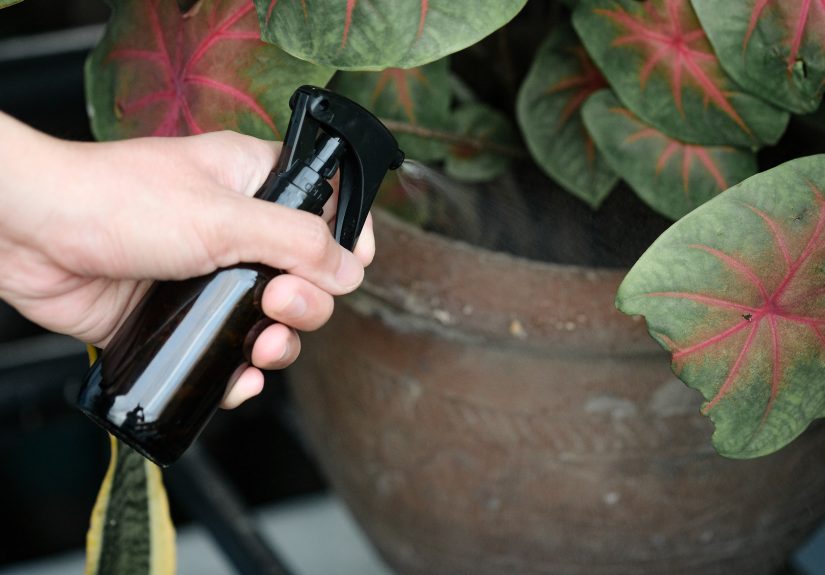
How to use it: Spray around the perimeter of flower beds, the outside of containers, fence lines, porch steps, or the outside frame of a sandbox. Reapply every couple of days and after rain.
Best for: Yard borders, hardscape edges, porch areas, and spots where cats pass through but do not lounge.
Avoid using it on: The cat itself, food plants right before harvest, or surfaces where a strong citrus residue would annoy you more than the cat.
2. White Vinegar Border Spray
Vinegar is the old reliable of DIY deterrents. It is not glamorous. It smells like a salad got aggressive. But for temporary outdoor cat deterrence, it is practical.
Ingredients:
- 1 cup white vinegar
- 1 cup water
- Spray bottle
How to make it:
- Mix the vinegar and water in a spray bottle.
- Shake lightly before each use.
How to use it: Spray along the outer edge of patios, around trash can areas, on the outside of raised beds, along fence bottoms, or around a sandbox perimeter. Think “border control,” not “blanket coverage.”
Best for: Hard surfaces, outdoor entry points, and places where cats repeatedly mark or pass through.
Avoid using it on: Natural stone, delicate finishes, unsealed wood, or directly on plant leaves. Test first if you care deeply about the surface and your future mood.
3. Dried Citrus Peel Scatter
This one is as low-tech as it gets, and that is part of the charm. If the cat problem is mostly about digging in beds or loafing in one annoying corner, dried peels can help.
Ingredients:
- Peels from several oranges, lemons, or limes
- Baking sheet or plate
- Optional mesh bag for storage
How to make it:
- Cut the peels into small strips or chunks.
- Let them air-dry for a few days, or dry them in a very low oven until they are leathery, not burnt.
- Store the dried peels in a bowl or mesh bag until needed.
How to use it: Scatter the dried peels lightly around flower beds, along the edges of a sandbox, near porch planters, or around the base of problem areas outdoors.
Best for: Spot treatment in garden beds and around containers.
Why people like it: It costs almost nothing, uses kitchen scraps, and looks less alarming than mystery powder sprinkled everywhere like you are warding off a medieval curse.
4. No-Dig Mulch Mix
This is not a liquid spray. It is a texture recipe, and honestly, texture often outperforms scent when cats are committed to digging.
Ingredients:
- 1 part small pinecones
- 1 part smooth river rocks or large pebbles
- 1 part coarse bark mulch or twiggy mulch
How to make it:
- Combine the materials in a bucket or garden trug.
- Spread the mix across exposed soil in flower beds, around shrubs, or in bare garden corners.
How to use it: Cover the loose soil that cats like to scratch in. The goal is not to create a fortress. The goal is to remove the soft, diggable texture that invited the cat in the first place.
Best for: Flower beds, ornamental borders, and any spot that has turned into an unauthorized litter box.
Bonus: It can actually look nice, which is more than we can say for some anti-cat strategies that make the yard look like a hardware store exploded.
5. Planter and Pot Shield Mix
Cats love containers because potting soil is loose, dry, and conveniently pre-dug by humans. Rude, but efficient. This DIY deterrent is especially good for potted herbs, porch planters, and indoor-outdoor container gardens.
Ingredients:
- Smooth decorative stones or large pebbles
- Short bamboo skewers, chopsticks, or plant stakes with blunt ends
- A few strips of dried citrus peel for the pot rim
How to make it:
- Cover the soil surface with stones, leaving room for watering.
- Insert blunt skewers or chopsticks upright every few inches, especially in larger pots.
- Tuck a few dried citrus strips around the outer rim of the planter, not buried deep in the soil.
How to use it: This creates a double deterrent: awkward footing and a mild scent warning. It is simple, tidy, and easy to refresh.
Best for: Potted plants, patio planters, and porch containers.
Note: This works better than spraying the same pot every day and hoping the cat suddenly develops respect for boundaries.
How to Make These DIY Cat Repellents Actually Work
Here is the part many articles skip: homemade repellents are rarely one-and-done. They work best when you pair them with a little strategy.
- Start at the perimeter. Do not spray the whole world. Treat the entry points first.
- Clean old odors. If a cat has sprayed or soiled the area, use an enzymatic cleaner where appropriate so the scent does not keep inviting them back.
- Remove attractions. Cover sandboxes, secure trash, do not leave pet food outside, and block cozy hiding spots.
- Reapply after rain. Nature is wonderfully unfair to homemade sprays.
- Combine scent and texture. A citrus spray plus rough mulch is stronger than either one alone.
- Be patient. Cats are creatures of habit. They may test the boundary a few times before changing their route.
Common Mistakes That Make DIY Repellents Fail
Mistake one: using too much. More is not always better. A light but consistent barrier is smarter than drenching the yard until it smells like a very emotional cleaning aisle.
Mistake two: spraying the wrong place. If cats are entering from under the fence, focus there. If they are using your planters, protect the soil surface. Aim the fix at the behavior.
Mistake three: ignoring the cleanup step. Residual urine odor can keep attracting cats. This is especially true if the problem is marking.
Mistake four: choosing unsafe ingredients just because they are popular online. Essential oils and mothballs show up in a lot of DIY advice. They also show up in poison-control warnings. Not the kind of fame you want.
When Homemade Cat Repellent Is Not Enough
If you are dealing with a persistent outdoor cat issue, add a humane physical deterrent. Cover the sandbox. Use lattice or chicken wire rolled safely under mulch. Put river rocks in favorite digging zones. Try a motion-activated sprinkler if the area can get wet without creating a new problem.
If the issue involves community cats, remember that relocation usually does not solve the long-term problem. Another cat often moves in and claims the same territory. A more effective approach is humane deterrence combined with local trap-neuter-return support when available.
Conclusion
Homemade cat repellent is not about punishing cats for being cats. It is about making your yard, porch, or planter box less appealing in a safe and humane way. The best DIY options are simple: diluted citrus, diluted vinegar, and texture changes that make digging inconvenient. No chemical warfare. No villain monologue. No dramatic showdown with a tabby at dawn.
Start with one spray and one texture barrier, test the trouble spots, and stay consistent for a week or two. In many cases, that is enough to convince even the boldest neighborhood cat that your property has become annoyingly high-maintenance. And cats, despite their confidence, are surprisingly willing to take their business elsewhere when the flooring gets weird and the smell gets suspicious.
Real-World Lessons From Using Homemade Cat Repellent
People usually imagine DIY cat repellent working like a movie scene: one spray, one dramatic sniff, one offended cat marching away forever. Real life is funnier than that. The first thing most homeowners notice is that success tends to happen in stages. Day one is often just confusion. The cat shows up, pauses, sniffs the area like a suspicious food critic, and either leaves or circles back later for a second opinion. By day three or four, patterns start to change. The cat may stop using one flower bed but move to the next soft patch of dirt five feet away, which is cat logic in its purest form.
That is why the people who get the best results are usually not the people with the strongest spray. They are the people who make the whole area less attractive. They cover the sandbox, add rocks to the pots, stop leaving birdseed or pet food where it can spill, and refresh the scent barrier after rain. In other words, they stop treating the repellent like a magic spell and start treating it like part of a system.
Another common experience is learning that different cats react differently. One cat may avoid citrus immediately. Another may act like your orange peel border is merely a decorative suggestion. Some cats hate vinegar. Others just walk around it with the self-confidence of a tiny real estate developer. That does not mean the method failed. It usually means the method needs backup. A scent deterrent works much better when the soil also feels awkward under their paws.
Container gardens are where many people get the fastest win. Once stones or pebbles cover the potting soil and a few blunt stakes break up the landing zone, most cats lose interest quickly. Large flower beds are trickier because they offer more space, more entry points, and more opportunities for a cat to negotiate with your rules. That is where rough mulch, river rocks, and border sprays really earn their keep.
One more thing people learn the hard way: old smells matter. If a cat has already marked a corner, simply adding a new scent on top of it is like spraying perfume in a gym bag and declaring victory. Clean first, then repel. Otherwise the cat may still interpret the area as familiar territory with an odd new accessory.
The most encouraging experience, though, is that humane deterrence usually does work when people stick with it. Not always overnight, and not always with one single recipe, but often with a combination of patience, repetition, and small adjustments. The cat does not need to be frightened or harmed. It just needs to decide there is an easier, softer, less citrusy place to hang out. And when that happens, everybody wins: your plants survive, the sandbox stays cleaner, and the cat gets to continue its mysterious little life somewhere else, probably while judging another yard.