Table of Contents >> Show >> Hide
- Why Make Homemade Butter in a Jar?
- Ingredients and Tools You’ll Need
- Step-by-Step: How to Make Homemade Butter in a Jar
- Don’t Skip This Step: Washing Your Butter
- Salting and Flavoring Your Jar Butter
- How to Store Homemade Butter Safely
- Common Problems (and How to Fix Them)
- Delicious Ways to Use Homemade Jar Butter
- Real-Life Lessons from Making Butter in a Jar
- Conclusion
If you’ve ever stared at a carton of heavy cream and thought, “You and I could be so much more,” this tutorial is for you. Making homemade butter in a jar is one of those kitchen projects that feels like a science experiment, a mini workout, and a magic trick all rolled into one. No mixer, no churn, no fancy gadgetsjust cream, a jar with a tight lid, and your own two hands.
In this guide, we’ll walk through exactly how to make homemade butter in a jar, why it works, how to keep it safe and fresh, and how to flavor and use it. We’ll also dig into food safety, the difference between salted and unsalted butter, and common mistakes so you don’t end up with a jar of sad, half-whipped cream.
Whether you’re doing this as a fun kids’ activity, a homesteading experiment, or just because the store was out of your favorite brand, you’ll learn how to turn heavy cream into rich, spreadable butter in under 20 minutes.
Why Make Homemade Butter in a Jar?
Store-bought butter is great, but homemade butter hits differently. When you make butter in a jar:
- You control the ingredients. Just cream and maybe a little saltno “natural flavors,” stabilizers, or additives.
- The flavor is fresher. Freshly churned butter has a sweet, clean, almost creamy taste that’s hard to match from a package.
- It’s kid-friendly and hands-on. This is a classic classroom and kitchen activity because it’s visual, tactile, and very satisfying when the butter suddenly “appears.”
- No special equipment. If you have a jar and some heavy cream, you’re halfway there.
Plus, you get a bonus: the liquid left behind is real buttermilk, which you can use in pancakes, biscuits, or marinades.
Ingredients and Tools You’ll Need
The Best Cream for Jar Butter
The most important ingredient is cream. For reliable results, choose:
- Heavy whipping cream or heavy cream with at least 36% milkfat.
- Pasteurized cream is usually easier to find and safer for home use than raw cream.
- Cold cream: Chilled cream separates faster into butterfat and buttermilk and is easier to handle.
Avoid using half-and-half or light creamthere isn’t enough fat to form butter. Ultra-pasteurized cream can still work, but it may take longer to shake.
Choosing the Right Jar
You don’t need anything fancy, but you do need something sturdy:
- Glass jar with a tight-fitting lid: A mason jar works perfectly.
- Size matters: A pint (16-ounce) jar is ideal for about 1 cup of cream. Fill the jar only halfway so the cream has room to slosh and whip.
- Metal lid over plastic: Metal lids generally seal better and withstand vigorous shaking.
You’ll also want a small bowl, a fine-mesh strainer, and a spoon or spatula for shaping the butter once it’s done.
Step-by-Step: How to Make Homemade Butter in a Jar
Step 1: Chill the Cream and Jar
For best results, start cold. Refrigerate the heavy cream until nicely chilled. You can also pop the jar (without the lid) in the fridge or freezer for a few minutes. Cold cream turns into butter faster and gives you a better texture.
Step 2: Pour the Cream into the Jar
Measure about 1 cup of heavy cream into a clean jar. This amount usually yields roughly 1/3 cup of butter, plus buttermilk.
Make sure the jar is only about halfway full. If you overfill it, the cream won’t have enough air and movement to whip and separate properly.
Step 3: Optional – Add a Pinch of Salt
If you like salted butter for spreading on bread or toast, add a small pinch (about 1/8 teaspoon) of fine salt now. You can also wait and mix in salt after the butter forms, which gives you more control.
Step 4: Shake, Shake, Shake
Screw the lid on tightly. Now the workout begins.
Shake the jar vigorously up and down. You’ll move through several stages:
- Liquid cream: It will slosh freely for the first minute or two.
- Whipped cream: It will suddenly thicken and feel “heavy,” like whipped cream. If you open the lid, you’ll see soft peaks.
- Over-whipped cream: Keep going. It may feel like nothing is moving insidethat’s normal.
- Butter break: After a few more minutes, you’ll feel and hear a distinct “thunk” as the butter separates and clumps together. You’ll also hear liquid sloshing againthat’s the buttermilk.
Depending on your shaking speed and the temperature of the cream, this usually takes 5–15 minutes. Passing the jar around the room (or to different family members) can help if your arms get tired.
Step 5: Separate the Butter from the Buttermilk
Once you clearly see a pale yellow lump of butter floating in a milky liquid, you’re ready to separate.
- Place a strainer over a bowl.
- Open the jar and pour the contents through the strainer.
- The solid butter will stay in the strainer, and the liquid buttermilk will collect in the bowl.
Don’t toss that buttermilk! Use it in pancakes, biscuits, muffin batter, or as a tangy marinade for chicken.
Don’t Skip This Step: Washing Your Butter
This is the part home butter makers often skipbut it dramatically affects how long your homemade butter lasts and how it tastes over time.
After straining, your butter still contains pockets of buttermilk. Buttermilk spoils much faster than the butterfat itself and can make the butter go off early or taste sour. Washing the butter removes most of that leftover liquid.
How to Wash Homemade Butter
- Place the butter in a small bowl.
- Pour in very cold water (some people even add a few ice cubes).
- Gently press and fold the butter with a spoon or spatula. The water will turn cloudy as the buttermilk leaches out.
- Pour off the cloudy water and repeat with fresh cold water.
- Continue rinsing until the water stays mostly clearusually 2–3 rounds.
Once the water runs clear, press the butter against the sides of the bowl to squeeze out any remaining moisture. The drier the butter, the longer it will keep.
Salting and Flavoring Your Jar Butter
At this point, you have sweet cream butter with no added salt. You can leave it plain, or you can season it to match how you’ll use it.
Basic Salted Butter
If you skipped the salt earlier, now is a great time to add it:
- Start with about 1/8 to 1/4 teaspoon of fine salt for roughly 1/3 cup of butter.
- Sprinkle the salt over the butter and gently knead it in until evenly distributed.
Salt not only boosts flavor but also helps extend shelf life a bit by inhibiting microbial growth. That said, it’s not a replacement for proper refrigeration.
Fun Flavor Variations
Once you master basic homemade butter in a jar, you can get creative:
- Herb and garlic butter: Mix in minced parsley, chives, or thyme, plus a little garlic.
- Honey butter: Stir in honey for a sweet spread for cornbread or biscuits.
- Cinnamon sugar butter: Combine a little sugar and cinnamon for toast or waffles.
- Lemon herb butter: Add lemon zest and herbs to melt over fish or vegetables.
Shape the butter into a log on parchment paper, roll it up, and chill. Then slice coins as needed.
How to Store Homemade Butter Safely
Butter feels like a “forgiving” food, but homemade butter plays by stricter food safety rules than many packaged brands.
Refrigeration vs. Room Temperature
Commercial salted butter from the grocery store can often sit at room temperature for short periods, especially in cooler kitchens, because it’s made under tightly controlled conditions and may contain added salt or cultures that help keep it safe. Homemade butter is different.
- Homemade butter should be stored in the refrigerator to minimize bacterial growth and spoilage.
- Keep it in an airtight container to protect it from absorbing fridge odors and to slow oxidation.
- For best quality, use refrigerated homemade butter within 1–2 weeks.
As a general food safety rule, perishable foods shouldn’t sit out for more than about 2 hours at room temperature (and only 1 hour if it’s really hot). That’s a good guideline for homemade butter tooespecially unsalted butter.
Freezing Homemade Butter
If you’ve made a large batch of jar butter:
- Divide it into small portions.
- Wrap tightly in plastic wrap or parchment, then place in a freezer bag or airtight container.
- Label with the date.
Frozen homemade butter keeps its quality for several months. To use, thaw in the refrigerator overnight, then bring to room temperature briefly if you want it soft for spreading.
Common Problems (and How to Fix Them)
The Cream Never Turns into Butter
If you’ve been shaking your jar for what feels like an eternity and nothing is happening, check these potential issues:
- Jar is too full: If the jar is more than half full of cream, there’s not enough space for the cream to whip and separate. Transfer some to a second jar.
- Cream is too warm: Warm cream can whip, but it takes longer and may not separate cleanly. Chill the jar in the fridge for a bit and try again.
- Wrong dairy: If you used half-and-half or low-fat cream, there simply may not be enough fat to create butter.
The Butter Tastes “Off” Quickly
If your homemade butter tastes sour or strange after a few days:
- You may not have washed out the buttermilk thoroughly.
- The butter might have been left at room temperature too long.
- It could have absorbed odors from strong-smelling foods in the fridge.
Next time, rinse with very cold water until it runs clear, press out the moisture, and store the butter in a tightly sealed container away from onions, garlic, or other pungent foods.
Delicious Ways to Use Homemade Jar Butter
Once your butter is ready, the fun really starts. Try using your homemade butter in:
- Warm bread, biscuits, or rolls right out of the oven.
- Steamed vegetables like green beans, carrots, or broccoli, finished with a pat of butter and a pinch of salt.
- Mashed potatoes for extra richness.
- Popcorn tossed with melted herb butter.
- Finishing steaks or fish with a slice of compound butter that melts over the top.
Because you control the salt and flavorings, your butter can be tailored to sweet dishes, savory dishes, or a little of both.
Real-Life Lessons from Making Butter in a Jar
After you’ve made butter in a jar a few times, you start to pick up small tricks that don’t always make it into the recipe cardbut they make a huge difference in your experience (and your arms).
1. Pass the Jar – Don’t Be a Hero
One of the best “hacks” is simple: share the work. If you’re making homemade butter with friends, kids, or students, let everyone take a turn shaking the jar. It keeps everyone engaged and turns the process into a group activity instead of one person silently questioning their life choices while their biceps burn.
In classrooms, teachers often use the jar-passing moment to talk about how cream is made, what butterfat is, or how traditional butter churns worked. Kids get a mini science lesson, plus the satisfaction of seeing the cream they shook turn into something real they can taste.
2. Use the “Sound Test” to Know When It’s Ready
At first, you hear loud sloshing as the cream moves around. Then it gets quiet and heavy when it turns into whipped cream. Just when you start thinking, “This is never going to work,” something changes: you’ll suddenly hear a thunk-thunk as the butter forms and starts bouncing around in the buttermilk.
Once you’ve heard that sound a few times, you don’t even need to open the jar to checkyou’ll know by ear when it’s done. It becomes a little “butter intuition” you build up over time.
3. Make It a Ritual, Not Just a Recipe
Jar butter is the kind of thing that can become a small household ritual. Maybe you make it on the first chilly weekend of fall, when soups and crusty bread show up on the table. Or maybe it’s a special project for holidays, when kids are home from school and need a hands-on activity that doesn’t require screens.
It also pairs beautifully with other “from scratch” traditions: making simple bread, baking biscuits, or whipping up buttermilk pancakes from the leftover liquid. Suddenly, that single jar of cream becomes the centerpiece of a whole cozy weekend breakfast.
4. Experiment with Creams and Salts
Once you’re comfortable with the basics, try experimenting:
- Use different brands of heavy cream and see if you can taste subtle differences in flavor or richness.
- Try a tiny pinch of flaky sea salt instead of regular table salt. The little bursts of flavor can be amazing on warm bread.
- Play with herb blendsrosemary for roasted potatoes, chives and dill for baked fish, or smoked paprika for corn on the cob.
Homemade jar butter is forgiving. As long as you keep things refrigerated and don’t go overboard with mix-ins that add a lot of moisture, you can customize it endlessly.
5. Embrace the Imperfection
Your butter might not come out as perfectly smooth as the sticks in the supermarket, and that’s okay. A few rustic edges, uneven salt pockets, or slightly different textures between batches are part of the charm. You’re not a factoryyou’re a home cook (or a curious experimenter), and your butter is allowed to look handmade.
If something goes wrongmaybe you didn’t wash it enough, or you left it out too longtreat it as part of the learning curve. Every batch teaches you a little more about cream, fat, temperature, and time. And even a slightly wonky batch can usually be melted into vegetables, eggs, or a sauce where no one will ever know it wasn’t perfect.
In the end, making homemade butter in a jar is less about replacing store-bought butter and more about understanding where your food comes from, reconnecting with simple kitchen skills, and having a bit of wholesome fun along the way.
Conclusion
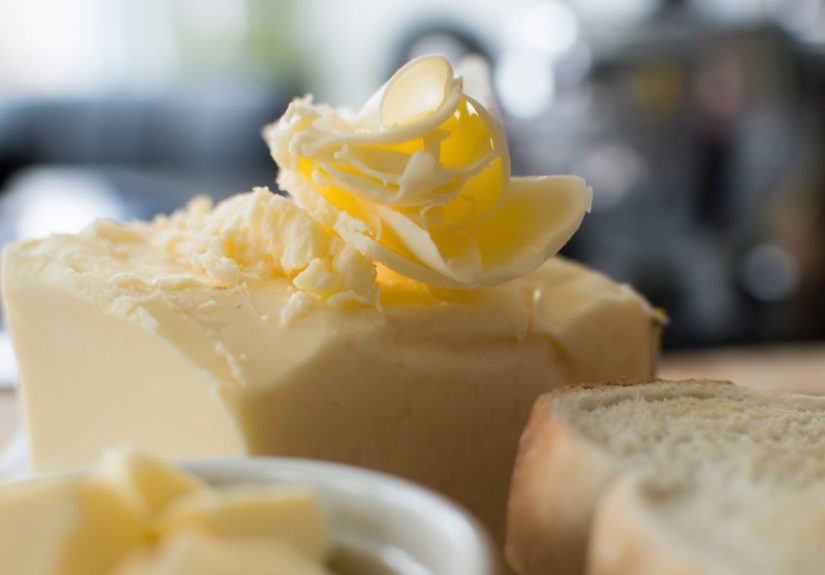
Making homemade butter in a jar is surprisingly simple: chill some heavy cream, pour it into a jar, shake until the butter separates, wash out the buttermilk, season, and store it properly. Along the way, you’ll learn how cream behaves, why washing butter matters for shelf life, and how salt and flavorings can turn basic butter into something special.
It’s a project that works whether you’re cooking with kids, teaching basic food science, or just trying to impress guests with a small dish of “yes, I made this myself” butter on the table. With a jar, a little patience, and a bit of muscle, you can transform everyday cream into something rich, flavorful, and uniquely your own.