Table of Contents >> Show >> Hide
- What Makes a Cake Stand “Farmhouse” Anyway?
- Dollar Store Supply List (Mix and Match)
- Important Notes: Food Contact, Safety, and “Please Don’t Serve Soup on This”
- DIY Method #1: Classic Dollar Store Glass Pedestal (Plate + Candlestick)
- DIY Method #2: Farmhouse Wood Riser (Plaque + Candlestick + Round)
- DIY Method #3: Easy Two-Tier Farmhouse Stand (Because One Level Is Never Enough)
- Paint and Finish Tips That Make It Look Expensive
- Styling Ideas: How to Use Your DIY Farmhouse Cake Stand
- Troubleshooting: Fixes for the Most Common “Oops” Moments
- Care and Cleaning
- Conclusion: Your Farmhouse Cake Stand, Minus the Boutique Price Tag
You know that moment when you walk past a farmhouse-style cake stand in a boutique and your brain whispers,
“Yes, I need that,” but your wallet coughs politely and says, “Absolutely not”? Good news: you can get the same
cozy, rustic pedestal look with a few dollar store basics, a little paint, and the kind of confidence that only
comes from owning a hot glue gun.
This tutorial walks you through three tried-and-true dollar store cake stand buildsglass pedestal, wood riser,
and a simple two-tier optionplus farmhouse finishing touches (hello, bead garland energy) and practical tips so
your stand looks charming… not “I made this at 1 a.m. while binge-watching home reno shows.”
What Makes a Cake Stand “Farmhouse” Anyway?
Farmhouse style is basically “old-school practical” dressed up with warmth and texture. For a DIY farmhouse cake
stand, that usually means:
- Matte finishes (chalky white, soft black, warm greige)
- Natural wood tones or faux wood grain
- Subtle distressing on edges for that “well-loved” look
- Simple details like twine, wood beads, or a small knob handle
- Function-first shape: a sturdy pedestal stand or a chunky riser
Translation: you’re aiming for “grandma’s kitchen, but make it Pinterest.”
Dollar Store Supply List (Mix and Match)
You don’t need every item belowpick based on the style you’re building. The best part is you can often find
substitutes in the same aisle if your store is out of something (the dollar store is nothing if not a lesson in
flexibility).
Base Pieces (Choose Your Build)
- Option A (Glass pedestal): a glass plate/charger + a glass candlestick holder
- Option B (Wood riser): a round wood plaque + a wood candlestick + a wood round (or second plaque)
- Option C (Two-tier): two plates/chargers + one candlestick + a small bowl or second candlestick as a spacer
Adhesives
- Strong craft adhesive (great for permanent holds)
- Hot glue (fast, beginner-friendly, best for lighter-duty décor stands)
Finishes & Farmhouse Extras
- Chalk-style paint (brush-on) or chalky finish spray paint
- Clear protective topcoat or clear wax (for painted wood pieces)
- Sandpaper (fine grit) or a sanding sponge for distressing
- Rubbing alcohol or glass cleaner for prep
- Twine/jute, wood beads, faux greenery, ribbon, or a small knob for the top
- Felt pads (to keep it from sliding and protect surfaces)
Tools
- Hot glue gun (if using hot glue)
- Paintbrush or foam brush
- Painter’s tape (optional, but helpful for crisp stripes or two-tone finishes)
- Paper towels + cotton swabs for cleanup
- A heavy book or small weight for holding pieces while glue sets
Important Notes: Food Contact, Safety, and “Please Don’t Serve Soup on This”
A DIY cake stand can absolutely hold real dessertsbut how you finish it matters.
Most craft sealers and decoupage products are not meant for direct food contact. The easiest workaround?
Keep the top surface food-safe by design:
- Use an unpainted plate/charger as the serving surface.
- If you paint or decoupage the top, place a doily, parchment, cupcake liners, or a cake board between food and surface.
- For messy items (frosting, fruit, syrup), add a removable glass plate on top.
Also, if you’re using a strong adhesive, work in a well-ventilated space and give it the full cure time before
loading it up. “It feels dry” and “it’s cured” are not the same thingkind of like “I skimmed the recipe” and
“I measured the baking powder.”
DIY Method #1: Classic Dollar Store Glass Pedestal (Plate + Candlestick)
This is the easiest, most popular dollar store cake stand DIY for a reason: it’s quick, looks polished, and
can go from “basic glass” to “farmhouse fabulous” with paint and a little styling.
Step 1: Clean Like You Mean It
Wash the plate and candlestick with warm soapy water, rinse, and dry. Then wipe the contact areas (bottom center
of the plate and the top rim of the candlestick) with rubbing alcohol. Oils and dust are sneaky little saboteurs.
Step 2: Find the Center (Without Guessing)
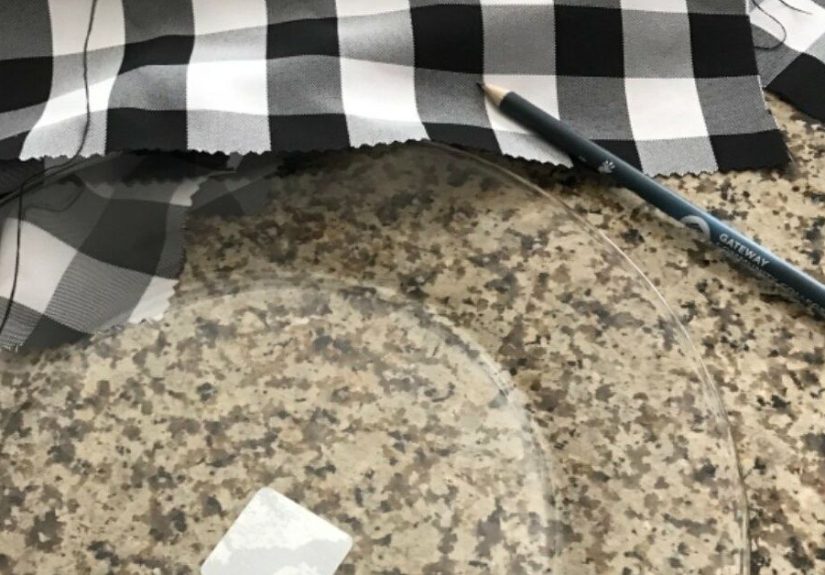
Flip the plate upside down. If it has a raised ring on the bottom, you’re in luckthat’s your built-in guide.
If not, you can lightly mark the center by tracing around a small bowl or using a simple “folded paper” trick:
trace the plate on paper, cut out the circle, fold into quarters, and the point is your center.
Step 3: Glue It for Real
Apply a generous bead of strong adhesive to the top of the candlestick. Press it onto the center of the plate’s
underside. Hold for a minute, then check alignment from multiple angles (this is your one chance to avoid a
“leaning tower of dessert” situation).
Step 4: Let It Cure (Patience = Strength)
Place the stand upside down (candlestick pointing up) so gravity helps the bond. Let it cure fully before using.
If you’re a “test it immediately” person, I respect your adventurous spiritbut your cake may not.
Optional Farmhouse Upgrade Ideas (Glass Version)
- Chalky white base: paint only the candlestick for a “stoneware pedestal” look.
- Two-tone: matte white base + clear top plate.
- Wood bead collar: add a bead strand around the stem with a tiny dab of hot glue.
- Distressed edge: lightly rub a small amount of dark wax or watered-down paint into crevices, then wipe back.
DIY Method #2: Farmhouse Wood Riser (Plaque + Candlestick + Round)
Want the chunky, rustic riser look that screams “farmhouse kitchen counter”? This build is your best friend.
It’s especially great for cupcakes, cookies, and décor vignettes (candles, mini plants, seasonal signage).
Step 1: Dry Fit Your Pieces
Stack your pieces before gluing: wood plaque (top), candlestick (middle), wood round or second plaque (bottom).
Make sure the proportions look right. The goal is “sturdy pedestal,” not “wooden mushroom.”
Step 2: Lightly Sand for Better Grip
Lightly sand the areas that will be glued. You don’t need to destroy the woodjust give it a bit of “tooth”
so adhesive bonds better.
Step 3: Glue and Press
Glue the candlestick to the bottom center of the top plaque, then glue the bottom piece to the candlestick.
Use a heavy book or small weight for gentle pressure while it sets. Wipe away any glue squeeze-out immediately.
Step 4: Paint for the Farmhouse Look
Apply 1–2 coats of chalk-style paint. Classic farmhouse choices: warm white, antique cream, soft black, or muted
sage. Let coats dry fully between layers for a smooth, durable finish.
Step 5: Distress (Optional, But Very Satisfying)
Once dry, use fine sandpaper to lightly distress edges and high pointsplaces that would “naturally” wear over
time. Go slowly. You can always distress more, but you can’t un-distress without repainting (and then you’ll
pretend it was “part of your artistic process”).
Step 6: Seal It
Seal painted wood with clear wax or a clear protective topcoat for durability. This is especially helpful if
the stand will be handled often or used for food displays (with a barrier on top).
Extra Pro Tip: Add Feet
Stick felt pads underneath. It prevents sliding, protects your table, and makes the whole thing feel more
“store-bought,” which is always the vibe.
DIY Method #3: Easy Two-Tier Farmhouse Stand (Because One Level Is Never Enough)
A two-tier stand is perfect for brunch spreads, coffee bar setups, or party desserts. And it looks way more
expensive than it isbasically the DIY equivalent of wearing sunglasses indoors.
What You Need
- Two plates/chargers (or one plate + one bowl for a top tier)
- One candlestick (or two stacked for extra height)
- A small spacer if needed (small bowl, mini candlestick, or sturdy jar lid)
- Strong adhesive or hot glue (choose based on use)
Assembly Steps
- Build the bottom tier: Glue the candlestick to the underside of the larger plate.
- Add the spacer: If your top plate needs a flat landing spot, glue a small bowl or mini base on top of the candlestick.
- Attach the top plate: Center and glue the smaller plate upside down (or right-side up if it has a flat bottom).
- Cure fully: Let everything set before moving or styling.
Farmhouse Touches for Two-Tier Stands
- Paint the vertical elements matte white or black and keep plates neutral.
- Add twine wrap around the stem for texture.
- Top with a small knob handle (wood, metal, or faux ceramic) for a tiered-tray feel.
Paint and Finish Tips That Make It Look Expensive
Prep Matters (Especially on Glass and Glossy Surfaces)
For glass or glossy ceramic, cleaning is non-negotiable. If paint has trouble sticking, lightly scuff the surface
and use thin coats. If you’re using spray paint, several light coats beat one thick coat every time.
Dry Time Isn’t a Suggestion
Many chalky finish sprays feel dry quickly but still need time before handling and stacking parts together.
Rushing is how fingerprints become “texture.”
Distressing Without Overdoing It
For farmhouse style, the best distressing is subtle: edges, corners, and a few high points. If you sand after
sealing/waxing, you may need a quick re-seal on the sanded spots for protection.
Styling Ideas: How to Use Your DIY Farmhouse Cake Stand
- Everyday kitchen: pile fruit, display muffins, or corral coffee syrups.
- Holiday table: cookies on the stand, greenery around the base, tiny ornaments tucked in.
- Bathroom “fancy tray” moment: rolled hand towels and a candle (yes, it counts).
- Party dessert bar: cupcakes on top, brownies on the bottom tier, and suddenly you’re hosting like a pro.
Troubleshooting: Fixes for the Most Common “Oops” Moments
My stand wobbles.
Usually it’s a centering issue. If adhesive is still workable, gently shift. If it’s fully cured, you can add
felt pads strategically or rebuild using a plate with a defined bottom ring for easier centering next time.
Paint is scratching off the candlestick.
That’s typically prep or cure time. Clean better, use lighter coats, and seal. Also avoid heavy handling until
the finish is fully set.
Glue squeezed out and looks messy.
Wipe immediately with a cotton swab. If it’s dried, you can carefully trim with a craft knife, then touch up with
paint. Consider it your “handmade signature,” but… a subtle one.
Care and Cleaning
- Wipe with a damp cloth. Avoid soaking painted or wood pieces.
- Don’t put DIY stands in the dishwasher unless every material is rated for it (most aren’t).
- Store wrapped or stacked carefully to prevent scratches.
- If using for food, keep a barrier between desserts and any painted/decoupaged surfaces.
Conclusion: Your Farmhouse Cake Stand, Minus the Boutique Price Tag
A dollar store farmhouse cake stand DIY is one of those projects that delivers maximum “wow” with minimal spend.
Whether you go for the classic glass pedestal, a rustic wood riser, or a simple two-tier display, the secret is
the same: solid prep, a strong bond, and farmhouse-friendly finishes like matte paint, gentle distressing, and
warm textures. Build it once, style it a dozen ways, and enjoy the smug satisfaction of telling guests, “Oh this?
I made it,” while they quietly assume you have your life together.
My Experience Making This DIY (The Real-Life Version, With Lessons Learned)
The first time I made a dollar store cake stand, I went in with big energy and low patiencetwo traits that do
not pair well with glue cure times. I did the classic plate-and-candlestick build and felt like a genius about
three minutes in. It looked straight, it felt stable, and I was already imagining a photo shoot where my
cupcakes would look suspiciously professional. Then I did what every overly confident DIYer does: I tested it
immediately by picking it up like it was already a finished product. The top shifted just enough to remind me
that “tacky” is not the same thing as “bonded for life.” Lesson one: let adhesives cure fully. Not “until I get
bored,” not “until the paint feels dry,” but actually cured.
The next lesson was about prep. I had wiped the glass quickly, but I hadn’t done the extra alcohol wipe on the
glue contact points. When I rebuilt it (properly this time), the bond felt noticeably stronger. That tiny step
didn’t feel glamorous, but it made the whole project more reliableespecially if you plan to use the stand for
real desserts instead of just holding a decorative pumpkin forever (no judgment; seasonal décor has feelings too).
Then came the farmhouse upgrade phase. I painted only the candlestick base in a chalky white and kept the plate
clear so the serving surface stayed simple. That one choice made the stand look more “farmhouse” instantly,
because it added contrast and that cozy matte texture without creating a food-contact headache. I tried distressing
the base, and I learned lesson three: you can’t un-sand enthusiasm. The first pass was… aggressive. The fix was
easyanother thin coat of paint, then a much lighter sanding with a finer grit. The second attempt looked
intentional, like subtle wear on edges, not like my cake stand had survived a minor storm.
My favorite “why didn’t I do this sooner” detail was adding felt pads underneath. It stopped sliding on my counter
and also made it feel sturdier, like something you’d buy at a home décor store that insists everything is
“artisan-crafted.” I also experimented with twine and wood beads. Twine is forgiving: wrap, glue the end, done.
Beads are trickier: they like to roll away the moment you set them down, as if they have weekend plans. If you
want bead garland flair, string them first, then attach as a single piece. And keep a few extra beads nearby,
because at least one will attempt a dramatic escape to the floor.
The biggest takeaway? Decide how you’ll use the stand before you finish it. If it’s for actual cakes, keep the
top surface simple and food-friendly (clear plate, removable liner, or a barrier). If it’s for décor, go wild:
decoupage the top, stencil the edge, paint it black and distress it down to wood, add a knob handle, make it a
tiered tray cousin. Either way, the project is ridiculously satisfying because it looks far more expensive than
it has any right to be. And that, honestly, is the whole point of a dollar store DIY.