Table of Contents >> Show >> Hide
- What Is Cream Soda, Exactly?
- What You Need
- The Flavor Engine: Vanilla Syrup (Make This Once, Use It All Week)
- How to Make Cream Soda (The Classic Way)
- Italian Cream Soda Version (Optional “Creamy” Upgrade)
- Carbonation Options: The Easiest Path to Maximum Fizz
- Flavor Variations That Still Taste Like “Cream Soda”
- Troubleshooting: When Your Cream Soda Isn’t Cooperating
- Food Safety and Storage (Because Sugar Is Helpful, Not Magical)
- FAQ: Quick Answers for Common Questions
- of Cream Soda Experiences (The Fun, The Fizz, The “Oops”)
- Conclusion
Cream soda is the ultimate “I deserve a little joy” drink: fizzy, vanilla-kissed, and nostalgic in a way that makes your brain
play elevator music from an old soda fountain. The best part? You can make a seriously good homemade cream soda with
everyday ingredientsno secret handshake, no mysterious powder, no vintage pharmacist license required.
This guide walks you through the classic vanilla version (the one most people mean when they say “cream soda”),
plus an optional “Italian cream soda” twist (with a splash of dairy or non-dairy cream). You’ll get the why behind the steps,
the ratios that actually work, and the little upgrades that make it taste like you paid $7 for it in a cute glass bottle.
What Is Cream Soda, Exactly?
Despite the name, classic cream soda usually isn’t “creamy” because of milk. It’s called cream soda largely because of its
smooth, dessert-like flavortypically driven by vanilla. Some modern recipes (and many soda-shop styles) do add cream,
half-and-half, or coffee creamer for extra richness, but the backbone is still vanilla + bubbles.
Think of cream soda as a choose-your-own-adventure:
vanilla syrup + carbonated water is the baseline. From there you can go “old-school soda fountain,” “dirty soda,”
“orange-cream dreamsicle,” or “sparkling dessert in a glass.”
What You Need
Ingredients for Classic Homemade Cream Soda
- Granulated sugar (for syrup) or a store-bought vanilla syrup if you’re shortcutting
- Water (for syrup)
- Vanilla: pure vanilla extract, vanilla bean paste, or a real vanilla bean
- Carbonated water: seltzer, sparkling water, or club soda (cold)
- Optional brightness: a tiny squeeze of lemon juice or a pinch of citric acid
- Optional “cream”: half-and-half, heavy cream, or a non-dairy creamer (for Italian cream soda style)
Equipment
- Small saucepan (or a blender/shaker for no-heat syrup)
- Measuring cup/spoons
- Jar or bottle for syrup (clean, with a lid)
- Tall glass for serving (because foam has big ambitions)
- Optional: home carbonator (like SodaStream), soda siphon, or CO₂ charger setup
Pro tip: Cold liquids hold carbonation better. If you want that crisp, lasting fizz, chill your carbonated water
(and even your glass) before mixing.
The Flavor Engine: Vanilla Syrup (Make This Once, Use It All Week)
Most “wow” cream soda comes down to the syrup. Store-bought works, but homemade tastes fresher and lets you control sweetness.
You have two main syrup styles:
- Classic simple syrup (1:1) = equal parts sugar and water. Easy, pourable, great for mixing.
- Rich syrup (2:1) = two parts sugar to one part water. Thicker, sweeter, you use less, and it tends to keep longer.
Option A: Classic Vanilla Simple Syrup (1:1)
Makes: about 1 1/2 cups syrup (enough for multiple sodas)
- 1 cup sugar
- 1 cup water
- 1 to 2 tablespoons pure vanilla extract (to taste)
- Optional: 1 teaspoon lemon juice (or a pinch of citric acid)
- Optional: pinch of salt (yes, reallytiny pinch = bigger flavor)
- Combine sugar and water in a small saucepan over medium heat.
- Stir until the sugar fully dissolves. You don’t need a rolling boiljust a clear, dissolved syrup.
- Remove from heat and cool for 10–15 minutes.
- Stir in vanilla (and optional lemon/citric acid and salt). Don’t cook the vanillaheat can dull the aroma.
- Cool completely, then transfer to a clean jar. Refrigerate.
Option B: Rich Vanilla Syrup (2:1)
Use this if: you like a more “soda fountain” sweetness and want the syrup to last longer.
- 2 cups sugar
- 1 cup water
- 1 to 2 tablespoons vanilla extract (or 1 tablespoon extract + 1 tablespoon vanilla bean paste)
- Optional: pinch of salt
- Warm sugar and water in a saucepan, stirring until dissolved and glossy.
- Let cool slightly, then add vanilla and optional salt.
- Cool fully and refrigerate in a sealed container.
Storage reality check: Syrup life varies by cleanliness, sugar ratio, and what you add. Keep it refrigerated,
use clean utensils, and toss it if you see cloudiness, mold, or notice an “off” smell. If you add fresh fruit or dairy, the shelf life
drops fastthink days, not weeks.
How to Make Cream Soda (The Classic Way)
Now for the fun part: turning your syrup into a fizzy glass of nostalgia.
The key is mixing gently and using very cold carbonated water to keep bubbles from rage-quitting.
Single-Glass Ratio (Reliable and Adjustable)
- 8 ounces cold carbonated water
- 1 1/2 to 2 ounces vanilla syrup (start lower, then adjust)
- Ice (optionalbut recommended if your “cold” isn’t truly cold)
Step-by-Step
- Chill everything. If you can, refrigerate your carbonated water and pop your glass in the freezer for 5 minutes.
- Add syrup first. Pour the vanilla syrup into the bottom of the glass. This helps it mix without aggressive stirring.
- Add ice (optional). If you use ice, use larger cubes. Tiny ice melts fast and can water down flavor.
- Top with carbonated water. Pour slowly down the side of the glass to reduce foam explosions.
- Gentle stir (1–2 turns). Just enough to combine. Over-stirring = flat sadness.
- Taste and tweak. Add a splash more syrup if you want it sweeter, or more soda water if it’s too rich.
If you used rich (2:1) syrup: start with about 3/4 to 1 ounce per 8 ounces of carbonated water,
then adjust. It’s stronger, so you need less.
Batch Formula (For Parties, Pitchers, and People Who “Just Want a Sip”)
For a crowd, you’ll get better fizz if you don’t pre-mix everything hours ahead. Instead:
keep syrup chilled in a bottle, keep carbonated water cold, and let people build their own glass.
| Carbonated Water | Vanilla Syrup (1:1) | Vanilla Syrup (2:1) |
|---|---|---|
| 1 liter (about 34 oz) | 6–8 oz | 3–4 oz |
| 2 liters | 12–16 oz | 6–8 oz |
Example: For a 1-liter bottle, you can pour out a small amount first to make room, then add your syrup and gently invert
the bottle once or twice (not a vigorous shakeunless you enjoy sticky ceilings).
Italian Cream Soda Version (Optional “Creamy” Upgrade)
If you want the soda-shop style that tastes like vanilla ice cream learned to fizz, this is your move.
It’s basically cream soda plus a little dairy (or non-dairy), and it’s wildly satisfying.
Italian Cream Soda Ratio (One Glass)
- 8 ounces cold carbonated water
- 1 to 2 ounces vanilla syrup
- 1 to 2 tablespoons half-and-half or heavy cream (or coconut cream / oat creamer)
- Ice
How to Mix It Without a Foam Disaster
- Add syrup to the glass.
- Add cream (or creamer) next.
- Add ice.
- Slowly top with carbonated water, pouring down the side.
- Give one gentle stir and stop. Walk away while you still have fizz.
Flavor note: Dairy softens sharp sweetness and makes vanilla taste rounder. Non-dairy creamers can do the same,
but some are sweetenedso you may want to reduce your syrup slightly.
Carbonation Options: The Easiest Path to Maximum Fizz
You have three common approaches. Pick the one that fits your life (and your kitchen counter space).
1) Buy Carbonated Water (Simplest)
Cold seltzer, sparkling water, or club soda works great. Club soda has added minerals and can taste slightly “saltier” or more
rounded; seltzer is usually more neutral. Use what you like.
2) Use a Home Carbonator (Like SodaStream)
Carbonate cold water only, then add syrup after carbonating. Adding syrup before carbonation can cause
excessive foaming and can make a mess (or worse, damage equipment depending on the system).
- Chill water well (roughly fridge-cold) for better carbonation.
- Carbonate to your preferred fizz level.
- Pour carbonated water into a glass, then add syrup and stir gently.
3) Soda Siphon / CO₂ Chargers (For Tinkerers)
A soda siphon can carbonate water (or lightly flavored liquids) quickly.
The biggest rules: use cold liquid, don’t overfill, and release pressure carefully.
- Chill your water first.
- Leave headspace in the siphon.
- Charge, shake gently, rest briefly, then dispense slowly into the glass.
Safety note: If you’re experimenting with DIY carbonation using random bottles or improvised gear,
stop and use a purpose-built carbonator instead. Pressurized containers are not the place for “let’s see what happens.”
Flavor Variations That Still Taste Like “Cream Soda”
Vanilla is the main character, but it loves a good supporting cast. Here are variations that keep the spirit of cream soda intact.
Orange Cream (Dreamsicle Energy)
- Add 1–2 teaspoons orange extract to your vanilla syrup, or add a small splash of orange juice to the glass.
- Italian cream soda style works especially well here (cream + orange + vanilla = dessert logic).
“Dirty Soda” Inspired
Traditionally, “dirty” just means soda + flavored syrup + a creamy element. For a cream-soda-leaning version:
- Use vanilla syrup
- Add a splash of half-and-half or coffee creamer
- Optional: a squeeze of lime for a bright finish
Maple-Vanilla Cream Soda
Replace part of the sugar with maple syrup (or use maple syrup + vanilla extract as a quick mix-in). It adds a cozy, caramel-adjacent note.
Pink Cream Soda
Add a teaspoon of grenadine or raspberry syrup to your glass, then top with vanilla cream soda. It’s playful, pretty, and tastes like a party.
Vanilla Bean “Fancy Mode”
If you have vanilla beans or vanilla bean paste, use them. The flavor reads deeper and more aromaticless “vanilla candle,” more “bakery.”
Steep split vanilla beans in warm syrup, then remove before storing.
Troubleshooting: When Your Cream Soda Isn’t Cooperating
“It foamed up like a science fair volcano.”
- Your carbonated water wasn’t cold enough.
- You poured too fast (slow down, bartender).
- You stirred too much.
- You added cream before syrup (try syrup → cream → soda water, gently).
“It tastes flat.”
- Mix gentlymore swirling, less whisking.
- Use freshly opened sparkling water (old bottles lose sparkle).
- Chill the water and the glass.
“It’s too sweet / not sweet enough.”
- Start with less syrup and build up. You can always add; you can’t subtract without drinking your mistake.
- If you used rich (2:1) syrup, remember it’s more concentrateduse less.
“The vanilla tastes harsh or fake.”
- Use a better-quality vanilla extract, paste, or bean.
- Don’t boil vanilla extract in the syrupadd it after removing from heat.
- Add a tiny pinch of salt or a drop of lemon for balance.
Food Safety and Storage (Because Sugar Is Helpful, Not Magical)
Sugar helps preserve syrup, but it doesn’t make it immortal. The biggest factors are:
ratio (rich syrup tends to last longer), clean containers, and what you added
(fresh fruit and dairy shorten shelf life).
- Store syrup in a clean, sealed container in the refrigerator.
- Use clean spoons when scooping or tasting (double-dipping is how microbes get invited to the party).
- Discard if you see mold, cloudiness, or smell fermentation/off odors.
- If you want to keep extra syrup, freeze it in small portions (ice cube tray = convenient syrup “pods”).
For cream soda itself: once mixed with carbonated water, drink it soon. The fizz fades, and the magic is in the bubbles.
FAQ: Quick Answers for Common Questions
Does cream soda have caffeine?
Homemade cream soda made with vanilla syrup and carbonated water has no caffeine unless you add something caffeinated
(like cola, espresso, or caffeinated flavorings).
Can I make it sugar-free?
You can, but the texture will be different because sugar adds body. A sugar-free vanilla syrup (store-bought or homemade with alternative sweeteners)
can work, especially for “Italian cream soda” where the cream helps create richness.
What’s the best carbonated water?
The best one is the cold one you like the taste of. Neutral seltzer highlights vanilla; club soda can feel slightly rounder because of minerals.
If one tastes “bitter” to you, try a different brandsparkling waters vary more than you’d think.
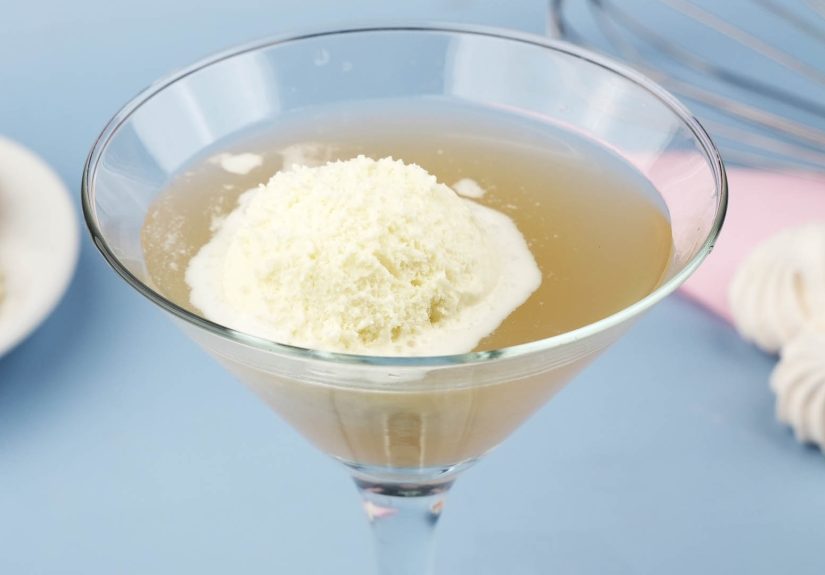
Can I turn this into a float?
Absolutely. Pour your cream soda over a scoop of vanilla ice cream. Serve with a long spoon. Prepare for immediate joy.
of Cream Soda Experiences (The Fun, The Fizz, The “Oops”)
Making cream soda at home tends to come with a predictable arc: confidence, bubbles, a little chaos, and then a sip that makes you say,
“Wait… I did that?” It’s one of those kitchen projects that feels almost too easy, like you’re getting away with something.
Sugar, water, vanilla, fizzhow could that possibly taste like childhood? And yet, it does.
The first time most people mix it, they learn the universal law of carbonation: the harder you stir, the faster the fizz disappears.
So there’s usually a moment where you do a vigorous “mixing swirl,” then watch your drink go from sparkling to politely still in about twelve seconds.
It’s not a failureit’s an initiation. The next glass is always better, with that gentle, respectful stir that says,
“I acknowledge you, bubbles, and I will not anger you.”
Then there’s the “foam incident,” which is basically a rite of passage. You pour the carbonated water like you’re filling a water glass,
and cream soda responds by building a fluffy head that climbs the rim like it has someplace important to be. Suddenly you’re holding the glass
at eye level, bargaining with physics. The fix is simplecolder soda water, slower pour, syrup firstbut the memory is priceless.
It’s the kind of small kitchen drama that makes people laugh later, especially when you realize it happened because you were
overconfident about a beverage.
Once you get the hang of it, cream soda becomes a “make it your mood” drink. Cozy night? Maple-vanilla with a pinch of salt.
Hot afternoon? Lighter syrup, extra fizz, maybe a squeeze of lemon so it finishes clean. Hosting friends? Suddenly you’re running a tiny soda bar:
vanilla syrup, raspberry syrup, orange-cream option, and a bowl of ice like you’re auditioning for a very wholesome reality show.
People who “don’t even like soda” will somehow end up on their second glass. It’s science.
The best experience, though, is the tiny moment right after the first sipwhen you realize homemade doesn’t mean “close enough.”
It can mean brighter vanilla, better balance, and that fresh, cold carbonation snap that bottled soda sometimes loses by the time it gets to you.
And when you make an Italian cream soda versionjust a little half-and-half swirling through the bubblesit looks like a fancy café drink
but tastes like a dessert that decided to be refreshing. That’s the magic: cream soda is playful, forgiving, and just complicated enough to feel special.