Table of Contents >> Show >> Hide
- What Are Cheese Croutons?
- Why Homemade Cheese Croutons Are Better Than Store-Bought
- Best Bread for Cheese Croutons
- Best Cheese for Cheese Croutons
- Essential Ingredients for Classic Garlic Parmesan Cheese Croutons
- How to Make Cheese Croutons in the Oven
- Stovetop Cheese Croutons (Fast Method)
- How to Make Grilled Cheese Croutons (For Tomato Soup Fans)
- Flavor Variations for Cheese Croutons
- Common Mistakes (and How to Avoid Them)
- How to Store and Re-Crisp Cheese Croutons
- Best Ways to Use Cheese Croutons
- Quick FAQ: How to Make Cheese Croutons
- Final Thoughts
- of Real-Life Experience and Practical Tips
If regular croutons are the backup dancers, cheese croutons are the headliner with a fog machine and a confetti cannon. They bring crunch, salt, toasty bread flavor, and that irresistible cheesy edge that makes people “accidentally” eat half the batch straight off the pan. (No judgment. That is called quality control.)
In this guide, you’ll learn exactly how to make cheese croutons at home, including the best bread, best cheeses, oven and stovetop methods, how to keep them crispy, and how to avoid the classic mistakes that turn them into sad little pebbles or greasy sponge cubes. We’ll also cover fun variations like garlic Parmesan croutons and grilled cheese croutons for soup.
What Are Cheese Croutons?
Cheese croutons are toasted or baked pieces of bread that are seasoned and crisped with cheese (most often Parmesan, Pecorino, or another flavorful melting cheese). They’re used as crunchy toppings for salads, soups, and casseroles, or eaten as a snack straight from the bowl while pretending you’re “just plating dinner.”
The most common style is Parmesan croutons: bread cubes tossed with olive oil or butter, seasonings, and grated hard cheese, then baked until golden and crisp. Another style is grilled cheese croutons, which are bite-size pieces of grilled cheese sandwich added to tomato soup or creamy vegetable soups.
Why Homemade Cheese Croutons Are Better Than Store-Bought
- Better texture: You control whether they’re ultra-crispy, lightly chewy, or somewhere in the middle.
- Real cheese flavor: Store-bought versions often taste like “vague cheese dust.” Homemade tastes like actual cheese.
- Less waste: Day-old bread becomes a delicious topping instead of a guilt trip on the counter.
- Custom seasoning: Garlic, herbs, black pepper, chili flakes, smoked paprika, lemon zestgo wild (strategically).
- Budget-friendly: Leftover bread + pantry staples = a surprisingly fancy result.
Best Bread for Cheese Croutons
The best bread for homemade croutons is usually a sturdy, crusty loaf that can crisp well without collapsing. Great choices include:
- Sourdough
- French bread or baguette
- Ciabatta
- Country loaf
- Levain-style bread
Fresh vs. Day-Old Bread
Day-old bread is ideal because it’s easier to cut and holds its shape better when tossed with oil and cheese. Fresh bread can still work, but it may be softer and require a little more bake time to dry out fully.
Cubed or Torn?
Both work. Cubes look neat and bake evenly. Torn pieces create more craggy edges, which means more crunchy bits and more spots for cheese to cling to. If you want “rustic restaurant” vibes, tear the bread. If you want “organized chaos,” cube it.
Size Matters (Yes, for Croutons Too)
Aim for pieces around 3/4 inch. Tiny cubes can dry out too fast; giant chunks may crisp on the outside but stay soft in the center. Try to keep pieces roughly the same size so they cook evenly.
Best Cheese for Cheese Croutons
The easiest and most reliable cheese for baked croutons is finely grated Parmesan (or Parmigiano-Reggiano). It adds a nutty, savory flavor and browns beautifully.
Top Cheese Picks
- Parmesan / Parmigiano-Reggiano: Best overall for crispy, savory croutons.
- Pecorino Romano: Saltier and sharper than Parmesan.
- Asiago (aged): Great flavor, nice browning.
- Gruyère: Excellent for grilled cheese croutons.
- Sharp cheddar: Great in grilled cheese croutons or mixed with Parmesan.
Cheese Tip That Saves the Batch
Hard cheeses in a fine grate work best for baked cheese croutons. Very moist shredded cheeses (like fresh mozzarella) can melt unevenly and make the bread soggy before it crisps. If using a melty cheese, combine it with Parmesan or use it in the grilled cheese crouton method.
Essential Ingredients for Classic Garlic Parmesan Cheese Croutons
Here’s a dependable base recipe that works for salads, Caesar salad, tomato soup, and creamy vegetable soups.
Ingredients (Makes about 4–6 cups)
- 1 loaf crusty bread (about 10–12 ounces), cut or torn into 3/4-inch pieces
- 1/4 cup olive oil or 3 tablespoons melted butter + 1 tablespoon olive oil
- 1/3 to 1/2 cup finely grated Parmesan cheese
- 1 teaspoon garlic powder or 1–2 small garlic cloves, finely grated
- 1 teaspoon Italian seasoning (optional)
- 1/2 to 3/4 teaspoon kosher salt (adjust if your cheese is salty)
- 1/4 teaspoon black pepper
- Pinch of red pepper flakes (optional, but fun)
How to Make Cheese Croutons in the Oven
Step 1: Preheat and Prep
Preheat your oven to 325°F to 375°F. If you’re using a generous amount of Parmesan, stay closer to 325°F so the cheese doesn’t burn before the bread crisps. Line a rimmed baking sheet with parchment for easier cleanup (optional but smart).
Step 2: Season the Bread
Place the bread pieces in a large bowl. Add oil or melted butter, Parmesan, garlic, salt, pepper, and any herbs. Toss thoroughly until every piece is lightly coated. You want “evenly dressed,” not “bread swimming in oil.”
Step 3: Spread in a Single Layer
Spread the bread on the baking sheet in a single layer with a little space between pieces. Crowding causes steaming, and steamed croutons are basically tiny regrets.
Step 4: Bake Until Golden and Crisp
Bake for 12 to 30 minutes, depending on your oven temperature, bread type, and crouton size. Toss or stir every 5–10 minutes for even browning.
- At 325°F: Usually 20–30 minutes (great for Parmesan-heavy croutons)
- At 350°F: Usually 12–20 minutes
- At 375°F: Usually 10–18 minutes
They’re done when the outside is golden and the centers are dry enough to crunch. Remember: they crisp more as they cool.
Step 5: Cool Completely Before Storing
This part matters. Let the croutons cool completely on the pan or on a wire rack. If you store them while warm, trapped steam will soften them and undo your good work.
Stovetop Cheese Croutons (Fast Method)
If you only need a small batch and don’t want to turn on the oven, make stovetop cheese croutons in a skillet.
How to Do It
- Heat a large skillet over medium heat.
- Add 2–3 tablespoons butter or olive oil.
- Add bread cubes and toss to coat.
- Cook, stirring often, until golden on multiple sides.
- Lower heat, add garlic and Parmesan in the final minute or two, and toss quickly.
- Remove and cool.
This method is fast and flavorful, but it requires attention. Walk away, and the croutons may become charcoal confetti.
How to Make Grilled Cheese Croutons (For Tomato Soup Fans)
These are exactly what they sound like: mini cubes of grilled cheese sandwich used as croutons. They are glorious on tomato soup, broccoli soup, and roasted red pepper soup.
Quick Method
- Make a basic grilled cheese sandwich with sturdy bread and a melty cheese (cheddar, Gruyère, fontina, or a blend).
- Cook until the bread is deeply golden and the cheese is melted.
- Rest 1–2 minutes so the cheese sets slightly.
- Cut into bite-size cubes or strips.
- Add to soup right before serving so they stay crisp on the outside.
These are not “meal prep croutons” in the same way as Parmesan croutonsthey’re best fresh. But wow, are they worth it.
Flavor Variations for Cheese Croutons
1) Classic Caesar-Style Parmesan Croutons
Use olive oil, Parmesan, garlic powder, black pepper, and a pinch of salt. Add a little lemon zest after baking for brightness.
2) Garlic Herb Cheese Croutons
Add Italian seasoning, dried thyme, rosemary, or oregano. For extra depth, infuse oil with garlic and herbs before tossing with the bread.
3) Cacio e Pepe Croutons
Use Pecorino Romano, lots of black pepper, and a tiny pinch of garlic powder. Perfect on creamy soups and simple salads.
4) Spicy Cheese Croutons
Add chili flakes, smoked paprika, or cayenne. These are especially good on tomato soup or chili.
5) Brown Butter Parmesan Croutons
Brown the butter first, then toss with bread and Parmesan. The nutty flavor makes the croutons taste way fancier than the effort involved.
Common Mistakes (and How to Avoid Them)
Mistake #1: Too Much Oil
More oil does not mean more crunch. It can make the bread greasy and prevent proper drying. Aim for light, even coating.
Mistake #2: Overcrowding the Pan
If the bread pieces are piled up, they steam instead of toast. Use a large sheet pan or two pans for big batches.
Mistake #3: Adding Too Much Cheese Too Early
A moderate amount of finely grated hard cheese is great. A mountain of cheese can burn before the bread dries out. If you want extra-cheesy croutons, add a little more Parmesan during the last few minutes.
Mistake #4: Storing While Warm
Warm croutons in an airtight container = trapped steam = soft croutons. Cool first, store second.
Mistake #5: Cutting Uneven Pieces
Tiny pieces burn while giant ones stay chewy. Keep sizes reasonably consistent.
How to Store and Re-Crisp Cheese Croutons
Store fully cooled croutons in an airtight container or zip-top bag at room temperature. Depending on the fat and moisture level, they’re usually best within 3 days to 2 weeks. (Butter-based batches tend to lose their best texture sooner than olive-oil batches.)
How to Re-Crisp Soft Croutons
If they soften, don’t panic. Spread them on a baking sheet and bake at 300°F for 3–8 minutes, then cool again. They often come right back to life.
Best Ways to Use Cheese Croutons
- Caesar salad (obviously)
- Tomato soup
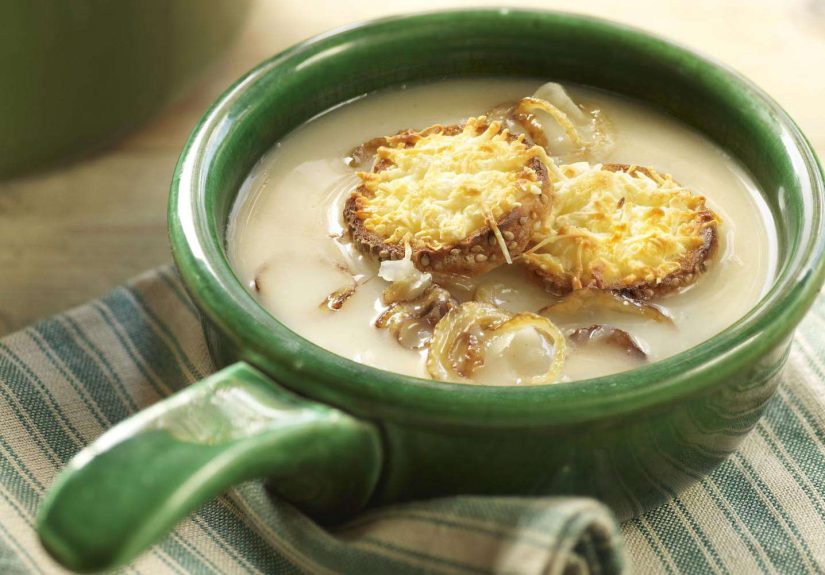
- French onion soup shortcuts (broiled cheesy crouton slices)
- Creamy broccoli soup
- Roasted squash soup
- Panzanella-inspired salads
- Crunchy topping for baked mac and cheese (yes, really)
- Snack bowl while cooking dinner
Quick FAQ: How to Make Cheese Croutons
Can I use sandwich bread?
Yes. It works, especially for smaller, softer croutons. But crusty artisan bread usually gives better texture and flavor.
Can I use pre-shredded Parmesan?
You can, but finely grated Parmesan coats more evenly. Pre-shredded cheese can be chunkier and melt less uniformly.
Why are my croutons hard like rocks?
They were likely overbaked, cut too small, or made from a very dense bread at too high a temperature.
Can I make cheese croutons ahead of time?
Absolutely. Classic baked Parmesan croutons are great for prep. Just cool completely before storing.
Final Thoughts
Learning how to make cheese croutons is one of those small kitchen upgrades that pays off immediately. The ingredient list is simple, the method is flexible, and the results make salads and soups taste far more exciting. Once you make a batch at home, store-bought croutons start to feel like packing peanuts with seasoning.
Start with a basic garlic Parmesan version, then experiment with herbs, pepper, brown butter, or grilled cheese croutons. Your soup bowl will never be the sameand honestly, that’s a good thing.
of Real-Life Experience and Practical Tips
The first time I made cheese croutons at home, I made the classic beginner mistake: I treated the bread like it was auditioning for a deep-fry commercial. Too much oil, too much cheese, and not enough space on the pan. The result was a tray of uneven cubessome delicious, some suspiciously chewy, and a few that looked like tiny meteorites. The good news? Even the “bad” ones were still better than most store-bought croutons. The better news? That messy first batch taught me almost everything I needed to know.
The biggest improvement came when I switched to day-old sourdough and started using a larger sheet pan. Suddenly the croutons browned instead of steaming. I also learned to grate Parmesan more finely. When the cheese is too coarse, it tends to fall off and crisp separately on the pan (which is not terribleit becomes cheese chipsbut it’s not exactly the goal). Finely grated cheese clings to the bread and creates that savory crust you actually want.
Another lesson: the croutons are never really done when you think they’re done. They continue to crisp as they cool. I used to keep baking until they felt super crunchy straight out of the oven, and then they’d cool into jaw-workout territory. Now I pull them when they’re golden and mostly crisp, then let carryover drying finish the job. That one small timing adjustment made every batch better.
I’ve also tested butter-only, olive-oil-only, and a mix of both. Butter gives a richer flavor and a cozy “restaurant Caesar salad” vibe, but olive oil tends to keep the croutons crisp longer. My favorite compromise is a mix: mostly olive oil with a little melted butter. It gives you great flavor without sacrificing shelf life. For weeknight meal prep, that combo is hard to beat.
As for usage, tomato soup is the obvious winner, especially with grilled cheese croutons. But the surprise hit in my kitchen has been adding Parmesan croutons to simple scrambled eggs and roasted vegetables. It sounds odd until you try it. They add a salty crunch that makes leftovers taste intentional. I’ve also crushed a handful over baked pasta instead of breadcrumbs, and nobody complainedin fact, they asked what the “special topping” was. (The special topping was yesterday’s bread and good decision-making.)
If you’re making cheese croutons for guests, make extra. Always. People pretend they’re being polite, then keep wandering into the kitchen for “just one more.” And if you’re making them for yourself, save a small bowl before serving dinner. Once they hit the salad or soup, they disappear fast. Cheese croutons are one of those rare kitchen tricks that feel fancy, reduce waste, and taste amazing. That’s a triple winand a very good reason to keep stale bread around on purpose.