Table of Contents >> Show >> Hide
- Why Tin Can Lanterns Are a Perfect Fall DIY
- What You’ll Need
- Before You Start: Safety (Because Metal Is Not Known for Its Soft Personality)
- Step-by-Step: The Easiest Way to Make a Tin Can Lantern
- Make It Fall-Pretty: Paint, Patina, and Finishing Options
- Add a Handle (Optional, but Very “Lantern-Core”)
- Lighting Choices: Real Candle vs LED
- Troubleshooting: Fix the Common Tin Can Lantern Problems
- Fall Styling Ideas (So Your Lanterns Look Like a Whole Mood)
- Conclusion: A Little Can, A Lot of Magic
- Real-World Maker Notes (About of Practical “Experience” Without the Drama)
Fall has a special talent: it makes us want to light things up. Porches, patios, mantels, dinner tablesif it sits still, autumn will try to decorate it. And few projects deliver big cozy vibes for such tiny effort (and budget) as a tin can lantern. You’re basically turning yesterday’s soup can into tomorrow’s “Ooooh, where did you buy that?” moment.
This guide walks you through a simple, beginner-friendly method (with a couple “level-up” options) to make an easy tin can lantern for fall that casts warm, patterny light like a tiny seasonal spell. We’ll cover tools, safety, design ideas (hello, leaf silhouettes), finishing tricks to prevent rust, and styling tips so your lantern looks intentional instead of “I attacked a can with a nail, but make it décor.”
Why Tin Can Lanterns Are a Perfect Fall DIY
- Upcycled and affordable: Reuse what you already havetin cans, a nail, a hammer, and a little imagination.
- Fast gratification: You can finish one in an afternoon and make a set in a weekend.
- Cozy light, custom patterns: Punch a leaf, pumpkin, acorn, or starburst design and you get instant fall ambiance.
- Endlessly “theme-able”: Rustic Thanksgiving centerpiece? Spooky Halloween glow? Chic metallic porch lanterns? Yes.
What You’ll Need
Supplies
- Clean, empty tin can(s) (soup, veggies, beans, or coffee cans; larger cans = bigger glow)
- Water (for the freezer trickmore on that in a second)
- Paper for a stencil (printer paper works)
- Tape (masking tape or painter’s tape)
- Tea light candle or LED tea light (recommended for hanging and kid-friendly setups)
- Optional: spray paint (metal-friendly), primer, or clear sealant
- Optional: wire for a handle (bailing wire or sturdy craft wire)
Tools
- Hammer
- Nail(s) (one medium nail is plenty; a second smaller nail is nice for detail)
- Work gloves
- Safety glasses
- Marker (Sharpie-style works great)
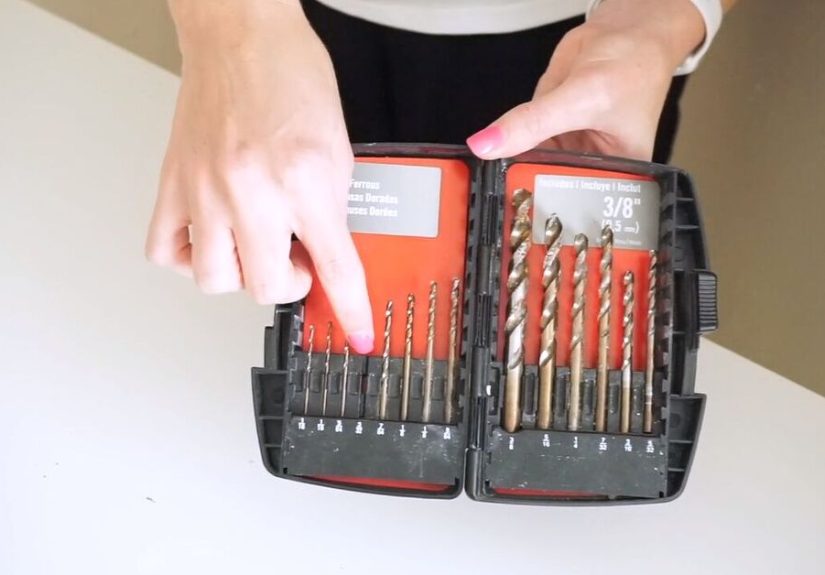
- Optional: drill + metal bit (a faster alternative to hammer-and-nail)
- Optional: sandpaper or steel wool (for rust or rough spots)
- Optional: pliers + wire cutters (if adding a handle)
Before You Start: Safety (Because Metal Is Not Known for Its Soft Personality)
- Wear gloves and eye protection. Metal edges can be sharp, and flying bits happen.
- Stabilize the can. A clamp helps, but a folded towel on a sturdy surface works too.
- Use LED tea lights if you plan to hang lanterns, place them near kids/pets, or use them indoors.
- Never leave a real flame unattended. Cozy is great. House fires are not a seasonal aesthetic.
Step-by-Step: The Easiest Way to Make a Tin Can Lantern
Step 1: Clean the Can Like You Mean It
Empty the can, wash it well, and remove the label. If sticky residue remains, warm soapy water helps; for stubborn glue, a little rubbing alcohol or adhesive remover can work. Dry it completelyespecially if you’re painting later.
Step 2: Freeze the Can (Yes, Really)
Fill the can with water and freeze it until solid. This “ice core” supports the thin metal so it’s less likely to dent while you punch holes. Think of it as giving your can a temporary backbone.
Tip: Don’t fill to the brimleave a little space at the top because water expands as it freezes.
Step 3: Pick a Fall Pattern That Will Actually Glow
The easiest lantern designs are bold and simple: a leaf outline, a pumpkin silhouette, scattered stars, or a repeating dot pattern. Remember: light shines through holes, so your design is basically “negative space art.”
Easy fall pattern ideas
- Leaf outline: Maple leaf, oak leaf, or a simple vine shapeclassic autumn lantern vibes.
- Pumpkin face (friendly or spooky): Great for Halloween; keep features chunky so it reads in light.
- Acorns + dots: Outline an acorn and add dotted “sparkle” around it.
- Harvest constellation: Random stars with a few larger “twinkle” holes makes a magical scatter pattern.
- Plaid glow: Simple rows of holesrustic and surprisingly elegant on a porch.
Step 4: Wrap and Transfer Your Design
Tape your paper stencil to the can. If you’re doing a leaf, you can tape a printed leaf image on the can and poke along the outline. For a repeating pattern, mark dots in a grid and tape the guide around the can.
Pro move: Put a strip of painter’s tape around the can first, then draw on the tape. It’s easier to see your lines and peels off cleanly.
Step 5: Punch the Holes
Set the frozen can on a folded towel to keep it from rolling and to protect your surface. Using a nail and hammer, tap holes along your design. Start with lighter taps to “seat” the nail, then punch through with controlled hits.
Hole spacing & size: the secret to a lantern that looks “enchanted”
- Closer holes = brighter lines. Great for outlines (like leaf veins).
- Bigger holes = more light. Great for starbursts and bold shapes.
- Mix hole sizes for depth: small holes for detail, larger holes for glow points.
If you prefer a drill
A drill can be faster and gives consistent holes, especially for dot patterns. Keep the can supported (freezing still helps), wear safety glasses, and drill slowly to avoid tearing the metal.
Step 6: Thaw, Drain, and Dry Thoroughly
Let the ice melt, drain the can, and dry it completely. This matters because trapped moisture is basically an invitation for rust. Give it a little time to air-dry upside down, then wipe inside with a towel.
Step 7: Smooth Sharp Spots
Lightly sand any jagged edges around holes (inside and out) using fine-grit sandpaper or steel wool. You’re aiming for “touchable,” not “tiny metal shark.”
Make It Fall-Pretty: Paint, Patina, and Finishing Options
Option A: Rustic & Natural (Minimal Finish)
If you love a farmhouse look, leave the metal mostly bare. You can add a light coat of clear sealant to help slow rust, especially for outdoor use.
Option B: Warm Autumn Colors
Spray paint the outside in fall shades like matte black, bronze, copper, deep green, or pumpkin orange. Use multiple thin coats rather than one thick coat. Let it cure fully before adding a candle.
Option C: “Enchanted” Metallic Glow
Metallic finishes (gold, antique brass, copper) look amazing with punched patterns because the reflective surface amplifies candlelight. For extra drama, paint the inside a light metallic shade and the outside matte blackyour lantern will glow like it has secrets.
Rust prevention (especially outdoors)
- Start with a clean, fully dry can.
- Sand off any existing rust spots.
- Use a primer meant for metal if painting.
- Finish with a clear protective topcoat if the lantern will live outside.
Add a Handle (Optional, but Very “Lantern-Core”)
If you want to hang your lanterns or carry them around the porch like you’re starring in a cozy mystery series, add a handle with sturdy wire.
Simple wire handle method
- Punch two holes opposite each other near the top rim.
- Cut a length of wire (about 10–12 inches for a standard can).
- Thread wire ends through the holes and twist securely inside using pliers.
- Gently bend the wire into a handle arch.
Safety note: If you hang the lantern, an LED tea light is the smartest choice. Real flames + swinging lanterns = unnecessary excitement.
Lighting Choices: Real Candle vs LED
Real tea lights
- Pros: authentic flicker, warm glow, cozy ambiance
- Cons: heat, fire risk, not ideal for hanging or tight indoor spaces
LED tea lights
- Pros: safe, kid/pet friendly, great for hanging, no soot
- Cons: less “real flame” romance (but the patterns still look gorgeous)
Troubleshooting: Fix the Common Tin Can Lantern Problems
“My can is dented.”
Freezing usually prevents dents, but if your can still got a little “crunchy,” use gentler hammer taps and support it on a towel. Minor dents often disappear once the lantern is lit (because shadows are forgiving like that).
“My holes look messy.”
Use a consistent nail size, keep your spacing even, and sand lightly after. If a hole is wonky, turn it into a “sparkle dot.” That’s not a mistake; it’s atmosphere.
“The design doesn’t show up at night.”
Your holes may be too small or too far apart. Add a few larger holes (strategically!) to boost brightness. A slightly brighter LED or two tea lights can also help for larger cans.
“It’s rusting already.”
Moisture is the villain. Dry thoroughly after thawing, seal or paint the surface, and store indoors when not in use.
Fall Styling Ideas (So Your Lanterns Look Like a Whole Mood)
- Porch lineup: Make 3–5 lanterns in different can sizes and cluster them near pumpkins and mums.
- Thanksgiving centerpiece: Place one lantern on a wooden tray with mini gourds, faux leaves, and cinnamon sticks.
- Halloween pathway glow: Use LED lights and line a walkway with a repeating star or dot pattern.
- Cozy indoor vignette: Set lanterns on a mantel with a garland of fall leaves (real or faux) and a couple of framed autumn prints.
Conclusion: A Little Can, A Lot of Magic
If you want easy fall décor that feels charming, handmade, and surprisingly impressive, a tin can lantern is hard to beat. Clean it, freeze it, punch your pattern, finish it, and light it up. The glow-through design turns ordinary metal into something that feels nostalgic and enchantinglike autumn itself, but with fewer allergies.
Make one to test your pattern, then make a set. Fall is basically the season of “more is more,” and lanterns are the kind of extra we fully support.
Real-World Maker Notes (About of Practical “Experience” Without the Drama)
Here’s what people tend to notice after making a few tin can lanternsaka the stuff you learn the fun way, one hole at a time. First: the freezer trick is not optional if you care about neat results. A room-temperature can dents if you look at it funny, and once it dents, your pattern lines start wandering like they’ve got weekend plans. Freezing the water makes the can feel pleasantly solid, and your nail goes where you aim instead of skidding off into “abstract art.”
Second: your hole size controls your vibe. Tiny holes create a delicate, twinkly look, but they can read too dim outdoors. If you’re planning porch lighting, mix in a few larger holesespecially around the outer edge of your designso the lantern throws visible light from a distance. Many makers end up using two nails: a medium nail for most holes and a smaller nail for detail (like leaf veins). That combo keeps the design crisp without making you spend the entire afternoon hammering micro-holes like a patient woodpecker.
Third: tape is your best friend. Taping a paper pattern to a curved can sounds simple until the paper starts lifting and your outline shifts mid-project. A quick workaround is to use painter’s tape on the can first, then tape your stencil over it. The painter’s tape gives grip and also makes your marker lines more visible. Another popular approach is to draw a “guide box” near the top and bottom so your design stays centeredbecause nothing haunts a crafter like a beautiful leaf pattern that accidentally sits two inches higher on one lantern than the others. (Ask any group of DIYers: symmetry is both goal and emotional journey.)
Fourth: paint looks better in thin coats than in one dramatic “let’s get it done” coat. Spray paint loves to drip on curved surfaces, and drips love to show up precisely where the lantern will be most visible. Light passes, patience, and a quick turn of the can between coats usually wins. If you want a high-end finish, a metal primer helpsespecially for outdoor lanterns. The difference shows over time: primed and sealed lanterns keep their color longer and resist the slow creep of rust.
Finally: the first lantern is your “prototype,” and that’s normal. Your second lantern will be faster, cleaner, and way more confident. By the third, you’ll start inventing your own motifspumpkin silhouettes with starbursts, acorns with dotted “glow trails,” leaf outlines with scattered sparkles. And once you see that pattern glowing on a cool fall night, you’ll understand why people keep making “just one more.” Because it’s not just a lantern. It’s autumn atmosphere in a can.