Table of Contents >> Show >> Hide
- What Is DVT and Why Does It Trigger So Much Anxiety?
- Know the Facts: Real DVT and PE Warning Signs
- DVT Anxiety vs Helpful Caution: Where’s the Line?
- Practical Ways to Ease DVT Anxiety Day to Day
- Tools for Calming Your Mind
- When Anxiety After DVT Is More Than a Rough Patch
- If You’re Supporting Someone With DVT Anxiety
- Real-Life Experiences: What DVT Anxiety Can Feel Like
- The Bottom Line
If you’ve ever found yourself poking your calf, thinking, “Is that a blood clot or just a weird muscle twinge?”welcome. Deep vein thrombosis (DVT) anxiety is incredibly common, whether you’ve actually had a clot or you simply know a little too much about them thanks to late-night Googling.
The good news: there are practical, science-backed ways to calm your mind, lower your actual clot risk, and still live a normal, non-obsessed life. This guide will walk you through what DVT is, why the fear of blood clots hits so hard, and how to manage both your physical risk and your anxious thoughts.
What Is DVT and Why Does It Trigger So Much Anxiety?
A quick refresher on deep vein thrombosis
Deep vein thrombosis happens when a blood clot forms in a deep veinmost often in the legs. It can cause swelling, pain, warmth, and tenderness, although sometimes it shows up with very subtle or even no symptoms at all. The scary part is that a piece of the clot can sometimes break off and travel to the lungs, causing a pulmonary embolism (PE), which can be life-threatening if untreated.
That sounds dramatic, and honestly, it is a serious medical condition. That’s why doctors emphasize early diagnosis, blood-thinning medications (anticoagulants), compression stockings, and movement to keep blood flowing well. These treatments hugely reduce the risk of another clot and of dangerous complications.
Why your brain goes into “worst-case scenario mode”
Knowing that a clot could be dangerous is helpfulit motivates you to take symptoms seriously. But for many people, especially those who have had a DVT or PE before, the fear doesn’t stop there. It can morph into:
- Constant body checking (“Is my leg a little bigger today?”)
- Frequent Googling of clot symptoms
- Difficulty sleeping because you’re afraid of a clot forming at night
- A sense that a medical “disaster” is always just around the corner
If that feels familiar, you’re not being “dramatic.” Research shows that many people experience anxiety, depression, or even PTSD symptoms after blood clots. Some studies suggest that a large share of clot survivorspossibly the majoritystruggle with ongoing fear and hypervigilance. Your nervous system is just trying (a bit too hard) to keep you safe.
Know the Facts: Real DVT and PE Warning Signs
One of the best antidotes to health anxiety is clear, accurate information. Instead of mentally scanning your whole body every ten minutes, it helps to know what symptoms actually warrant a call to your doctor or emergency services.
Common DVT symptoms
Symptoms can vary, but typical DVT warning signs in a leg include:
- New swelling in one leg (or arm), especially if it’s clearly bigger than the other
- Pain or tenderness that may feel like a cramp or soreness, often in the calf
- Warmth in the affected area
- Skin that looks red, discolored, or tight
These symptoms don’t automatically mean you have a DVT, but they are your signal to contact your healthcare provider promptly for guidance on what to do next.
Emergency: possible pulmonary embolism (PE) signs
Call emergency services (like 911 in the U.S.) or go to the ER immediately if you have:
- Sudden shortness of breath
- Sharp chest pain that may worsen when you breathe in
- Coughing up blood
- Rapid heart rate, lightheadedness, or feeling like you might faint
These can be signs of a PE, which needs urgent care. Anxious thoughts alone can’t create a PE out of nowhere, but they can make you misinterpret every sensation as an emergency. Having clear criteria helps you separate real red flags from “my anxiety is shouting again.”
DVT Anxiety vs Helpful Caution: Where’s the Line?
It’s totally reasonable to be more cautious about your health if you’ve had a clot, have clotting risk factors, or sit for long periods. The goal is balanced awareness, not obliviousness or obsession.
You’re in a healthy zone when you:
- Know your warning signs and what to do
- Take medications and lifestyle steps consistently
- Check in with your healthcare team as recommended
- Still live your lifework, travel, enjoy hobbies
Risk awareness turns into DVT anxiety when you:
- Scan your body constantly and rarely feel reassured
- Avoid normal activities (like walks, trips, flights) out of fear
- Repeatedly ask for the same medical tests even after reassurance
- Spend hours online reading clot stories and “worst case” outcomes
If this sounds like you, you haven’t done anything wrong. Your brain is just stuck on high alert. The rest of this article focuses on how to dial that alarm down.
Practical Ways to Ease DVT Anxiety Day to Day
1. Build a plan with your healthcare team
Uncertainty is fuel for anxiety. Having a clear, written plan helps. Consider asking your doctor:
- How long you need to be on blood thinners (if applicable)
- What symptoms should trigger a same-day call vs an ER visit
- How often they want to see you for follow-up
- Whether compression stockings, leg elevation, or specific exercises are appropriate for you
Write this down or store it in your phone. Then, when your brain starts its “what if” routine, you can answer with: “I have a plan. If X happens, I do Y.”
2. Move your body in safe, doctor-approved ways
Movement is good for circulation and for mood. Fear often makes people sit still “just in case,” but long periods of immobility can actually raise your clot risk. Ask your provider what’s safe for you, but many people are encouraged to:
- Take short, frequent walks during the day
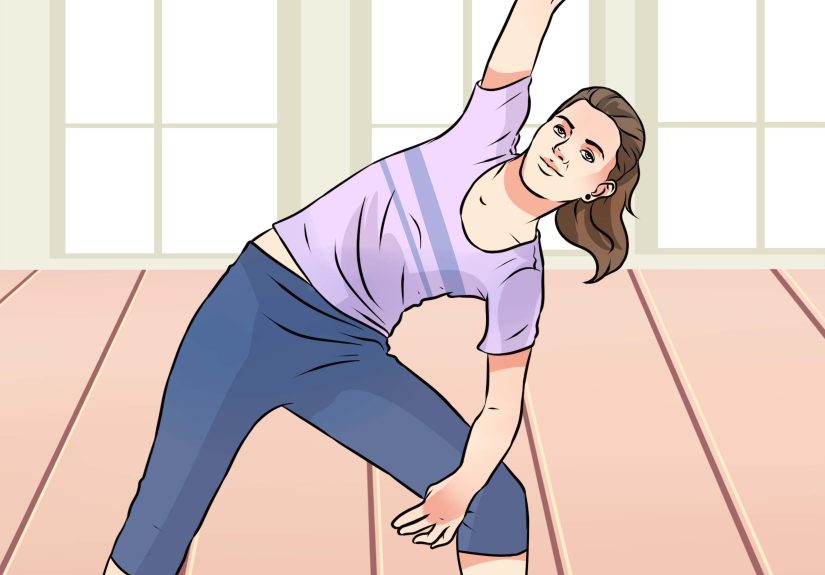
- Do gentle calf raises, ankle circles, or leg stretches
- Break up long travel or desk time with standing and moving breaks
Movement sends a powerful message to your brain: “My body is healing and capable. I’m not fragile.” That alone can lower anxiety over time.
3. Create a “DVT-safe” daily routine
Anxiety loves chaos. Routine provides structure and predictability. You might build in:
- Medication times (with reminders) so you’re consistent and confident about your dosing
- Hydration goals (for example, a water bottle you refill several times per day)
- Screen limitsespecially at nightto reduce late-night symptom Googling
- Regular sleep and wake times to support both physical healing and emotional resilience
Each of these steps not only supports your overall health but also gives your mind fewer “unknowns” to worry about.
Tools for Calming Your Mind
1. Grounding exercises for when panic hits
When your anxiety spikessay, you feel a random leg twingeyour body can rush into fight-or-flight mode. Simple grounding skills can interrupt that spiral:
- 5–4–3–2–1 grounding: Name 5 things you can see, 4 you can feel, 3 you can hear, 2 you can smell, and 1 you can taste.
- Box breathing: Inhale for 4 counts, hold for 4, exhale for 4, hold for 4. Repeat for a few minutes.
- Temperature reset: Splash cool water on your face or hold a cool object to bring your nervous system down a notch.
Are these magic cures? No. But they help your brain switch from “emergency mode” to “I can think this through” mode.
2. Challenge your “catastrophe channel” thoughts
Cognitive-behavioral therapy (CBT) teaches that our thoughts, feelings, and behaviors are connected. For DVT anxiety, a common thought pattern is:
“My leg feels weird → That means clot → That means PE → That means I’m going to die tonight.”
You can’t stop thoughts from popping up, but you can answer them more realistically. Try this three-step approach:
- Label it: “This is a DVT worry, not a fact.”
- Check the evidence: Do I actually have the key warning signs my doctor told me to watch for?
- Offer a balanced thought: “Discomfort doesn’t automatically mean a clot. If symptoms meet the criteria, I will call my doctor or go to the ER.”
Over time, this trains your brain to pause before jumping straight to worst-case scenarios.
3. Set boundaries with Dr. Google
Searching for reassurance online is one of the fastest ways to ramp anxiety up, not down. You read about rare outcomes, personal horror stories, and worst-case complications. It’s like fueling a bonfire with gasoline.
Try these rules:
- Pick a small list of trusted medical sources (for example, your hospital system, a major clinic, or a national organization) and avoid random forums for clinical guidance.
- Set a time limitsuch as “I can look up factual info for 10 minutes, no more.”
- If you’re looking up the same topic over and over, that’s a sign to talk to your doctor or therapist instead of refreshing search results.
When Anxiety After DVT Is More Than a Rough Patch
For some people, DVT anxiety is mild and fades as their body heals and they gain confidence. For others, it sticks around and really interferes with daily life. You might benefit from professional mental health support if you notice:
- Persistent nightmares or flashbacks about your clot or hospital stay
- Strong avoidance of anything associated with the event (travel, exercise, certain places)
- Ongoing low mood, loss of interest in activities, or hopelessness
- Constant fear that you’ll “drop dead” without warning, even with normal checkups
Therapies like CBT, acceptance and commitment therapy (ACT), or trauma-focused approaches can be very helpful for health-related anxiety and post-traumatic stress. Some people also benefit from medication for anxiety or depression, prescribed by a qualified professional who understands your clot history and medications.
If you ever have thoughts of harming yourself or feel like you’re at risk of acting on those thoughts, treat that as an emergency and seek immediate help from local crisis services, emergency numbers, or the nearest emergency room.
If You’re Supporting Someone With DVT Anxiety
Watching a loved one struggle with DVT anxiety can be tough. You want to reassure them, but you might also feel helpless or even frustrated. A few tips:
- Validate their feelings: “It makes sense you’re scared after what you went through.”
- Stay grounded in the plan: Gently remind them what the doctor said about warning signs and what to do.
- Set gentle limits on reassurance: Constantly repeating “You’re fine” rarely helps. Try, “We’ve checked your symptoms against the plan, and it doesn’t meet the emergency criteria. If you’re still worried, we can call the doctor together.”
- Encourage professional support: Suggest talking to a therapist or joining a support group for people with clot history.
Real-Life Experiences: What DVT Anxiety Can Feel Like
Everyone’s story is different, but certain themes show up again and again when people describe their DVT anxiety. Here are a few composite examples (details changed for privacy) that might sound familiarand hopefully, help you feel less alone.
“The phantom twinge”
Alex had a DVT in his left leg after surgery. Months after finishing his blood thinners, he noticed every little sensation. A random twitch? Panic. Slight ache after walking? Panic. He kept comparing his “clot leg” to his other leg, measuring his calves, and watching the clock at night, convinced he wouldn’t wake up.
The turning point came when his doctor helped him create a clear symptom checklist and reassured him that occasional aches were normal as tissues healed. He started physical therapy, which gradually rebuilt strength and confidence. A therapist helped him notice how quickly his thoughts jumped to the worst outcome and taught him to pause and ask, “What else could this sensation be?” Over time, the twinges didn’t stopbut the catastrophizing did.
“The travel trap”
Jordan never had a clot but had several risk factors and had read a lot about DVT and long flights. She loved travel, but before each trip, she spiraled: researching clots for hours, imagining collapsing in the aisle, and almost canceling vacations out of fear.
With her provider, she built a simple travel plan: compression stockings for flights, walking the aisle every hour or so when safe, staying hydrated, and avoiding alcohol on travel days. She also made a rule: no new clot-related websites within two weeks of flying. Instead, she used that time to pack, plan fun activities, and visualize herself successfully completing the trip. After a couple of “practice” flights where she followed the plan and felt okay, her confidence started to rebuild.
“Living with a long-term reminder”
Some people develop post-thrombotic syndrome, where the leg stays more swollen or uncomfortable even after the clot is treated. For Maya, that meant a daily reminder of her clot and a constant temptation to worry.
At first, she felt betrayed by her body. Then she reframed her compression stocking, leg elevation breaks, and exercise as active self-care, not punishment. Her therapist encouraged her to schedule “worry time”15 minutes a day where she could journal about her fears and questions. Outside that time, when anxious thoughts popped up, she’d tell herself, “I’ll park this for 7 p.m.” It didn’t make the fears vanish, but it contained them, so they didn’t run the whole day.
What these stories have in common
Across these experiences, three things show up repeatedly:
- A clear medical plan and accurate information
- Small, consistent steps to rebuild trust in the body
- Supportwhether from healthcare providers, therapists, family, or peers who “get it”
You don’t have to handle DVT anxiety by sheer willpower or “toughening up.” It’s okay to ask for real help, from both medical and mental health professionals.
The Bottom Line
DVT anxiety can feel like a second diagnosis layered on top of the first. It’s real, it’s common, and it’s not a sign of weakness. Understanding what DVT is (and isn’t), knowing the true warning signs, sticking to your prevention and treatment plan, and using proven anxiety tools can help you move from constant fear back toward confidence.
Little by little, you can learn to trust your body again, keep your risk as low as reasonably possible, andmost importantlylive a life that’s about more than watching your calf for the tiniest change.