Table of Contents >> Show >> Hide
- Why Grow Herbs Indoors (Besides the Obvious “Because Food”)
- Pick Herbs That Actually Like Indoor Life
- Light: The Make-or-Break Ingredient
- Containers, Soil, and Drainage: Build the Foundation
- Watering: Keep It Moist, Not Miserable
- Temperature, Humidity, and Airflow: The Invisible Trio
- Feeding Herbs Indoors: Light Fertilizer, Big Difference
- How to Start: Seeds, Starter Plants, or Cuttings
- Harvesting and Pruning: The Secret to Bushy, Productive Herbs
- Pests Indoors: How to Keep the Tiny Freeloaders Out
- Troubleshooting: What Your Herbs Are Trying to Tell You
- Food Safety: Washing and Using Indoor-Grown Herbs
- A Simple Year-Round Care Routine (That Won’t Take Over Your Life)
- Real-Life Indoor Herb Experiences (About of “Been There” Wisdom)
- Conclusion
Want fresh basil in February without paying “tiny plastic clamshell” prices? Same. Growing herbs indoors year-round
is basically giving your kitchen a delicious, leafy subscription planexcept the only renewal fee is remembering to
water (and occasionally apologizing to cilantro).
The trick is simple but not always easy: indoors, light is the boss, drainage is the bouncer,
and consistent care is the friend who actually texts back. Nail those, and you can harvest snips of flavor
all yearno backyard required.
Why Grow Herbs Indoors (Besides the Obvious “Because Food”)
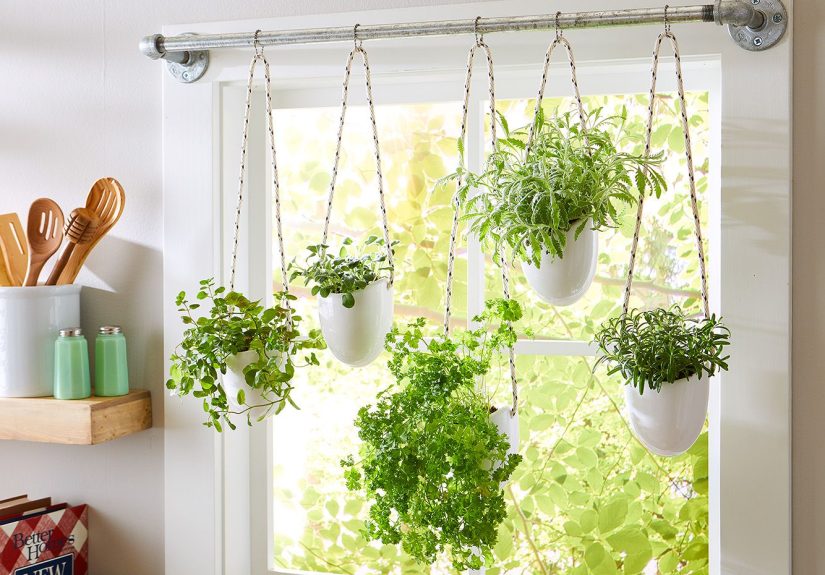
Indoor herbs aren’t just cute countertop décor that makes you look like someone who has their life together.
A small indoor herb garden can:
- Upgrade everyday meals with fresh flavor and aroma (dried oregano has feelings, but fresh is different).
- Save money if you regularly buy fresh herbs and toss the leftovers when they wilt.
- Reduce waste by harvesting only what you needone tablespoon at a time.
- Give you control over growing conditions year-round, especially in winter or hot summers.
- Offer quick wins for beginner gardeners (many herbs are forgiving… until you overwater them).
The biggest advantage? You’re no longer at the mercy of seasons. You can keep a steady rotation of herbseven when
your outdoor garden is frozen solid or your patio is basically a wind tunnel.
Pick Herbs That Actually Like Indoor Life
Not every herb wants to be a houseplant. Some thrive indoors with minimal drama, while others act like they’re auditioning
for a reality show called So You Think You Can Bolt? Start with reliable performers, then expand.
Beginner-friendly indoor herbs
- Basil: Fast-growing and generous, but needs strong light and regular pinching to avoid legginess.
- Chives: Compact, hardy, and great for beginners; snip-and-regrow energy.
- Parsley: Slow to start but steady once established; appreciates consistent moisture.
- Mint: Very easyalmost suspiciously easy. Keep it in its own pot (it likes to take over).
- Thyme & oregano: Prefer drier soil and lots of light; great for “I forget to water sometimes” people.
Doable, but a little pickier
- Rosemary: Can be grown indoors, but wants bright light, good airflow, and careful watering.
- Sage: Likes strong light and drier conditions; can get leggy if light is weak.
- Cilantro: Tends to bolt (flower) faster indoors if it gets warm or stressedsuccession sowing helps.
- Dill: Can grow indoors, but gets tall and needs a deeper container and bright light.
Pro tip: group herbs by similar needs. Mediterranean-style herbs (thyme, oregano, rosemary, sage) generally like brighter light and
drier soil. Tender leafy herbs (basil, parsley, cilantro) usually want a bit more consistent moisture.
Light: The Make-or-Break Ingredient
Indoors, the most common reason herbs fail is not “bad luck” or “a vengeful parsley spirit.” It’s not enough light.
Many herbs prefer several hours of direct sun, and windows don’t always deliver what we think they doespecially in winter.
Option A: A sunny window (the classic)
A bright south-facing window is usually the best bet in the U.S. If you don’t have that, east or west can work,
but growth may be slower. Rotate pots every few days so plants don’t lean like they’re trying to peek at your neighbor’s business.
Option B: Grow lights (the reliable upgrade)
If you want true year-round consistency, grow lights are the cheat code. A simple LED grow light on a timer can turn “surviving” herbs into
“thriving” herbs.
- Daily duration: Many indoor herb setups do well with about 12 hours of grow light. If light is weak or it’s winter, some gardeners run longer schedules (often in the 12–16 hour range), but give plants darkness too.
- Timer: Use an outlet timer so your herbs get consistent “days” and “nights” without you becoming the sun.
- Distance: Keep lights close enough for intensity but not so close you scorch leaves. Adjust as plants grow.
If your herbs are tall, pale, and flopping over like they’re in a slow-motion fainting scene, that’s usually a “more light” message.
Containers, Soil, and Drainage: Build the Foundation
Herbs don’t need fancy pots. They need drainage holes. No drainage is basically asking for root rot with a side of regret.
Choosing pots
- Drainage holes: Non-negotiable.
- Size: Many herbs do well in 6–8 inch pots; larger or deep-rooted herbs may need more room. Mint is happiest in a roomy pot because it grows like it’s training for a marathon.
- Saucers: Use one to protect your windowsill, but don’t let pots sit in water.
Choosing soil
Use a quality potting mix, not garden soil. Potting mix drains better and stays lighter for roots.
If your mix feels heavy or stays wet for days, consider blending in perlite or another aeration amendment.
Soil-based vs. hydroponic systems
Soil-based growing is simple and flexible. Hydroponic countertop systems can be convenient (built-in light, water reservoir),
but you’ll rely on nutrient solutions and system maintenance. Either can work; the best one is the one you’ll actually use consistently.
Watering: Keep It Moist, Not Miserable
Overwatering is the #1 indoor herb heartbreak. The goal is evenly moist soil for many herbsnot soggy, not bone-dry.
A simple watering rule that works
Check the soil with your finger. If the surface (or top inch) is dry, water thoroughly until it drains out the bottom,
then empty any excess from the saucer.
Signs you’re overwatering
- Yellowing leaves that drop easily
- Mushy stems near the soil line
- Soil that stays wet for days
- Fungus gnats hovering like tiny, uninvited drones
Signs you’re underwatering
- Wilting that perks up quickly after watering
- Dry, crispy leaf edges
- Soil pulling away from the pot sides
Consistency matters more than perfection. Indoor air can be drying, and small pots dry out faster than large ones,
especially under grow lights.
Temperature, Humidity, and Airflow: The Invisible Trio
Most culinary herbs are comfortable at typical indoor temperatures. What they don’t love is being parked next to extremes:
heat vents, drafty doors, icy windows, or radiators that run like a dragon.
Temperature
Aim for stable “comfortable room” conditions. Many herbs grow well with moderate daytime temps and slightly cooler nights.
Humidity
Winter heating can dry indoor air. If basil gets cranky or leaf edges crisp up, you may need a humidity boost:
- Group plants together to create a small humid microclimate.
- Use a pebble tray (water below the pebble line) under pots.
- Run a small humidifier nearby if your air is extremely dry.
Airflow
Gentle airflow helps reduce mold and mildew issues. You don’t need a windstormjust avoid stagnant, constantly damp conditions.
Feeding Herbs Indoors: Light Fertilizer, Big Difference
Indoor herbs can’t “forage” like outdoor plants. Over time, nutrients wash out of pots, especially if you water thoroughly.
A modest feeding routine keeps growth steady.
- When to fertilize: During active growth (often spring through fall, or anytime you’re harvesting frequently under lights).
- How much: Use a diluted liquid fertilizer and follow label directions. More is not more. More is “salty soil and sad roots.”
- How often: Light, regular feeding beats heavy, occasional feeding for most indoor herbs.
If you see white crust on the soil surface, that can be mineral buildup. Scrape off the top layer and refresh with new mix, or flush with water occasionally.
How to Start: Seeds, Starter Plants, or Cuttings
You have three good paths, and each has its charm.
Starter plants (fastest gratification)
Buy healthy transplants and repot them into containers with good drainage. Inspect leaves (top and underside) for pests before bringing them home.
A “quarantine week” away from your other houseplants is a smart move.
Seeds (cheapest and oddly addictive)
Seeds are great for basil, chives, parsley, and cilantro. The key indoors is strong light right from sproutingotherwise seedlings stretch.
If you want a steady harvest, sow small batches every few weeks (especially for cilantro).
Cuttings (free plants feel like a magic trick)
Herbs like mint and basil often root in water. Snip a healthy stem, remove lower leaves, place in water, and pot up once roots form.
It’s a satisfying way to multiply your favorites.
Harvesting and Pruning: The Secret to Bushy, Productive Herbs
Harvesting isn’t just takingit’s training. Regular cutting encourages branching, which means more leaves, which means you win.
General harvesting rules
- Don’t take more than about one-third of the plant at a time.
- Cut above a leaf node (where leaves attach) to encourage branching.
- Harvest often to prevent legginessespecially basil.
Basil: pinch early, pinch often
When basil has several sets of leaves, pinch the top growth to encourage side branches. If basil starts flowering,
pinch off buds quicklyflowering shifts the plant’s focus away from leafy growth.
Woody herbs: rosemary, thyme, sage
Snip young growth tips and avoid cutting deep into thick woody stems unless you know the plant is actively growing and can recover.
Pests Indoors: How to Keep the Tiny Freeloaders Out
Indoor herbs usually have fewer pest problems than outdoor beds, but pests can hitchhike on new plants.
Common indoor culprits include aphids, spider mites, and fungus gnats.
Prevention (the easiest “treatment”)
- Inspect new plants carefully before bringing them home.
- Keep leaves dust-free (a gentle rinse or wipe helps).
- Avoid constantly wet soil, which invites gnats and root issues.
If pests appear
- Isolate the plant.
- Rinse leaves gently with water.
- Use insecticidal soap as directed if needed, especially for aphids or mites.
- For fungus gnats: let the top layer dry more between watering and consider sticky traps.
If your herb is heavily infested and you’re not emotionally attached, it’s okay to compost it and start fresh. Gardening is allowed to have plot twists.
Troubleshooting: What Your Herbs Are Trying to Tell You
Problem: Leggy, pale growth
Likely cause: Not enough light. Fix: Move to a brighter window, add a grow light, and pinch back growth to encourage branching.
Problem: Yellow leaves
Likely cause: Overwatering or poor drainage. Fix: Let soil dry slightly, ensure drainage holes are open, and don’t let pots sit in water.
Problem: Leaves curling or crispy edges
Likely cause: Low humidity, inconsistent watering, or heat vents. Fix: Move away from heat sources and add a humidity strategy (grouping, pebble tray, humidifier).
Problem: Slow growth
Likely cause: Low light or lack of nutrients. Fix: Increase light exposure and use gentle fertilizer during active growth.
Problem: Mold on soil surface
Likely cause: Too wet, not enough airflow. Fix: Improve airflow, reduce watering frequency, and remove the moldy top layer.
Food Safety: Washing and Using Indoor-Grown Herbs
Even homegrown herbs should be handled with basic kitchen safety. The good news: you don’t need special washes or soaps.
Rinse herbs right before you use them, then dry gently.
- Rinse: Use cool running water, or dip and swish in a bowl of clean water.
- Dry: Pat dry with paper towels or a clean towel so leaves don’t stay wet in storage.
- Skip soap: Plain water is the standard approach for rinsing produce and herbs.
If you’re harvesting into a bowl, keep it clean, and avoid letting cut herbs sit wet and warm for long periods.
Treat herbs like any other fresh produce: clean hands, clean surfaces, smart storage.
A Simple Year-Round Care Routine (That Won’t Take Over Your Life)
Daily (2 minutes)
- Check soil moisture with a finger test.
- Look at leaves: are they upright, green, and perky?
- Rotate pots if they’re leaning toward the light.
Weekly (10 minutes)
- Water thoroughly when needed, then empty saucers.
- Harvest/pinch to encourage branching.
- If actively growing, feed lightly according to product directions.
Monthly (20 minutes)
- Check roots (if growth stalls): if rootbound, repot one size up.
- Refresh the top inch of potting mix if crusty or compacted.
- Wipe dust off leaves so plants can photosynthesize efficiently.
Seasonal adjustment: in winter, light is usually the limiting factor, so lean on grow lights and be careful not to overwater.
In summer, bright windows can get hotwatch for heat stress and faster drying soil.
Real-Life Indoor Herb Experiences (About of “Been There” Wisdom)
Ask anyone who’s grown herbs indoors year-round and you’ll hear a familiar story: it starts with confidence, includes at least
one overwatering incident, and ends with a tiny forest of basil if they stick with it. One common experience is the
“sunny window illusion.” You place a basil plant on a windowsill that looks bright to your eyes, then two weeks later it’s tall,
pale, and leaning like it’s trying to escape. Most people learn (sometimes after a dramatic rescue mission) that human-bright
and plant-bright are not the same thing. The moment you add a simple grow light and a timer, the plant often changes
personalityshorter internodes, fuller leaves, and that deep green color that says, “Yes, I can do this.”
Another very real experience: mint. Mint is the friend who shows up early, brings snacks, and then quietly moves into your
spare room. Indoors, mint grows enthusiastically, and that’s a compliment… and also a warning. People often discover that
mint behaves best when it has its own pot and its own schedule. On the plus side, you’ll have mint for tea, salads, and
the occasional “I’m being fancy” garnish without trying very hard. The lesson is less “don’t grow mint” and more “don’t
underestimate mint.”
Then there’s the watering learning curve. Many indoor herb growers report a phase where they water on a calendar instead
of watering based on the plant. It’s well-intentioned“Tuesday is watering day!”but herbs rarely follow the same routine
as your laundry. Pots dry faster under lights, slower in winter, faster in small containers, slower in large containers, and
faster when your heat is blasting like it’s trying to recreate the Sahara. The “aha” moment comes when you switch to
checking soil with your finger and watering only when the surface is dry. Suddenly, yellow leaves become less common,
fungus gnats stop hosting nightly dance parties, and the plants look more relaxed.
Harvesting also surprises people. At first, many gardeners feel guilty cutting their herbslike they’re taking too much.
But herbs often respond to pruning the way hair responds to a good trim: they look better and grow back stronger.
Basil is the classic example. Gardeners who pinch tops early usually end up with a bushy plant and steady harvests.
Gardeners who “let it be” often end up with a lanky basil teenager who refuses to sit up straight. Over time, you learn
to harvest with intention: snip above a node, keep the plant balanced, and use what you cut that day so it stays fresh.
Finally, most year-round indoor herb growers develop a rhythm: a quick daily glance, a weekly snip, and the occasional
repotting session that feels oddly satisfying. It becomes less like “gardening homework” and more like keeping a tiny,
edible ecosystem happy. And yes, you’ll still have a cilantro moment now and thenwhere it bolts, pouts, or acts dramatic.
But that’s okay. Indoor herb gardening is a long game, and the best growers aren’t the ones who never mess upthey’re the
ones who adjust the light, tweak the watering, and keep growing anyway.