Table of Contents >> Show >> Hide
- Meet Philodendron Silver Sword
- Ideal Growing Conditions for Philodendron Silver Sword
- How to Water Philodendron Silver Sword
- Fertilizing for Healthy Silver Leaves
- Potting, Repotting, and Choosing Support
- Pruning and Shaping Your Plant
- How to Propagate Philodendron Silver Sword
- Common Problems and How to Fix Them
- Is Philodendron Silver Sword Toxic?
- Quick FAQ
- Real-Life Experiences: What It’s Like to Live with a Silver Sword
- Conclusion
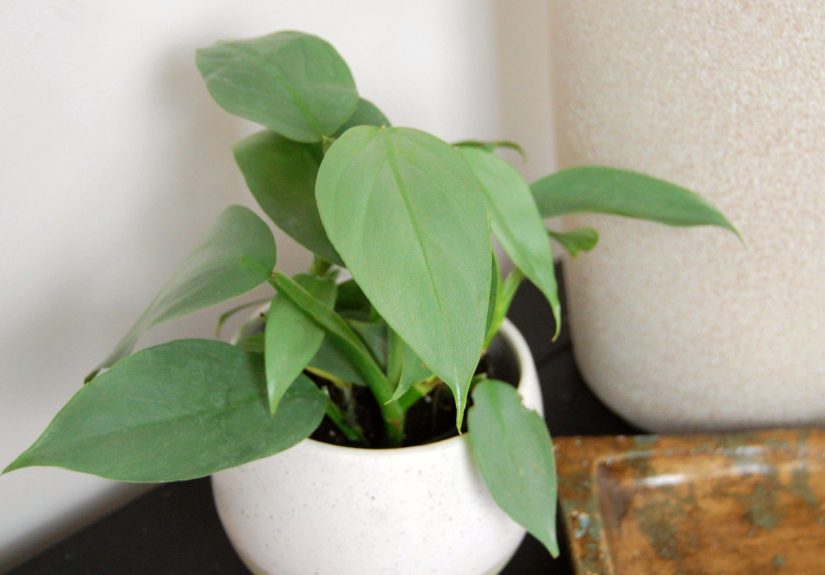
Philodendron Silver Sword (Philodendron hastatum) looks like it walked out of a sci-fi movie and climbed onto your plant shelf all sleek, metallic leaves and dramatic, sword-like shape. The good news? This rare-looking aroid is actually pretty chill once you understand what it wants. Give it the right light, a comfy pot, and a climbing pole, and it will reward you with long vines of shimmering silver foliage.
This guide walks you through everything you need to know about how to grow and care for Philodendron Silver Sword indoors: light, water, soil, humidity, fertilizer, propagation, troubleshooting, and real-world tips from everyday plant life. By the end, you’ll know exactly what your “space sword” expects from you no guesswork, no drama.
Meet Philodendron Silver Sword
Philodendron Silver Sword is a tropical climber from Brazil, part of the Araceae family. In the wild, it scrambles up trees, using its aerial roots to anchor itself as it reaches for the light. Indoors, that same climbing habit makes it perfect for moss poles, trellises, and tall statement planters. Juvenile plants have narrower, more lance-shaped leaves, while mature plants can develop broader, slightly lobed foliage with a strong metallic sheen.
Expect your Silver Sword to reach 2–3 feet (or more) in height as a houseplant with support. It’s considered a medium-growing philodendron: not as fast as a pothos, but not painfully slow either. With good care, you’ll see new leaves regularly during the growing season.
Ideal Growing Conditions for Philodendron Silver Sword
Light Requirements
Think “bright but gentle.” Philodendron Silver Sword thrives in bright, indirect light the kind of light you get near an east- or north-facing window, or a few feet back from a bright south- or west-facing one. Direct, harsh midday sun can scorch its delicate silver leaves, leaving crispy brown patches that never heal.
As a rule of thumb, you should be able to comfortably read a book near your plant without turning on a lamp. If the internodes (the spaces between leaves) are stretching out and the plant looks leggy, it’s begging for more light. If you see pale, washed-out color or burnt spots, it’s probably getting too much.
Temperature and Humidity
Silver Sword is happiest in typical indoor, warm conditions: roughly 65–80°F (18–27°C). It does not appreciate cold drafts, air conditioning blasts, or open windows in winter. Try not to let temperatures drop below the mid-50s°F (around 13°C), and keep it far from exterior doors that swing open all winter long.
Humidity is where this plant will really love you. It can cope with average indoor humidity (around 40–50%), but it truly thrives at 50–60% and above. If your home is dry, especially in winter, consider:
- Placing a small humidifier nearby
- Grouping plants together to create a mini “humidity bubble”
- Using a pebble tray with water under (not touching) the pot
Occasional light misting is fine, but it doesn’t replace actual humidity and can encourage fungal spots if leaves stay wet overnight. Focus on raising the overall moisture in the air instead of just spraying the foliage.
Soil and Potting Mix
Philodendron Silver Sword loves a chunky, well-draining potting mix that still holds a bit of moisture think “airy, not soggy.” A simple and effective mix you can make at home is:
- 1 part high-quality all-purpose potting soil
- 1 part coco coir or peat moss (for moisture retention)
- 1 part perlite or pumice (for drainage and airflow)
- Optional: a handful of orchid bark for extra chunk and root aeration
Always pot in a container with drainage holes. If you fall in love with a decorative pot that doesn’t have drainage (we’ve all been there), use it as a cachepot and keep your plant in a plastic nursery pot inside it.
How to Water Philodendron Silver Sword
Overwatering is the quickest way to turn your majestic Silver Sword into a mushy mess. Instead of watering on a strict schedule, let the plant tell you when it’s ready:
- Check the top 1–2 inches of soil with your finger.
- If it feels dry, it’s time to water.
- If it’s still damp, wait a few days and check again.
When you do water, do it thoroughly: water until liquid runs out of the drainage holes, then empty the saucer. This flushes out built-up salts and ensures the entire root ball gets moisture. In spring and summer, you’ll likely water more frequently as the plant grows actively. In fall and winter, growth slows, and so should your watering.
Watch for these clues:
- Yellow, dropping lower leaves usually point to overwatering or poor drainage.
- Curling, very dry leaves often indicate underwatering or very low humidity.
Fertilizing for Healthy Silver Leaves
During the active growing season (roughly spring through early fall), Philodendron Silver Sword appreciates a regular, gentle feeding schedule. A balanced, water-soluble houseplant fertilizer (for example 10-10-10 or 20-20-20) diluted to half-strength works well. Many growers fertilize every 2–4 weeks in the growing season or about once a month.
In fall and winter, the plant naturally slows down. Reduce fertilizing to every 6–8 weeks or pause altogether until you see new growth again in spring. Too much fertilizer can lead to leaf burn and salt buildup in the soil, so when in doubt, go lighter rather than heavier.
Potting, Repotting, and Choosing Support
When to Repot
Silver Sword doesn’t need constant repotting, but it does like a little room to stretch its roots. Consider repotting every 1–2 years or when you notice:
- Roots circling around the bottom of the pot
- Water rushing straight through the pot without soaking the soil
- The plant repeatedly drying out much faster than before
Move up only one pot size at a time (for example, from a 6-inch to an 8-inch pot). Oversized pots can hold too much water and encourage root rot.
Giving Your Silver Sword Something to Climb
This plant truly shines (literally) when you treat it like the climber it is. Adding a moss pole, coco pole, or trellis helps:
- Encourage larger, more mature leaves
- Prevent the plant from flopping over and looking messy
- Showcase that dramatic, upright growth habit
Gently tie stems to the support with soft plant ties or twine, being careful not to crush the nodes. Over time, aerial roots will grip the pole and support themselves.
Pruning and Shaping Your Plant
Pruning Philodendron Silver Sword is mostly about aesthetics and health:
- Remove yellowing or damaged leaves with clean, sharp scissors.
- Trim overly long vines back to just above a node to encourage bushier growth.
- Regularly wipe dust off the leaves so the plant can photosynthesize efficiently and keep its sheen.
Always disinfect your pruning tools with alcohol between plants to avoid spreading pests or disease. Your plant doesn’t want to share spider mites with the neighbors.
How to Propagate Philodendron Silver Sword
One of the joys of owning a climbing philodendron is how easy it is to turn one plant into several. Philodendron Silver Sword propagates well from stem cuttings. Here’s a simple method:
Step-by-Step Stem Cutting Propagation
- Choose a healthy vine. Look for stems with several leaves and visible nodes (the small bumps on the stem where leaves and roots emerge).
- Make your cut. Using clean scissors or pruning shears, cut just below a node. Ideally, each cutting should have 2–3 nodes and at least one or two leaves.
- Prepare the cutting. Remove the lower leaf so you have a bare node that can be buried or surrounded by your rooting medium.
- Choose a rooting method. You can root Silver Sword in water, moist sphagnum moss, or directly in a light, airy soil mix. Moss or soil often leads to stronger roots that adapt quickly to pot life.
- Provide warmth and humidity. Keep the cutting in bright, indirect light. A clear plastic bag or propagation box can help maintain humidity, but make sure there’s some airflow to avoid mold.
- Wait for roots. In a few weeks, you should see new roots forming. Once the roots are a couple of inches long and look sturdy, pot your cutting into a small container with well-draining mix.
Don’t be surprised if the first new leaf or two look smaller or a bit different. As the plant settles in and climbs, the leaves will size up again.
Common Problems and How to Fix Them
Yellow Leaves
A single yellowing lower leaf now and then is normal old leaves retire. But if multiple leaves are yellowing at once, especially starting from the bottom, suspect overwatering or poor drainage. Check the roots for mushiness and adjust your watering routine. If the soil is dense and compacted, repot into a chunkier mix.
Brown Leaf Tips or Edges
Brown, crispy tips usually point to low humidity, underwatering, or a buildup of salts from fertilizer. Increase humidity, double-check your watering, and give the plant a good flush with plain water to clear the soil. Also be careful not to let the plant sit right under a heat vent.
Leggy, Sparse Growth
If your Silver Sword looks like it’s making a break for the door with long bare stems and small leaves, it probably needs more light. Move it closer to a bright window (without direct midday sun) or supplement with a grow light. Pruning back leggy vines can also push out new, fuller growth.
Pests
Like most houseplants, Silver Sword can occasionally attract spider mites, mealybugs, or scale. Catch problems early by regularly inspecting leaf undersides and stems. If you spot pests:
- Isolate the plant from your collection.
- Wipe leaves with a damp cloth and a mild insecticidal soap solution.
- Follow up with weekly treatments until you’re sure the pests are gone.
Is Philodendron Silver Sword Toxic?
Yes. Like other philodendrons, Silver Sword contains insoluble calcium oxalate crystals. If chewed or ingested by pets or children, it can cause mouth irritation, drooling, and stomach upset. Very rarely, swelling can affect breathing. Keep this plant out of reach of cats, dogs, and curious toddlers, and contact a vet or poison helpline if a pet takes a serious bite.
When pruning or repotting, people with sensitive skin may prefer to wear gloves, since the sap can be irritating.
Quick FAQ
How fast does Philodendron Silver Sword grow?
In good conditions bright indirect light, warm temps, decent humidity, and regular feeding you can expect steady growth through spring and summer, with new leaves appearing every few weeks. Growth slows in cooler, darker months.
Can I grow Silver Sword outdoors?
In warm, frost-free climates, you can grow it outdoors in a shaded or dappled-light spot. In temperate regions, it’s best kept as a houseplant or brought inside before nights drop below about 55°F (13°C).
Does it need a moss pole?
Need? Not strictly. Love? Absolutely. Providing a pole or trellis helps the plant mimic its natural climbing habit and often encourages bigger, more dramatic leaves.
Real-Life Experiences: What It’s Like to Live with a Silver Sword
Growing Philodendron Silver Sword isn’t just about ticking boxes on a care chart; it’s about getting to know its personality. Many plant parents notice that this philodendron is surprisingly communicative. When it’s happy, it pushes out new leaves quickly, each one unfurling like a shiny silver ribbon. When it’s unhappy, it sulks droopy petioles, dull leaves, or suspicious yellowing are its way of starting a conversation.
One common experience people share is how dramatically the plant perks up once it gets something to climb. A Silver Sword grown in a basic pot without a pole might look fine, but once you give it a moss pole and gently tie the stems, it often responds with noticeably larger leaves over the next few months. It’s a great reminder that this isn’t just a decorative object; it’s a tropical vine that’s built to scramble up trees.
Another shared story: overwatering regrets. Many new owners treat their Silver Sword like a thirsty fern and then panic when the lower leaves start yellowing. The lesson that usually sticks is to trust the soil test finger into the mix, wait until those top couple of inches are dry, and only then water thoroughly. After a few cycles, you get a feel for your home’s rhythm: maybe it’s every 5–7 days in summer, every 10–14 days in winter. The calendar can’t tell you that; your plant and your potting mix can.
Humidity experiments are another big theme. Some people notice that their Silver Sword is fine in average indoor humidity, but when they add even a small humidifier nearby, the leaf edges look cleaner, and new leaves unfurl without minor cosmetic damage. The plant might survive without that extra moisture, but it thrives with it. And once you see those smooth, unblemished silver leaves, it’s hard to go back.
Propagation days often turn into mini plant-nerd celebrations. Because Silver Sword propagates relatively easily from stem cuttings, many growers share cuttings with friends or swap them online. That first time you see roots forming in moss or water is oddly thrilling you’ve gone from “I hope this works” to “Wow, I just made another plant.” Over time, you might even end up with a backup plant in case something ever happens to the original.
Finally, there’s the simple joy of watching the color shift. New leaves often come in a softer, slightly greener tone and then cure into that cooler metallic blue-silver over days or weeks. It’s subtle, but if you pay attention, you start noticing how each new leaf matures. That slow transformation is part of what makes Silver Sword such a rewarding indoor plant. It’s not just a static decoration; it’s a living, evolving piece of your home.
Conclusion
Philodendron Silver Sword may look rare and exotic, but its care is straightforward once you understand the basics: bright, indirect light; warm temperatures; moderate to high humidity; an airy, well-draining mix; and sensible watering. Give it something to climb, feed it lightly during the growing season, and stay ahead of overwatering, and you’ll have a striking, silvery statement plant that keeps rewarding you year after year.
sapo:
Philodendron Silver Sword is one of those plants that looks intimidating but behaves like a surprisingly easygoing roommate once you know what it likes. With bright, indirect light, a chunky, well-draining soil mix, and consistent but not obsessive watering, this metallic climber will reward you with long vines of silvery foliage that look stunning on a moss pole or trellis. This in-depth guide covers every part of Silver Sword care light, temperature, humidity, soil, fertilizing, repotting, propagation, and problem-solving plus real-life experiences from plant owners so you can avoid common mistakes and enjoy a thriving, dramatic statement plant in your home.