Table of Contents >> Show >> Hide
- What Are Mums, Exactly?
- Choose the Right Mums if You Want Them to Last
- Best Growing Conditions for Mums
- How to Plant Mums the Right Way
- How to Care for Mums So They Bloom Longer
- Pinching Mums for Fuller Plants and More Flowers
- How to Make Porch Mums Last Longer
- Do Mums Come Back Every Year?
- Winter Care for Garden Mums
- Common Mum Problems and How to Avoid Them
- The Best Strategy if You Want Mums All Season Long
- Real-World Experience: What Gardeners Learn After Growing Mums for a Few Seasons
- Conclusion
- SEO Tags
Few plants say “fall has arrived” quite like mums. Set a few on the porch and suddenly your home looks ready for sweaters, cider, and at least one decorative pumpkin you absolutely did not need but bought anyway. But while chrysanthemums are famous for easy color, they are also famous for disappointing gardeners who treat them like instant décor instead of living plants with opinions. The good news? With the right care, mums can bloom longer, look fuller, and in many gardens come back again next year.
If you want mums that last all season long, the secret is not magic. It is timing, sunlight, watering, and a little strategic pruning. In other words, mums are not high-maintenance divas, but they do appreciate a gardener who pays attention. This guide covers how to grow mums in containers and garden beds, how to keep them blooming beautifully, and how to improve their odds of surviving winter.
What Are Mums, Exactly?
Mums, short for chrysanthemums, are classic fall-blooming plants prized for their rich colors and tidy, mounded shape. They bloom in shades of yellow, orange, burgundy, bronze, pink, purple, red, and white, which makes them one of the easiest ways to revive a tired late-season garden. They are especially popular when summer annuals start to fade and your flower beds begin looking like they need a pep talk.
Not all mums are the same, though. The two main types gardeners see are garden mums and florist mums. Garden mums are the hardy outdoor kind and are the better choice if you want plants that may return next year. Florist mums are often sold as gift plants and are usually less cold-tolerant. If your goal is long-lasting landscape color instead of a short-lived centerpiece, always choose hardy garden mums.
Choose the Right Mums if You Want Them to Last
Pick healthy plants, not just pretty ones
When shopping for mums, resist the urge to buy the plant in full blazing glory. Yes, it is gorgeous. Yes, it is calling your name. But if every flower is already fully open, the show may end sooner than you would like. Instead, choose plants with lots of tight buds and just a few blooms beginning to open. That way, the plant is only warming up, not taking its final bow.
Look for mums with dense foliage, strong stems, and leaves that are green and clean. Skip plants that are wilted, yellowing, or obviously dried out. A thirsty mum can recover, but it starts your relationship on slightly dramatic terms.
Know where you are planting them
If you are using mums for a quick seasonal display in pots, almost any healthy plant will do. But if you want them to come back next year, buy hardy garden mums and plant them in the ground as early as possible. In colder climates, spring planting is best because it gives roots time to establish before winter. In warmer regions, early fall planting can also work well if the plant has enough time to settle in before hard freezes arrive.
Best Growing Conditions for Mums
Sunlight: More sun, more flowers
Mums perform best in full sun. Ideally, they should get at least 6 hours of direct light a day, especially morning sun. Too much shade leads to leggier plants, fewer blooms, and that floppy look that says, “I had potential.” In very hot southern climates, a little afternoon relief can help, but in most gardens, bright sun is the recipe for a heavy bloom set.
Soil: Rich, loose, and well-drained
The fastest way to make a mum unhappy is to plant it in soggy soil. Mums like fertile, well-drained soil with plenty of organic matter. If your soil is heavy clay, amend it with compost before planting. If water tends to sit after rain, choose a raised bed or another better-draining location. Roots that stay wet too long are far more likely to rot, especially as temperatures cool.
Spacing: Give them room to breathe
Plant mums about 18 to 24 inches apart, or more for larger varieties. Good spacing improves air circulation, helps foliage dry faster, and reduces disease problems. Crowded mums may still bloom, but they are more likely to develop fungal issues and look messy by midseason.
How to Plant Mums the Right Way
Dig a hole about as wide as the root ball and set the plant at the same depth it was growing in its nursery pot. Do not bury the crown. Backfill with amended soil, water thoroughly, and add mulch around the plant to help keep the soil evenly moist. Just keep mulch a little away from the stems so you do not create a cozy, damp hotel for rot.
For containers, use a pot with drainage holes and a high-quality potting mix. Mums in pots dry out faster than mums in the ground, so container care requires a little more vigilance. The upside is that container mums are easy to move around, which is handy when you want to rearrange your porch for maximum autumn bragging rights.
How to Care for Mums So They Bloom Longer
Water consistently
Mums have relatively shallow root systems, so they need steady moisture. This is especially important while they are blooming. Water deeply whenever the top inch of soil feels dry. Do not let the plant wilt repeatedly, because that stress shortens the bloom period and can cause buds to fail.
Container mums usually need water more often than plants in beds. In early fall warmth, they may need it every day. A useful trick for dried-out potted mums is to soak the root ball thoroughly so the potting mix can rehydrate fully. After that, keep the soil evenly moist, not soggy.
Water the soil, not the leaves
Whenever possible, water at the base of the plant. Wet foliage encourages disease, especially as evenings cool down. A watering can, drip hose, or slow hose stream aimed at the root zone is much better than spraying the whole plant like it is starring in a shampoo commercial.
Feed mums at the right time
Mums are not especially fussy, but they do appreciate nutrients. Work compost into the soil at planting time, then feed garden mums in spring and early summer with a balanced or slow-release fertilizer. This helps them produce strong stems and lots of buds. Once flower buds begin to show color, ease off the fertilizer. At that stage, you want the plant focusing on blooming rather than producing a burst of soft new growth.
Deadhead spent blooms
Removing faded flowers keeps the plant looking fresh and can encourage additional blooming in some varieties. It also prevents your porch display from drifting from “charming harvest elegance” into “tired grocery store bouquet.” Snip off spent blooms just above the next healthy leaf or branching point.
Pinching Mums for Fuller Plants and More Flowers
If you are growing mums as perennials in the garden, pinching is one of the best things you can do. When new growth reaches about 4 to 6 inches tall in spring, pinch off the tips. Repeat every few weeks into early summer. This encourages branching, which creates a bushier plant with more flowering stems.
The exact stopping point depends on your climate and cultivar, but a safe rule is to stop pinching by early to mid-July in many regions. Gardeners in warmer climates may pinch a little later. If you keep pinching too long, you can delay flowering and end up with beautiful foliage and zero fall fireworks. Lovely plant, wrong season.
How to Make Porch Mums Last Longer
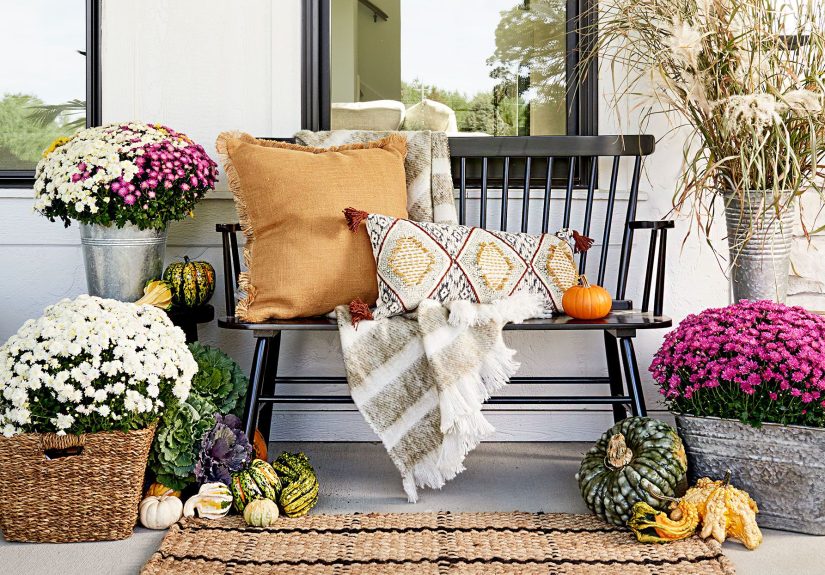
Most people meet mums in container form first, usually when they are buying pumpkins and accidentally turning a simple errand into a full seasonal personality. To keep porch mums looking great as long as possible, follow these rules:
- Place them where they get strong sun for several hours a day.
- Check soil moisture daily, especially in warm or windy weather.
- Water deeply until excess drains out the bottom.
- Remove faded blooms promptly.
- Protect them from hard frost when possible.
If a cold snap is coming, move container mums to a sheltered spot overnight, such as a covered porch, garage, or protected wall. That small step can preserve blooms and stretch the display by days or even weeks. Mums are tough, but they are not eager to audition for an ice sculpture contest.
Do Mums Come Back Every Year?
They can, but success depends on the type of mum, when you plant it, your climate, and your drainage. Hardy garden mums are the best candidates for returning. Florist mums are less reliable outdoors. Spring-planted mums usually overwinter much better than mums planted in late fall because they have more time to grow roots before cold weather arrives.
Even hardy garden mums can struggle if they are planted too late, sit in wet soil, or go into winter under stress. Think of it this way: a mum planted in spring has months to unpack and settle in; a mum planted in October has barely learned your address before winter shows up.
Winter Care for Garden Mums
Do not cut them back too early
One of the most common mum mistakes is giving them a severe haircut in fall. Leave the stems standing through winter. Those stems help protect the crown, and the top growth catches insulating mulch and snow. Cut the old stems back in spring when new growth begins to appear.
Mulch after the ground cools
Once late fall arrives and the ground is cold, add several inches of loose mulch such as straw, pine needles, or evergreen boughs. The goal is not warmth so much as stability. Mums are shallow-rooted, and repeated freeze-thaw cycles can heave them right out of the soil. Mulch helps keep soil temperatures more even and protects the roots from winter drama.
Keep watering until the ground freezes
Do not assume cool weather means the plant no longer needs water. If rain is scarce, keep the soil lightly moist into late fall. Dry roots enter winter at a disadvantage.
Common Mum Problems and How to Avoid Them
Problem: The plant dries out fast
Fix: Water more consistently and use mulch. For pots, move plants out of harsh wind and check them daily.
Problem: Lots of leaves, not many flowers
Fix: Make sure the plant gets enough sun. Also stop pinching by midsummer so buds have time to form.
Problem: Floppy or leggy growth
Fix: Increase sun exposure and pinch plants in spring and early summer to encourage a compact shape.
Problem: The plant dies over winter
Fix: Choose hardy garden mums, plant earlier, improve drainage, mulch after the soil cools, and wait until spring to cut back old stems.
Problem: Leaf spots or mildew
Fix: Improve air circulation, water at the base, avoid overhead irrigation, and remove heavily affected foliage.
The Best Strategy if You Want Mums All Season Long
If your goal is the longest possible display, use a two-part strategy. First, buy mums with mostly unopened buds for immediate fall color that unfolds gradually. Second, plant hardy garden mums in spring in a sunny, well-drained bed and pinch them into early summer. That gives you stronger perennial plants that can bloom heavily in fall and potentially return for years.
You can also mix early, midseason, and late-blooming varieties to stretch the show. Pair mums with ornamental kale, asters, sedums, pansies, or grasses for containers and borders that still look good even as the season shifts. In other words, do not ask your mums to do all the heavy lifting alone. Even flower stars deserve a supporting cast.
Real-World Experience: What Gardeners Learn After Growing Mums for a Few Seasons
One of the most useful lessons gardeners learn about mums is that these plants reward attention to the small things. On paper, mum care sounds simple: give them sun, water, and decent soil. In real life, the difference between a mum that looks fabulous for weeks and one that collapses in ten days usually comes down to consistency. People often buy gorgeous fall mums, set them on a porch, admire them from a distance, and assume cool weather means they can coast. Then the pot dries out, the blooms crisp at the edges, and everyone acts shocked. Mums are forgiving, but they are not mind readers.
Another common experience is realizing that the best-looking mum at the store is not always the smartest purchase. Gardeners who have done this more than once tend to reach for the plant covered in buds instead of the one already in full bloom. It feels less dramatic in the moment, but it pays off. The plant opens gradually, stays attractive longer, and gives you more value from the same pot. It is the gardening version of not eating all the cookies on day one. Difficult, yes. Wise, also yes.
Many longtime gardeners also discover that location matters more than they expected. A mum tucked under an overhang may be protected from heavy rain, but it can dry out fast. A mum planted in a bed that stays damp after storms may look fine for a few weeks and then suddenly decline because the roots never had the drainage they needed. After a few seasons, most people become a lot less sentimental and a lot more practical: sunny spot, loose soil, steady water, no swamp conditions.
Then there is the great perennial mum reality check. Nearly every gardener has planted a fall mum and confidently assumed it would return next year, only to find an empty spot in spring. That is not failure so much as horticultural education. Once people understand that hardy garden mums perform best when planted early enough to establish roots, their results improve dramatically. Spring planting, summer pinching, and fall mulching may not sound glamorous, but they turn mums from temporary porch decorations into real garden performers.
Perhaps the biggest experience-driven lesson is that mums look better when they are part of a larger seasonal plan. Gardeners who get the most mileage from them often combine them with asters, pansies, ornamental cabbage, trailing ivy, or pumpkins in containers and borders. That way, even when one flush of mum blooms fades, the overall display still feels full and intentional. Mums are excellent team players. They just happen to dress like the headliner.
In the end, growing mums successfully is less about perfection and more about paying attention. Check the soil. Watch the light. Snip spent blooms. Protect the roots in winter. Do that, and mums stop being a one-month fling and start becoming one of the most reliable, cheerful stars of the fall garden.
Conclusion
If you want mums that last all season long, start with healthy hardy plants, give them full sun, keep the soil evenly moist, and do not ignore drainage. For perennial success, plant as early as your climate allows, pinch them in spring and early summer, and protect the shallow roots in winter with mulch. For porch displays, choose budded plants, water faithfully, and deadhead often. Mums are easy to love because they deliver a huge burst of color right when most of the garden is winding down. Treat them well, and they will earn their place as the undisputed champions of fall.