Table of Contents >> Show >> Hide
- What Is Aloe Ferox?
- Why Gardeners Love Aloe Ferox
- Best Growing Conditions for Aloe Ferox
- How to Plant Aloe Ferox
- How to Water Aloe Ferox Without Accidentally Drowning It
- Feeding and Seasonal Care
- Pruning, Grooming, and Repotting
- How to Propagate Aloe Ferox
- Common Problems and How to Fix Them
- Aloe Ferox in the Landscape or Home
- Aloe Ferox vs. Aloe Vera
- Experience-Based Lessons From Growing Aloe Ferox
- Conclusion
- SEO Tags
If you love plants that look like they were designed by a sci-fi set decorator with a soft spot for deserts, Aloe ferox deserves your attention. Commonly called Cape aloe or bitter aloe, this bold succulent grows into a striking architectural plant with a single trunk, a dramatic rosette of spiny leaves, and tall flower spikes that can turn a plain garden corner into a conversation starter. It is not a tiny windowsill diva. It is the kind of plant that says, “I brought my own attitude.”
The good news is that Aloe ferox is not difficult to grow once you understand its personality. It wants sun, sharp drainage, sensible watering, and a gardener who knows when to back away from the hose. Give it those basics, and it will reward you with strong growth, handsome foliage, and the kind of low-maintenance charm that makes other plants seem a little needy.
What Is Aloe Ferox?
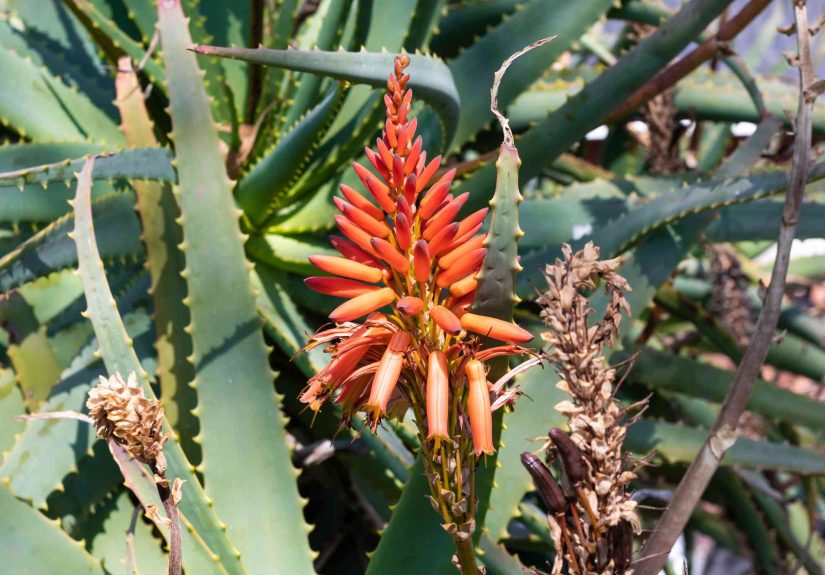
Aloe ferox is a large, single-stemmed aloe native to southern Africa. In warm outdoor climates, mature plants can become impressive specimens, often developing a trunk and a skirt of older dried leaves below a dense rosette. The leaves are thick, blue-green to gray-green, and armed with small spines along the edges and sometimes on the leaf surfaces too. In bloom, the plant sends up bold flower spikes in shades of red, orange, or warm sunset tones. In other words, it is not subtle, and that is exactly the point.
Because of its size and structure, Aloe ferox is often grown as a landscape succulent in dry regions, but young plants also do well in containers. If you live in a colder climate, container growing is usually the smartest move because it lets you enjoy the plant outdoors in warm weather and move it under protection when temperatures drop.
Why Gardeners Love Aloe Ferox
Plenty of succulents are easy. Fewer are easy and dramatic. Aloe ferox earns extra points for bringing both. It has a bold form, strong drought tolerance once established, and much better garden presence than many smaller aloes. It also plays well with gravel gardens, Mediterranean-style landscapes, xeriscapes, and modern container designs.
Another reason people fall for this plant is that it looks impressive without demanding constant attention. You do not need to fuss over daily watering, endless pruning, or weekly feeding schedules. In fact, too much enthusiasm is usually the problem. Aloe ferox prefers what might politely be called disciplined neglect.
Best Growing Conditions for Aloe Ferox
Light
Aloe ferox grows best in very bright light. Outdoors, it generally prefers full sun, especially in mild or dry climates. In very hot regions, young plants may appreciate a little protection from the fiercest reflected afternoon heat while they establish, but mature plants usually handle plenty of sun well.
Indoors, place it in your brightest window, ideally one that gets several hours of strong light each day. A weakly lit room is basically a polite way to say, “Please become floppy.” If the leaves stretch, lean, or lose their sturdy posture, the plant is asking for more light. Move it gradually into brighter conditions so it can adjust without scorching.
Soil
If there is one non-negotiable rule in Aloe ferox care, it is drainage. This plant wants soil that sheds excess moisture quickly. Use a cactus or succulent mix, then improve it further with a mineral amendment such as pumice, perlite, coarse sand, or small lava rock. Rich, soggy potting soil is not a luxury here. It is a trap.
In the ground, choose sandy or gritty soil whenever possible. If your native soil is heavy clay, plant Aloe ferox on a mound, berm, raised bed, or slope so water does not linger around the roots. Wet feet may sound cute on toddlers at the beach. They are terrible on a succulent.
Temperature and Hardiness
Aloe ferox is best suited to warm climates and is commonly treated as a perennial in USDA Zones 9b to 12, depending on local conditions. It can tolerate light frost, but hard freezes can damage the foliage. If temperatures dip into the mid-20s Fahrenheit, expect stress or burn, especially on younger plants or wet soil.
In cooler regions, grow it in a container and move it to a bright protected space before cold weather settles in. A sunny room, enclosed porch, greenhouse, or frost-free sunroom works much better than leaving it outside and hoping for the best.
How to Plant Aloe Ferox
Planting in the Ground
Start with a site that gets strong light and drains fast. Dig a hole no deeper than the root ball and a bit wider than the container. If drainage is questionable, improve the site before planting rather than after the plant starts sulking. Set the aloe so the crown sits slightly above the surrounding soil line. Backfill, firm gently, and avoid burying the stem too deeply.
After planting, wait a little before heavy watering if roots were disturbed. This gives damaged roots time to callus and reduces the chance of rot. Once established, Aloe ferox becomes more forgiving, but at planting time it prefers caution over kindness.
Planting in Containers
Choose a pot with at least one generous drainage hole. Clay or terracotta pots are especially useful because they dry faster than plastic and help reduce overwatering problems. Pick a container that is only slightly larger than the root ball. An oversized pot holds extra moisture, and extra moisture is how root rot writes its resume.
Plant your aloe at the same depth it was growing before. Do not pack soil too tightly. The goal is stability with airflow and drainage, not concrete.
How to Water Aloe Ferox Without Accidentally Drowning It
Aloe ferox is a succulent, which means it stores water in its leaves and does not want constant moisture around its roots. The best strategy is simple: water thoroughly, let excess water drain away, and then wait until the potting mix or root zone has dried out before watering again.
During the active growing season, that might mean watering more often, especially in hot weather or fast-draining containers. During cooler months, growth slows and watering should be reduced. There is no magical calendar formula because light, heat, airflow, pot size, and soil all change the pace. A better habit is to check the soil with your finger or a moisture probe. If it is still damp below the surface, wait.
Watch the leaves too. Slight wrinkling can suggest the plant is ready for water, while mushy tissue, black spots near the base, or a collapsing center often point to overwatering or rot. Think of watering Aloe ferox like seasoning food: too little is fixable, too much can ruin dinner.
Feeding and Seasonal Care
Aloe ferox does not need heavy feeding. In fact, aggressive fertilizer can lead to overly soft growth that looks less natural and may invite pests. A light application of a balanced, diluted fertilizer in spring or early summer is usually enough for container plants. In the ground, many plants get by with little to no supplemental feeding if the site is suitable.
During warm months, the plant may put on its best growth. In cooler weather, especially indoors, reduce watering and hold the fertilizer. The goal in winter is not fast growth. It is survival, stability, and avoiding soggy soil while the plant rests.
Pruning, Grooming, and Repotting
Aloe ferox is not a high-pruning plant. Most of the grooming involves removing dead, damaged, or badly scarred leaves near the base. Use clean, sharp tools and gloves because those spines are not decorative suggestions. They mean business.
If lower leaves dry and form a skirt on outdoor plants, you can leave them for a more natural, rugged look or remove them for a cleaner profile. Either approach works. It is a style choice, not a moral issue.
Repot container plants when the root ball becomes crowded or the plant starts toppling like a dramatic actor exiting stage left. Move up just one pot size, refresh the gritty mix, and avoid watering immediately if roots were broken during the process.
How to Propagate Aloe Ferox
Propagation is possible from seed, and that is often the most dependable route for Aloe ferox. Seeds are slower than instant gratification, but they are a practical way to grow this species, especially because Aloe ferox is more often solitary than clump-forming in the way some smaller aloes are.
If your plant produces offsets, those can be separated once they have roots of their own. Some growers also root stem sections on older plants, but that is more advanced and not always the first choice for home gardeners. When dividing or cutting, let wounds dry and callus before replanting in a fast-draining medium. Fresh cuts plus wet soil equal trouble.
Common Problems and How to Fix Them
Root Rot
This is the biggest threat to Aloe ferox. It usually starts with overwatering, poor drainage, cold wet conditions, or all three teaming up like villains in a gardening movie. If the base turns soft or the center collapses, unpot the plant, remove rotten tissue, and replant only healthy material in fresh dry mix.
Too Little Light
If your plant becomes weak, stretched, or leans toward the window, it needs more light. Move it gradually into a brighter spot and rotate the pot regularly indoors for even growth.
Pests
Mealybugs, scale, aphids, and spider mites can show up, especially on stressed indoor plants. Check leaf axils, undersides, and the crown. Treat early with physical removal, a blast of water where appropriate, or a houseplant-safe treatment labeled for the pest. Quarantine new plants before introducing them to your collection. Aloe ferox may be tough, but it does not need roommates with bad habits.
Sunburn After Sudden Exposure
A plant moved from low light to blazing sun can develop scorched patches. Acclimate it gradually over a week or two, especially if it has been indoors for months.
Aloe Ferox in the Landscape or Home
In the garden, Aloe ferox makes a strong focal point among gravel, stone, agaves, cacti, euphorbias, and drought-tolerant grasses. It works well in Mediterranean, desert, and contemporary designs. Give it room. A mature specimen should not be wedged between tiny shrubs like an overgrown houseguest at a dinner party.
Indoors, it is best treated as a statement container plant. Young specimens can live on a bright windowsill, but older ones deserve floor space near strong light. Use a simple pot and let the plant do the talking. It is very good at monologues.
Aloe Ferox vs. Aloe Vera
People often compare Aloe ferox with Aloe vera, and that makes sense because both belong to the same genus and share succulent habits. But they are not interchangeable in appearance. Aloe ferox is generally larger, more heavily armed with spines, and more architectural in the landscape. Aloe vera is more familiar as a smaller household medicinal aloe. If you want a bold specimen plant, Aloe ferox usually delivers more visual drama.
Experience-Based Lessons From Growing Aloe Ferox
Gardeners who spend time with Aloe ferox tend to learn the same lessons, and usually in the same order. First comes excitement. The plant looks legendary in the nursery, all blue-green armor and promise. Then comes the urge to “help” it. More water, richer soil, a bigger pot, maybe a sheltered corner where it will be “comfortable.” That is often where the comedy begins.
One of the most common real-world experiences with Aloe ferox is discovering that this plant often grows better when you stop hovering. A young plant placed in a fast-draining mix and given strong light may sit almost still for a while, as if it is judging your choices. Then, once the roots settle in, it starts producing stronger leaves and a tighter rosette. Many growers mistake that quiet early period for a problem, but Aloe ferox often rewards patience rather than panic.
Another familiar lesson is learning how different the plant looks in different seasons. In warm weather, especially with good light, it can appear energized and push steady growth. In cooler months, growth slows down, and inexperienced gardeners sometimes respond by watering on the same summer schedule. That is when trouble shows up. The most successful growers usually say the same thing: winter care is less about doing more and more about doing less, especially with water.
Container growers also notice how much the pot changes the whole story. In plastic, the soil may stay wet longer than expected. In terracotta, it dries faster and the roots get more air. A plant that seemed fussy in one container can suddenly become easy in another. That is not magic. It is drainage wearing a very convincing disguise.
There is also the issue of sun. Many people hear that aloes love full sun and move a sheltered plant directly into blazing heat. The result can be pale patches or scorched leaf surfaces. Experienced growers learn to harden Aloe ferox off gradually. Once acclimated, it can handle much brighter conditions, but the transition matters. It is a bit like going from a dim movie theater to noon sunlight. Your eyes complain, and so do aloe leaves.
Perhaps the most satisfying long-term experience is watching the plant become more sculptural with age. The lower leaves dry, the trunk becomes more pronounced, and the whole plant starts to look less like a potted succulent and more like a living piece of architecture. That transformation is slow, but it is one reason gardeners become attached to Aloe ferox. It is not just a plant you keep alive. It is a plant you watch develop character.
And that may be the biggest lesson of all: Aloe ferox is not difficult, but it does ask you to garden on its terms. Bright light, lean soil, patient watering, and respect for its natural rhythm will get you much farther than constant fussing. Once growers understand that, the plant stops feeling mysterious and starts feeling dependable. Spiky, yes. Dramatic, definitely. But dependable too.
Conclusion
If you want a bold succulent that can thrive with smart, minimal care, Aloe ferox is an excellent choice. Give it full or very bright light, sharply draining soil, and a watering routine based on dry-down rather than habit. Protect it from prolonged freezing weather, go easy on fertilizer, and resist the urge to overpamper it. Do that, and this fierce-looking aloe will reward you with sculptural beauty, strong growth, and enough personality to make half your other plants look like background extras.