Table of Contents >> Show >> Hide
- What Is Hot Pepper Spray, and How Does It Work?
- Which Animal Pests Can Hot Pepper Spray Help Repel?
- Pros and Cons of Using Hot Pepper Spray for Animal Pests
- Basic Hot Pepper Spray Recipes for Garden Use
- Step-by-Step: How to Use Hot Pepper Spray Safely and Effectively
- Is Hot Pepper Spray Safe for Pets, People, and Plants?
- Managing Expectations: When Hot Pepper Spray Isn’t Enough
- Practical Tips for Better Results With Hot Pepper Spray
- Conclusion: A Spicy Ally in Your Garden Pest Toolkit
- Bonus: Real-World Experiences With Hot Pepper Spray in the Garden
If deer, rabbits, squirrels, or even the neighbor’s overly confident cat are turning your garden into an all-you-can-eat salad bar, you’re not alone. Many gardeners are searching for natural, low-toxicity ways to protect plants without turning their yard into a chemistry lab. That’s where hot pepper spray comes in a spicy, budget-friendly animal repellent that relies on the same compound that puts the “hot” in hot sauce.
In this guide, you’ll learn how hot pepper spray works, which animal pests it can deter, how to mix and apply it safely, and where its limits are. We’ll also cover how to combine it with other garden strategies and wrap up with real-world tips and experiences to help you get better results.
What Is Hot Pepper Spray, and How Does It Work?
The magic ingredient in hot pepper spray is capsaicin, the active compound that makes chili peppers burn. Capsaicin irritates the pain receptors in mammals, triggering a burning or stinging sensation when it contacts skin, eyes, or mucous membranes.
Research on wildlife repellents shows that capsaicin is aversive to many mammals at relatively low concentrations (around 10–100 parts per million), helping deter animals like rabbits, deer, squirrels, raccoons, and other vertebrate pests from treated surfaces. Capsaicin-based products are even registered in the U.S. as vertebrate repellents for animals such as rabbits, squirrels, voles, raccoons, dogs, and cats when used according to label directions.
Here’s the interesting twist: birds generally don’t respond to capsaicin the same way mammals do. Their pain receptors are different, which is why commercial “spicy” bird seed can be enjoyed by birds but not squirrels. This makes hot pepper–based products especially appealing if you want to feed birds while discouraging furry raiders.
Which Animal Pests Can Hot Pepper Spray Help Repel?
While no single repellent is perfect, hot pepper spray is commonly used to discourage:
- Deer nibbling on hostas, roses, fruit trees, and veggies
- Rabbits chewing young seedlings and low foliage
- Squirrels and chipmunks raiding bulbs, tomatoes, and bird feeders
- Raccoons digging in lawns or raiding sweet corn and fruits
- Voles, mice, and other small mammals gnawing bark or roots
- Outdoor cats and dogs that chew or dig where they shouldn’t
Some gardeners also report fewer leaf-sucking insects (like aphids and spider mites) after using pepper-based sprays on fruit trees and ornamentals, likely due to the irritant effect on soft-bodied pests.
However, effectiveness can vary. Field research often finds that home remedies and repellents may work well for some people and barely at all for others, depending on local wildlife pressure and available food sources. That’s why pepper spray works best as one part of a broader pest management plan.
Pros and Cons of Using Hot Pepper Spray for Animal Pests
Benefits
- Low toxicity when used correctly: Pepper spray repels rather than poisons. It causes brief discomfort that encourages animals to move on.
- Budget-friendly: You can make it from pantry staples like hot sauce, crushed peppers, or cayenne powder, plus water and a bit of soap.
- Versatile: Can be used on ornamentals, fruit trees, vegetable crops, and around garden edges (always following safe-use guidelines).
- Bird-friendly: Mammals hate the burn; birds typically don’t notice, so you can still attract songbirds while discouraging squirrels.
Drawbacks
- Needs frequent reapplication: Rain, overhead watering, and heavy dew wash the spray off; most recipes require re-spraying every few days or after rain.
- May irritate people and pets: Capsaicin can cause painful burning if it gets into eyes, mouth, or on sensitive skin including curious pets that sniff or lick treated plants.
- Not foolproof: Very hungry animals or those accustomed to human areas may power through the discomfort, especially if food is scarce.
- Possible plant sensitivity: A few plants, especially tender seedlings, may show leaf spotting or stress if the spray is too strong or applied in hot sun.
Basic Hot Pepper Spray Recipes for Garden Use
There are countless variations on hot pepper spray. Below are two popular, plant-safe approaches adapted from U.S. gardening sources and commonly used DIY recipes.
Simple Hot Sauce Squirrel and Rabbit Spray
- 4 cups water
- 2 tablespoons hot sauce (the hotter, the better)
- 2–3 drops mild dish soap or liquid Castile soap
Pour the water into a clean spray bottle, add hot sauce and soap, seal, and shake gently. The soap helps the mixture stick to leaves.
Cayenne and Pepper Flake Garden Spray
- 1 gallon water
- 3 tablespoons crushed red pepper flakes and/or 1–2 tablespoons cayenne powder
- 1–2 teaspoons liquid Castile or mild dish soap
Simmer the water with the pepper flakes or powder for 10–15 minutes, then cool and strain through a fine mesh or coffee filter. Add soap, pour into a sprayer, and you’re ready to go. Simmering helps extract more capsaicin into the water, making the spray more potent.
Important: These are mild, garden-use recipes not self-defense sprays. Do not concentrate or weaponize them, and never spray people or animals directly.
Step-by-Step: How to Use Hot Pepper Spray Safely and Effectively
1. Protect Yourself First
- Wear gloves to avoid pepper oil on your hands.
- Consider eye protection, especially when straining or pouring.
- Mix and spray in a well-ventilated area, and avoid windy days so you don’t inhale fine mist or get it blown back into your face.
2. Test on a Few Leaves
Before dousing your prized tomatoes, test the spray on a small section of each plant type you plan to treat. Wait 24 hours and check for leaf burn, discoloration, or wilting. If you see damage, dilute the mixture with more water and test again.
3. Apply to the Right Places
- Focus on leaf edges, new growth, and buds, where animals are most likely to nibble.
- For fruit trees, spray lower branches and trunk areas within animal reach.
- Avoid soaking flowers needed for pollination, and go light on delicate seedlings.
Apply in the early morning or evening when temperatures are cooler and sun is less intense; this reduces the risk of leaf scorch.
4. Reapply Regularly
Most homemade pepper sprays last a few days in dry weather. You’ll typically need to reapply:
- Every 3–7 days during active browsing
- After heavy rain or overhead irrigation
- After fast new growth that hasn’t been treated yet
Commercial hot pepper wax products often recommend reapplication every 2–3 weeks once animals get the message, but homemade sprays wash off more easily.
Is Hot Pepper Spray Safe for Pets, People, and Plants?
Used as directed, pepper spray is generally considered a low-toxicity, non-lethal repellant for mammals. However, “low toxicity” doesn’t mean “no risk.” Capsaicin can cause:
- Eye irritation or injury if spray gets in the eyes redness, pain, tearing, temporary visual changes.
- Skin irritation or burning, especially on sensitive skin or if not washed off promptly.
- Mouth and throat burning if someone eats unwashed produce or a pet licks freshly sprayed leaves.
To keep everyone safe:
- Store leftover spray out of reach of children and pets.
- Label your spray bottle clearly (“Hot Pepper Animal Repellent – Do Not Ingest”).
- Rinse any harvested produce thoroughly with clean water before eating.
- If spray gets into eyes, rinse with plenty of clean water or sterile eyewash for at least 10–20 minutes and contact a medical or veterinary professional if symptoms persist.
For plants, occasional light applications at appropriate dilutions are usually well tolerated, but very hot mixtures or repeated heavy coatings can stress sensitive species. That’s why patch testing and gradual use are important.
Managing Expectations: When Hot Pepper Spray Isn’t Enough
Hot pepper spray is a helpful tool, but it’s rarely a stand-alone solution. Wildlife biologists note that many repellents, especially homemade ones, have mixed results in the field and may lose effectiveness as animals adapt or food pressure changes.
To get better control, combine pepper spray with other strategies, such as:
- Physical barriers: Fencing, cloches, row covers, and tree guards are still the gold standard for keeping animals out.
- Habitat modification: Reduce cover and hiding places by trimming tall grass, cleaning brush piles, and limiting easy food sources like fallen fruit.
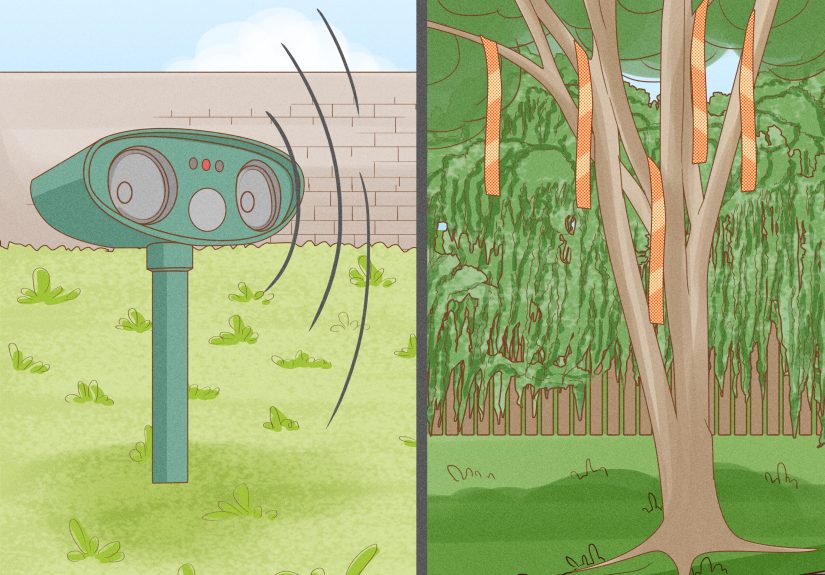
- Scare devices: Motion-activated sprinklers, lights, or noise devices can work well when combined with taste and smell repellents.
- Plant selection: Use deer- or rabbit-resistant species in high-pressure zones, and reserve tasty favorites for fenced or easily protected areas.
Think of pepper spray as a way to “train” animals that your garden is an unpleasant buffet, not as a force field that guarantees zero nibbling.
Practical Tips for Better Results With Hot Pepper Spray
- Start early in the season: It’s easier to teach animals to avoid your yard than to break their habit once they’ve decided your hostas taste like heaven.
- Stay consistent: A single spray after you spot damage isn’t enough. Apply regularly for a few weeks to create a strong negative association.
- Rotate repellents: Switch between pepper spray, garlic-based sprays, and commercial repellents to reduce the chance of animals becoming accustomed to one smell or taste.
- Combine with good design: Place your most precious plants closer to the house, where animals may be more cautious, and protect high-value crops with additional barriers.
Conclusion: A Spicy Ally in Your Garden Pest Toolkit
Hot pepper spray won’t single-handedly end the centuries-long war between gardeners and wildlife, but it can tip the odds in your favor. By understanding how capsaicin affects mammalian pests, mixing safe and effective recipes, and using the spray as part of a larger strategy that includes barriers, smart planting, and habitat tweaks, you can dramatically reduce damage without relying on harsh chemicals.
Used thoughtfully, hot pepper spray becomes less about punishing animals and more about sending a clear message: “You can eat literally anything else out there just not my tomatoes.”
sapo: Hot pepper spray is a surprisingly powerful, low-toxicity way to keep deer, rabbits, squirrels, and other animal pests from turning your garden into their personal buffet. This in-depth guide explains how capsaicin-based repellents work, the pros and cons of DIY and commercial sprays, step-by-step mixing and application tips, safety precautions for people, pets, and plants, and how to combine spicy sprays with smart garden design and physical barriers. Read on to discover how a few simple ingredients from your kitchen can become a spicy line of defense for your flowers, shrubs, and vegetables.
Bonus: Real-World Experiences With Hot Pepper Spray in the Garden
Gardeners quickly learn that theory is one thing and a bold squirrel on your sunflower patch is another. Here are experience-based insights and scenarios that help show what actually works when you’re using hot pepper spray against animal pests.
Case 1: The Tomato Thief Squirrel
Imagine a raised-bed garden loaded with nearly ripe tomatoes. Every morning, a gardener wakes up to find one or two fruits neatly sampled not fully eaten, just enough bites to ruin them. Classic squirrel behavior.
They decide to try a simple hot sauce and water spray, lightly coating the outer leaves and the tomato clusters. The first day, the squirrel returns, takes a test bite, and drops the fruit. Over the next week, the gardener continues the routine: reapply after rain, focus on the spots that squirrel paws and noses are most likely to touch. Within two weeks, damage drops dramatically. The squirrel doesn’t disappear it just decides the neighbor’s unmisted buffet is much more appealing.
The lesson: consistency matters. The first spray teaches the animal that your plants are unpleasant; repeated sprays reinforce the message until your garden drops on their list of favorite restaurants.
Case 2: Deer Browsing on Ornamental Shrubs
In suburban areas where deer wander comfortably down sidewalks, homeowners often wake up to hydrangeas and daylilies trimmed like someone used a weed whacker. A homeowner might combine hot pepper spray with strategic planting: resistant shrubs around the perimeter and tastier plants closer to the house.
They spray the hydrangeas and roses with a cooled, strained pepper-garlic mix, reapplying every few days and after storms. At the same time, they install a modest-height fence around the most heavily browsed bed and add a motion-activated sprinkler directed at the path deer usually take. Over time, the deer still pass through the yard, but browse less heavily and spend shorter periods near the protected beds.
The lesson: for larger animals like deer, pepper spray alone can be hit-or-miss, but as part of a layered strategy, it can significantly reduce damage and give plants a chance to recover.
Case 3: Protecting Fruit Trees From Mixed Pests
Fruit trees attract a whole cast of characters: squirrels, raccoons, birds, and sometimes neighborhood pets. A gardener with young apple trees might use hot pepper spray primarily on lower branches and around the trunk where small mammals climb.
They make a slightly stronger batch still garden-safe, but with extra pepper flakes and apply it in the evening when wind is calm. Lower limbs get a misting, and the trunk gets a light, even coat below the first branches. Within days, fresh scratch marks and fruit damage begin to drop. They still lose some fruit, but instead of 50% disappearing, maybe 10–15% gets sampled. That’s a big enough difference to turn frustration into acceptable loss.
The lesson: “success” isn’t always zero damage. In real gardens, reducing loss to a manageable level is often the win you’re aiming for.
Case 4: Pet Safety and Neighbor Relations
Many gardeners worry about the dog next door or their own cat poking around treated plants. Capsaicin-based sprays are designed to repel, not injure, but a nose full of pepper mist is still miserable for pets.
An experienced gardener learns to:
- Let sprayed areas dry thoroughly before allowing pets outside.
- Avoid spraying where dogs and cats routinely sniff at ground level, like favorite paths or digging spots.
- Give neighbors a heads-up: “Hey, I’m using a mild hot pepper spray on my garden to stop rabbits. It won’t hurt your dog, but it might sting if he licks the leaves, so just be aware.”
This simple communication avoids misunderstandings and helps everyone treat the spray as a garden tool, not something secretive or dangerous.
Case 5: Fine-Tuning Your Mix Over Time
After a season or two, many gardeners end up with their own “house recipe.” Maybe they started with a mild pepper spray and found that it barely slowed down the local rabbits, so they increased the pepper content slightly and added a bit more soap for better sticking power. If that caused leaf spotting on a sensitive plant, they dialed it back.
They also learned which plants truly need treatment and which can tolerate a little nibbling. Leafy greens near the kitchen door? Definitely spray. Rugged ornamental grasses by the back fence? They might survive just fine without any extra protection.
The takeaway: treat hot pepper spray as something you can adjust, not a one-size-fits-all formula. Start gentler, track how your plants and pests respond, and refine your approach. Over time, you’ll find the sweet spot where your garden is protected, your plants stay healthy, and your wildlife neighbors learn to snack somewhere else.