Table of Contents >> Show >> Hide
- Why Acrylic Paint Is Tricky (But Not Hopeless)
- Before You Start: Your 2-Minute Prep (Worth It)
- Fast Method #1: Wet Acrylic Paint (Act Like It’s a Small Fire)
- Fast Method #2: Dried Acrylic Paint (Aka “The Plastic Phase”)
- What Not to Do (Unless You Enjoy Making Problems Bigger)
- When a Carpet Cleaner (Machine or Pro) Is the Fastest Option
- Quick Troubleshooting: “Why Is It Still There?”
- FAQ: Acrylic Paint on Carpet
- Prevention Tips (Because Future-You Deserves Nice Things)
- Bonus: Real-World Experiences and Lessons (About )
- Conclusion: Fast Wins, Clean Carpet, Minimal Drama
Acrylic paint on carpet is the DIY equivalent of dropping your phone face-first on concrete: time slows down, your soul briefly exits your body, and you suddenly remember every cleaning tip you’ve ever ignored.
Good news: acrylic paint is typically water-based, which means you’ve got a real shot at removing itespecially if you move fast and don’t do the one thing every panicked human wants to do: rub it like you’re trying to start a fire.
This guide walks you through the fastest, safest methods for wet and dried acrylic paintplus what to avoid, when to bring in pros, and a few “learn-from-my-mistakes” style stories at the end.
Why Acrylic Paint Is Tricky (But Not Hopeless)
Acrylic starts out water-soluble, then dries into a plastic-like film that clings to carpet fibers like it pays rent. The goal is to remove as much paint as possible without pushing it deeper and without damaging your carpet’s dye, backing, or fibers.
The “Fast” Rule
- Wet paint: lift + blot + rinse + extract moisture.
- Dried paint: break + loosen + dissolve (carefully) + rinse + dry.
Before You Start: Your 2-Minute Prep (Worth It)
Grab These Supplies
- White paper towels or clean white cloths (white = no dye transfer drama)
- Butter knife / plastic spoon / old credit card (for lifting paint)
- Dish soap (clear if possible)
- Warm water + a small bowl
- Soft brush or old toothbrush
- Isopropyl alcohol (rubbing alcohol, ideally 70%–91%)
- Optional: acetone-based nail polish remover (last resort, patch test)
- Optional: wet/dry vac or carpet spot cleaner (for speed)
Do This First (Seriously)
- Ventilate if you’re using alcohol, acetone, or paint remover.
- Patch test any solvent on a hidden corner of carpet.
- Work from the outside in so the stain doesn’t spread like gossip.
Fast Method #1: Wet Acrylic Paint (Act Like It’s a Small Fire)
Step 1: Lift Excess Paint (Don’t Smear It)
Use a spoon, dull knife, or credit card to gently scoop up blobs. Think “shovel snow,” not “spread frosting.” If you’ve got thick paint sitting on top, remove it before adding any liquid.
Step 2: BlotDon’t Rub
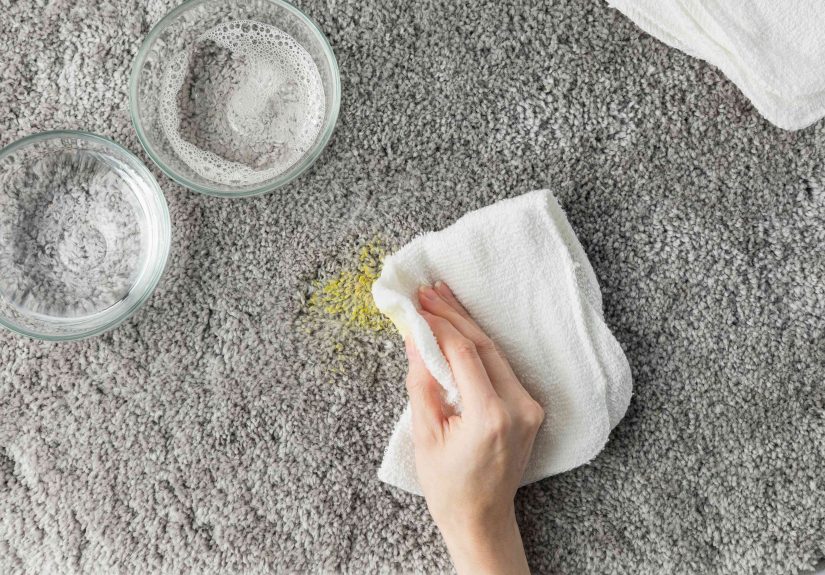
Press a white towel onto the paint to absorb it. Swap to a fresh section often. Rubbing frays fibers and drives paint into the backing, which is how stains become forever-stains.
Step 3: Dish Soap Solution (Your Main Weapon)
Mix 1 teaspoon dish soap into 2 cups warm water. Lightly dampen a cloth with the solution (don’t pour it straight on like you’re watering a plant).
- Blot the stain with the soapy cloth.
- Pause 30–60 seconds to let the solution loosen the paint.
- Blot again with a dry towel to lift the paint and moisture.
- Repeat until you’re not seeing color transfer.
Step 4: Rinse the Soap Out
Soap residue attracts dirt later (congrats, you’ve created a “clean-looking stain magnet”). Lightly blot with plain water to rinse, then blot dry.
Step 5: Extract Moisture for Speed
If you have a wet/dry vacuum or a carpet spot cleaner, now’s the time. Extraction is the cheat code for faster drying and less chance of the paint wicking back up.
No machine? Stack paper towels, press firmly, and consider weighing them down for 10–15 minutes.
Fast Method #2: Dried Acrylic Paint (Aka “The Plastic Phase”)
Dried acrylic takes patience, but the strategy is simple: remove what you can dry, then loosen what’s bonded, then dissolve what’s leftcarefully.
Step 1: Break It Up Without Destroying Your Carpet
- Use a dull edge (credit card or spoon) to gently scrape.
- Use tweezers or your fingers to pick out larger flakes.
- Vacuum up loosened bits so you’re not grinding them into fibers.
Pro tip: If the paint is thick and crunchy, a soft brush can help lift flakes before any liquid touches the area.
Step 2: Rehydrate With Warm Soapy Water
Even though acrylic dries “plastic,” warm soapy water can still help loosen the bondespecially if the paint wasn’t fully cured or is mixed with craft additives.
- Dampen a cloth with the dish soap solution (same recipe as above).
- Press it onto the paint for 2–5 minutes.
- Blot and gently brush the fibers to lift softened residue.
- Repeat. (Yes, again. Welcome to the loop.)
Step 3: Rubbing Alcohol for the Stubborn Film
If soapy water isn’t enough, rubbing alcohol is often the next step for dried acrylic. It can help dissolve or loosen the remaining film so it releases from fibers.
- Put a small amount of rubbing alcohol on a white cloth (don’t dump it directly onto carpet).
- Blot the stain. Let it sit for 1–2 minutes.
- Blot with a clean damp cloth (plain water) to rinse.
- Blot dry. Repeat if needed.
Important: Alcohol is flammable and can affect some carpet dyespatch test and ventilate.
Step 4 (Last Resort): Acetone-Based Nail Polish Remover
If you still see paint after alcohol, acetone-based remover may helpbut it’s a “handle with care” option:
- Patch test in a hidden spot first.
- Apply to a cloth, not directly to carpet.
- Blot gentlyno scrubbing like you’re sanding a deck.
- Rinse with soapy water, then plain water.
- Blot dry thoroughly.
If your carpet is wool or a delicate natural fiber, skip acetone unless a pro tells you otherwise.
What Not to Do (Unless You Enjoy Making Problems Bigger)
- Don’t rub. It spreads paint and frays fibers.
- Don’t over-soak. Saturating the carpet can damage backing and cause odors or mildew.
- Don’t jump straight to harsh solvents. Start mild and step up.
- Don’t use random mystery mixes. Some combinations can bleach or set stains.
- Be cautious with high heat/steam. Too much heat can warp synthetic fibers or complicate removal.
When a Carpet Cleaner (Machine or Pro) Is the Fastest Option
Sometimes the fastest path is suction power. If you have a portable spot cleaner or upright carpet cleaner, use it after you’ve lifted excess paint and treated the area. Machines help pull out loosened paint and moisture so you’re not stuck in blotting purgatory.
Call a Professional If…
- The stain is large or soaked into padding.
- You have wool, antique rugs, or unknown fibers.
- Paint remover attempts start lifting carpet dye.
- You smell musty odors after over-wetting (padding may be wet).
Quick Troubleshooting: “Why Is It Still There?”
The Paint Keeps Coming Back
That’s often wicking: paint (or tinted water) that’s still in deeper fibers/padding rises as the area dries. Fix it by extracting more moisture and blotting firmly with clean towels. Weighing down paper towels for 30–60 minutes helps, too.
The Spot Looks Clean… Then Turns Dark
That may be leftover soap, solvent residue, or a “cleaned area” that’s now grabbing dirt. Rinse with plain water, blot dry, and vacuum once fully dry.
The Carpet Feels Crunchy
That’s dried paint or product residue. Repeat a gentle rinse cycle and brush fibers lightly once dry.
FAQ: Acrylic Paint on Carpet
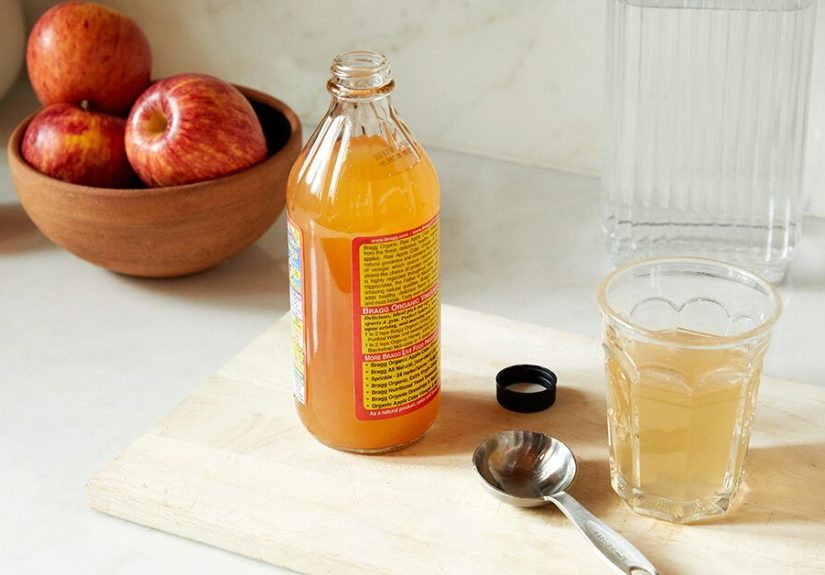
Can vinegar remove acrylic paint from carpet?
Vinegar can sometimes help loosen water-based messes, but it’s usually better as a supporting actor than the hero. Dish soap + water and (if needed) alcohol tend to be more effective.
Is acrylic paint easier than oil-based paint?
Usually, yesbecause acrylic is commonly water-based. Oil-based paints often require stronger solvents and extra precautions.
How fast do I need to act?
Immediately is best. Acrylic can start setting quickly, and the longer it sits, the more it bonds to fibers.
Prevention Tips (Because Future-You Deserves Nice Things)
- Use a drop cloth that actually covers the area (wild concept, I know).
- Keep a damp rag and paper towels nearby while painting.
- For craft time: put paint cups on a tray and keep carpeted rooms off-limits if possible.
- Teach kids the “cap goes back on” rule. (Then repeat it 400 times.)
Bonus: Real-World Experiences and Lessons (About )
Let’s talk about what really happens in homesbecause spills don’t occur in a vacuum (unless you’re extremely talented and possibly cursed).
Scenario 1: The “I’ll Clean It After This Episode” Spill. A common story: someone drips acrylic paint during a quick craft project, thinks, “No big deal,” and waits. Twenty minutes later, the paint has started forming that flexible plastic skin. The lesson: even if you’re not ready for a full clean-up, at least blot and lift excess immediately. Removing the bulk while wet makes every later step easier. If you only do one thing, do that one.
Scenario 2: The Well-Meaning Rub. People panic-rub paint the same way they panic-click “Forgot password” 12 times. The result is predictable: the paint spreads, sinks deeper, and you get a larger, fuzzier stain plus roughened carpet fibers that look “older” than the rest of the room. The lesson: blotting is boring but effective. Slow, firm pressure lifts paint; friction pushes it down.
Scenario 3: The “I Used Too Much Water” Comeback Spot. Another classic: someone soaks the stain with water and soap, feels proud, goes to bed… and wakes up to a faint bluish halo. That’s wicking from deeper fibers or padding. The lesson: it’s not just about dissolvingit’s about extraction. If you don’t have a machine, stack paper towels and press hard, swapping towels until they stop getting damp. Weighing towels down for a while can be surprisingly effective.
Scenario 4: The Solvent Shortcut That Backfires. Some folks jump straight to acetone because they want the “fastest” solution. Sometimes it workssometimes it lifts carpet dye, leaving a lighter patch that screams, “A cleaning battle happened here.” The lesson: patch test always, and step up gradually: soap and water first, then alcohol, then stronger options only if needed.
Scenario 5: The Secret WeaponA Spot Cleaner. People who own a small carpet spot cleaner often report the quickest wins. Not because the machine is magical, but because suction removes what your towels can’t. The lesson: if you’re dealing with bigger spills, renting or borrowing a spot cleaner can save hoursand reduce the chance of lingering residue.
In almost every success story, the winning combo is the same: lift excess, blot patiently, use mild cleaner first, rinse, and dry thoroughly. In almost every failure story, someone rubbed, soaked, or went nuclear with chemicals without testing. Carpet is forgivingbut it’s not a therapist.
Conclusion: Fast Wins, Clean Carpet, Minimal Drama
If you’re trying to get acrylic paint out of carpet fast, the real secret is not a magical productit’s the order of operations. Lift excess paint, blot gently, clean with dish soap solution, and extract moisture. For dried paint, scrape first, then loosen with soapy water, step up to rubbing alcohol if needed, and keep acetone as a cautious last resort.
Do those steps, and your carpet has a very good chance of looking like nothing happened… which is ideal, because your carpet is not interested in being part of your “creative journey.”