Table of Contents >> Show >> Hide
- What the “IC Diet” Really Means (And What It Doesn’t)
- The Core Strategy: Calm, Then Test
- The Usual Suspects: Common IC Trigger Categories
- Bladder-Friendlier “Starter Foods” While You Reset
- Step-by-Step: How to Do an IC Diet Without Losing Your Mind
- Hydration: The “Drink Less So I Pee Less” Trap
- A 3-Day Sample IC-Friendly Menu (Starter Version)
- Dining Out on the IC Diet (Without Becoming That Person… Too Late)
- What About “Helpers” Like Prelief or Baking Soda?
- If Diet Isn’t Enough: Your Next Best Moves
- of Real-World Experiences With the Interstitial Cystitis Diet
- Conclusion
If you’ve ever eaten something “totally normal” and your bladder responded like you just challenged it to a duel, you’re not imagining things.
For many people with interstitial cystitis (IC), also called bladder pain syndrome (BPS), certain foods and drinks can line up perfectly with symptom flares.
The tricky part? The “IC diet” isn’t one universal menuit’s more like a personalized detective story where your bladder is both the witness and the drama critic.
This guide will help you follow an interstitial cystitis diet in a practical, realistic way: how to identify your personal triggers, what to eat while you’re
figuring things out, and how to keep your nutrition solid without turning meals into a fear festival. (Because you deserve to enjoy food againwithout
the bladder plot twist.)
What the “IC Diet” Really Means (And What It Doesn’t)
The interstitial cystitis diet is not a permanent list of “good” and “bad” foods that applies to everyone. It’s a strategy:
reduce common bladder irritants, calm symptoms, then systematically test foods to learn what affects you.
Research and clinical guidance often note that diet can influence symptoms for many people, but triggers are highly individualized.
Some people react strongly to acidic foods; others can handle them but flare with caffeine, carbonation, or spicy ingredients. Some people can eat tomatoes
all day long but get wrecked by artificial sweeteners. The goal isn’t perfectionit’s pattern recognition.
Also important: diet is usually one tool in a bigger toolbox. Many people need a combination of strategiesmedical care, pelvic floor physical therapy,
stress management, and bladder trainingto feel consistently better. Diet can be the foundation, but it’s rarely the only brick in the house.
The Core Strategy: Calm, Then Test
Most successful “IC diet” plans follow a simple rhythm:
- Phase 1 (Calm-Down): temporarily remove the most common irritants so your bladder has a quieter baseline.
- Phase 2 (Challenge/Reintroduction): add foods back one at a time, in a controlled way, to see what actually triggers symptoms.
- Phase 3 (Personalized Maintenance): build your long-term eating style around what you toleratewithout unnecessary restriction.
Think of it like turning down background noise so you can hear the important signals. If you keep everything in your diet the same while symptoms are flaring,
it’s harder to know what’s fueling the fire.
The Usual Suspects: Common IC Trigger Categories
While your personal triggers may vary, several categories show up repeatedly in IC/BPS guidance and patient reports. A classic framework is the “four Cs”:
carbonation, caffeine, citrus, and high vitamin Coften alongside a few other repeat offenders.
Foods and drinks many people test early (often irritants)
- Caffeine: coffee (even decaf can bother some people), caffeinated tea, energy drinks, pre-workout supplements
- Carbonated beverages: soda, sparkling water, fizzy flavored drinks
- Citrus: oranges, grapefruit, lemons/limes, citrus juices
- Tomatoes and tomato products: sauces, salsa, ketchup, pizza sauce
- Alcohol: beer, wine, spirits
- Spicy foods and hot peppers: chili, hot sauce, heavily spiced curries
- Artificial sweeteners: aspartame, saccharin, and “diet” products for some people
- MSG and strong flavor enhancers: certain seasoning blends, packaged savory snacks, some restaurant sauces
- Chocolate: (often a caffeine + acidity + “why is this happening to me?” combo)
- Pickled/fermented acidic foods: vinegar-heavy dressings, pickles, some fermented items
Notice what’s behind many of these: acid, stimulation (caffeine), carbonation, and concentrated additives. These can irritate a sensitive bladder lining
in some people, even when the food is “healthy” in other contexts.
Bladder-Friendlier “Starter Foods” While You Reset
When you begin the interstitial cystitis diet, the easiest way to stay sane is to create a “safe-enough” starter menusimple foods that are commonly
toleratedthen expand from there. Many people do well starting with:
Proteins
- Chicken or turkey (plain, not heavily marinated)
- Eggs
- Fish like salmon or tuna (watch spicy rubs, citrus glazes, and pepper-heavy seasoning)
- Beef or pork in simple preparations
Carbs and grains
- Oats and oatmeal
- Rice
- Potatoes and sweet potatoes
- Plain breads/tortillas (watch preservatives if you’re sensitive)
Vegetables (often easier choices)
- Broccoli, cauliflower, cabbage, carrots, cucumbers, zucchini, squash
- Celery, peas, mushrooms
Fruits (often lower-acid choices)
- Pears
- Bananas
- Some melons (like honeydew)
- Blueberries (often tolerated, but always test)
Drinks
- Plain water (the most boring MVP in your entire pantry)
- Milk for some people
- Non-citrus herbal teas for some people (test carefully)
You don’t have to eat a beige diet forever. This is just your calm-down “base camp.”
Once symptoms are steadier, you’ll start exploring more varietyon purpose, one step at a time.
Step-by-Step: How to Do an IC Diet Without Losing Your Mind
Step 1: Pick a calm-down window (usually 2–4 weeks)
Many people start with 2 to 4 weeks of reducing common irritants to see if symptoms settle. If you’re in a major flare or you’ve been dealing with
symptoms for a long time, your clinician or dietitian might suggest staying in the calm-down phase longer.
Step 2: Build your “safe list” (and keep it realistic)
Choose meals you can actually repeat without hating your life. A good starter plan often includes:
oatmeal + banana, eggs + potatoes, chicken + rice + vegetables, simple soups without tomato base, and snacks like pretzels or popcorn (if tolerated).
Step 3: Start a food-and-symptom diary (your best data tool)
A diary helps you stop guessing. Track:
- What you ate and drank (including seasonings, sauces, and “just a sip” items)
- When you ate
- Symptoms and timing (pain, urgency, frequency, pressure, burning)
- Other factors that can mimic food triggers (stress, constipation, menstruation, intense exercise, poor sleep)
Timing matters. Some people notice symptoms soon after a trigger food, while others notice it later the same day.
The goal is to spot patterns over time, not to convict one blueberry based on a single bad Tuesday.
Step 4: Reintroduce foods like a scientist (one variable at a time)
Once you have a calmer baseline, begin reintroductions. Here’s the method that saves the most frustration:
- Pick one food or drink to test (example: a small amount of tomato sauce).
- Try it in a small portion with an otherwise bladder-friendly meal.
- Don’t test two new things on the same day (this is how confusion is born).
- Watch symptoms for the rest of the day and into the next day.
- If symptoms spike, pause and return to safe basics until you feel steady again.
If the food seems okay, repeat it another day to confirm. If it consistently triggers symptoms, you’ve found a personal “limit food.”
That doesn’t always mean “never again”sometimes it means “only occasionally,” “only in small amounts,” or “only when I’m not already flaring.”
Step 5: Upgrade your nutrition (without re-triggering)
Once you know your triggers, you can eat a balanced, nutrient-dense diet againjust customized.
For example, if citrus is a trigger, you can still get vitamin C from tolerated foods, or discuss supplements with your clinician (because high-dose vitamin C
can be irritating for some people). If tomatoes trigger symptoms, you can build flavor with tolerated herbs, creamy sauces, or roasted vegetables instead.
Hydration: The “Drink Less So I Pee Less” Trap
It’s understandable to want to drink less when urgency is annoying. But concentrated urine can be more irritating for many people,
and dehydration can contribute to constipationwhich can worsen pelvic pressure and urinary symptoms.
A practical goal many clinicians use: aim for urine that’s pale yellow most of the time. If your urine looks like apple juice,
your bladder may be dealing with a more concentrated mix. If you have fluid restrictions for another medical reason, follow your care team’s guidance.
Timing helps, too. Instead of chugging a huge amount at once, try sipping steadily through the day and tapering closer to bedtime if nighttime trips are a problem.
A 3-Day Sample IC-Friendly Menu (Starter Version)
This is a “calm-down phase” example. Adjust based on what you tolerateand keep seasonings simple while you’re gathering data.
Day 1
- Breakfast: oatmeal cooked with water or milk (if tolerated) + sliced banana
- Lunch: turkey sandwich on plain bread + cucumber slices
- Dinner: baked chicken + rice + roasted zucchini
- Snack: popcorn or pretzels
Day 2
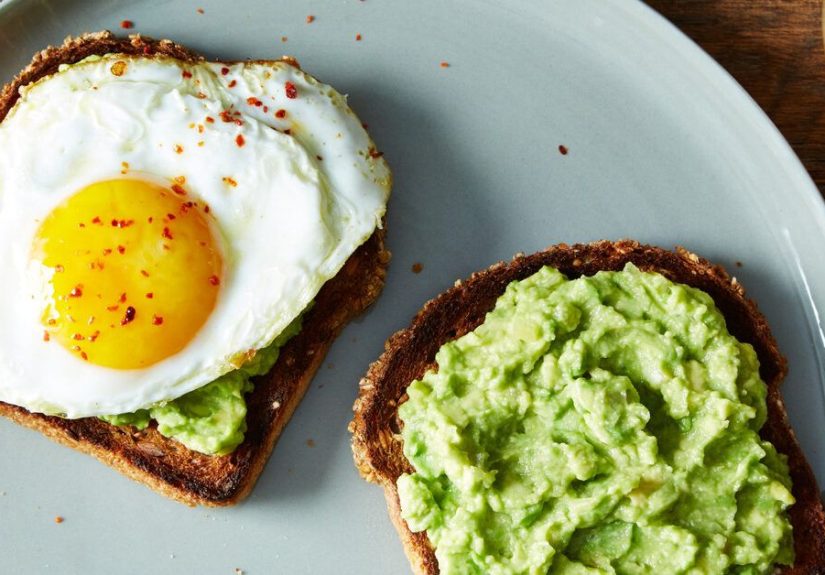
- Breakfast: scrambled eggs + potatoes
- Lunch: rice bowl with beef, carrots, and broccoli (light seasoning)
- Dinner: salmon + sweet potato + steamed cauliflower
- Snack: pear (if tolerated)
Day 3
- Breakfast: oatmeal + blueberries (test if you’re unsure)
- Lunch: chicken and vegetable soup (no tomato base, no spicy broth)
- Dinner: turkey burger (no spicy seasoning) + baked potato + salad with a tolerated dressing
- Snack: a small serving of mild cheese (if tolerated)
This isn’t meant to be your forever menu. It’s your baselineyour “quiet lab” for learning what your bladder likes and hates.
Dining Out on the IC Diet (Without Becoming That Person… Too Late)
Eating out can be done, but it helps to be strategic. The biggest restaurant triggers tend to hide in:
marinades, spice blends, citrus, tomato sauces, vinegar-heavy dressings, and “mystery” sweeteners.
Practical ordering moves
- Choose plain grilled meats or fish; ask for seasoning on the side if possible.
- Pick rice, potatoes, or plain bread instead of acidic or spicy sides.
- Request sauces and dressings on the side (this single move saves many people).
- Avoid obvious triggers early on: salsa, hot sauce, tomato-based dishes, citrus drinks, alcohol.
- If you want flavor, try tolerated herbs (basil, oregano) instead of pepper-heavy spice.
Also: don’t do “restaurant roulette” on a day you’re already flaring. That’s like testing a smoke alarm during a kitchen fire.
What About “Helpers” Like Prelief or Baking Soda?
Some people experiment with acid-reducing strategies when they want to eat a known trigger. Research has reported a trend toward symptom improvement
for some individuals using calcium glycerophosphate (commonly sold as Prelief) and sodium bicarbonate (baking soda)
around trigger foods.
Important cautions:
- These are not a free pass to eat everything.
- Sodium bicarbonate isn’t appropriate for everyone (especially people with high blood pressure, kidney disease, heart failure, or sodium restrictions).
- Discuss supplements or buffering strategies with your clinicianespecially if you take other medications.
If Diet Isn’t Enough: Your Next Best Moves
If you’re doing the interstitial cystitis diet “right” and symptoms still won’t budge, that doesn’t mean you failedit means IC is complex.
Many people benefit from combining diet with:
- Pelvic floor physical therapy (especially if muscle tension is part of the pain cycle)
- Bladder training and timed voiding strategies
- Stress reduction (not because stress “causes” IC, but because it can amplify symptoms)
- Medical treatments recommended by your urologist or urogynecologist
You deserve a plan that works in real lifeone that considers your pain, your schedule, and your ability to eat something other than “plain rice with a side of sadness.”
of Real-World Experiences With the Interstitial Cystitis Diet
Here’s what following the IC diet often feels like in the wildbased on patterns many people report when they start testing triggers and building a personal plan.
(Names and scenarios are “composite” examples, but the experiences are very typical.)
1) The “It’s Just One Coffee” Lesson
A lot of people start the IC diet by bargaining with caffeine. They’ll cut soda and alcohol, skip citrus, even say goodbye to salsa… but keep the morning coffee
because “I’m a human, not a woodland creature.” Then the bladder answers with urgency, pressure, and that weird “I have to pee but I already peed” feeling.
The most useful takeaway isn’t “coffee is evil.” It’s that caffeine (and sometimes coffee itself) is a common early test item.
Some people later reintroduce it as half-caf, smaller servings, or only on low-symptom days. Others decide it’s not worth the drama. Either way, the diet turns
the experience from random misery into data.
2) Tomato: The Sneaky Villain in a Fancy Costume
Tomatoes don’t just show up as “tomato.” They show up as pizza sauce, pasta sauce, ketchup, chili, salsa, marinara, “house seasoning,” and that innocent-looking
soup that “totally isn’t spicy.” Many people discover that a food isn’t a trigger until they meet it in disguise. A common IC diet upgrade is learning to order
“no tomato, sauce on the side,” and stocking the pantry with alternativescreamy sauces, olive oil and herbs, roasted veggies, and broths that don’t lean acidic.
People often say this is the moment they stop feeling powerless and start feeling in control.
3) The Food Diary That Saves Your Sanity
Early on, symptoms can feel random. A diary helps people notice patterns like: “Every time I have citrus or carbonated drinks, my evening gets worse,” or
“Artificial sweeteners are the real villain, not the fruit.” Some people also learn their “non-food triggers” this waylike constipation, intense stress, or
poor sleepso they don’t blame the wrong meal. The best diaries aren’t perfect; they’re consistent enough to show trends.
4) Restaurants: Where Good Intentions Go to Hide in Salad Dressing
Many people with IC say restaurant success comes down to three moves: plain protein, simple sides, and sauces on the side.
Once they stop letting marinades and dressings surprise them, meals out become possible again. People also learn to avoid “stacking triggers”
(like coffee + spicy food + citrus drink in one sitting) because it’s harder to identify what caused the flare.
5) The Long-Term Win: A Personal Diet, Not a Punishment
The biggest “aha” experience is realizing the goal isn’t lifelong restrictionit’s customization.
After testing, many people find they can bring back plenty of foods they initially feared. They might avoid only a handful of consistent triggers
(like citrus juice or diet soda), keep a few “sometimes foods,” and eat normally the rest of the time. That’s what the IC diet is supposed to do:
reduce flares, increase confidence, and help you feel like you’re living your life againnot negotiating with your bladder at every meal.
Conclusion
Following the interstitial cystitis diet is less about memorizing a giant list and more about using a smart process:
calm symptoms, identify triggers with a diary and structured reintroductions, then build a balanced eating style that fits your body.
Start simple, stay hydrated, watch for hidden irritants in sauces and sweeteners, and remember that diet works best as part of an overall IC management plan.
With time, most people move from “I’m afraid to eat” to “I know exactly what works for me”and that’s a major quality-of-life win.