Table of Contents >> Show >> Hide
- What “Roof Leak” Actually Means (And Why It’s So Annoying)
- Safety First: The “Don’t Become a Cautionary Tale” Checklist
- Step 1: Stop the Indoor Damage Immediately
- Step 2: Find the Leak Source (The Detective Work That Saves You Money)
- Step 3: Decide If This Is a DIY Fix or a “Call a Pro” Situation
- Tools and Materials for DIY Roof Leak Repair
- How To Fix a Leaky Roof: The Most Common DIY Repairs
- Fix #1: Replace a damaged or missing asphalt shingle
- Fix #2: Handle “nail pops” and tiny nail/screw holes
- Fix #3: Repair or replace plumbing vent boot flashing
- Fix #4: Re-secure loose flashing (step flashing, sidewalls, dormers)
- Fix #5: Patch old mounting holes (satellite dish, old brackets, mystery screws)
- Fix #6: Valleys and skylightsproceed carefully
- Emergency Option: Tarp the Roof (Temporary, Not Forever)
- Common Mistakes That Make Roof Leaks Worse
- After the Repair: Drying, Mold Prevention, and a Quick Inspection Routine
- Conclusion: Fix the System, Not Just the Symptom
- Real-World Experiences: What DIY Roof Leak Repairs Teach You (The Stuff Guides Don’t Always Say Out Loud)
Roof leaks are the worst. They don’t knock politely. They drip. They stain. They wait until 2:00 a.m. when you’re in your “just five more minutes” phase of sleep. The good news: many common roof leaks can be traced and fixed by a careful homeownerespecially on asphalt shingle roofswithout turning your living room into an indoor water feature.
The important part is doing this in the right order: contain the water, find the true entry point, make a mechanical repair when possible, and only then seal as needed. Also, roofs are dangerous. If the pitch is steep, the roof is high, the weather is wet/windy, or you’re under 18, treat this as a “learn the process and get an adult/pro involved” project. No leak is worth a fall.
What “Roof Leak” Actually Means (And Why It’s So Annoying)
Here’s the sneaky part: the spot where you see water inside your house is often not directly below the roof problem. Water can run along rafters, sheathing, pipes, and insulation before it finally says, “I live here now,” and shows up on your ceiling. That’s why smart roof leak repair is equal parts DIY and detective work.
Safety First: The “Don’t Become a Cautionary Tale” Checklist
- Never climb onto a roof in rain, snow, high wind, or lightning. Wet shingles are basically banana peels with better marketing.
- Use a stable ladder and set it correctly. Have someone hold it, and keep your hands free when climbing.
- Wear proper shoes (clean soles, good grip), gloves, and eye protection.
- Stay away from power lines and avoid metal ladders near electricity.
- Know when to stop. If you feel unsure, the best DIY move is calling a licensed roofer.
Step 1: Stop the Indoor Damage Immediately
Do this before you even think about the roof
- Catch the water. Put a bucket under drips. If water is splashing, add a towel in the bucket to reduce spray.
- Protect floors and furniture. Plastic sheeting, old shower curtains, or a tarp work great.
- Relieve ceiling bulges carefully. If you see a sagging bubble in drywall, that can hold a lot of water. If you’re not comfortable, skip this and call a proespecially if there are lights or wiring nearby.
- Dry the area. Fans and a dehumidifier help reduce the chance of mold after a roof leak.
Step 2: Find the Leak Source (The Detective Work That Saves You Money)
Start inside: the attic is your truth serum
If you can access your attic safely, bring a flashlight and look for:
- Dark stains on wood
- Wet or compressed insulation
- Mold growth or musty smells
- Shiny moisture trails on nails or sheathing
Follow the clues uphill
Water often travels downward from the entry point, so if you find a wet area, follow it up-slope toward the roof peak. Mark suspicious spots (chalk works) so you can match them outside.
Use a controlled hose test (two-person method)
When the roof is dry and conditions are safe, a helper can run water from a garden hose over the roof in small sections while you watch from the attic. Go slowlike “watering a very expensive plant” slow. This method helps confirm the entry point instead of guessing.
Step 3: Decide If This Is a DIY Fix or a “Call a Pro” Situation
DIY roof repair is reasonable when the problem is small and accessiblelike a damaged shingle, a vent boot issue, or a small flashing gap. It’s time to call a professional if you have:
- Multiple leak spots or water running/pooling indoors
- Visible structural damage (sagging roof deck, big holes, fallen tree impact)
- Leaks near electrical equipment (turn off power and get help)
- A very steep roof or a roof you can’t safely access
- Recurring leaks after “repairs” (a sign the real entry point wasn’t fixed)
Tools and Materials for DIY Roof Leak Repair
You don’t need a contractor’s trailerbut you do need the right basics.
Common tools
- Flashlight or headlamp
- Extension ladder
- Flat pry bar
- Hammer or roofing nailer (hammer is fine for small fixes)
- Utility knife with hook blades (for shingles)
- Caulk gun
- Tin snips (for flashing)
Common materials
- Replacement shingles (match type and color as closely as possible)
- Roofing nails
- Roofing cement / roof sealant (use sparingly and correctly)
- Metal flashing pieces (step flashing, small patches)
- Plumbing vent boot flashing (if your vent boot is failing)
- Heavy-duty tarp and 1×3 or 2×4 boards (for emergency coverage)
How To Fix a Leaky Roof: The Most Common DIY Repairs
Fix #1: Replace a damaged or missing asphalt shingle
Best for: cracked shingles, missing tabs, obvious wind damage.
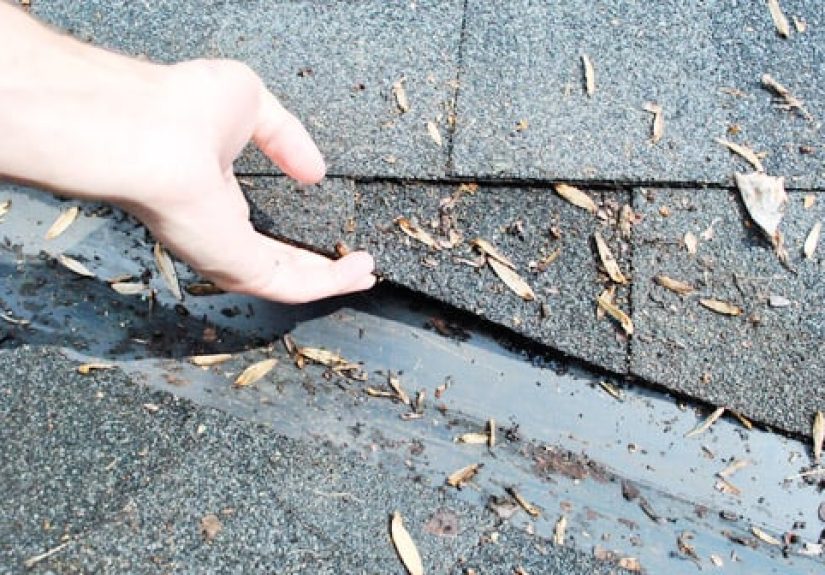
- Carefully lift the shingle(s) above the damaged one with a flat bar.
- Remove the nails holding the damaged shingle and slide it out.
- Slide the new shingle into place and align it.
- Nail it in the correct nailing zone (follow the shingle packaging guidance).
- Re-seat the shingles above and seal only if necessary (a tiny dab under lifted tabs can help).
Pro tip: If shingles are brittle (common on older roofs), work slowly. Cold weather makes shingles more likely to crack; mild temperatures are easier for repairs.
Fix #2: Handle “nail pops” and tiny nail/screw holes
Best for: exposed nail heads, a backed-out nail, small punctures from old hardware.
- Lift the shingle tab above the exposed fastener.
- Remove the offending nail/screw.
- Repair the hole with a small amount of asphalt roofing cement.
- Re-nail nearby in solid decking (not the same hole), and keep nail heads flush (not overdriven).
- Seal any exposed nail head lightly.
Why this works: You’re restoring the shingle system instead of relying on a blob of sealant as your entire plan.
Fix #3: Repair or replace plumbing vent boot flashing
Best for: leaks around the “pipe sticking out of your roof.” Vent boots often crack where rubber meets pipe.
- Confirm size: measure the pipe diameter so you buy the correct boot.
- Lift shingles around the boot and remove nails holding the old flashing base.
- Slide the old boot off the pipe.
- Apply a bead of roof sealant under the new flashing base (per product directions).
- Slide the new boot over the pipe and tuck the flashing under the shingle course above it.
- Nail it down and seal exposed nail heads.
Important: Some manufacturers note that a properly installed boot shouldn’t need lots of sealant. Overusing roof cement can trap water or cause material issuesso aim for “watertight,” not “frosting a cake.”
Fix #4: Re-secure loose flashing (step flashing, sidewalls, dormers)
Best for: leaks where a roof meets a wall, around dormers, or at transitions.
Flashing is metal that directs water away from seams. If it loosens, rusts, or separates, water gets a VIP pass into your home.
- Gently lift shingles and (if needed) loosen nearby siding enough to access flashing edges.
- Remove obviously damaged pieces.
- Install replacement flashing so it overlaps correctly and sheds water down the roof.
- Secure and seal sparingly as needed, keeping surfaces smooth so water runs off.
Chimney note: True chimney leaks can involve counterflashing embedded into mortar. If you’re not experienced with masonry details, this is a great time to call a roofer (and sometimes a mason).
Fix #5: Patch old mounting holes (satellite dish, old brackets, mystery screws)
Best for: abandoned hardware locations that leave small holes.
- Remove any leftover fasteners.
- Slip a small piece of flashing under the shingle if possible.
- Seal edges with roofing cement or a compatible roof sealant.
Fix #6: Valleys and skylightsproceed carefully
Roof valleys collect a lot of water. Debris buildup, damaged shingles, or worn valley flashing can cause leaks. Clearing debris is safe; rebuilding valley flashing is more advanced.
Skylights can leak from failed flashing kits or perimeter seals. You can inspect for visible gaps and apply sealant where appropriate, but repeated skylight leaks often require a more thorough flashing repair.
Emergency Option: Tarp the Roof (Temporary, Not Forever)
If you need to stop water fast and conditions are safe, a tarp can buy you time.
How to tarp correctly
- Use a heavy-duty tarp large enough to extend well past the damaged area.
- Whenever possible, drape the tarp over the ridge so water can’t run underneath.
- Secure edges with boards (1×3 or 2×4) and fasteners so wind can’t turn it into a sail.
- Weigh down or firmly secure the lower edge so it sheds water.
Reality check: Tarping is a temporary measure. It reduces damage; it doesn’t “fix” the roof.
Common Mistakes That Make Roof Leaks Worse
- “Sealant everywhere” repairs. Smearing roof cement over everything often fails and can trap water.
- Fixing the stain, not the source. Interior drywall repair before roof repair is how you get a “Part 2” leak episode.
- Working in bad weather. A wet roof is a fall risk and many products won’t bond properly.
- Reusing the same nail hole. That hole is already compromisedmove the fastener slightly.
- Ignoring ventilation and moisture. Sometimes “leaks” are actually condensation problems in the attic.
After the Repair: Drying, Mold Prevention, and a Quick Inspection Routine
Dry out the interior
Once the leak is stopped, dry wet materials quickly. Replace soaked insulation if it stays damp, and watch for mold on wood and drywall. If you find mold, follow safe cleanup guidance and consider professional remediation if it’s widespread.
Do a simple maintenance routine (your future self will thank you)
- Clean gutters regularly so water flows off the roof properly.
- Trim tree branches that can scrape shingles or fall in storms.
- Check roof penetrations (vents, pipes) and flashing from the ground with binoculars.
- After big storms, look for missing shingles and debris in valleys.
Conclusion: Fix the System, Not Just the Symptom
To fix a leaky roof yourself, the winning formula is simple: stay safe, find the true source, repair the roofing system mechanically, and seal only where appropriate. Many leaks come from flashing and penetrationsplaces where the roof has to “hug” something that isn’t the roof. If you repair those transitions correctly, your ceiling can go back to being boring. And boring ceilings are underrated.
Real-World Experiences: What DIY Roof Leak Repairs Teach You (The Stuff Guides Don’t Always Say Out Loud)
Ask a handful of homeowners about fixing a roof leak and you’ll hear the same theme: the repair itself is often less dramatic than the process of finding the real problem. The experience tends to start with panic (“Why is the ceiling crying?”), then turns into detective work, and finally ends with a new respect for gravity, weather, and the fact that water will exploit any weakness with the confidence of a seasoned hacker.
Lesson one: the stain lies. A common first-timer mistake is treating the ceiling spot like a map pin“Leak must be directly above this!”only to discover the roof entry point is several feet away. Homeowners often describe the “aha” moment when they see a water trail in the attic that runs along a rafter. That’s why the attic flashlight inspection and the two-person hose test feel like cheat codes. In practice, people who take time to confirm the entry point usually finish with a lasting repair, while the “I’ll just seal around this one shingle” crowd tends to meet the leak again during the next storm.
Lesson two: small parts cause big leaks. Plenty of DIY stories end with something surprisingly humble as the culprit: a cracked vent boot, a backed-out nail, or a tiny hole from an old bracket. It’s almost insultingyour roof can survive sun, wind, and hail, but one little rubber collar decides it’s done with life and suddenly you’re running buckets. The upside is that these are also the most DIY-friendly fixes. Replacing a vent boot flashing or repairing a nail hole is the kind of repair that makes homeowners feel like they just leveled up in adulthood.
Lesson three: “more sealant” is not a strategy. People learn (sometimes the hard way) that roofing cement isn’t magical. Too much can look reassuring in the momentlike you’re icing a cake of protectionbut it can fail, crack, or even trap water. Experienced DIYers often shift toward “mechanical first”: replace the damaged shingle, reset the flashing, fasten it correctly, then use sealant only to finish seams or cover exposed fasteners. The best compliment you can give your repair is that it looks boringflat, tidy, and designed to shed water.
Lesson four: timing matters more than muscles. Homeowners who report the smoothest DIY roof leak repairs almost always did two things: waited for safe, dry weather and worked in daylight. The rushed, “I’m going up there right now in the drizzle” attempts tend to become scary fast. The strongest DIY experience is the one where you stop early, tarp temporarily if needed, and come back when conditions are safe. A tarp, installed correctly, becomes a psychological relief as much as a practical oneit buys you time to plan the permanent fix instead of improvising on a slippery slope.
Lesson five: you’ll start noticing everything. After repairing one leak, homeowners often become the person who can’t unsee roof details: step flashing lines, vent boots, valleys, gutter overflow points. It’s not paranoiait’s pattern recognition. Many people add a quick “post-storm scan” to their routine and catch minor problems before they become ceiling stains. The experience turns a leak from a surprise attack into a maintenance task, which is exactly where you want it.
Bottom line from real DIY experiences: the best roof leak repairs come from patience, careful diagnosis, and respect for safety. The goal isn’t to “battle the leak.” It’s to restore the roof’s job: shedding water predictably, every time it rains, without involving your living room.