Table of Contents >> Show >> Hide
- Why You Feel Hungry When You Don’t “Need” Food
- The 10-Minute Hunger Check (Do This Before You Snack)
- Expert Tips to Feel Full Without Eating
- 1) Drink water “on purpose,” not as an afterthought
- 2) Try a “volume drink” ritual (still no food required)
- 3) Use caffeine strategically (and don’t let it backfire)
- 4) Brush your teeth or use mint as a “meal-ending” signal
- 5) Chew sugar-free gum (yes, really)
- 6) Take a short walk (or do a 5-minute “body reset”)
- 7) Breathe like you mean it (stress makes hunger louder)
- 8) Fix the “future hunger” problem at your last meal
- 9) Improve sleep to reduce next-day hunger
- 10) Reduce food cues (your environment is basically a commercial)
- 11) Distract with intention (boredom hunger is real)
- When You Should NOT Try to “Feel Full Without Eating”
- Conclusion
- Extra: Real-World Experiences That Make These Tips Actually Stick (About )
Your stomach has a very convincing sales team. It sends push notifications (“FEED ME NOW”), plays dramatic sound effects
(the legendary growl), and somehow convinces your brain that you’re one missed snack away from total collapse.
The good news: a lot of “hunger” isn’t an emergencyit’s information. Sometimes it’s real physical hunger. Sometimes it’s thirst.
Sometimes it’s stress wearing a trench coat and pretending to be a craving.
This guide is about how to feel full without eatingmeaning: how to calm hunger and cravings
between meals, during a fasting window, or when you’re trying to stop random snacking.
It’s not a handbook for skipping meals forever. If you’re dealing with disordered eating, frequent dizziness,
medication-related appetite changes, diabetes, pregnancy, or persistent extreme hunger, talk to a clinician or registered dietitian.
Your body is not a “willpower contest.” It’s an actual organism with needs (rude, but true).
Why You Feel Hungry When You Don’t “Need” Food
1) Hunger and appetite are not the same thing
Hunger is the body asking for energy. Appetite is the brain saying,
“I would like something crunchy and salty while I stare into the fridge like it owes me money.”
Appetite is influenced by sleep, stress, habits, smells, emotions, and your environment.
2) Your hormones run the show (but you can still negotiate)
Two big players: ghrelin (often described as a hunger hormone) and leptin
(a satiety/fullness signal). When sleep is short or poor, the body can tilt toward feeling hungrier and less satisfied.
Add stress and irregular eating patterns, and your appetite signals can get loud and dramatic.
3) Sometimes your body is actually thirsty
Thirst and hunger can feel surprisingly similar. Many people interpret “I need fluids” as “I need snacks,”
especially in the afternoon slump. Before you start negotiating with a bag of chips, try water first.
The 10-Minute Hunger Check (Do This Before You Snack)
When hunger hits, run this quick mental checklist. It sounds simple because it is. Simple is not the same as easy.
- Timing: When did I last eat a real meal (not a single grape and a vibe)?
- Thirst: Have I had water in the last hour?
- Trigger: Am I bored, stressed, tired, procrastinating, or avoiding an email?
Then take 10 minutes and try one strategy below. If you’re still genuinely hungry afterward,
eat a balanced snack or meal without guilt. The goal is appetite control, not self-punishment.
Expert Tips to Feel Full Without Eating
1) Drink water “on purpose,” not as an afterthought
If you want a low-effort appetite tool, water is undefeated. Try 12–16 oz (a tall glass),
then wait 10 minutes. If your hunger dials down, your body may have been asking for fluids.
- Make it easier: Keep a bottle visible. If you can’t see it, you’ll forget it exists.
- Make it more fun: Sparkling water, lemon/lime, mint, or cucumber. Yes, it’s “spa water.” No shame.
- Warm works too: Herbal tea or warm water can feel more “filling” because it’s soothing and slow to sip.
2) Try a “volume drink” ritual (still no food required)
Part of feeling full is stomach stretch plus time. A slow, larger drink can give your brain
a moment to catch up and stop shouting “SNACK!” at full volume.
A practical combo:
sparkling water + ice + a straw + a fancy glass.
It’s weirdly effective because it turns mindless snacking into a mini event.
3) Use caffeine strategically (and don’t let it backfire)
Coffee and tea can blunt appetite for some people, especially mid-morning or early afternoon.
The key is strategy: if caffeine makes you anxious or jittery, it can increase cravings later.
And if you drink it too late, it can hurt sleepwhich can make hunger worse tomorrow. Tragic plot twist.
- Try coffee earlier in the day and keep it moderate.
- If you’re sensitive, go with green tea or half-caf.
4) Brush your teeth or use mint as a “meal-ending” signal
This is one of the oldest tricks because it’s simple and it works often enough to be worth trying.
Strong minty flavors can reduce the appeal of more food for a while. Plus, you’ll be less tempted to snack
if it means re-brushing (humans are efficient like that).
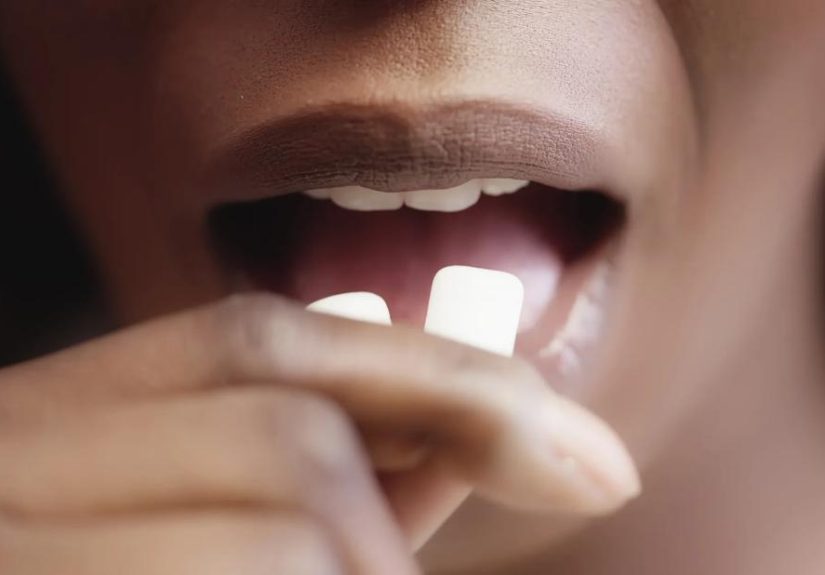
5) Chew sugar-free gum (yes, really)
Chewing is a sensory hack: it keeps your mouth busy and can nudge your brain toward “we’re good.”
Research has found gum chewing can reduce hunger ratings and snack cravings in some situations.
It’s not magic, but it can be a helpful bridge when you’re trying to stop mindless grazing.
- Choose sugar-free to avoid constant sugar hits.
- Watch sugar alcohols (like sorbitol) if they upset your stomach.
6) Take a short walk (or do a 5-minute “body reset”)
Hunger sometimes spikes when your brain is under-stimulated or stressed. Movement changes the channel.
A 10-minute walk can reduce stress, improve mood, andinterestinglymay temporarily reduce appetite in some people.
You’re not “earning food.” You’re helping your nervous system chill out.
If walking isn’t possible, do this:
20 squats + 10 slow breaths + stretch your calves.
It sounds random. It works because it interrupts the craving loop.
7) Breathe like you mean it (stress makes hunger louder)
Stress can push people toward emotional eating or “snack scanning.” Before you eat, try a breathing drill:
- 4-7-8: Inhale 4 seconds, hold 7, exhale 8. Repeat 4 times.
- Box breathing: Inhale 4, hold 4, exhale 4, hold 4. Repeat for 2 minutes.
The point isn’t to become a zen monk. The point is to lower the volume on your stress response long enough to make a choice.
8) Fix the “future hunger” problem at your last meal
If you’re constantly trying to feel full without eating, it may be because your meals aren’t keeping you satisfied.
This section includes eating advice because it’s the most reliable way to reduce in-between hunger later.
Think of it as hunger prevention, not hunger suppression.
For longer-lasting satiety, build meals around:
protein + fiber + healthy fat.
That combo slows digestion and helps keep blood sugar steadier, which can reduce sudden hunger spikes.
- Protein: eggs, Greek yogurt, chicken, tofu, beans, fish
- Fiber: oats, berries, lentils, veggies, chia/flax
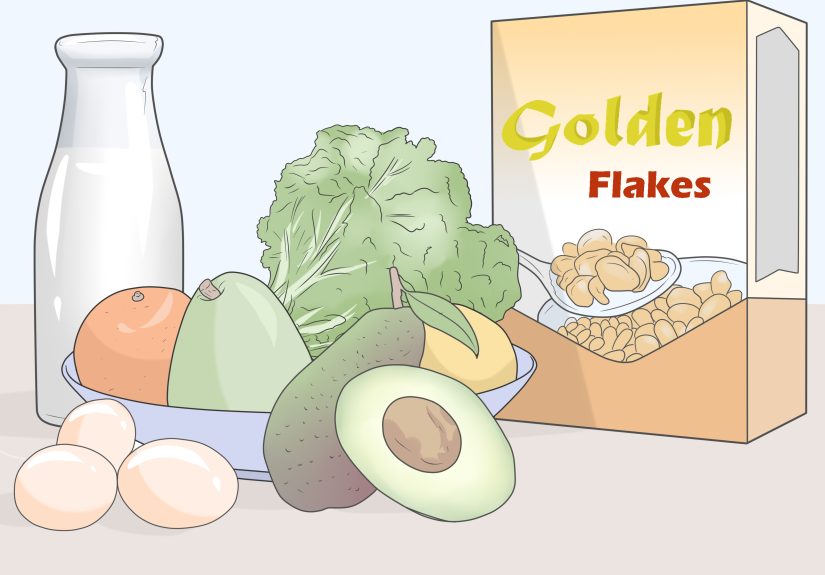
- Healthy fats: avocado, olive oil, nuts, seeds
If you routinely hit a 3 p.m. “snack emergency,” look at lunch. Many “willpower problems” are actually “my lunch was basically air” problems.
9) Improve sleep to reduce next-day hunger
Sleep is an appetite multiplier. When sleep is short, many people feel hungrier, crave more calorie-dense foods,
and feel less satisfied after eating. If you want the most underrated appetite control tool, it’s a consistent sleep schedule.
- Set a wind-down alarm (yes, an alarm to stop being awake).
- Keep the room cool, dark, and quiet.
- Try to keep wake time consistenteven on weekendsso your hunger signals don’t get chaotic.
10) Reduce food cues (your environment is basically a commercial)
If snacks are in plain sight, your brain treats them like a task list. You don’t have to “be stronger.”
You can make it easier to say no by making it less automatic to say yes.
- Put trigger foods in opaque containers or higher cabinets.
- Keep fruit, yogurt, or nuts visible if you want better default choices.
- Don’t work next to a snack drawer unless you enjoy temptation as a hobby.
11) Distract with intention (boredom hunger is real)
A surprising number of cravings are “I need stimulation” disguised as “I need chips.”
Use a 10-minute replacement activity:
- Text a friend
- Do a quick household task (fold laundry, wipe the counter)
- Step outside for sunlight
- Play one song and clean until it ends (the “one-song productivity scam”)
If the urge fades, it wasn’t physical hunger. If it doesn’t fade, you probably do need food. Either way, you win: you learned something.
When You Should NOT Try to “Feel Full Without Eating”
Some hunger is appropriate and protective. Don’t override it if:
- You feel shaky, dizzy, faint, confused, or weak
- You’re managing diabetes or blood sugar issues
- You’re pregnant, breastfeeding, or recovering from illness
- You’ve been restricting food and hunger feels intense or obsessive
- You’re waking up at night hungry regularly
In those cases, the “expert tip” is: eatand consider medical guidance to find the root cause.
Conclusion
If you want to feel full without eating, start by treating hunger like a signalnot an emergency.
The most effective non-food tools are surprisingly basic: drink water, sleep consistently, reduce stress, and move your body.
Add small sensory tricks (gum, mint, warm drinks), clean up your food environment, and you’ll cut a lot of “fake hunger”
before it turns into accidental snacking.
And if you do end up needing food? That’s not failure. That’s biology. The goal isn’t to “never be hungry.”
The goal is to respond to hunger cues with skill instead of panic and a family-size bag of something crunchy.
Extra: Real-World Experiences That Make These Tips Actually Stick (About )
In real life, hunger doesn’t show up politely at scheduled times. It shows up when you’re in a meeting,
stuck in traffic, or trying to focus on a task your brain has labeled “boring but important.”
That’s why the best appetite hacks are the ones you can do anywhere without turning your day into a wellness project.
One of the most common “aha” moments people report is the water-first experiment.
You feel hungry, you drink a full glass of water, and 10 minutes later you realize the hunger has dropped from a 7/10 to a 3/10.
Not because water is a meal replacement, but because the body sometimes sends “I’m off” signals in a messy bundle.
Hydration fixes one of the easiest problems first. If it doesn’t help, you’ve still done something useful.
Another sticky strategy is the tea ritual. Not “I chug tea while doom-scrolling,” but a deliberate mini pause:
boil water, pick a flavor, inhale the steam like you’re a character in a cozy mystery novel, sip slowly.
The ritual matters. It gives your brain a transitionsomething many snacks are secretly providing.
People often snack because they need a break, not because they need calories. Tea gives “break energy” without “snack consequences.”
The post-lunch walk is a classic for a reason. Even 8–10 minutes can shift your mood and reduce the urge to keep eating.
It’s also a helpful test: if you’re truly physically hungry, walking won’t make that disappear.
But if you’re chasing stimulation or stress relief, movement often scratches that itch in a more satisfying way.
Many people notice the “afternoon snack emergency” becomes a mild suggestion.
Then there’s the gum-in-the-car trick: keeping sugar-free gum handy for the moments you snack out of boredom,
especially during commutes or errands. The act of chewing gives your mouth something to do, which is oddly calming.
It won’t solve deep hunger, but it’s a strong tool against “I just want something” cravings.
(Bonus: it can also stop you from impulse-buying snacks at the checkout line because your mouth is already occupied.
Modern problems, minty solutions.)
Finally, the most underestimated experience-based fix is the sleep week challenge.
People who commit to a consistent bedtime for even 5–7 days often notice a measurable drop in cravings,
especially late-night cravings and sugar cravings. It’s not about perfectionit’s about seeing cause and effect.
If you’ve ever eaten an entire snack you didn’t even want, then realized you were just tired, congratulations:
you’ve met the sleep-hunger connection personally.
Put these together and you get a realistic approach: test water, use a ritual drink, add a short walk,
keep gum or mint for cue-driven cravings, and protect sleep like it’s your phone battery at 2%.
These aren’t “hacks” in the cheesy internet sense. They’re practical behaviors people repeat because they actually help.