Table of Contents >> Show >> Hide
- Spaghetti Squash 101: What You’re Aiming For
- Before You Cook: Picking, Storing, and Cutting Without Drama
- Method 1: Roast Spaghetti Squash Halves in the Oven (Best All-Around)
- Method 2: Roast It Whole (The “I Don’t Want to Cut This Brick” Method)
- Method 3: Microwave Spaghetti Squash (Fastest Weeknight Option)
- Method 4: Instant Pot / Pressure Cooker (Hands-Off and Consistent)
- Method 5: Air Fryer Spaghetti Squash (Browner Edges, Smaller Batches)
- Method 6: Slow Cooker Spaghetti Squash (Set It and Forget It)
- How to Serve Spaghetti Squash So It Actually Tastes Amazing
- Troubleshooting: When Your Squash Has Opinions
- Make-Ahead, Storage, and Freezing
- Real-Life Spaghetti Squash Experiences (The Stuff Recipes Don’t Mention)
- Conclusion
Spaghetti squash is the rare vegetable that shows up to dinner dressed as pasta and somehow nobody calls it out.
Cook it right and you get tender, lightly sweet strands that love sauces, butter, garlic, cheese, and basically any
topping you’d normally invite to a noodle party. Cook it wrong and you get… watery squash confetti.
This guide walks you through the best ways to cook spaghetti squash (oven, microwave, Instant Pot, air fryer, and
slow cooker), how to cut it without turning your kitchen into a slapstick comedy, and how to keep those strands
springy instead of soggy. Let’s make your squash do a convincing pasta impressionwithout trying too hard.
Spaghetti Squash 101: What You’re Aiming For
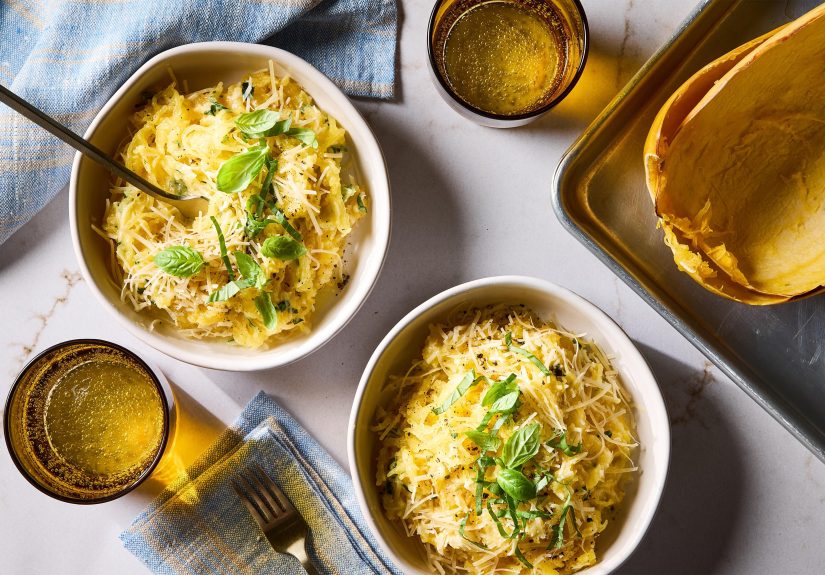
Spaghetti squash is a winter squash with pale yellow flesh that separates into noodle-like strands after cooking.
The flavor is mild and slightly sweetthink “blank canvas,” not “bold statement.” That’s great news: you can steer it
Italian, Greek, Tex-Mex, or “I dumped pesto on it and I’m proud.”
Your goal texture depends on how you’ll serve it:
- As a pasta substitute: aim for crisp-tender strands (not mushy). They’ll hold sauce better.
- As a soft side dish: you can cook it longer for a more tender, scoopable texture.
- For casseroles/stuffed squash: slightly undercook, because it will bake again later.
Before You Cook: Picking, Storing, and Cutting Without Drama
How to pick a good spaghetti squash
- Weight: choose one that feels heavy for its size (more flesh, less air).
- Skin: firm, matte, and hardno soft spots, deep cracks, or suspicious squishiness.
- Color: usually pale yellow to golden; some green is fine depending on variety, but avoid ones that look bruised.
How to store it
Keep whole spaghetti squash in a cool, dry place (like a pantry). Once cooked, store strands in an airtight container
in the fridge and use within a few days. If you want longer storage, freeze cooked strands (more on that later).
How to cut spaghetti squash safely (a.k.a. please keep all your fingers)
Spaghetti squash is famously tough. If your knife is bouncing like it’s on a trampoline, don’t force it. Use one of
these “soften first” tricks:
- Microwave to soften: poke the squash all over and microwave in short bursts until it’s slightly easier to cut.
- Brief oven warm-up: bake the whole squash for a few minutes to take the edge off the hardness.
When you’re ready to cut:
- Wash and dry the squash (yes, even if you’re not eating the skinyour knife travels through it).
- Trim a thin slice off one side to create a stable “flat” base if it wobbles.
- Use a large, sharp chef’s knife. Work slowly. Let the knife do the work.
- Scoop seeds and stringy bits with a spoon, like you’re carving a tiny, edible pumpkin.
Hot debate: cut lengthwise (stem to end) or crosswise (across the middle)?
Lengthwise is common and gives long cavity halves for stuffing. Crosswise can produce longer “spaghetti” strands,
which is fun if you’re chasing maximum noodle vibes.
Method 1: Roast Spaghetti Squash Halves in the Oven (Best All-Around)
Oven roasting is the gold standard: great flavor, reliable texture, and enough hands-off time to clean upor to stare
into the fridge deciding if you’re a “Parmesan person” tonight (you are).
Step-by-step: classic roasted spaghetti squash
- Preheat oven to 375°F to 425°F (higher heat = more browning, slightly drier strands).
- Cut squash in half (lengthwise or crosswise) and scoop out seeds.
- Brush the cut sides with olive oil. Season with salt and pepper.
- Place halves cut side down on a baking sheet for good roasting and less steam trapped inside.
- Roast until a fork slides in easily and strands pull away with a little bite left:
typically 35–50 minutes, depending on size and oven temp. - Cool 5–10 minutes. Flip cut side up, then scrape with a fork to fluff into strands.
How to tell when it’s done (without overcooking)
- Skin gives slightly when pressed with tongs.
- Fork-tender flesh, but not collapsing into mush.
- Strands separate easily when scrapedif they fight back, keep roasting and check every 5–10 minutes.
Pro tips for “not watery, not mushy” squash
- Don’t drown it: oil is great; water pooling is not. Skip adding water to the pan for oven roasting.
- Let steam escape: once out of the oven, flip the squash cut side up so trapped steam can vent.
- Aim for crisp-tender: especially if you’re using sauce. Overcooked strands can’t hold up.
Method 2: Roast It Whole (The “I Don’t Want to Cut This Brick” Method)
If cutting raw spaghetti squash feels like an extreme sport, roast it whole first. This is the method for anyone who
wants dinner, not a wrestling match with a gourd.
Step-by-step: whole roasted spaghetti squash
- Preheat oven to 400°F.
- Pierce the squash all over with a knife or fork (think: “steam vents,” not “modern art”).
- Place on a baking dish or sheet (it may leak a little).
- Roast until tender all the way through, about 40–60 minutes depending on size.
- Cool until safe to handle, then cut open, scoop seeds, and scrape strands.
Why this works: the squash softens enough to cut safely, and the strands still come out nicely. The tradeoff
is you’ll get less direct browning than roasting cut-side-down halves.
Method 3: Microwave Spaghetti Squash (Fastest Weeknight Option)
Microwave spaghetti squash is the speed-run route. You’ll sacrifice some roasted flavor, but you’ll gain timeand time
is delicious when you’re hungry at 8:47 p.m.
Step-by-step: microwave method
- Poke the squash all over to vent steam.
- Microwave the whole squash briefly (this also makes it easier to cut).
- Carefully cut in half, scoop seeds, and place cut-side down in a microwave-safe dish with a small splash of water.
- Microwave until tenderoften 10–15 minutes total depending on size and wattage.
- Rest a few minutes, then scrape into strands.
Microwave tip: If your strands are watery, let them sit in a colander for a couple minutes, then toss with
a little olive oil or butter before adding sauce. That quick fat-coat helps everything taste more “dinner” and less “steamed vegetable.”
Method 4: Instant Pot / Pressure Cooker (Hands-Off and Consistent)
Pressure cooking is great when you want reliable tenderness fast. It also works well for people who enjoy pressing a
button and feeling like a kitchen wizard.
Step-by-step: pressure cooker spaghetti squash
- Add 1 cup water to the pot and place a trivet/steamer rack inside.
- Option A (halved): cut squash in half, scoop seeds, set halves on the trivet.
- Option B (whole, small/medium): some cooks pressure-cook it whole for a safer prepjust make sure it fits.
- Cook on high pressurecommonly around 7–8 minutes for halvesthen quick release (or use a short natural release).
- Scrape strands with a fork.
Texture note: pressure-cooked squash can be slightly wetter than oven-roasted. Fix it by tossing strands
back into a warm skillet for 2–3 minutes to evaporate extra moisture before saucing.
Method 5: Air Fryer Spaghetti Squash (Browner Edges, Smaller Batches)
Air fryer spaghetti squash is perfect when you’re cooking for one or two, or when your oven is busy doing something
dramatic like baking cookies “for later” (sure).
Step-by-step: air fryer method
- Cut squash in half and scoop seeds.
- Brush with oil, season with salt and pepper.
- Air fry around 350–360°F until tender, often 18–25 minutes depending on size and air fryer.
- Cool briefly, then scrape into strands.
Air fryer win: you can get edges that feel more roasted than microwaved, without heating up your whole kitchen.
Method 6: Slow Cooker Spaghetti Squash (Set It and Forget It)
The slow cooker is ideal when you want spaghetti squash ready after workespecially if you’re okay with “tender and cozy”
rather than “caramelized and roasty.”
Step-by-step: slow cooker method
- Add about 1 cup water to the slow cooker.
- Cut squash in half, scoop seeds, and place halves in the cooker (positioning cut-side down can help avoid extra liquid pooling).
- Cook until tender: roughly 3–4 hours on high or 5–6 hours on low, depending on size.
- Scrape strands and serve.
How to Serve Spaghetti Squash So It Actually Tastes Amazing
Here’s the secret: spaghetti squash is mild on purpose. Treat it like pasta that needs seasoning. If you dump plain
marinara on unseasoned strands and feel underwhelmed, that’s not the squash being “bad.” That’s the squash being
polite and waiting for you to bring flavor.
Flavor formulas that work every time
- Simple + bright: olive oil, garlic, lemon zest, parsley, Parmesan.
- Comfort classic: marinara, meatballs or sausage, mozzarella, basil.
- Brown-butter cozy: browned butter, sage, toasted walnuts, a shower of cheese.
- Pesto power: basil pesto (or kale pesto), cherry tomatoes, feta or Parm.
- Spicy-creamy: a spoon of chili crisp + a little cream cheese or ricotta stirred in.
- Tex-Mex: taco-seasoned chicken, salsa, black beans, corn, pepper jack, cilantro.
Add texture or it can feel “soft-on-soft”
Squash strands + sauce can lean mushy if everything is the same softness. Fix that with crunch:
- toasted breadcrumbs (garlic breadcrumbs are basically edible applause)
- toasted pine nuts or chopped almonds
- fried shallots/onions
- crisp bacon bits
- fresh chopped scallions or herbs
Troubleshooting: When Your Squash Has Opinions
“My strands are watery.”
- Roast cut-side down and don’t add water to the pan in the oven.
- Vent steam after cooking: flip cut-side up and let it sit 5–10 minutes.
- Dry it out: sauté strands in a skillet for 2–3 minutes before saucing.
“It’s mushy.”
- Next time, pull it earlier (crisp-tender beats overdone).
- Use thicker sauces sparingly; toss gently so strands don’t collapse.
- Build texture with crunchy toppings to balance softness.
“It’s bland.”
- Salt the cavity before cooking, then season again after scraping.
- Use flavorful sauces and punchy toppings (cheese, herbs, garlic, acid).
- Don’t be shyspaghetti squash can handle bold seasoning.
Make-Ahead, Storage, and Freezing
Fridge
Store cooked strands in an airtight container. If you’re meal prepping, keep sauce separate until serving so the
squash doesn’t soak up liquid and turn soft.
Freezer
Yes, you can freeze spaghetti squash, with one warning: it will be softer after thawing. To freeze:
- Cool strands completely.
- Press gently in a clean towel or paper towels to remove extra moisture.
- Freeze in portion-sized bags, flattened for quick thawing.
- Reheat in a skillet to evaporate water, then add sauce.
Real-Life Spaghetti Squash Experiences (The Stuff Recipes Don’t Mention)
If you’ve never cooked spaghetti squash before, your first experience will probably include one of these moments:
(1) staring at the squash like it’s a locked treasure chest, (2) asking yourself whether you own a “real” knife, and
(3) realizing you are, in fact, stronger than a vegetable. Welcome.
One very common first-timer mistake is chasing “soft” instead of “done.” You roast it, scrape a strand, taste it, and
think, “Hmm… I guess it should be softer?” Not necessarily. Spaghetti squash is at its best when it still has a
little bitekind of like al dente pasta, but with better table manners. When it goes too long, the strands break,
the texture turns watery, and suddenly your “noodles” feel like they’ve given up on life. The fix is simple: start
checking early. If your recipe says 45 minutes, begin checking at 35. You’re looking for strands that pull away
easily and keep their shape.
Another experience you’ll probably have: the “steam surprise.” You pull the squash out, flip it, andwhooshhot steam
escapes like the squash has been holding a grudge. Let it cool. Not because you’re fragile (you are not), but because
burning your fingers will not make dinner taste better. The cool-down also helps texture. A few minutes of resting
lets moisture redistribute so you don’t end up with a puddle at the bottom of your bowl.
Then there’s the sauce realization. A lot of people expect spaghetti squash to taste like pasta, and when it doesn’t,
they blame the squash. But spaghetti squash isn’t trying to be pastait’s doing a fun costume. Treat it like a mild,
sweet vegetable that needs seasoning and contrast. The happiest spaghetti squash bowls usually have three things:
salt (enough to wake up the flavor), fat (olive oil, butter, cheesesomething to make it feel
satisfying), and acid or spice (lemon, vinegar, chili flakes, salsa). Once you hit that trio, it stops being
“diet food” and starts being “I would absolutely eat this again.”
You’ll also notice a personality difference between cooking methods. Oven-roasted squash tastes deeper and a little
nuttier, like it’s been to culinary school. Microwave squash is more “I showed up on time and I’m practical.” Instant
Pot squash is the reliable coworker who always meets deadlines, but sometimes brings a little extra moisture to the
meeting. Air fryer squash gives you those slightly browned edges that feel more roasted than steamed, which can be a
big win if you’re serving it simply with olive oil and Parm.
Finally, spaghetti squash has a weirdly satisfying “fork magic” moment. You scrape and suddenly it turns into strands,
and it feels like you discovered a kitchen trick you’ll want to show someone immediately. That moment never really
gets old. If you’re cooking for kids or skeptical eaters, let them do the scrapingit turns dinner into a hands-on
“how is this real?” experience, and people are much more likely to eat the thing they personally turned into noodles.
The biggest lesson most cooks learn is that spaghetti squash is not about pretending it’s pastait’s about using a
versatile, cozy vegetable as a base for big flavors. Once you stop expecting it to be identical to spaghetti, you’ll
start appreciating it for what it is: a sauce-friendly, weeknight-flexible, surprisingly fun dinner move that happens
to come in its own bowl-shaped shell. Honestly, that’s kind of iconic.
Conclusion
Learning how to cook spaghetti squash is mostly about choosing the method that fits your life:
roast halves for the best all-around flavor and texture, roast whole when cutting feels risky, microwave when time is
short, pressure cook for consistency, air fry for small-batch roasting vibes, and slow cook when you want dinner to
wait for you.
Whatever method you choose, remember the two rules that make spaghetti squash shine:
don’t overcook it and season it like you mean it. Do that, and your squash will keep up its
pasta cosplay with confidence.