Table of Contents >> Show >> Hide
- What a “Wet Cough with COVID-19” Actually Means
- When a Wet COVID Cough Is an Emergency
- Safe Home Strategies to Help Clear Mucus
- Medications That May Help and How They Differ
- Supporting Your Lungs While You Recover
- Caring for Kids or Older Adults with a Wet COVID Cough
- When to Call Your Doctor About a Wet Cough with COVID-19
- Common Myths About “Clearing” a COVID Wet Cough
- Lived Experiences: What Dealing with a Wet COVID Cough Really Feels Like
- The Bottom Line: Work with Your Cough, Not Against It
A wet cough during COVID-19 can feel like your lungs have turned into a
bubble machine that nobody asked for. Every breath rattles, every cough
brings up mucus, and trying to sleep feels like wrestling a bag of
marbles in your chest. The good news: a wet (or “productive”) cough is
usually your body doing its job trying to clear out mucus and irritants
from your airways.
This guide walks you through what a wet cough with COVID-19 actually
means, how to help clear mucus safely, when to use (and avoid) certain
medicines, and when it’s time to stop Googling and call a doctor. It’s
practical, evidence-based, and sprinkled with just enough humor to make
reading about mucus slightly less gross.
Important: This article is for general information only and does not replace medical advice from your healthcare professional. If you’re unsure about your symptoms, get medical help.
What a “Wet Cough with COVID-19” Actually Means
A wet cough, also called a productive cough, is any
cough that brings up mucus (phlegm). You might feel it rattling in your
chest or dripping down the back of your throat. A tissue suddenly
becoming your closest friend is another clue.
COVID-19 is often described as causing a dry cough, but
many people develop a wet cough:
- As the infection moves lower into the airways.
- If they develop viral bronchitis or pneumonia.
- From postnasal drip (allergies, sinus congestion) on top of COVID-19.
- If they already have conditions like asthma or chronic bronchitis.
Mucus itself is not the enemy. Your respiratory system is lined with
mucous membranes that produce mucus to trap germs and irritants. During
infections like COVID-19, your body makes more mucus to help flush out
the virus. Coughing is the built-in “cleaning mechanism” to move that
mucus out of your lungs and airways.
When a Wet COVID Cough Is an Emergency
Before we talk about home remedies and medications, we need to draw a
bold red line around situations where you should get urgent medical care.
COVID-19 can sometimes cause COVID pneumonia or other
serious complications, and a worsening wet cough can be part of that
picture.
Call emergency services or go to the ER immediately if you have:
- Severe trouble breathing or feeling like you “can’t get air.”
- Persistent pain or pressure in the chest.
- New confusion or difficulty staying awake.
- Blue, gray, or very pale lips, face, or nail beds.
- Coughing up blood, or thick green/brown foul-smelling mucus.
These are warning signs of potentially dangerous complications and are
not “wait and see” problems. Don’t worry about being dramatic doctors
would much rather see you early than too late.
Safe Home Strategies to Help Clear Mucus
If your symptoms are mild to moderate and you’ve been cleared to manage
COVID-19 at home, your main jobs are: support your immune
system, help your lungs move mucus out, and
watch for any worsening symptoms.
1. Stay Hydrated Like It’s Your Side Hustle
Water is one of the simplest and most underrated “medicines” for a wet
cough. When you’re dehydrated, mucus becomes thicker and stickier
think glue instead of jelly which makes it harder to cough up.
Helpful fluids include:
- Plain water (sip consistently throughout the day).
- Warm teas (herbal, decaf black/green tea) with honey and lemon.
- Clear broths and soups.
- Electrolyte drinks if you’re also running a fever or sweating a lot.
Try keeping a large water bottle by your bed or workspace and set a
simple goal like “finish this by lunchtime.” Tiny, frequent sips are
easier when you’re short of breath or tired.
2. Use Humidity and Steam (But Safely)
Moist air helps thin mucus and can calm irritated airways. That’s why
people often find they cough more productively after a hot shower.
Options to try:
-
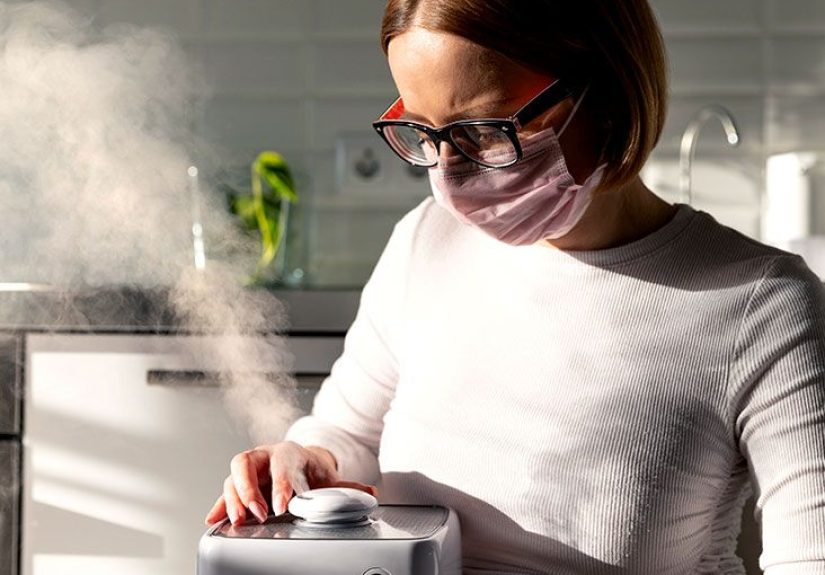
Cool-mist humidifier: Run it in the room where you’re
resting, cleaning it regularly to avoid mold or bacteria buildup. -
Steam from a shower: Sit in the bathroom with the hot
shower running and door closed for 10–15 minutes (don’t burn yourself). -
Warm drinks: The warmth plus hydration is a double win
for mucus.
Avoid leaning directly over boiling water or using very hot steam near
your face burns are not good for lung health or your future selfie
game.
3. Master the “Huff Cough” to Clear Mucus More Efficiently
Instead of hacking until your ribs complain, try a gentler, more
efficient technique often used in lung rehab called a
“huff cough”:
- Sit upright in a supportive chair with your feet flat on the floor.
- Take a slow, deep breath in through your nose.
-
Hold it for 2–3 seconds, then exhale forcefully but gently through your
mouth with your mouth open, like you’re fogging a mirror “ha, ha.” -
After a couple of “huffs,” follow with a normal cough to move mucus up
and out.
This method helps move mucus from smaller airways toward the larger ones
where you can cough it out, without exhausting yourself or triggering
massive coughing fits.
4. Use Gravity to Your Advantage
Changing positions can help mucus drain:
-
Elevate your head and chest when lying down with
extra pillows or an adjustable bed. -
Side-lying positions (switch sides every 20–30
minutes) may help if one lung feels more “rattly.” -
Short, gentle walks around your room or home can help
loosen mucus but stop if you’re very short of breath.
Think of it as “gravity-assisted mucus removal” less glamorous than a
spa treatment, but surprisingly effective.
5. Soothe Your Throat Without Shutting the Cough Down Completely
Even though a wet cough is useful, it can still be irritating and
painful. You can soothe your throat without completely
suppressing the cough:
- Honey (for adults and kids over 1 year old) in warm tea or water.
- Throat lozenges or sugar-free hard candies.
- Warm saltwater gargles to loosen mucus in the throat.
- Cool treats like ice chips or popsicles if your throat feels raw.
Avoid smoking or vaping, strong chemical fumes, and heavy fragrances
they’re like pouring gasoline on your cough reflex.
Medications That May Help and How They Differ
Over-the-counter (OTC) medications can sometimes help with a wet cough,
but choosing the right type matters. Always read labels carefully and
check with a healthcare professional or pharmacist, especially if you’re
pregnant, have other medical conditions, are taking prescription
medicines (including antivirals like Paxlovid), or are treating a child.
1. Expectorants: Helping Thin the Mucus
An expectorant (like guaifenesin in many OTC products)
helps thin and loosen mucus so it’s easier to cough up. This can be
helpful when you have a wet cough but the mucus feels very thick or
“stuck.”
Tips:
- Expectorants work best when you’re also well hydrated.
-
They don’t instantly “erase” your cough they make your cough more
productive so mucus actually comes out. -
Follow dosing instructions exactly; more is not better and can cause
side effects.
2. Cough Suppressants: Use Carefully with a Wet Cough
Cough suppressants (often containing dextromethorphan) are designed to
reduce the cough reflex. These can be helpful for a
dry, hacking cough that keeps you from sleeping, but they can be
tricky with a wet cough.
If you shut down your cough completely while your lungs are full of
mucus, that mucus may sit in your airways longer, which is not ideal.
Sometimes, a healthcare provider may suggest a suppressant at night (for
sleep) while encouraging mucus-clearing strategies during the day.
Important safety notes:
-
Many cough syrups are not recommended for young children.
Always check age limits and ask a pediatrician. -
Never mix multiple OTC cold/cough products without checking that
you’re not doubling up on the same ingredient. -
If you’re on antidepressants or other medicines that affect serotonin,
ask your doctor before using dextromethorphan.
3. Decongestants, Antihistamines, and Inhalers
Other medications may be useful in certain situations:
-
Decongestants (like pseudoephedrine or phenylephrine)
can reduce nasal congestion and postnasal drip, which sometimes feeds a
wet cough. However, they can raise blood pressure and heart rate and
may not be safe for everyone. -
Antihistamines may help if allergies are contributing
to mucus and coughing, but older “sedating” antihistamines can dry
secretions too much or make you drowsy. -
Inhalers (bronchodilators or steroids) are sometimes
prescribed if you have asthma, COPD, or significant airway
inflammation. Don’t start these on your own they require medical
guidance.
Antibiotics are not helpful for COVID-19 itself (which
is viral) and should only be used if your doctor suspects a bacterial
infection, such as bacterial pneumonia or bacterial bronchitis.
Supporting Your Lungs While You Recover
1. Rest and Pace Yourself
COVID-19 fatigue is very real. Your body is busy fighting an infection,
and your lungs are doing extra work. Rest isn’t “being lazy” it’s
active therapy.
- Take breaks between activities and listen to your body.
-
Avoid intense exercise until your doctor says it’s safe and your
breathing has improved. -
Short, gentle walks or stretching are often fine if they don’t worsen
your cough or shortness of breath.
2. Create a Lung-Friendly Environment
Your lungs already have enough going on; don’t make their job harder:
- Avoid smoking and secondhand smoke completely.
- Limit exposure to strong cleaners, aerosols, and heavy perfumes.
- Open windows for fresh air if outdoor air quality is good.
- Keep pets out of the bedroom if dander worsens your cough.
3. Eat to Support Healing
You don’t need a perfect diet, but you do need fuel:
- Protein sources (eggs, poultry, beans, tofu) support tissue repair.
-
Fruits and vegetables provide vitamins and antioxidants to help your
immune system. -
Smaller, more frequent meals can be easier if you’re tired or short of
breath.
If you’ve lost your sense of taste or smell, it can be tempting to skip
meals. Try interesting textures, warm soups, or chilled smoothies to
make eating more appealing.
Caring for Kids or Older Adults with a Wet COVID Cough
Wet cough management in children and older adults needs extra caution.
For children:
-
Many OTC cough and cold medicines are not recommended for young kids.
Always ask a pediatrician before giving them any. -
Focus on hydration, cool-mist humidifiers, and age-appropriate home
remedies like honey (for children over 1 year). -
Seek urgent care if they are working hard to breathe, have flaring
nostrils, fast breathing, or trouble speaking in full sentences.
For older adults:
-
They are at higher risk for complications like pneumonia and may need
earlier medical evaluation. -
Check whether OTC products interact with existing medications or heart,
kidney, or blood pressure issues. -
Watch for subtle signs of confusion or weakness, which can signal
worsening illness.
When to Call Your Doctor About a Wet Cough with COVID-19
Not every wet cough is an emergency but it’s also not something to
ignore indefinitely. Call your healthcare provider if:
- Your wet cough lasts more than 2–3 weeks.
-
Mucus becomes very thick, changes color (dark yellow, green, bloody),
or smells bad. - You develop a new or higher fever after initially improving.
- You have any shortness of breath with routine activities.
- You already have lung disease (asthma, COPD) and your symptoms worsen.
Also ask your doctor early (usually within the first few days of
symptoms) whether you qualify for antiviral treatment
for COVID-19, especially if you’re older or have underlying conditions.
These medications don’t directly “fix” the wet cough, but they may reduce
the risk of severe disease.
Common Myths About “Clearing” a COVID Wet Cough
Myth 1: “If I can’t stop coughing, I should shut it down completely.”
A totally suppressed cough while your lungs are full of mucus is usually
not ideal. The goal is to make your cough more effective, not
to turn it off completely. Think “smart cough,” not “no cough.”
Myth 2: “Thick green mucus always means I need antibiotics.”
Not necessarily. Viral infections can also cause discolored mucus. Only a
healthcare provider can decide if you need antibiotics based on your
overall symptoms, exam, and sometimes imaging or lab tests.
Myth 3: “Mega-dosing supplements will clear my lungs faster.”
Very high doses of some vitamins or herbal supplements can actually be
harmful or interfere with medications. A balanced diet plus any
supplements your doctor recommends is usually enough.
Lived Experiences: What Dealing with a Wet COVID Cough Really Feels Like
Everyone’s experience with COVID-19 and a wet cough is a little
different, but there are some common patterns and lessons that keep
showing up. The following examples are composites of real-world
experiences, designed to highlight what often helps (and what doesn’t).
Emma, 32: “I Thought I Just Needed Stronger Cough Syrup”
Emma started with what felt like a typical COVID infection: low-grade
fever, fatigue, and a dry cough. After several days, the cough turned
wet, and she found herself reaching for the strongest cough syrup she
could find. The more she suppressed her cough, the more “heavy” her chest
felt. Lying flat at night made everything worse; she’d wake up feeling
like there was a cement block on her ribs.
After a telehealth visit, her provider explained the difference between
wet and dry cough management. Emma switched to an expectorant during the
day, elevated her head at night, used a cool-mist humidifier, and
practiced huff coughing. Within a few days, she wasn’t coughing less
often but each cough was productive, and her breathing felt easier.
What really surprised her was how much hydration helped;
once she made a game out of finishing two big bottles of water each day,
her mucus thinned noticeably.
Carlos, 58: “I Didn’t Think My Breathing Was ‘That Bad’”
Carlos had COVID-19 and a stubborn wet cough that kept him up at night.
He brushed off his shortness of breath as “just being out of shape” and
didn’t want to “bother” his doctor. His family noticed he was breathing
faster at rest and pausing to catch his breath after walking across the
room. They finally insisted he call his provider.
It turned out he was developing COVID-related pneumonia. Getting medical
evaluation early meant he could receive appropriate treatment and
monitoring, rather than waiting until things became critical. His big
takeaway: listen to the people around you. When you’re
sick and tired, it’s easy to underestimate how hard you’re working just
to breathe.
Lena, 41: “The Humidifier and Chair Were My Secret Weapons”
For Lena, the worst part of her wet COVID cough was nighttime. She’d lie
down, and within minutes the mucus would start to pool, triggering
relentless coughing fits. Sleep felt impossible. Eventually, she moved to
a recliner in the living room, propped up with extra pillows, with a
humidifier nearby and a blanket over her legs.
The combination of upright positioning, moist air, and a
warm mug of herbal tea before bed made a huge difference. She still
coughed but she also finally slept. The “cough corner,” as she jokingly
called it, became her base camp until things improved. Her experience
highlights how small physical changes like where and how you sleep
can dramatically change how manageable a wet cough feels.
Jordan, 29: “I Was Scared of Every Rattle in My Chest”
Jordan’s wet cough triggered a lot of anxiety. Every rattle made him
wonder if his lungs were failing. His doctor recommended a clear plan:
specific red-flag symptoms to watch for, when to call the office, and
when to go straight to the ER. Knowing exactly what to monitor like
worsening shortness of breath, high fevers that wouldn’t settle, or
blue-tinged lips calmed his mind.
With that plan in place, he could focus on the basics: hydration, rest,
gentle movement, mucus-clearing techniques, and avoiding smoke and other
irritants. The cough gradually improved over a couple of weeks. For him,
the biggest “treatment” was having clear, trustworthy information instead
of doom-scrolling worst-case scenarios at 2 a.m.
What These Stories Have in Common
While the details differ, some common themes stand out:
- A wet cough with COVID-19 is often part of the body’s clearing process.
-
Simple strategies hydration, humidity, position changes, and
technique can make a huge difference. -
Medicines can help, but only when used thoughtfully and safely, with an
understanding of the difference between expectorants and suppressants. - Knowing when to seek medical help (and not waiting too long) is crucial.
The goal is not to erase your cough overnight, but to
support your lungs while they do the hard work of healing and to make
the process as safe and tolerable as possible.
The Bottom Line: Work with Your Cough, Not Against It
Clearing a wet cough with COVID-19 is all about balance. You want to
thin and mobilize mucus, support your
breathing, and protect your lungs without
completely turning off the cough that’s helping you heal. Hydration,
humidity, smart body positioning, huff coughing, and carefully chosen
medications all play a role.
At the same time, your job is not to be a hero and push through serious
symptoms. If your breathing worsens, your chest hurts, you’re confused,
or your lips or face change color, that’s not “just a bad cough” it’s a
reason to get urgent medical care.
Take your symptoms seriously, treat your lungs kindly, and let your cough
do its job with a little intelligent backup from you.
SEO Meta in JSON format