Table of Contents >> Show >> Hide
- First, a quick polka-dot reality check
- The 13 steps to accessorize a polka dot dress
- Step 1: Decide the vibe in one sentence
- Step 2: Choose your anchor neutral (yes, even if you love color)
- Step 3: Let dot scale tell you how “big” your accessories can be
- Step 4: Pick shoes first (they set the whole mood)
- Step 5: Match your bag to the formality, not just the color
- Step 6: Choose one “statement zone” (and let the rest behave)
- Step 7: Use the neckline to pick the right necklace (or skip it)
- Step 8: Pick earrings that echo (not compete with) the dots
- Step 9: Decide whether a belt improves the silhouette
- Step 10: Add an outer layer that changes the energy
- Step 11: Add texture (because you already have pattern)
- Step 12: Mix prints carefully (optional, but powerful)
- Step 13: Finish with the “tiny details” checklist
- Quick accessory recipes (steal these)
- Common mistakes (so you can avoid them like an awkward hug)
- Conclusion: Dots do the talking, accessories do the editing
- Experience Notes: What People Actually Run Into When Styling a Polka Dot Dress
Polka dots are the friendliest pattern in your closet. They’re playful without being childish, classic without being boring,
and somehow manage to look both “I have my life together” and “I might spontaneously buy concert tickets” at the same time.
The only tricky part? Accessories. Because dots already bring the party, your extras need to RSVP “helpful,” not “chaotic.”
This guide walks you through 13 practical steps to accessorize a polka dot dresswhether you’re dressing for work, brunch,
a wedding, or that mysterious event that says “smart casual” (a phrase that has ruined more mornings than traffic).
Expect specific examples, quick formulas, and a few gentle reality checks so you look intentional, not accidental.
First, a quick polka-dot reality check
Before you add anything, take 10 seconds to “read” your dress. You’re not overthinkingyou’re strategizing.
The dress already has built-in visual texture (the dots), so your accessories should either:
(1) calm the look down, (2) elevate it, or (3) deliberately push it into fashion-mode.
- Dot size: micro dots read subtle; big dots read bold.
- Color palette: black/white is graphic; navy/cream is softer; colored dots are the loudest roommate.
- Silhouette + neckline: these decide your jewelry “real estate.”
- Occasion: office accessories behave differently than date-night accessories. (Shocking, I know.)
The 13 steps to accessorize a polka dot dress
Step 1: Decide the vibe in one sentence
Pick one: classic, modern, romantic, edgy, resort, or work-polished.
Your accessories should support that sentence like a good backup singerpowerful, but not trying to be the lead.
Example: “Classic brunch” = straw bag + simple sandals + gold hoops. “Edgy dinner” = black ankle boots + leather jacket + bold earrings.
Step 2: Choose your anchor neutral (yes, even if you love color)
Anchors keep polka dots from feeling busy. Choose one neutral to repeat across shoes and/or bag:
black, white, nude, tan, navy, chocolate, or metallic.
If your dress is black-and-white, neutrals are basically your superpower: nude shoes elongate, black accessories sharpen,
metallic adds “special occasion” without adding another color argument.
Step 3: Let dot scale tell you how “big” your accessories can be
This is the easiest styling hack that feels like magic. Use the dots as your measuring tape:
- Micro dots: you can handle bolder accessories (chunkier earrings, a statement bag, a wider belt).
- Large dots: keep accessories cleaner and simpler (sleek jewelry, minimal bag hardware, less texture).
Rule of thumb: when dots are loud, accessories whisper. When dots whisper, accessories can speak up.
Step 4: Pick shoes first (they set the whole mood)
Shoes have the biggest “vibe-per-square-inch” of any accessory. Choose based on where you’re going and how long you’ll be alive on your feet.
- Work: loafers, low block heels, sleek flats, or minimal sneakers with structured layers.
- Date night: heeled sandals, pointed-toe pumps, or ankle boots (especially with a midi).
- Wedding/party: strappy metallics, elegant slingbacks, or satin-like textures.
- Casual day: white sneakers, espadrilles, or simple slides.
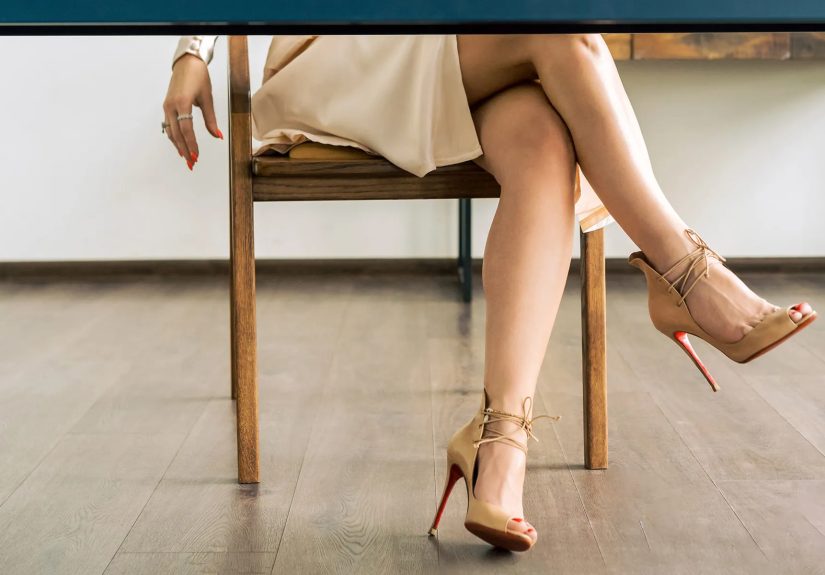
Example: Navy-and-cream polka dot wrap dress + tan sandals = easy daytime. Same dress + silver heels = instant evening.
Step 5: Match your bag to the formality, not just the color
A polka dot dress can go from “Sunday farmer’s market” to “cocktail” fastyour bag is the bouncer at the door.
- Casual: canvas tote, woven bag, crossbody with minimal hardware.
- Work: structured tote, top-handle satchel, clean shoulder bag.
- Dressy: clutch, small shoulder bag, mini bag with a sleek chain.
Pro move: If the dress feels sweet, pick a bag with sharper lines to modernize it.
Step 6: Choose one “statement zone” (and let the rest behave)
Polka dots already create visual motion. That’s why the fastest way to look stylednot stackedis to choose
one focal point:
- Ears (statement earrings)
- Neck (bold necklace or layered delicate chains)
- Waist (belt)
- Bag (interesting shape or texture)
- Shoes (a pop color or standout silhouette)
If you try to do all five, you won’t look “extra.” You’ll look like you got dressed in a souvenir shop during an earthquake.
Step 7: Use the neckline to pick the right necklace (or skip it)
Necklines are basically jewelry instructions written in fabric:
- V-neck or wrap: pendant or short layered chains that follow the V.
- Square neck: shorter necklace, collarbone length; clean lines look best.
- High neck: skip the necklace; go bigger on earrings or cuffs.
- Sweetheart/off-shoulder: statement necklace or bold earrings (pick one).
Example: Black-and-white polka dot V-neck midi + small gold pendant + gold hoops = polished without trying too hard.
Step 8: Pick earrings that echo (not compete with) the dots
Dots are round, so round earrings (hoops, domes, pearls) naturally harmonize. That doesn’t mean you’re trapped in Circular Jewelry Prison, though.
- Classic: pearls, small hoops, simple studs.
- Modern: geometric shapes in a thin profile.
- Romantic: dainty drops, small florals, subtle sparkle.
- Edgy: chunky hoops, mixed metals, sculptural pieces.
Tip: If your dress has big dots, keep earrings sleeker. If dots are tiny, you can go bigger.
Step 9: Decide whether a belt improves the silhouette
Belts are like punctuation: helpful when you need clarity, unnecessary when the sentence already works.
Add a belt if you want to define the waist, break up a long column, or shift the style (romantic to modern, casual to polished).
- Wide belt: best with micro dots or simple silhouettes; adds structure.
- Thin belt: subtle definition; great for office looks.
- Statement buckle: use it as your “statement zone” and keep other accessories calmer.
Example: Shirt dress with polka dots + slim tan belt + tan loafers + structured tote = work-ready and sharp.
Step 10: Add an outer layer that changes the energy
Outerwear is accessory-adjacent and massively underrated. It can modernize dots, tone them down, or make them look intentionally vintage.
- Blazer: office polish; choose solid colors for clean contrast.
- Denim jacket: casual, daytime-friendly.
- Leather jacket: instant edge; perfect for “cute dress, tougher attitude.”
- Trench coat: classic and timeless; great with navy or black dots.
- Cardigan: softer, cozy, and romantic (especially with smaller dots).
Step 11: Add texture (because you already have pattern)
When you’re wearing a print, texture is the easiest way to add depth without adding visual noise.
Think: woven leather, raffia, suede, satin, or delicate shine.
A simple trick: if your dress is smooth, pick one textured accessory (like a woven bag or suede shoes) and keep the rest simple.
Step 12: Mix prints carefully (optional, but powerful)
If you want to mix prints, do it like you’re seasoning food: intentionally and with a light hand.
The easiest “safe” mix is pairing dots with stripes, especially when the stripe width clearly differs and your colors relate.
- Start small: striped scarf, striped headband, or striped belt.
- Keep a shared color: navy dots + navy stripe accessory = coordinated, not chaotic.
- Vary the scale: small dots + bolder stripe reads more intentional than “matching chaos.”
Step 13: Finish with the “tiny details” checklist
These are the last 5% that make the look feel complete:
- Sunglasses: add structure and instant cool (especially with sweet dresses).
- Hair: sleek bun = modern; loose waves = romantic; ponytail + bold earrings = clean and chic.
- Lip color: a classic red can make dots feel intentional and timeless; nude keeps it effortless.
- Hosiery: in cool weather, sheer black tights look refined; opaque can skew heavierbalance with cleaner shoes.
- The mirror test: remove one thing. If you feel slightly under-accessorized, you’re probably perfect.
Quick accessory recipes (steal these)
When you’re short on time, use a “formula” so you don’t spiral into an accessory existential crisis.
Formula 1: The Classic
Polka dot dress + nude shoes + gold hoops + small structured bag. Works for brunch, work, and casual events.
Formula 2: The Modern-Minimal
Polka dot dress + black loafers + clean watch + sleek shoulder bag + sunglasses. Crisp, city-friendly, and low effort.
Formula 3: The Romantic
Polka dot dress + delicate necklace + ballet flats + soft cardigan + mini bag. Sweet without being costume-y.
Formula 4: The Edge
Polka dot dress + leather jacket + ankle boots + bold earrings. The easiest way to keep dots from feeling “too cute.”
Formula 5: The Event-Ready
Polka dot dress + metallic heels + clutch + one statement piece. Keep it simple so the dress reads elegant.
Common mistakes (so you can avoid them like an awkward hug)
- Over-accessorizing: dots already have movement. Too many extras = visual static.
- Competing patterns: mixing prints without a plan can look accidental fast.
- Wrong accessory scale: big dots + big jewelry can feel heavy; tiny dots + tiny accessories can disappear.
- Mismatched formality: a glam clutch with beat-up sneakers reads confused, not cool.
- Ignoring the neckline: the wrong necklace can fight the dress instead of flattering it.
Conclusion: Dots do the talking, accessories do the editing
The best way to accessorize a polka dot dress is to treat the print as your “main character.”
Build around it with an anchor neutral, pick one statement zone, and let dot scale guide your jewelry and bag choices.
Whether you keep it classic with pearls and nude heels or modernize it with sharp accessories and a blazer, the goal is the same:
intentional, balanced, and unmistakably you.
Experience Notes: What People Actually Run Into When Styling a Polka Dot Dress
If polka dots are a universal language, the most common translation is: “Cute… but how do I not look like I’m headed to a themed birthday party?”
That feeling is normal. Dots are playful by nature, so the “experience” of wearing them often comes down to managing sweetness.
Most people discover that accessories are less about adding more and more, and more about steering the message.
One common experience: the closet stare-down. You put on the dress and suddenly every accessory you own looks either too loud or too plain.
This usually happens because dots already provide contrast, so your brain can’t decide if you should match that energy or calm it down.
The fastest fix is choosing one anchor neutralthen repeating it in two places (like shoes and bag). People who try this usually feel immediate relief
because the outfit stops being a pile of separate items and starts acting like one look.
Another classic real-life moment: the “I added earrings, a necklace, a belt, a hat, and now I look like a stylish lamp” realization.
It’s surprisingly easy to over-accessorize a printed dress, especially if you’re excited.
Many find that removing one itemoften the necklace or the beltmakes the outfit look more expensive and more modern.
There’s a weird truth in fashion: the last thing you add is often the first thing you should take off.
People also run into the office-versus-weekend problem. The same polka dot dress that looks perfect for brunch can feel “too fun” for work.
The experience here is mostly about structure. When you add a blazer, a structured tote, and a clean shoe (loafer, block heel, sleek flat),
the dress reads more intentional and professional. Many notice that keeping jewelry minimal at worksmall hoops, a watch, maybe a simple chain
prevents the print from feeling loud in a meeting room. Then, for after-hours, swapping to a smaller bag and bolder earrings instantly resets the vibe
without requiring a full outfit change.
Seasonal reality shows up too. In warmer months, people love how airy dots feelbut in cooler weather, styling can feel trickier.
Tights, boots, and outerwear can accidentally make the look heavy. A common solution is choosing lighter-looking layers (a trench, a tailored coat,
a fitted cardigan) and keeping footwear streamlined. Many also find that texture is a smarter “upgrade” than adding more color:
a suede boot, a woven bag, or a shiny metal earring adds depth while letting the dots remain the star.
Finally, there’s the confidence experience: dots attract attention in a friendly way. People often get more compliments in polka dots than they expect,
which can feel greator slightly exposing if you’re not used to being noticed. The best trick here is comfort-driven styling:
choose shoes you can walk in, a bag that doesn’t annoy you, and jewelry you won’t fidget with. When the outfit feels easy, you look easy.
And polka dots, at their best, are exactly thateffortless fun with a grown-up finish.