Table of Contents >> Show >> Hide
- The simple rule most experts agree on
- Why toothbrushes “expire” (and it’s not just about germs)
- Signs it’s time to replace your toothbrush (even before 3 months)
- Special situations: when you should replace more often
- Manual vs. electric: do you replace them differently?
- How to store and care for your toothbrush (so it stays cleaner between replacements)
- Easy ways to remember to replace it (because time is fake in a busy life)
- FAQ: quick answers people actually want
- Bottom line
- Real-Life Toothbrush Swap Stories (and what they teach)
- SEO Tags
Your toothbrush is the only roommate you invite into your mouth twice a day and then leave standing in a damp corner
of the bathroom like it pays rent. So yesthis relationship needs boundaries. One of them is knowing when to
break up and move on to a fresh brush.
The good news: you don’t need a lab coat, a microscope, or a dramatic “we need to talk” speech. You just need a
simple schedule, a couple of visual cues, and a tiny bit of honesty about whether you brush gently… or like you’re
scrubbing burnt lasagna off a pan.
The simple rule most experts agree on
For most people, the sweet spot is every 3 to 4 months. That’s the widely repeated guidance across
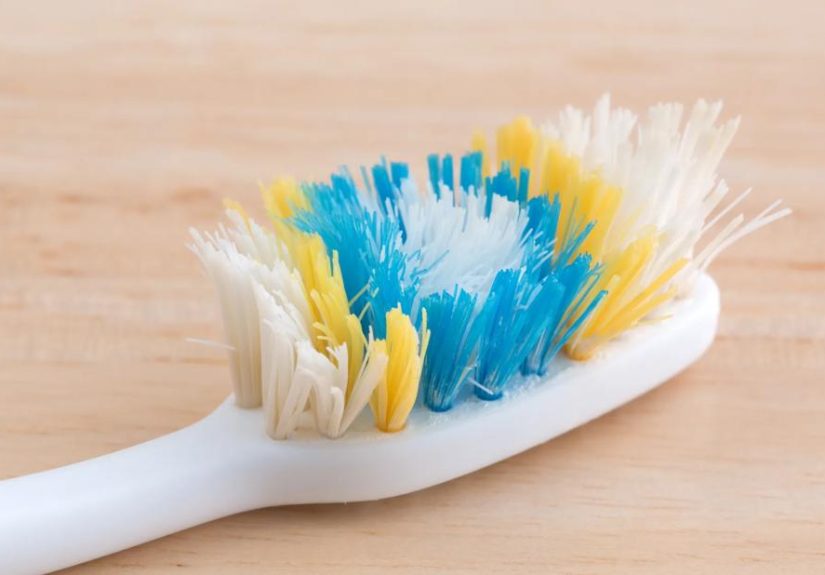
major dental and medical sources. But here’s the real trick: replace sooner if the bristles look worn,
matted, splayed, bent, or frayedbecause once the brush looks like it lost a bar fight, it’s not cleaning
effectively.
Think of it like windshield wipers: they might still “work,” but they stop doing a great job long before they fall
off the car. A toothbrush is the same. It doesn’t need to be broken to be past its prime.
Why toothbrushes “expire” (and it’s not just about germs)
1) Worn bristles remove less plaque
Your toothbrush isn’t here to polish your teeth for aesthetic vibes. Its job is to disrupt and remove plaquethe
sticky biofilm that builds up on teeth and along the gumline. When bristles splay outward, they don’t reach as well
into the tiny spaces where plaque likes to hide. Less reach means less removal. Less removal means plaque hangs
around longer than your friend who says “I’m leaving in five minutes.”
2) Old bristles can be rough on gums and enamel if you brush hard
People often respond to a “weak” toothbrush by pressing harder. That’s not a win. It can irritate gums and, over
time, contribute to gum recessionespecially if you’re already an aggressive brusher. A fresh soft-bristled brush
plus gentle pressure is usually the better combo.
3) Yes, toothbrushes can collect bacteriabut wear is still the main villain
Your mouth naturally contains bacteria. Some are helpful, some are troublemakers, and they can end up on your brush
no matter how responsibly you rinse. That said, the biggest reason replacement is recommended isn’t panic about
“grossness”it’s the very practical reality that brushes become less effective as they wear out.
Signs it’s time to replace your toothbrush (even before 3 months)
- Bristles are splayed past the width of the brush head (your brush is now a tiny broom).
- Bristles are bent, frayed, or matted and don’t spring back upright after rinsing.
- The brush feels oddly soft or “mushy” compared with a new one.
- Your teeth don’t feel as clean after brushing (and no, it’s not your teeth being dramatic).
- It took a bathroom “adventure”dropped on the floor, chewed by a pet, or rattled around in a travel bag uncovered.
- You’ve had it through an illness scenario where replacement makes sense (more on that below).
Quick reality check: some brushes have fading color indicators. They can be helpful, but they’re not a universal
truth-teller. Your calendar and the condition of the bristles are more reliable.
Special situations: when you should replace more often
If you brush like you’re trying to win a competition
If your brushing style is “fast + forceful,” your bristles will wear out quickersometimes well before the
3-month mark. Consider a soft or extra-soft brush, slow down, and let the bristles do the work. If you use an
electric brush, turn on any pressure sensor features and treat that warning light like a stop sign, not a fun
decoration.
If you have braces, aligners, or lots of dental work
Braces, attachments, and certain appliances can be rough on bristles and can trap plaque more easilymeaning brush
effectiveness matters even more. You may need to swap toothbrushes or electric heads sooner if you notice wear,
especially around the outer rows of bristles.
If the toothbrush belongs to a child
Kids’ toothbrushes are adorable. They are also frequently used as chew toys, drumsticks, and props in bathroom
musicals. Children often wear out bristles faster, so check their brush monthly and replace as soon as it frays.
A brush designed for smaller hands and mouths helps, too.
If you’ve been sick: do you really need a new toothbrush?
This is where the internet loves to shout, “THROW IT OUT!”and the more honest answer is: it depends.
Some clinicians recommend switching after illnesses like flu or strep, especially in households where brushes might
touch or share a holder. Other expert guidance notes that most people won’t reinfect themselves from their own
toothbrush once they’ve recovered, because your immune system has already handled the infection.
A practical middle ground:
- Consider replacing after a significant illness if you’re immunocompromised, if you had a confirmed contagious bacterial infection, or if your brush was stored touching others’ brushes.
- Prioritize separation and drying if you don’t replace immediatelybecause cross-contamination between brushes is the bigger avoidable risk.
- For kids, many child-focused hygiene programs recommend replacing after illness to reduce spread within families and classrooms.
Manual vs. electric: do you replace them differently?
In terms of timing, not really. The same general rule applies: every 3 to 4 months, sooner if worn.
If you use an electric toothbrush, you’ll usually replace the brush head on that schedule.
Electric brushes can be easier for people with limited hand mobility, braces, or anyone who benefits from built-in
timers and pressure sensors. Some experts also note that powered brushes can improve plaque removal for many users
because the brush provides more consistent motion than the average human wrist.
How to store and care for your toothbrush (so it stays cleaner between replacements)
Toothbrush care won’t make a worn brush magically new again, but it can keep a good brush in better condition and
reduce the “ew” factor along the way.
Do this
- Rinse thoroughly after each use to remove toothpaste and debris.
- Store upright and let it air-dry fully.
- Keep brushes separated so they don’t touch (especially in shared holders).
- Choose soft bristles and use gentle pressureyour gums will thank you.
Avoid this
- Closed containers or routine covers at home. A moist, enclosed environment can encourage unwanted bacterial growth.
- Soaking in disinfectants as a routine habitsome guidance warns this can spread germs or damage the brush.
- Dishwashers, microwaves, or UV gadgets for “sanitizing” unless your specific product is designed for it (and even then, it’s usually unnecessary).
Travel tip: a ventilated case is fine when you’re on the movejust let the brush dry in open air as soon as you
can. Trapping a wet brush in a sealed case for days is basically sending germs an invitation with snacks.
Easy ways to remember to replace it (because time is fake in a busy life)
- Season swap: new brush at the start of January, April, July, and October.
- Phone reminder: set a recurring alert every 90 days.
- Write the start date on the handle with a permanent marker.
- Use a subscription: some services mail replacement brushes/heads on schedule, so you don’t have to think about it.
FAQ: quick answers people actually want
“If my toothbrush looks fine, do I still need to replace it?”
If it truly looks and feels like newbristles upright, not frayed, not softyou might be okay for a bit longer.
But most brushes start losing effectiveness before they look dramatic. The 3–4 month guideline is a practical
average for real-world wear.
“Should I replace my toothbrush after COVID-19, flu, or strep throat?”
If you’re generally healthy, it’s unlikely you’ll reinfect yourself from your own toothbrush after you’ve
recovered. If you’re immunocompromised, or if you share storage where brushes touch, replacing is a simple,
low-cost precaution. For kids, many pediatric resources recommend replacing after infections to reduce spread.
“Do I need a hard-bristle brush to clean better?”
Usually, no. Soft bristles are commonly recommended because they’re effective while being gentler on gums and enamel.
The goal is thorough, not aggressive.
“What’s more important: the brush or the technique?”
Technique is the multiplier. Brush for two minutes, twice a day, reach the gumline gently, and clean all surfaces.
A fresh brush helps you do that job well, but it can’t outwork a 20-second speed run.
Bottom line
Replace your toothbrush (or electric brush head) every 3 to 4 monthsand sooner if
the bristles are frayed, splayed, bent, or worn. Store it upright, let it air-dry, keep it from touching other
brushes, and resist the urge to “sanitize” it like it’s a surgical instrument. A toothbrush isn’t meant to last
forever. It’s meant to do a great job for a short season, then gracefully retire.
Real-Life Toothbrush Swap Stories (and what they teach)
If you want a surprisingly accurate snapshot of someone’s habits, don’t check their browser historycheck their
toothbrush. Dentists and hygienists have seen it all, and households everywhere have their own toothbrush folklore.
Here are a few very common “yep, that happens” scenarios that make the 3–4 month replacement rule feel a lot less
abstract.
The “Fuzzy Firework” Brush: This is the toothbrush that starts normal and ends up looking like a
dandelion in a windstorm. The owner usually says, “But I brush all the time!” Truejust with the pressure of a
power washer. The lesson: a brush that looks exploded isn’t scrubbing better; it’s cleaning worse. Many people who
switch to a softer touch (or an electric brush with a pressure sensor) find their brushes last longer and their
gums complain less.
The Travel-Case Time Capsule: Someone goes on a trip, tosses a wet toothbrush into a sealed case,
and forgets it there until the next trip. Months later it reappears like a damp relic from a different era. The
lesson: toothbrushes need air. A ventilated case is great while traveling, but once you’re home, let it dry out in
the open. If it lived in a closed, moist container for a while, replacing is the easiest reset button.
The “I Swear It’s Only Been a Month” Mystery: In many families, nobody remembers when the brush was
opened. Was it last month? Last season? During that one busy week when everyone ate cereal for dinner? The lesson:
memory is unreliable. People who do best are the ones who make replacement automaticquarterly calendar swaps,
90-day phone reminders, or simply writing the date on the handle. Once it’s a system, it stops being a decision.
The Kid Who Chews the Bristles: Some kids don’t brush; they gnaw. The brush comes out looking
mangled after a few weeks, and parents wonder if they bought a “bad” toothbrush. The lesson: the brush might be
fine; the user is just enthusiastic. Kids often need more frequent replacements, and it helps to supervise
brushing until they have the motor control to brush effectively without turning the bristles into confetti.
The Post-Illness Debate: One person in the house gets sick, and suddenly the bathroom turns into a
toothbrush ethics seminar: “Do we throw them out?” “Do we bleach them?” “Do we label them like office lunches?”
The lesson: the biggest avoidable risk is brushes touching each other or sharing a holder while someone is sick.
Keeping brushes separated and air-dried is the practical move. Replacing after illness can be a reasonable
precaution for immunocompromised people or for households where toothbrushes mingleotherwise, it’s often more about
peace of mind than proven reinfection risk.
All these stories point to the same takeaway: toothbrush replacement isn’t about being perfect. It’s about being
consistent. A fresh brush on a simple scheduleplus gentle techniquebeats a heroic deep-clean ritual performed
twice a year.