Table of Contents >> Show >> Hide
- Quick answer: lobster tail cook times at a glance
- How to tell when lobster tail is done (so you don’t guess wrong)
- Before you cook: choosing, thawing, and prepping lobster tails
- How long to boil lobster tails (step-by-step)
- How to grill lobster tails (juicy, smoky, impress-your-neighbors energy)
- How to broil lobster tails (big flavor, small effort)
- Flavor ideas that taste expensive (without being complicated)
- Common lobster-tail problems (and how to fix them)
- Serving ideas
- FAQs
- Kitchen stories: 500-ish words of real-life lobster-tail lessons (so you don’t learn them the expensive way)
Lobster tail is the culinary equivalent of wearing a tuxedo T-shirt: it looks fancy, but it’s surprisingly easy to pull off at home.
The only real enemy is overcookingbecause nothing ruins a special dinner faster than turning sweet lobster into a bouncy, seawater-flavored stress ball.
This guide gives you practical cook times for boiling lobster tails (plus grilling and broiling), explains what “done” actually looks like,
and shares the little tricks that keep the meat tender and juicy. If you can boil water, you can absolutely cook lobster tailsjust don’t boil them into submission.
Quick answer: lobster tail cook times at a glance
Lobster tail timing varies by tail size, whether it’s split/butterflied, and how aggressively you’re cooking (a gentle simmer cooks differently than a raging cauldron).
Use these as starting pointsthen confirm with the doneness cues in the next section.
| Tail size (each) | Boil/simmer (split shell) | Grill (butterflied) | Broil (butterflied) |
|---|---|---|---|
| 3–4 oz | 2–4 min | 6–8 min total | 5–7 min |
| 4–6 oz | 3–5 min | 8–10 min total | 6–9 min |
| 6–7 oz | 4–6 min | 10–12 min total | 8–11 min |
| 8–10 oz | 6–10 min | 12–15 min total | 10–14 min |
| 12–14 oz | 7–12 min | 14–18 min total | 12–16 min |
Rule-of-thumb: many home-cooking guides use “about 1 minute per ounce” as a baseline for lobster tail, but real kitchens are messy:
tail thickness varies, stove power varies, and a hard boil is not the same as a gentle simmer. Consider that rule your “GPS,” not your destiny.
How to tell when lobster tail is done (so you don’t guess wrong)
Time is helpful, but lobster rewards the cook who pays attention. Here’s what “perfectly done” looks like:
- Color: Meat turns from translucent gray to opaque white (sometimes with a faint pink blush).
- Texture: Firm but still springylike a well-cooked shrimp, not a rubber eraser.
- Shape: The tail will curl slightly, but it shouldn’t clamp into a tight little “C” of doom.
- Thermometer (best): Insert into the thickest part. Many cooks target 135–140°F for tenderness, while food-safety charts commonly list 145°F for fish/shellfish. A good compromise is pulling around 140°F and letting carryover heat finish the jobespecially for smaller tails.
If you’re serving someone who’s pregnant, immunocompromised, or otherwise at higher risk, follow stricter food-safety guidance and cook to the more conservative end of the temperature range.
For everyone else: don’t overcook “just in case.” Lobster is expensive; treat it like it has feelings.
Before you cook: choosing, thawing, and prepping lobster tails
Fresh vs frozen lobster tails
Frozen lobster tails are common, widely available, and often excellent. In many cases, tails are frozen quickly after processing, which can preserve quality.
Translation: don’t panic if your lobster tail didn’t arrive with a personal butler.
How to thaw lobster tails safely
- Best method (hands-off): Thaw in the refrigerator for 8–12 hours (overnight).
- Faster method: Keep tails sealed in a bag and submerge in cold water for 30–60 minutes, changing the water once or twice.
- Avoid: Warm water thawing (invites bacteria) and microwave thawing (creates “cooked edges, raw center” chaos).
How to prep lobster tails (simple, not scary)
Most methods benefit from opening the shell so heat and butter can reach the meat. You have two popular options:
- Split the top shell (easy + great for boiling): Use kitchen shears to cut down the top of the shell lengthwise. Spread slightly to expose the meat.
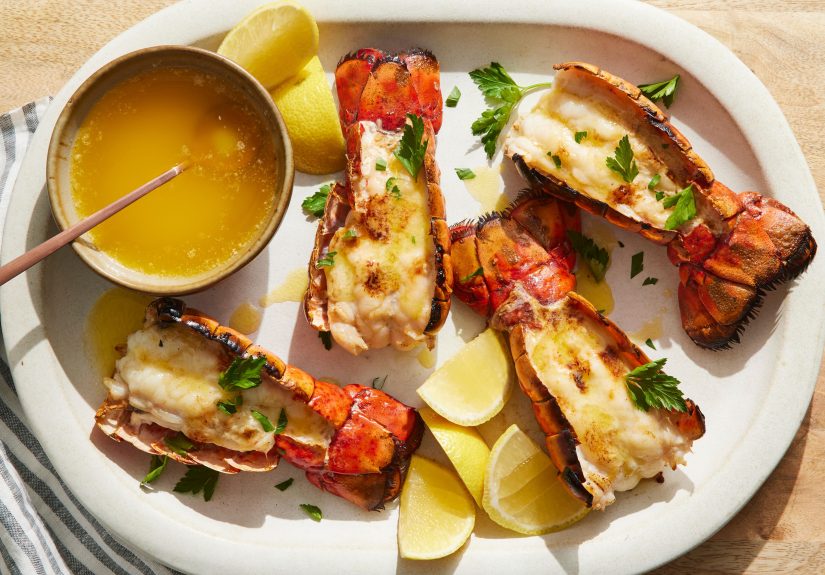
- Butterfly for presentation (best for grill/broil): Cut the top shell lengthwise, loosen the meat, and lift it so it sits on top of the shell “like a lobster floatie.”
Pro move: Slide a skewer lengthwise through the tail meat to reduce curlingespecially helpful for grilling and broiling when you want that restaurant look.
How long to boil lobster tails (step-by-step)
What “boil” really means here
In practice, most successful cooks bring the water to a boil, add the tails, then maintain a gentle boil or simmer.
Think “active bubbles,” not “hot tub audition.” A violent boil can slap the meat around and encourage toughness.
Boiled lobster tails: the basic method
- Prep the tails: Thaw if needed. Rinse and pat dry. Split the top shell to expose the meat.
- Salt the water: Use enough water to cover the tails. Salt it like pasta water (pleasantly salty, not ocean cosplay).
- Bring to a boil: Add optional aromatics (lemon slices, bay leaf) if you want, but don’t overcomplicate.
- Add tails: Drop tails in. When the water returns to a boil, reduce to a steady simmer.
- Start timing: Use the chart above as a starting point. Smaller tails often cook fast.
- Check doneness early: When in doubt, check at the low end of the time range.
- Stop the cooking: Drain. If you’re not serving immediately, a quick dip in an ice bath can prevent carryover overcooking.
Boiling time tips that save dinner
- Don’t overcrowd the pot: If tails are stacked like laundry, heat won’t circulate evenly.
- Split tails cook faster than intact shells: Exposure speeds things up (great for tenderness, dangerous for inattentive scrolling).
- Size matters more than count: Four small tails cook differently than two giant tails, even if the total weight is similar.
When boiling is the best choice
Boiling is ideal when you want lobster meat for lobster rolls, salads, pasta, tacos, chowder, or anything where the meat gets removed from the shell.
It’s quick, forgiving (if you watch the clock), and doesn’t require outdoor equipment.
How to grill lobster tails (juicy, smoky, impress-your-neighbors energy)
Grilling lobster tails gives you subtle smoke and a “special occasion” vibe even if it’s technically a Tuesday. The key is controlling heat so the meat doesn’t dry out.
Grilled lobster tails: best setup
- Heat: Medium to medium-high.
- Prep: Butterfly the tails and (ideally) skewer to prevent curling.
- Flavor: Butter, lemon, garlic, paprika, and a pinch of saltclassic for a reason.
Grilled lobster tails: step-by-step method
- Preheat and oil the grates: Clean grates + a little oil prevents sticking.
- Butterfly and dry the meat: Pat dry so you get better browning.
- Butter it up: Brush with melted butter (or butter + lemon + garlic).
-
Grill meat-side down first (optional but tasty): 2–6 minutes depending on size, just long enough to get light grill marks.
If you’re nervous, skip this and grill meat-side up the whole timesafer, still delicious. - Finish shell-side down / meat-side up: Close the lid and cook until opaque, basting once or twice.
- Rest 2 minutes: Not a long restjust enough to let juices settle.
Grilling timing guidance
Many cooks land around 10–15 minutes total for medium-to-large tails, with smaller tails finishing faster.
If your grill runs hot, you’ll be done sooner. If your lobster tails are thick, they’ll take longer.
The thermometer and “opaque + tender” cues are your best friends here.
Want extra insurance? Try a quick parboil
Some seafood guides recommend briefly parboiling tails before grilling (a couple minutes, depending on size), then finishing on the grill.
This can help large tails cook evenlyespecially if your grill has hot spots or you’re cooking a crowd and don’t want surprises.
How to broil lobster tails (big flavor, small effort)
Broiling is basically grilling’s indoor cousin who wears nicer shoes. It’s fast, it browns beautifully, and it’s one of the easiest ways to get that restaurant-style butter-glossed finish.
Broiled lobster tails: step-by-step method
- Preheat broiler: Give it time to get truly hot.
- Position the rack: Aim for about 4–6 inches from the heat source (close enough to brown, not so close you carbonize).
- Butterfly the tails: Meat lifted on top of the shell cooks evenly and looks fancy.
- Season + butter: Brush with melted butter; sprinkle salt, pepper, paprika, and a little garlic if you like.
- Broil: Use the time chart as a baseline. Keep an eye on thembroilers can be wildly different.
- Check doneness: Opaque meat, tender feel, and (if using) thermometer in your target range.
- Finish: Lemon squeeze, more butter, chopped parsley. Consider a dramatic flourish. Optional but encouraged.
Broiling timing guidance
For many standard grocery-store tails, broiling often falls around 8–14 minutes depending on size and broiler intensity.
If you’re cooking very small tails, start checking early. If you’re cooking very large tails, move the rack slightly lower to prevent browning before the center is cooked.
Flavor ideas that taste expensive (without being complicated)
Classic lemon-garlic butter
- Melted butter
- Fresh lemon juice + zest
- Minced garlic (or garlic powder in a pinch)
- Paprika (for color) + black pepper
- Pinch of salt
Spicy Cajun-style butter
Add Cajun seasoning (or a mix of paprika, cayenne, garlic powder, onion powder, thyme) to melted butter. Great for broiling because the spices bloom fast under high heat.
Herby “steakhouse” butter
Stir chopped parsley, chives, and a tiny bit of Dijon into softened butter. Dollop it on hot lobster tails so it melts into the meat.
Common lobster-tail problems (and how to fix them)
“My lobster is rubbery.”
That’s almost always overcooking. Next time: check earlier, use a thermometer if possible, and remember that lobster keeps cooking for a minute or two after you remove it from heat.
“The meat stuck to the shell.”
Split the shell before cooking and loosen the meat gently. After cooking, let it rest briefly, then use kitchen shears to open the shell more if needed.
“The outside is done, but the center is still a little translucent.”
This happens most with thick tails and aggressive heat (especially broilers). Lower the rack or finish with gentler heat.
You can also parboil briefly before grilling/broiling to reduce the risk.
“It curled into a tight C.”
Curling is normal; tight curling is a hint it cooked hard and fast. Use a skewer through the tail next time, and aim for steadier heat.
Serving ideas
- Classic: lobster tails + drawn butter + lemon wedges + simple veg
- Surf and turf: pair with steak, roasted potatoes, and a green salad
- Lobster roll night: boil tails, chop meat, toss with light mayo + celery + lemon + chives
- Pasta upgrade: fold broiled lobster into creamy pasta or a garlicky olive-oil sauce
FAQs
Do I have to cut the shell before boiling?
You don’t have to, but it helps the meat cook evenly and makes the tail easier to eat. If you want the meat for a recipe, splitting the shell is especially helpful.
Is it better to boil, grill, or broil lobster tails?
Boiling is fastest and great for recipes. Grilling adds smoke and drama. Broiling gives you browned, buttery edges with almost no effort.
The “best” method depends on whether you want simplicity (boil), flavor (grill), or elegant convenience (broil).
Can I cook lobster tails from frozen?
It’s strongly recommended to thaw first so the meat cooks evenly. If you cook from frozen, you risk overcooked edges and an undercooked centeraka a lobster tail with identity issues.
How do I store and reheat cooked lobster tail?
Store cooked lobster in an airtight container in the refrigerator and eat within 1–2 days for best quality. Reheat gentlysteaming briefly or warming in butter is kinder than blasting it in the microwave.
Kitchen stories: 500-ish words of real-life lobster-tail lessons (so you don’t learn them the expensive way)
If you ask a room full of home cooks about lobster tails, you’ll usually hear the same origin story: “I bought them for a special night, and then I got nervous.”
That nervousness makes people do one of two thingseither they undercook (easy fix) or they overcook “just to be safe” (sad trombone).
Lobster tails don’t respond well to anxious energy. They want calm confidence and a timer.
One of the most common “oops” moments happens before cooking even starts: forgetting to thaw. Frozen tails look innocent enough, but they’re basically little icebergs.
Tossing them straight into boiling water feels logical… until you pull them out and realize the outside is firm while the middle is still semi-translucent.
The fix is simple: thaw overnight in the fridge, or do the cold-water method while you prep sides. Your lobster will thank you by tasting like lobster instead of confusion.
Another classic experience: the pot is boiling like it’s auditioning for a disaster movie. You add the tails, set a timer, and walk away.
You come back to tails that are bright red and… weirdly tight and tough. That’s the “hard boil problem.”
Switching to a steady simmer after the water returns to temperature gives you more control and a gentler cook.
It’s like the difference between a warm hug and being shoved through a revolving door.
On the grill, the most common surprise is how quickly lobster can dry out if you treat it like steak.
Many cooks find the best results when they butterfly the tail, brush on butter, and cook with the shell acting as a little heat shield.
Basting once or twice feels almost comically simple, but it keeps the surface from drying and helps the flavor stick.
And if your tails curl up like they’re trying to do yoga, a skewer through the length of the tail is a tiny trick with big “wow, I meant to do that” payoff.
Broiling has its own personality: it’s fast, it’s hot, and it will absolutely punish distraction.
The experience many people have is: “It smelled amazing… and then it smelled a little too amazing.”
The lesson is to set the rack at a reasonable distance (not kissing the flame), start checking early, and remember that broilers vary wildly.
Two ovens can both say “high,” and still behave like totally different species.
The happiest lobster-tail stories usually share one detail: someone used a thermometer, even once, just to learn what “done” feels like.
After that, they trusted their eyes and the texture cues: opaque meat, tender bite, not tight-curled.
And that’s the real secretlobster tail isn’t hard. It’s just unforgiving if you ignore it.
Cook it with attention, pull it a little early, and let butter do what butter has always done: make everything feel like a celebration.