Table of Contents >> Show >> Hide
- Choose the Right Container and Potting Mix (This Matters More Than the Plant)
- Water Like a Pro: Not Just “More,” but “Smarter”
- Feed the “Buffet” Regularly: Fertilizing Container Plants
- Grooming: The “Salon Appointment” Your Containers Need
- Light, Heat, and Placement: Get the Environment Right
- Keep Roots Happy: Drainage, Repotting, and Root Checks
- Pest and Disease Patrol: Catch Problems Early
- Vacation Mode: How Pros Don’t Come Home to Sad Pots
- Putting It All Together: The Pro-Level Container Routine
- Real-World Experiences: What Gardening Pros Learn After a Few Hot Summers
- Lesson 1: The pot you choose changes how often you see it
- Lesson 2: One “big drink” beats a bunch of tiny sips
- Lesson 3: Feeding consistently is easier than “fixing” a starving plant
- Lesson 4: Deadheading is weirdly satisfyingand surprisingly powerful
- Lesson 5: Shade and mulch are your secret weapons in heatwaves
- Lesson 6: It’s okay to “retire” a plant midseason
- Lesson 7: A routine beats perfection
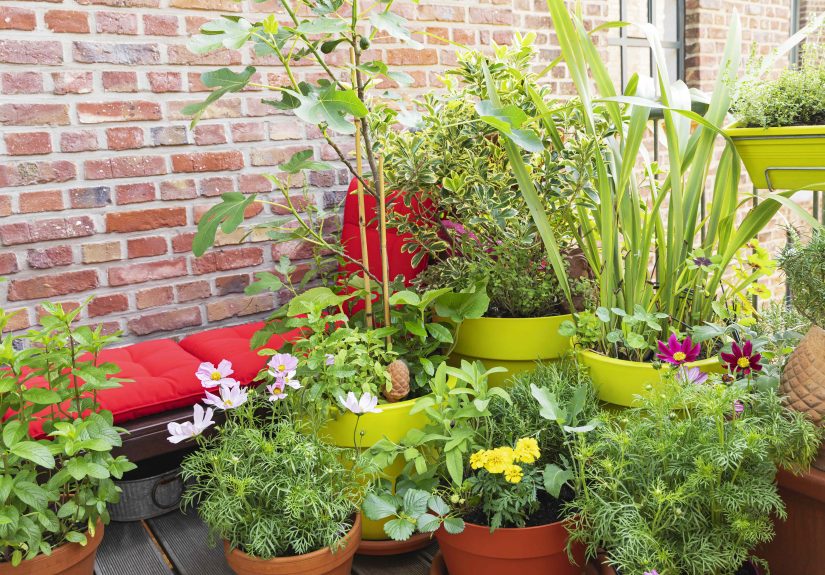
There’s a special kind of heartbreak that happens when the gorgeous planter you proudly carried home in May looks like a crispy salad by July. The good news: gardening pros deal with the same sun, heat, wind, and surprise vacations that you doand they still keep their container plants lush and overflowing all summer long.
The secret isn’t a magic fertilizer or a plant-whispering superpower. It’s a series of small, smart habits: choosing the right pot and soil, watering like a pro, feeding consistently, grooming your plants, and giving them a little extra TLC when summer heat is brutal. Let’s pull back the curtain on how the pros really do it.
Choose the Right Container and Potting Mix (This Matters More Than the Plant)
Size and material: bigger is (usually) better
Professional gardeners know that the container itself sets the stage for summer success. Small pots dry out faster than you can say “August heatwave,” and shallow containers leave roots crowded and stressed. Larger pots with good depth hold more soil, which means more moisture and more room for roots to spread out and stay cool.
Material matters, too. Terracotta is beautiful and breathable but dries out quickly, making it a high-maintenance choice in hot climates. Glazed ceramic, plastic, and resin containers tend to hold moisture longer and are often the pros’ go-tos for full-sun summer setups. Whatever you choose, make sure there are drainage holesnon-negotiable for healthy container plants.
The “no garden soil” rule
If you’ve ever been tempted to scoop soil from your yard to fill a pot, pros everywhere just felt a disturbance in the Force. Garden soil is too heavy for containers and compacts easily, which suffocates roots and causes poor drainage. Extension services and garden brands consistently recommend using a high-quality, well-draining potting mix made specifically for containers, often with ingredients like peat moss or coco coir, perlite or vermiculite, and some compost for nutrients and structure.
Many pros treat potting mix as a living system they refresh over time. They’ll top off containers each season with fresh mix and a slow-release fertilizer, and every year or two they’ll replace a portion of the old mix entirely so roots aren’t stuck in exhausted, compacted soil.
Water Like a Pro: Not Just “More,” but “Smarter”
The golden rule: water deeply, then check, don’t guess
In summer, especially during heatwaves, container plants usually need water every dayand sometimes twice a day for smaller pots, hanging baskets, or planters in full sun and wind. But pros don’t water by the calendar alone; they water by what the soil is telling them.
The classic “finger test” is still a professional favorite: stick your finger into the potting mix up to your second knuckle. If the top 1–2 inches are dry, it’s time to water. If it’s still moist, wait. For large collections or high-end displays, some pros even use a simple moisture meter to double-check that water is actually reaching the root zone instead of just running down the sides of the pot.
Best time of day to water
Early morning is prime watering time. The air and soil are cooler, plants are ready to drink, and less water is lost to evaporation. Late evening can work in a pinch, but watering too late and leaving foliage wet overnight can invite fungal diseases. During extreme heat, many pros water early in the morning and give a second, smaller drink in the late afternoon for heat-stressed containers.
How to water “all the way”
Professional gardeners don’t just sprinkle the surface. They water slowly and thoroughly until water runs out of the drainage holes. That’s your signal that the entire root ball is hydrated. If your soil has dried out so much that water runs straight down the sides and out the bottom without soaking in, pros will:
- Water slowly in a few rounds, letting each pass soak in.
- Gently poke holes into the soil with a chopstick or skewer to break up hard, dry areas.
- In extreme cases, set the pot in a tub of water and let it soak from the bottom up until the root ball rehydrates.
Avoid overwatering (yes, that’s a thing, even in summer)
While containers dry out faster than in-ground beds, overwatering is still a common mistakeespecially in pots without good drainage. Constantly soggy soil cuts off oxygen to roots and invites root rot. The pros’ rule: moist, not swampy. If you’re watering every day and the pot is still heavy and wet, it’s time to improve drainage, drill more holes, or water less often.
Feed the “Buffet” Regularly: Fertilizing Container Plants
Why containers are always hungry
In a garden bed, roots can keep exploring for fresh nutrients. In a pot, they’re stuck with what you give them. Every time you water, a little bit of nutrition washes out of the soil. That’s why university extension services and gardening brands agree: container plants need more frequent feeding than their in-ground cousins.
The pro combo: slow-release + liquid
Many pros use a “two-layer” fertilizing strategy:
- Slow-release fertilizer at planting time: Mixed into the potting mix, it feeds plants gradually over weeks or months.
- Liquid fertilizer during the season: Applied every 1–2 weeks (or every few waterings), it gives a quick boost for flowering annuals, veggies, and hungry herbs.
Flower-heavy plants, like petunias and calibrachoa, respond especially well to regular feedingsome pros fertilize them every other watering in peak bloom season.
A note on fertilizer labels
Pros always follow the label (even when they “know better”). Over-fertilizing can burn roots and actually weaken plants. If your plants look stressed, more fertilizer is not the solutioncheck water, light, and roots first.
Grooming: The “Salon Appointment” Your Containers Need
Deadheading and pruning
You know those overflowing containers in magazines? They didn’t get there by accident. Gardening pros spend a few minutes each week grooming:
- Deadheading: Removing spent flowers so the plant puts energy into new blooms instead of seed production.
- Pinching back leggy stems: Cutting or pinching long, straggly growth encourages branching and a fuller shape.
- Thinning overcrowded stems: Letting some air and light into dense areas helps prevent disease.
Regular deadheading is especially important for annuals that bloom all summer. Many extension guides call this one of the simplest ways to keep containers looking fresh and blooming heavily.
Spin the pot!
Pros also rotate their containers every week or two so all sides get even light. Without rotation, plants will lean toward the sun, and your “perfect dome” of flowers can start to look like a comb-over.
Light, Heat, and Placement: Get the Environment Right
Match plants to the sun they actually get
One of the biggest pro moves is brutally honest light assessment. “Full sun” means at least six hours of direct sunlight per day. If your balcony gets three hours of morning light and bright shade afterward, that’s more “part sun” or “bright shade.” Pros choose plants that match what the space really offers, not what they wish it had.
For scorching spots, sun-loving annuals, Mediterranean herbs (like rosemary, lavender, and thyme), and heat-tolerant varieties shine. For shadier porches, think impatiens, begonias, ferns, and hostas in containers.
Heatwaves: the emergency plan
When the forecast screams “record-breaking heat,” pros go into protection mode:
- Move pots out of harsh afternoon sun and into partial shade if possible.
- Cluster containers together so they shade each other and reduce evaporation.
- Add a layer of mulchshredded bark, compost, or even decorative pebblesto keep soil cooler and moist longer.
- Water early in the morning, and again in late afternoon if the soil is already dry and plants are clearly wilting.
For big displays or rooftop gardens, some pros install drip irrigation systems or use self-watering containers to keep moisture consistent when they can’t be there to hand-water.
Keep Roots Happy: Drainage, Repotting, and Root Checks
Drainage: the non-negotiable feature
Every container pro has a drillor knows someone who does. If a pot doesn’t have drainage holes, they make some. Without drainage, extra water has nowhere to go, roots suffocate, and your plants slowly decline. Elevating pots slightly on feet or bricks also helps water escape and prevents roots from sitting in puddles.
When to repot or root-prune
Over time, plants in containers can become root-bound: roots circle around the sides and bottom of the pot in a dense mat. Signs include stunted growth, wilting even after watering, and water that runs right through without soaking in. Pros will:
- Slip the plant gently out of the pot to inspect roots.
- Repot into a larger container with fresh potting mix, loosening roots as they go.
- Or, for long-term plants, trim some of the roots (root-prune) and replant in the same pot with refreshed mix.
A mid-season refresh can make a tired container look brand new.
Pest and Disease Patrol: Catch Problems Early
Lush, well-fed container plants are like a neon “buffet open” sign for pests. Pros walk their containers regularly and look under leaves, along stems, and at new growth for signs of trouble: sticky residue, distorted leaves, spots, or webbing.
Their first response is usually the least aggressive:
- Spray leaves with a strong jet of water to knock off aphids or mites.
- Prune out heavily infested or diseased stems.
- Improve airflow by thinning crowded growth and avoiding constantly wet foliage.
Only if problems persist do they move on to insecticidal soaps or other targeted treatmentsand always according to label directions.
Vacation Mode: How Pros Don’t Come Home to Sad Pots
Going away for a few days in July? Pros plan ahead:
- Move pots to a shadier, sheltered spot while they’re gone.
- Water deeply right before leaving, and mulch the soil surface.
- Set up self-watering stakes, water globes, or simple drip systems with a timer.
- Or recruit a plant-sitter with clear instructions: “Water when the top inch is dry, until water runs out the bottom.”
A little planning means you come home to thriving container plants, not crispy souvenirs from “The Week You Went to the Beach.”
Putting It All Together: The Pro-Level Container Routine
If we boiled pro container care down to a quick checklist, it would look like this:
- Use large pots with drainage and high-quality potting mix.
- Water deeply when the top 1–2 inches are dryoften daily in summer.
- Water early in the morning; add a second drink during extreme heat if needed.
- Feed regularly with a slow-release base and periodic liquid fertilizer.
- Deadhead, prune, and rotate pots every week.
- Match plants to the actual sun and heat they receive.
- Mulch containers and move them to safer spots during heatwaves or vacations.
Do these consistently, and you’ll stop wondering why your pots don’t look like the pros’because they will.
Real-World Experiences: What Gardening Pros Learn After a Few Hot Summers
Ask a group of experienced gardeners about their first summers with container plants, and you’ll mostly hear some version of, “I watered a lot, fertilized a little, and hoped for the best.” Over time, though, pros develop a kind of sixth sense about their containersbecause those pots have taught them a few memorable lessons.
Lesson 1: The pot you choose changes how often you see it
One pro in a hot Southern climate jokes that terracotta pots are “for people who work from home” because you practically need a part-time watering job to keep them happy in July. After a few seasons of droopy petunias, she switched many of her full-sun containers to glazed ceramic and lightweight resin. Suddenly, she could skip a watering here and there, and the plants still looked lush.
The takeaway: if you’re constantly chasing dry soil, it might not be your watering skillsit might be your pot. A slightly bigger container in a less porous material can give you hours (and sometimes a full day) of extra moisture, which adds up over a long, hot summer.
Lesson 2: One “big drink” beats a bunch of tiny sips
Nearly every seasoned container gardener has a story about the time they realized that sprinkling a little water on top wasn’t cutting it. One gardener noticed her hanging baskets looked wilted by noon no matter how often she watered. When she finally checked, she realized the water was just skimming off the surface and never soaking the root ball.
She started watering slowly until water ran freely from the drainage holes. Within a week or two, the plants perked up, blooms increased, and the midday droop all but disappeared. Once you experience how different your plants look after “real” watering, it’s hard to go back to the quick sprinkle.
Lesson 3: Feeding consistently is easier than “fixing” a starving plant
Another common experience: watching a container go from lush to pale and scraggly in midsummer. A pro in the Midwest admits that, early on, he would panic and dump extra fertilizer into struggling pots, hoping for a miracle. Instead, he sometimes burned roots or made stressed plants worse.
Now, he treats feeding like brushing his teethsmall, consistent effort. Slow-release fertilizer at planting, plus a diluted liquid feed every couple of weeks in summer, keeps plants strong. If something starts to look off, he checks watering and roots before reaching for the fertilizer bag. That shift from “rescue mode” to “steady support” is a big reason his containers now look good into fall instead of fading in August.
Lesson 4: Deadheading is weirdly satisfyingand surprisingly powerful
Many pros will tell you they didn’t fully believe in deadheading until they tried doing it consistently on just one pot. The difference is easy to see: the regularly deadheaded container keeps pushing out fresh blooms while the neglected one slows down and starts to look tired.
One gardener calls deadheading her “5-minute coffee-break therapy.” She walks the patio with a mug in one hand and snips in the other, removing faded blooms and pinching leggy stems. The plants get more light, more air, and a gentle nudge to keep bloomingand she gets a moment of quiet satisfaction before starting her day.
Lesson 5: Shade and mulch are your secret weapons in heatwaves
After one brutal summer, a balcony gardener realized her containers weren’t failing because she was “bad at plants”they were failing because they were essentially baking. Concrete, metal railings, reflected sunlight, and hot winds all ganged up on her poor petunias.
The next year, she did a few simple things differently: she grouped pots together to create a mini “plant community,” added a light-colored mulch on top of the soil, and set up a simple drip line on a timer. On the hottest days, she also slid the most stressed containers a few feet back into partial shade. The plants still knew it was summer, but they didn’t look like they were living on the surface of the sun.
Lesson 6: It’s okay to “retire” a plant midseason
One of the most liberating pro habits is giving yourself permission to pull out a plant that just isn’t working. Maybe it got hammered by pests, maybe it never adjusted to the light, or maybe you just don’t like the color as much as you thought you would.
Pros will simply pop that underperformer out, tuck in a new plant, freshen the soil, water deeply, and move on. The container as a whole matters more than the ego of keeping one struggling plant alive at all costs. Once you adopt that mindset, your summer containers start looking more curated and less chaotic.
Lesson 7: A routine beats perfection
Perhaps the biggest shared experience among gardening pros is this: their containers look lush all summer not because they never miss a watering, but because they’ve built a simple routine they actually stick to. A quick morning check, a good soak when needed, weekly grooming, and occasional feeding become part of the rhythm of the season.
You don’t need professional credentials or a botanical garden budget to get professional-looking containers. You just need to treat those pots like living, changing mini-gardensnot decorative objects you set and forget. With the right mix, consistent care, and a bit of experimentation, your container plants can be just as lush and thriving as the ones you admire in magazines and public gardens all summer long.