Table of Contents >> Show >> Hide
- Why Make Your Own Natural Bug Spray?
- Before You Mix Anything: A Reality Check on “Natural” Repellents
- What Actually Helps Keep Bugs Off You?
- Ingredients You’ll See in DIY Natural Bug Sprays
- Recipe 1: Everyday Homemade Natural Bug Spray (Fast + Fresh)
- Recipe 2: Aloe “Spray-Gel” Version (Less Drip, More Staying Power)
- Recipe 3: Clothes + Outdoor Gear Mist (For Quick Patio or Camp Setup)
- When Homemade Natural Spray Isn’t Enough
- Safety Notes You’ll Actually Use
- Quick Troubleshooting
- of Real-Life Experience: What I’ve Learned from DIY Bug Spray in the Wild
- Conclusion
There are two kinds of people in summer: the ones who float through backyard season like a whimsical woodland creature,
and the ones who get bitten so often they start naming the mosquitoes. (If you’ve ever slapped your ankle and whispered,
“Not today, Kevin,” welcome.)
If you’ve been eyeing the store-bought aisle and thinking, “Surely I can DIY this,” you’re not wrong. You can make a
homemade, all-natural bug spray that smells fresh, feels lighter on skin, and works well for quick patio hangs, gardening,
dog-walk laps, and “I’m only outside for ten minutes” chores.
But we’re also going to be honest (in a friendly way): homemade natural sprays tend to be shorter-lasting than
EPA-registered repellents like DEET or picaridin, and they may not be the best choice for high-risk situationsthink heavy ticks,
swampy mosquito zones, dawn/dusk hikes, or places where insect-borne diseases are a concern. The goal here is to help you DIY
something that’s smart, practical, and safe enough to use when it makes sense.
Why Make Your Own Natural Bug Spray?
Homemade bug spray is popular for the same reasons people bake banana bread: it’s satisfying, customizable, and you know exactly
what went into it. Here’s what DIY fans tend to love:
- Ingredient control: you choose the scent and skip extras you don’t want.
- Budget-friendly: once you have a few staple oils, refills are cheap.
- Flexible formulas: spray for skin, mist for clothes, or a “porch patrol” blend for outdoor air.
- Less “chemical perfume” vibe: many natural blends smell like a spaone that hates mosquitoes.
Before You Mix Anything: A Reality Check on “Natural” Repellents
“Natural” doesn’t automatically mean “gentle,” “non-irritating,” or “safe for everyone.” Essential oils are concentrated plant
chemicalspowerful enough to annoy bugs, and sometimes powerful enough to annoy your skin, eyes, or pets, too.
Use extra caution if any of these apply:
- Kids: some plant-based actives (like oil of lemon eucalyptus/PMD products) have age restrictions, and essential oils can irritate.
- Pregnancy or sensitive skin: patch-test and keep concentrations low; ask a clinician if you’re unsure.
- Asthma or scent sensitivity: go light on fragrance and avoid spraying in enclosed spaces.
- Petsespecially cats: many essential oils can be risky for pets if inhaled, licked, or applied directly.
Also important: “Oil of lemon eucalyptus” is confusing on purpose
The effective “natural” repellent you hear about is typically OLE/PMD (oil of lemon eucalyptus containing
p-menthane-3,8-diol) in properly formulated, registered products. That’s not the same thing as grabbing a bottle of
“lemon eucalyptus essential oil” and calling it the same. If you want that specific level of performance, it’s better to buy
an EPA-registered product designed for skin use.
What Actually Helps Keep Bugs Off You?
Bug prevention works best when you stack simple layers. Think of it like home organization: one cute basket won’t fix the whole closet,
but a few smart systems will.
Layer 1: Environment
- Dump standing water (plant saucers, kiddie toys, clogged gutters).
- Use fans on patiosmosquitoes are not great fliers in steady airflow.
- Choose seating away from shrubs and damp shade when possible.
Layer 2: What you wear
- Long sleeves and pants in lightweight fabric when bugs are intense.
- For tick-heavy areas, consider treating clothes/gear (not skin) with proven options made for fabric use.
Layer 3: Skin protection
This is where homemade natural sprays can fit inespecially for shorter outings, when you’re willing to reapply, and when you’re not
in a high-risk bite zone.
Ingredients You’ll See in DIY Natural Bug Sprays
Most homemade recipes are built from a carrier (what spreads on skin) plus a blend (what bugs dislike).
The carrier matters because oils and water don’t mix politely without help, and uneven mixing can mean uneven protection.
Good carrier options
- Witch hazel: light, easy, and popular; choose alcohol-free if your skin is dry.
- High-proof alcohol (like vodka): helps disperse oils and can improve “staying power” a bit.
- Aloe vera gel: soothing, less drippy; great if you prefer a rub-on spray-gel.
- Distilled water: useful for dilution, but you’ll need to shake often (or use a solubilizer).
- Vegetable glycerin: adds a little cling and skin feel.
Common essential oils used for bug “Nope” energy
- Citronella (classic)
- Lemongrass (fresh, bright)
- Peppermint (cooling scent, can tingle)
- Lavender (gentler aroma, still needs dilution)
- Eucalyptus (strong scent; be cautious around kids and pets)
- Cedarwood (often used in outdoor blends)
- Clove/cinnamon (potentuse sparingly; higher irritation risk)
The trade-off: many essential-oil blends can repel for a shorter window than conventional repellents, so you’ll often need
to reapply more frequentlyespecially if you sweat, swim, or wipe your skin.
Recipe 1: Everyday Homemade Natural Bug Spray (Fast + Fresh)
This is the “I’m watering tomatoes and don’t want to become a buffet” spray. It’s light, smells good, and is easy to keep by the door.
What you’ll need
- 2 oz spray bottle (glass is best for essential oils)
- 1.5 oz witch hazel or high-proof vodka
- 0.5 oz distilled water (optionaladjust for skin feel)
- Essential oil blend (see below)
Suggested essential oil blend (start mild)
- 10 drops citronella
- 8 drops lemongrass
- 6 drops lavender
- 4 drops peppermint
How to make it
- Add witch hazel or vodka to the spray bottle.
- Add essential oils.
- Add water (if using), cap tightly, and shake like you’re mixing a fancy mocktail.
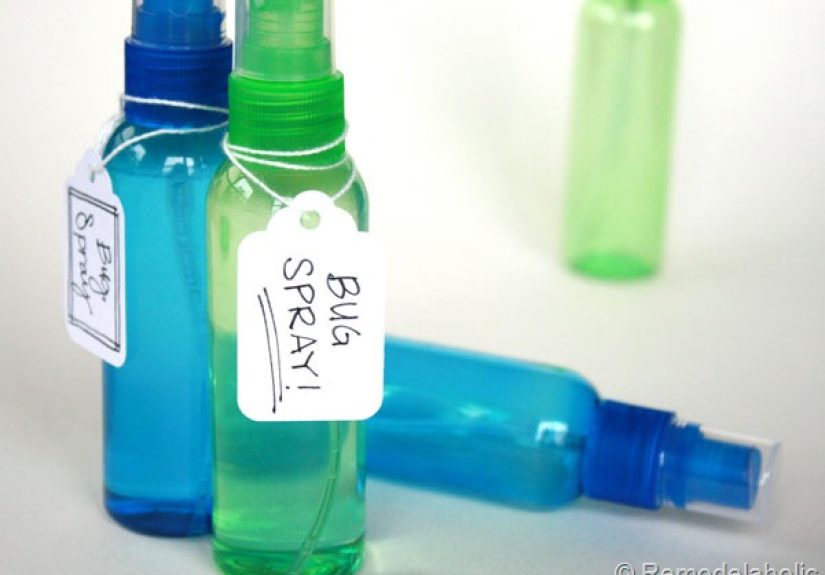
- Label it with the date and ingredients. Future You will be grateful.
How to use it
- Shake before each use.
- Spritz on exposed skin, then rub in evenly.
- Avoid eyes, mouth, broken skin, and hands of small children.
- Reapply as neededespecially after sweating.
Recipe 2: Aloe “Spray-Gel” Version (Less Drip, More Staying Power)
If you hate the “oops, I just misted my kneecap and it slid to my sock” feeling, try an aloe base. It spreads more evenly and feels soothing.
What you’ll need
- 3 oz bottle with a pump or spray top
- 2 oz aloe vera gel
- 1 oz witch hazel (or distilled water if you prefer)
- Essential oils (use a lighter hand than you think)
Simple blend
- 12 drops citronella
- 8 drops cedarwood
- 6 drops lavender
How to make it
- Add aloe to your bottle first.
- Add witch hazel/water.
- Add essential oils.
- Stir or swirl gently (shaking can foam up like a bubble bath audition).
Recipe 3: Clothes + Outdoor Gear Mist (For Quick Patio or Camp Setup)
This one is for clothing and gear (shirts, pant legs, socks, hats). It’s not a substitute for specialized fabric treatments,
but it can help for casual outdoor time when you want a light layer on your outfit.
What you’ll need
- 4 oz spray bottle
- 3 oz vodka (or witch hazel)
- 1 oz distilled water
- 15 drops citronella
- 10 drops lemongrass
- 6 drops cedarwood
How to use it
- Spray lightly on clothing outdoors, let dry, then wear.
- Test on a hidden seam first (some oils can discolor certain fabrics).
- Don’t spray near flamesalcohol-based mists are flammable until dry.
When Homemade Natural Spray Isn’t Enough
If you’re dealing with ticks, heavy mosquitoes, or you’re traveling/hiking in areas where bug-borne illness is a concern, consider stepping up your plan.
That can mean:
- Using an EPA-registered skin repellent (there are plant-derived options in registered products, too).
- Treating clothing and gear with proven fabric-only products made for that purpose.
- Doubling down on clothing barriers and doing tick checks after outdoor time.
Think of homemade bug spray like a screen door: fantastic for normal use, but you still wouldn’t take it scuba diving.
Safety Notes You’ll Actually Use
Patch test like a responsible adult (even if you don’t feel like one)
Try a small spot on your inner arm. Wait a few hours. If your skin gets cranky, dilute the blend or remove the “spicy” oils (peppermint, clove, cinnamon).
Keep it out of eyes and mouths
Apply to your hands first, then smooth onto your face/neck area if neededcarefully and sparingly. Never spray directly into your face.
Store smart
- Label the bottle with ingredients and date.
- Keep away from heat and sunlight.
- Keep out of reach of kids and pets.
Pets: use caution
Many essential oils shouldn’t be applied to pets or used heavily around them (especially via diffusers in small rooms). If you have cats,
be extra careful with strong oils and don’t spray where they’ll lick or rub.
Quick Troubleshooting
“My spray separates.”
Totally normal when you use water + oils. Shake before each spray. If you want less separation, use more alcohol-based carrier or a small amount of a
skin-safe solubilizer made for DIY body products.
“It smells amazing… but bugs still love me.”
Unfortunately, mosquitoes have opinions. Try reapplying more often, add a fan to your outdoor setup, and wear lightweight long sleeves for the highest-bite times.
If you’re in heavy-bug territory, consider switching to an EPA-registered repellent for better duration.
“My skin feels tingly.”
Peppermint and some eucalyptus oils can do that. Reduce the total oils, drop the peppermint, and try more lavender + cedarwood instead.
of Real-Life Experience: What I’ve Learned from DIY Bug Spray in the Wild
The first time I made homemade bug spray, I was feeling extremely confidentlike I’d just discovered fire, but for people who own mason jars.
I mixed witch hazel, a handful of essential oils, and labeled it with my neatest handwriting. Then I marched outside for a sunset patio dinner,
armed with my cute bottle and big DIY energy.
Ten minutes later, I was inside counting bites and negotiating with my ankles. That night taught me Lesson #1:
homemade natural bug spray is a helper, not a force field. It’s fabulous for quick chores and casual patio time,
but if you’re outdoors at prime mosquito o’clock (dusk, humidity, still air), you need more than vibes and lavender.
The next week, I tried againthis time with a better strategy. I sprayed my arms and legs, and put a fan near the seating area.
Suddenly, the experience improved dramatically. Lesson #2: airflow is underrated. Mosquitoes aren’t strong fliers, and a steady fan
changes the whole backyard mood from “open-air buffet” to “sorry, reservations are canceled.”
I also learned that different situations want different formulas. A watery spray feels refreshing but can vanish fast if you’re sweating.
When I switched to an aloe-based “spray-gel,” it stayed put better during gardeningespecially when I was kneeling, watering, and basically creating a
mosquito theme park with all the damp soil and still air. Lesson #3: base matters. If you want a little more staying power,
use a carrier that clings (like aloe) and expect to reapply less often.
My funniest moment was a “scientific test” that was not scientific at all: I sprayed one leg and forgot the other. The mosquitoes absolutely conducted
a peer review on my behalf. The sprayed leg got fewer bites, and the unsprayed leg looked like it had RSVP’d to a mosquito reunion. Lesson #4:
even coverage beats heroic over-spraying. A light, even layer you’ll actually apply is better than a strong blend you avoid because it’s too intense.
Finally, I learned my favorite truth: the best bug protection is layered. A decent DIY spray + a fan + long sleeves during peak hours + dumping standing water
around the patio gave me a summer I could actually enjoy. And when I knew I’d be in tick-heavy grass or deep woods, I didn’t try to “naturally manifest”
my way through itI used stronger, proven options and did tick checks afterward. Lesson #5: use the right tool for the job.
DIY bug spray is awesome… as long as you’re honest about what it can (and can’t) do.
Conclusion
Homemade all-natural bug spray can be a smart, budget-friendly way to make summer more comfortableespecially for quick outdoor time, porch lounging,
and everyday errands. The winning formula is simple: pick a skin-friendly carrier, keep essential oils diluted, apply evenly, and reapply when needed.
Then level up with practical “bug-proofing” habits like fans, long sleeves, and eliminating standing water.
Most importantly, match your protection to your situation. For light backyard use, a DIY blend is often enough. For tick-heavy hikes or high-bite areas,
consider stronger, longer-lasting options and fabric-based protection for clothing and gear. Your skin (and your ankles) deserve a summer that isn’t a snack.