Table of Contents >> Show >> Hide
- First Things First: What Opiate Withdrawal Feels Like
- Can You Detox from Opiates at Home?
- Home Remedies for Opiate Withdrawal That May Actually Help
- 1. Hydrate Like It’s Your Job
- 2. Eat Small, Bland Meals
- 3. Prioritize Sleep Hygiene, Even If Sleep Is Being Rude
- 4. Use Gentle Movement for Aches, Anxiety, and Restlessness
- 5. Try Heat for Muscle Pain and Cramps
- 6. Breathe on Purpose
- 7. Build a No-Drama Comfort Zone
- 8. Ask Someone to Check In on You
- 9. Talk to a Clinician About Symptom Relief
- 10. Keep Naloxone Nearby
- What Not to Do During Opiate Withdrawal
- When Home Care Is Not Enough
- The Best Treatment Is Usually Not a “Home Remedy”
- What Experiences With Opiate Withdrawal Often Look Like
- Conclusion
- SEO Tags
Let’s get one thing straight right away: home remedies for opiate withdrawal can help with comfort, but they are not a replacement for medical treatment. They are the supporting cast, not the movie star. If you are dealing with withdrawal from heroin, oxycodone, hydrocodone, fentanyl, morphine, methadone, or another opioid, the safest plan is to talk with a clinician. Medication treatment works better than trying to white-knuckle your way through it, and it can lower the risk of relapse and overdose.
Still, plenty of people search for ways to make opiate withdrawal at home less miserable. That makes sense. Withdrawal can feel like having the flu, a stomach bug, a panic attack, and a bad night’s sleep all at once. Glamorous? Not exactly. Real? Absolutely.
This guide explains which home remedies may actually help, what they can and cannot do, when to get medical help, and why evidence-based treatment matters. The title uses the phrase “opiate withdrawal” because that is what many people search, but medically, opioid withdrawal is usually the broader and more accurate term.
First Things First: What Opiate Withdrawal Feels Like
Withdrawal happens when your body has adapted to opioids and then suddenly gets less of them or none at all. Symptoms vary depending on the drug, the dose, how long you used it, and whether you are stopping cold turkey or tapering. In general, common symptoms include:
- anxiety, restlessness, and irritability
- muscle aches, joint pain, and chills
- sweating, yawning, watery eyes, and a runny nose
- nausea, vomiting, diarrhea, and stomach cramps
- insomnia and intense cravings
- a racing heart and feeling generally awful
For short-acting opioids, symptoms can start fairly quickly. For longer-acting opioids like methadone, withdrawal may start later and last longer. In many cases, the worst of acute withdrawal passes in several days, but sleep problems, mood changes, and cravings can linger longer. That is one reason why “just detoxing” is often not enough.
Can You Detox from Opiates at Home?
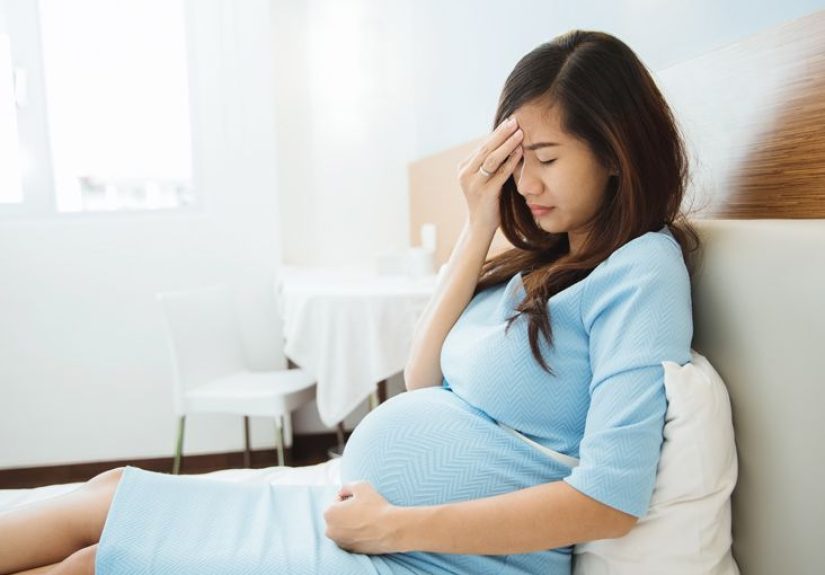
Sometimes people do go through withdrawal at home, especially if symptoms are mild, they are tapering with medical guidance, or they are waiting to start formal treatment. But detoxing from opioids at home is not ideal for everyone. It is riskier if you are pregnant, have a history of overdose, have severe vomiting or diarrhea, have serious mental health symptoms, are using multiple substances, or are stopping methadone or other long-acting opioids.
There is also a trap that does not get enough attention: once your tolerance drops, using opioids again can lead to overdose much more easily. In other words, the body that handled a certain amount of opioids before withdrawal may not handle that same amount later. That is why any article on home remedies for opiate withdrawal should also talk about naloxone, treatment, and relapse prevention.
Home Remedies for Opiate Withdrawal That May Actually Help
1. Hydrate Like It’s Your Job
Diarrhea, vomiting, sweating, and poor appetite can leave you dehydrated fast. That can make headaches, dizziness, weakness, and muscle cramps feel even worse. Sip fluids regularly, even if you do not feel like it. Water is great, but if you have diarrhea or vomiting, an oral rehydration solution is often better because it replaces fluids and electrolytes.
Simple options include electrolyte drinks, broth, or pharmacy oral rehydration products. If your stomach is touchy, take tiny sips every few minutes instead of chugging a giant glass like you are trying to win a hydration medal.
2. Eat Small, Bland Meals
Your digestive system may act like it has filed a formal complaint. Large meals can be hard to handle during withdrawal, so think small, bland, and frequent. Crackers, toast, rice, bananas, applesauce, soup, oatmeal, potatoes, and simple sandwiches are often easier to tolerate than heavy, greasy meals.
If diarrhea is part of the chaos, salty foods and potassium-rich foods can help replace what you are losing. Bananas, soup, crackers, and potatoes are not exciting, but neither is throwing up your lunch. This is not the moment to prove you can handle buffalo wings.
3. Prioritize Sleep Hygiene, Even If Sleep Is Being Rude
Insomnia is one of the most frustrating opioid withdrawal symptoms. You may feel exhausted but still unable to fall asleep. While home remedies cannot knock withdrawal-related insomnia out cold, they can improve your odds.
- Keep the room cool, dark, and quiet.
- Go to bed and wake up at roughly the same time.
- Avoid caffeine late in the day.
- Avoid alcohol as a “sleep aid.” It can backfire and be dangerous.
- Do something calming before bed, like journaling, light reading, gentle stretching, or a breathing exercise.
- If you cannot sleep, get up and do something relaxing instead of doom-scrolling in bed.
Good sleep hygiene will not magically turn withdrawal into a spa retreat, but it can reduce the chaos around bedtime.
4. Use Gentle Movement for Aches, Anxiety, and Restlessness
When your body feels like it wants to crawl out of its own skin, gentle movement can help. Walking, light stretching, easy yoga, or a slow bike ride may ease muscle tension and improve mood. You are not training for a marathon here. You are trying to remind your nervous system that it still lives in a body, not a tornado.
Moderate activity may also help with stress, pain, and sleep. The key word is gentle. If you are weak, dehydrated, or actively vomiting, a walk to the mailbox may be enough for the day.
5. Try Heat for Muscle Pain and Cramps
Muscle aches are common during opiate withdrawal, and heat can be soothing. A warm bath, hot shower, warm compress, or heating pad on a low setting may relax tight muscles and make the pain feel less sharp. This is one of the simplest home remedies for opiate withdrawal, and for many people, it is one of the most comforting.
Basic rule: warm, not scorching. And do not fall asleep on a heating pad unless your long-term goal is to become a cautionary tale.
6. Breathe on Purpose
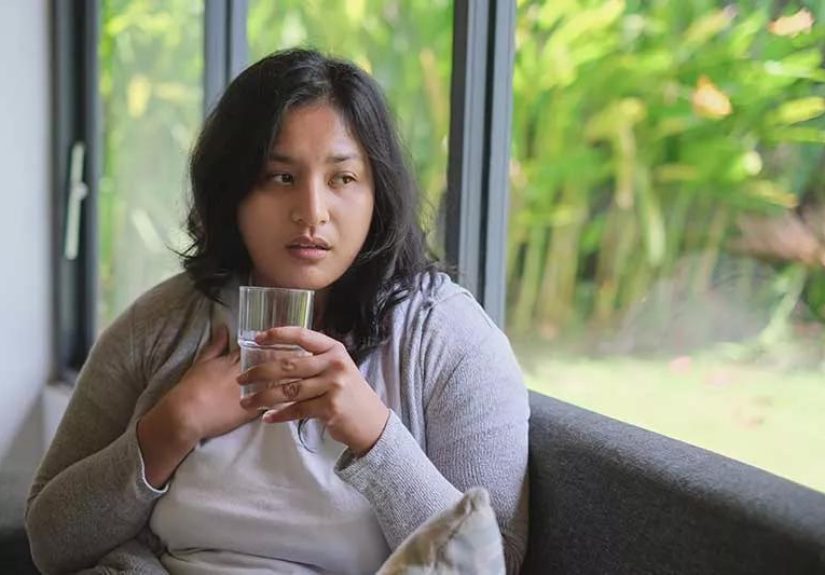
Withdrawal often comes with anxiety, agitation, and the very strange sense that your body is running a fire drill for no reason. Deep breathing, guided relaxation, meditation apps, calming music, and grounding exercises can take the edge off. These strategies do not erase withdrawal, but they can lower the volume.
Try a simple pattern like inhaling for four seconds, holding briefly, and exhaling for six seconds. Repeat for a few minutes. If that feels too formal, even slow breathing while listening to music can help.
7. Build a No-Drama Comfort Zone
Set up your environment before symptoms peak. Keep water, easy foods, clean clothes, a trash can, medication prescribed by your clinician, wipes, tissues, and blankets nearby. A practical setup sounds boring until you are sweating, cramping, and trying to find clean socks at 3 a.m. Then it becomes genius.
Comfort matters. Withdrawal is not the time to live in a loud, chaotic space full of stress, conflict, or easy access to triggers.
8. Ask Someone to Check In on You
One of the smartest “home remedies” is not really a remedy at all. It is support. Ask a trusted friend, partner, family member, sponsor, or counselor to check in. That person can encourage you to drink fluids, help you get care if symptoms worsen, and be there if cravings spike.
Withdrawal tends to isolate people, and isolation is not helpful. Support is not weakness. It is strategy.
9. Talk to a Clinician About Symptom Relief
Some people use the term “home remedies” to mean herbs, supplements, or whatever the internet’s weirdest uncle recommends. A safer definition is supportive care at home plus clinician-approved symptom relief. Depending on your situation, a clinician may recommend medicines for nausea, diarrhea, sleep trouble, pain, or withdrawal itself.
If your provider says they are safe for you, common over-the-counter options may help with body aches or diarrhea. But this is not a freestyle chemistry project. Ask before combining products, especially if you have kidney disease, liver disease, heart problems, high blood pressure, or take other medications.
10. Keep Naloxone Nearby
This may not sound like a classic home remedy, but it is one of the most important safety steps. If someone relapses after withdrawal, their lowered tolerance can increase overdose risk. Naloxone can reverse an opioid overdose in an emergency. Keep it in the home, and make sure someone around you knows how to use it.
Think of naloxone as a fire extinguisher. You hope you never need it. You still absolutely want it in the house.
What Not to Do During Opiate Withdrawal
Do Not Rely on Kratom
Kratom is often promoted online as a natural fix for opioid withdrawal. That sales pitch is much smoother than the reality. Kratom can cause dependence, withdrawal symptoms of its own, and other health problems. “Natural” is not the same thing as “safe,” just as “gluten-free” is not automatically the personality trait some people think it is.
Do Not Use Alcohol or Random Sedatives to Knock Yourself Out
Using alcohol or non-prescribed sedatives to force sleep or calm anxiety can be dangerous, especially when opioids are still in your system or if relapse happens. Mixing opioids with alcohol or benzodiazepines raises the risk of serious breathing problems and overdose. If you are struggling with sleep or panic, ask a clinician for a safer plan.
Do Not Assume Withdrawal Means You Failed
Withdrawal is not a moral verdict. It is a physical sign that the body adapted to opioids. Shame is not treatment, and self-loathing is not a recovery plan. If you need medication treatment, counseling, or a higher level of care, that is not “cheating.” It is evidence-based medicine.
When Home Care Is Not Enough
Get urgent medical help if:
- you cannot keep fluids down
- you have signs of severe dehydration, such as dizziness, very dark urine, faintness, or confusion
- you have severe diarrhea or vomiting that will not let up
- you have thoughts of suicide or feel unsafe
- you are pregnant
- you are stopping methadone, using multiple substances, or have a serious medical condition
If you are in immediate danger or thinking about self-harm, call emergency services or 988 right away. For substance use treatment in the United States, SAMHSA’s National Helpline at 1-800-662-HELP (4357) can connect you with treatment and support.
The Best Treatment Is Usually Not a “Home Remedy”
Here is the part that deserves bold letters and a marching band: the most effective treatment for opioid withdrawal and opioid use disorder usually includes medication. Buprenorphine, methadone, and naltrexone are evidence-based options used in treatment, and they are often combined with counseling and follow-up care.
Why does this matter? Because withdrawal management alone is not the same thing as treatment for opioid use disorder. You can survive the withdrawal phase and still face cravings, relapse risk, overdose risk, and sleep or mood problems afterward. That is why the best articles on home remedies for opiate withdrawal should not pretend soup and positive affirmations are enough. Helpful? Yes. Sufficient for many people? No.
If you have been taking prescription opioids for more than a week or so, or if you think your opioid use has become hard to control, ask a healthcare professional how to taper or start treatment safely. That conversation can change the whole outcome.
What Experiences With Opiate Withdrawal Often Look Like
People describe opiate withdrawal in remarkably similar ways, even when their stories start in very different places. One person may have begun with prescribed pain pills after surgery. Another may have been using heroin or fentanyl. Another may have been on long-term opioids for chronic pain and reached the point where stopping felt harder than continuing. The common thread is usually not weakness. It is surprise. Many people say they did not expect the body to react so strongly when opioids were reduced or stopped.
A common experience is that the first stage feels like a nasty flu with an anxiety soundtrack. There may be yawning, sweating, watery eyes, goosebumps, and body aches that seem outsized compared with what is happening. Then the stomach symptoms often show up and steal the spotlight. Nausea, cramping, diarrhea, and vomiting can make a person feel wrung out and discouraged very quickly. Sleep often becomes the most irritating casualty. People are exhausted, but their bodies stay restless, twitchy, and wide awake at exactly the moment they want oblivion.
Another pattern people describe is the emotional whiplash. One hour may feel determined and focused. The next may feel panicked, hopeless, angry, or deeply uncomfortable in their own skin. Cravings can surge not because someone wants to get high, but because they want the symptoms to stop. That distinction matters. It is one reason treatment providers take withdrawal seriously and do not reduce it to a matter of “just trying harder.”
Many people also say the small comforts matter more than expected. A hot shower. Clean sheets. A friend texting back. Crackers that stay down. A walk around the block. Music that calms the noise in the brain. These things do not cure withdrawal, but they can make one miserable hour slightly more manageable, and sometimes recovery is built one manageable hour at a time.
Then there is the part after the acute symptoms. People often expect that once the worst physical symptoms fade, everything should snap back to normal. Not always. Sleep can stay messy. Mood can feel flat. Energy can be low. Cravings can pop up at inconvenient times, like when stress hits or an old trigger appears. That post-withdrawal stretch is where many people realize they need more than home remedies. They need a plan. That may include buprenorphine or methadone, counseling, support groups, naloxone, or simply a doctor who knows how to taper safely and stay involved.
The encouraging part is that people also describe relief when they stop trying to do everything alone. Once support enters the picture, whether medical, emotional, or both, the process often becomes less chaotic. Recovery rarely looks neat, but it does become more possible.
Conclusion
Home remedies for opiate withdrawal can make a hard stretch more tolerable. Hydration, bland meals, heat, sleep hygiene, gentle movement, stress reduction, and social support can all help. But they are best used as supportive tools, not as a substitute for real treatment.
If withdrawal symptoms are severe, if you are pregnant, if you are worried about relapse, or if opioids have become something you cannot easily control, medical help is the smart move. The safest takeaway is simple: use home care for comfort, use professional care for recovery, and keep naloxone close because lowered tolerance can turn a relapse into an emergency.