Table of Contents >> Show >> Hide
- What Counts as a Home Makeover?
- Step One: Plan Like a Pro (So You Don’t “Redo the Redo”)
- High-Impact Makeover Moves (That Don’t Require a New Address)
- Room-by-Room Home Makeover Ideas
- Curb Appeal: The Makeover Everyone Sees First
- Energy-Smart Makeovers (Comfort Now, Savings Later)
- DIY vs. Pro: Knowing When to Call Backup
- Common Makeover Mistakes (And How to Avoid Them)
- Three Example Home Makeover Roadmaps (With Realistic Impact)
- Final Thoughts: The Best Makeover Is the One That Fits Your Life
- Real-Life Home Makeover Experiences (Lessons That Don’t Show Up in the Paint Aisle)
A home makeover is basically the art of making your space feel new againwithout necessarily tearing it down to the studs
and living in a dust storm for six months. Sometimes it’s a full renovation. More often, it’s a smart sequence of
upgrades that improve how your home looks, how it works, and how it feels to live in.
The secret sauce isn’t “buy trendier pillows” (although pillows do try their best). It’s choosing changes that give you
the biggest boost in comfort, function, and style for the time and money you’re actually willing to spend. If you plan it
right, a makeover can also support resale value by focusing on improvements buyers consistently noticeclean, bright,
well-maintained spaces; kitchens and baths that feel current; and curb appeal that says “welcome,” not “witness me.”
What Counts as a Home Makeover?
Think of home makeovers as a spectrum:
- Refresh: paint, lighting, hardware, styling, better layout, decluttering, and repairs.
- Update: replacing select finishes or fixtures (vanity, faucet, backsplash, flooring in one room).
- Remodel: changing built-ins, surfaces, or layout (kitchen/bath remodel, removing a wall, adding storage).
- Renovation: bigger systems and structurewindows, insulation, HVAC, electrical, plumbing, additions.
Most successful makeovers mix the first two. Why? Because they’re lower-risk, easier to control, and still dramatic in
photosespecially if you layer improvements in the right order.
Step One: Plan Like a Pro (So You Don’t “Redo the Redo”)
The fastest way to blow a makeover budget is to improvise your way through itlike a cooking show, but with fewer snacks
and more receipts. A simple plan keeps you from buying things twice and doing things out of sequence.
Start with a “Why” and a “Where”
Ask two questions before you pick a paint color:
- Why are we doing this? Comfort? Storage? Better flow? More light? Getting ready to sell?
- Where will we feel it most? Entry, kitchen, living room, primary bedroom, main bath.
Your “why” becomes your filter. If your goal is calm, a maximalist gallery wall of 97 frames might be… emotionally
energetic. If your goal is resale, super-specific choices (like neon grout) can limit appeal.
Budget with Reality, Not Vibes
Even smaller projects have hidden costs: delivery fees, patching, disposal, tool upgrades, or the famous “oh no” moment
when you discover the previous owner’s DIY was held together with optimism. If your makeover touches structural work,
plumbing, electrical, or exterior changes, plan for local permits and inspections; depending on scope and location, those
costs can be meaningful and vary widely.
Pick Your Makeover Sequence
A practical order of operations prevents damage to finished work:
- Fix what’s broken: leaks, bad outlets, sticky doors, cracked tiles.
- Messy work first: drywall patches, sanding, demolition, major repairs.
- Paint next: ceilings, walls, trim (or trim then wallschoose your method, but commit).
- Then floors: refinishing or replacing after most heavy traffic is done.
- Finish with details: lighting fixtures, hardware, styling, and organization systems.
If you’re doing multiple rooms, try a “one zone at a time” approach so your home doesn’t become a museum exhibit called
Life, But Make It Cardboard Boxes.
High-Impact Makeover Moves (That Don’t Require a New Address)
Paint: The Cheapest Mood Swing You Can Buy
Paint is the makeover MVP because it’s visual, fast, and flexible. The key is prep: clean walls, patch holes, sand
rough spots, and use primer where needed. For a modern look, many homeowners lean toward soft whites, warm neutrals,
and muted colors with depth (think “calm latte,” not “paper towel”).
- Ceilings: Fresh white makes rooms feel taller and brighter.
- Trim: Crisp trim can make even older homes look sharp and intentional.
- One accent moment: A powder room or a single wall can handle bolder color without overwhelming the whole house.
Lighting: The Makeover You Feel (Even If You Don’t Notice Why)
Lighting changes everythingliterally. A room can have nice furniture and still feel “off” if the lighting is harsh,
dim, or one-note. Aim for layers:
- Ambient: overhead or general room lighting.
- Task: where you actually do things (reading, cooking, grooming).
- Accent: adds warmth and dimension (lamps, picture lights, sconces).
A simple upgrade is swapping old fixtures for something scaled correctly and adding lamps where you have dark corners.
In kitchens, task lighting on work surfaces is especially importantunder-cabinet lighting can be a small change that
makes the entire room feel more functional and high-end.
Declutter + Re-Layout: The “Free Renovation”
Before you buy a single basket, subtract. Decluttering creates instant breathing room and makes your existing stuff look
better. After that, re-layout furniture for clear walking paths and better conversation zones. If a room feels cramped,
it often needs fewer pieces, larger-scale anchor items (like the right rug size), and more negative spaceaka the design
equivalent of letting your home exhale.
Textiles and “Soft Architecture”
Curtains, rugs, and bedding can make a home feel finished. The biggest rookie mistake is going too small, especially
with rugs. A properly sized rug can visually “expand” the room and make furniture arrangements feel intentional.
- Living room: aim for a rug large enough that at least the front legs of main seating sit on it.
- Bedroom: layer a large rug under the bed to soften the room and reduce echo.
- Windows: hang curtains higher and wider to make windows feel bigger and ceilings feel taller.
Hardware and Fixtures: Small Parts, Big Energy
Swapping dated cabinet pulls, faucet fixtures, towel bars, and door handles is one of the most satisfying “before/after”
moves. Keep finishes consistent within a room (you can mix finishes, but do it intentionallylike a designer, not like
a raccoon collecting shiny objects).
Room-by-Room Home Makeover Ideas
Kitchen Makeover (Without a Full Remodel)
Kitchens are high-visibility and high-useso even small updates hit hard. If you’re not changing the layout, focus on
cleanliness, lighting, and cohesive finishes.
- Cabinet refresh: paint or refinish; add modern pulls.
- Lighting upgrade: add under-cabinet lighting + update overhead fixture.
- Faucet swap: a new faucet can “modernize” the sink wall instantly.
- Backsplash: tile if budget allows; high-quality peel-and-stick if not.
- Organization: pull-out trash, drawer dividers, lazy Susansfunction is the real luxury.
If you are adjusting layout or adding seating, basic clearance guidelines can keep the kitchen comfortablewalkways often
need enough space for traffic and for appliance doors and drawers to work without collisions. Planning around traffic
flow and work zones is how you avoid the classic “two people enter, one person leaves” kitchen problem.
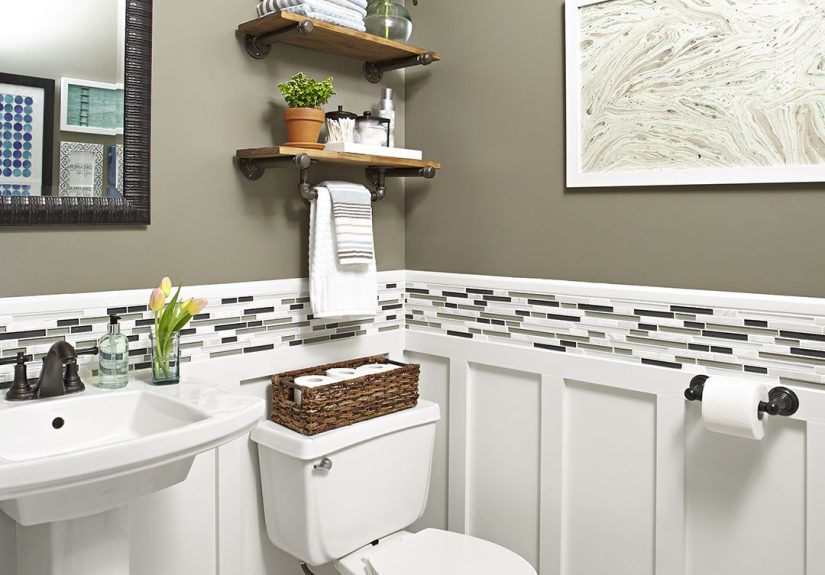
Bathroom Makeover (The Highest “Wow per Square Foot”)
Bathrooms are small, which means upgrades feel dramatic. A makeover plan might look like:
- Replace mirror + lighting (instant improvement).
- Update vanity hardware and faucet.
- Refresh paint and add moisture-friendly finishes.
- Upgrade showerhead and fixtures for comfort and efficiency.
Water-efficient fixtures can reduce water use without turning your shower into a sad drizzle. For example, WaterSense-labeled
showerheads are designed to use no more than 2.0 gallons per minute, compared with standard showerheads that are typically
around 2.5 gallons per minute, while still meeting performance criteria.
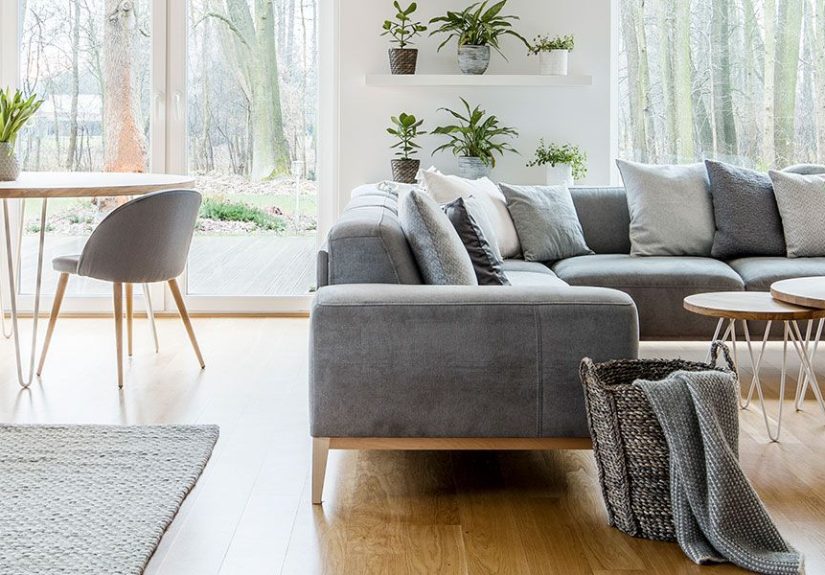
Living Room Makeover (Make It Feel Bigger, Brighter, Better)
Living rooms are often “fine,” which is the design version of faint praise. The makeover formula:
- Scale: choose a rug and coffee table that fit the room and seating size.
- Flow: create clear paths; don’t make people shuffle sideways like they’re in a crowded elevator.
- Lighting layers: at least two light sources beyond overhead.
- One focal point: art, fireplace, built-ins, or a statement piecegive the room a “main character.”
Bedroom Makeover (Sleep Is the Ultimate Luxury)
Bedrooms should feel restful, not like a storage unit with a mattress. Prioritize:
- Calm color: soft tones and low-gloss finishes.
- Textile layers: quality bedding, throw, pillows (not 14 decorative pillows unless you enjoy nightly pillow management).
- Hidden storage: under-bed bins, nightstands with drawers, closet systems.
- Light control: blackout curtains or shades if you want better sleep.
Curb Appeal: The Makeover Everyone Sees First
If your home were a movie, curb appeal is the opening scene. Exterior improvements can be surprisingly effective even in
a single weekend:
- Front door refresh: paint, new hardware, updated house numbers.
- Lighting: replace old exterior fixtures for better brightness and style.
- Clean: pressure wash siding, walkway, and porch.
- Greenery: planters and simple landscaping for color and structure.
- Entry clarity: clean doormat, trimmed bushes, visible pathway.
The magic of curb appeal is that it signals care. Even modest homes look more valuable when they look maintained and
thoughtfully presented.
Energy-Smart Makeovers (Comfort Now, Savings Later)
The best makeovers aren’t only cosmetic. Comfort upgrades can reduce drafts, improve temperature consistency, and help
manage utility billsespecially in older homes.
Seal Air Leaks and Add Insulation
Air sealing and insulation are classic “adulting” upgrades: not glamorous, but you’ll feel the difference every day.
Sealing leaks around doors, windows, and other gaps plus improving insulation can improve comfort and help reduce annual
energy costs. Even simple fixes like caulk and weatherstripping can be meaningful, and bigger jobs often focus on the
attic and other major leakage points.
Smart Thermostats: Small Tech, Real Results
Smart thermostats can help many households save money by optimizing heating and cooling schedules and reducing runtime
when no one’s home. They’re also a “set it and forget it” upgradeideal for people who do not want to manually micromanage
temperatures like a DJ controlling the vibe.
Efficient Heating and Cooling Choices
If your HVAC system is aging, efficiency upgrades may improve comfort and reduce operating costs. Air-source heat pumps,
for example, can provide both heating and cooling and are widely used in many climates. The right choice depends on your
home, region, and existing systemsbut it’s worth considering as part of a long-term makeover plan.
DIY vs. Pro: Knowing When to Call Backup
DIY is great for paint, hardware swaps, styling, basic landscaping, and many organization upgrades. Call professionals
when projects involve:
- Electrical work beyond simple fixture replacement
- Plumbing changes that move supply lines or drains
- Structural changes like removing walls or altering framing
- Major exterior changes that require permits, inspections, or code compliance
If permits are needed, factor them into your schedule and budget. Depending on the project and location, permit and
inspection fees can add up, and multiple inspections may be required for certain renovations.
Hiring Tips That Save You Stress
- Get multiple quotes and compare scope, not just price.
- Ask about licensing, insurance, and how change orders are handled.
- Request a realistic timeline with milestones.
- Put everything in writingmaterials, payment schedule, and warranty details.
Common Makeover Mistakes (And How to Avoid Them)
- Skipping prep: paint and finishes only look as good as the surface underneath.
- Buying before measuring: “It looked smaller online” is not a remodeling strategy.
- Ignoring lighting temperature: mismatched bulbs can make rooms feel weirdly green or oddly cold.
- Going trendy in permanent finishes: save bold trends for paint and decor, not expensive tile.
- Forgetting storage: a “pretty” room that can’t hold real-life stuff becomes cluttered fast.
- Over-upgrading one room: keep the home balanced so the kitchen doesn’t look like it moved in from 2040.
Three Example Home Makeover Roadmaps (With Realistic Impact)
1) The Weekend Reset (Under $300)
- Declutter one hot spot (entry, kitchen counters, or living room).
- Swap bulbs for consistent color temperature and better brightness.
- Add a new showerhead or faucet aerator if yours is outdated.
- Refresh with one high-impact decor change: a rug, curtains, or bedding.
This makeover is less about “buying” and more about tightening up the home’s visual noise. It’s the difference between
“we live here” and “we live here and we have a plan.”
2) The One-Room Glow-Up ($1,000–$2,500)
- Paint walls and trim with proper prep.
- Upgrade overhead lighting and add at least two lamps.
- Replace hardware (pulls, door handles) with a cohesive finish.
- Add storage: closed cabinets or attractive baskets where clutter gathers.
Great for a living room, bedroom, or home office. You get a strong before/after without touching layout or major systems.
3) The Resale-Ready Refresh ($7,500–$15,000)
- Neutral interior paint in key spaces + professional touch-ups where needed.
- Kitchen mini-update: lighting, faucet, hardware, possibly backsplash or countertop depending on condition.
- Bathroom refresh: mirror, lighting, fixtures, recaulk/regrout, WaterSense upgrades.
- Curb appeal: front door paint, exterior lighting, landscaping clean-up, pressure wash.
This roadmap focuses on the spaces buyers notice most, plus the “first impression” factor. It’s also modularyou can do
it in phases if time is tight.
Final Thoughts: The Best Makeover Is the One That Fits Your Life
A great home makeover is not measured by how many rooms you touchedit’s measured by how much better your home supports
your real day-to-day life. Start with function (flow, storage, light, comfort), then layer in style. If you keep your
plan simple, your choices cohesive, and your timeline realistic, you’ll end up with a home that feels refreshed, more
valuable, andmost importantlymore enjoyable to live in.
Real-Life Home Makeover Experiences (Lessons That Don’t Show Up in the Paint Aisle)
People rarely talk about the emotional side of home makeovers, but it’s real. Not “tears over grout lines” real (although
that happens), but the way small improvements can change your daily mood. One homeowner described repainting their
hallway and updating the overhead light as “turning down the background stress.” Nothing about the home’s structure
changedyet every day felt a little smoother, because the entry stopped looking like a dim tunnel and started looking
like a welcome.
Another common experience: the domino effect. You replace one thing and suddenly everything around it
looks tired. A new faucet makes old cabinet pulls look dated. New pulls make the old light fixture look like it’s
auditioning for a retro horror film. This isn’t a failureit’s a reminder to plan a small set of coordinated
upgrades per room (finish, lighting, paint) so your makeover reads as intentional. People who are happiest with the
result usually commit to a simple “capsule” for the space: two finishes, one wall color, one accent color, and a repeat
material (like wood tone or black metal) to tie it together.
Many homeowners also report that the biggest surprise isn’t a design issueit’s time. Painting takes
longer than expected because prep is a full project by itself. Furniture rearranging becomes a mini workout. Deliveries
show up in multiple boxes, sometimes on different days, as if the items are traveling separately to preserve their
independence. The win here is scheduling: people who set “micro-deadlines” (patch Tuesday, paint Wednesday, install
Thursday) avoid the slow fade into a half-finished room that becomes the new normal.
Energy upgrades bring a different kind of satisfaction. Homeowners who seal drafts and improve insulation often say the
home feels “quieter” and more even in temperatureespecially near windows and exterior doors. It’s not just about saving
money; it’s about not feeling a cold breeze sneak up on your ankles like it owes you money. And once comfort improves,
people use rooms differently: that back office becomes a real office, that chilly guest room gets used more, and the
living room becomes the place everyone naturally gathers.
Finally, there’s the “photograph test.” After a makeover, many people take photos and notice issues they didn’t see in
personcrooked art, mismatched bulbs, clutter on counters, or a rug that’s clearly too small. The experience-based tip:
take a quick photo of the room before you buy more decor. If something looks off in the photo, fix layout and
lighting first. Styling should be the last 10%, not the first solution. Home makeovers feel best when the room works
beautifully on a random Tuesdaynot just when you’ve hidden the laundry basket behind a chair like it’s in witness
protection.