Table of Contents >> Show >> Hide
- What Is Holy Basil, Exactly?
- Holy Basil Benefits for Your Brain
- Holy Basil Benefits for Your Body
- Why Holy Basil Feels Appealing in Real Life
- How to Use Holy Basil Without Getting Carried Away
- Side Effects, Risks, and Who Should Be Careful
- So, Is Holy Basil Worth Trying?
- What the Experience of Using Holy Basil Can Be Like in Real Life
- Conclusion
- SEO Tags
Holy basil has one of the best public relations teams in the plant kingdom. It is fragrant, pretty, easy to brew into tea, and wrapped in centuries of traditional use. In wellness circles, it is often introduced with dramatic fanfare: “adaptogen,” “stress fighter,” “brain booster,” “immune hero.” That is a lot to ask from one leafy herb. Still, holy basil has managed to earn more scientific attention than many other botanical supplements, which is why it keeps showing up in conversations about stress, focus, sleep, blood sugar, and overall resilience.
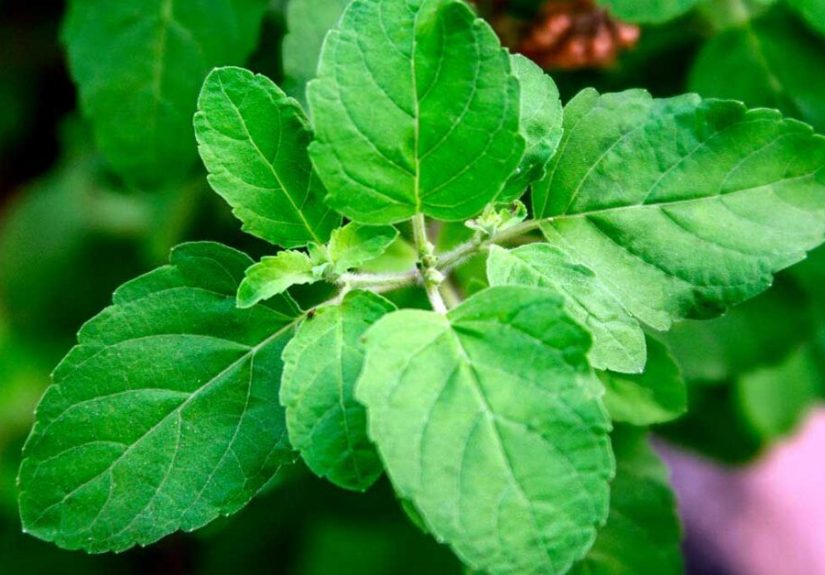
Also called tulsi and usually identified as Ocimum tenuiflorum or Ocimum sanctum, holy basil is not the same as the sweet basil you toss into pasta sauce. It belongs to the same plant family, but it plays a different role in both cooking and herbal medicine. The research so far suggests that holy basil may support the body’s response to stress, and it may also have modest benefits for metabolic health, inflammation, and sleep. The catch, because there is always a catch, is that most human studies are still fairly small and short-term.
So where does that leave us? In a refreshingly sensible place. Holy basil is interesting, promising, and worth understanding. It is not magic. It is not a replacement for sleep, therapy, movement, medication, or a balanced diet. But as part of a thoughtful wellness routine, it may offer benefits for both your brain and your body.
What Is Holy Basil, Exactly?
Holy basil is an aromatic herb long used in Ayurvedic practice. Its leaves contain naturally occurring compounds such as eugenol, ursolic acid, beta-caryophyllene, linalool, and 1,8-cineole. These plant compounds are thought to contribute to the herb’s antioxidant, anti-inflammatory, and stress-modulating effects. That sounds wonderfully scientific, and it is, but here is the practical translation: holy basil appears to influence several systems at once rather than acting like a one-trick supplement.
That broad activity is part of why it is often called an adaptogen. The idea behind adaptogens is that they may help the body respond more efficiently to stressors, whether those stressors are emotional, physical, or environmental. This does not mean holy basil makes stress disappear like a magician pulling a rabbit from a hat. It means the herb may help soften the physiological ripple effects of stress, which can include poor sleep, mental fatigue, mood changes, and unhealthy metabolic patterns.
Holy Basil Benefits for Your Brain
1. It may support a calmer stress response
The strongest and most consistent reason people reach for holy basil is stress. Small clinical studies have found that certain holy basil extracts may improve perceived stress, mood, and feelings of overwhelm. Some research also suggests an effect on cortisol-related pathways, which helps explain why people describe the herb as calming without necessarily being heavily sedating.
That distinction matters. Plenty of things can make you less stressed if they also make you too sleepy to remember your own email address. Holy basil seems more likely to be described as “steadying” than “knockout.” People who feel mentally fried, emotionally frazzled, or stretched thin may be drawn to that middle ground.
2. It may help attention and mental clarity
Holy basil is not a stimulant, so do not expect it to perform like three espressos and a motivational speech. But some early human research suggests it may improve certain aspects of attention, memory, and cognitive performance. The effect, at least from the current evidence, looks modest rather than dramatic. Think “less mental static” instead of “sudden genius montage.”
This may be one reason holy basil remains popular among people who want to feel a little more mentally organized under pressure. If stress is constantly hijacking your focus, even a small improvement in calm attention can feel meaningful.
3. It may improve sleep quality in stressed adults
Sleep is where the brain and body negotiate their peace treaty. When stress rises, sleep often suffers first. A more recent placebo-controlled trial suggests holy basil extract may improve subjective sleep quality in adults dealing with stress. That does not make it a guaranteed insomnia cure, and the research is not yet strong enough to crown it the king of bedtime. But it does suggest that holy basil may be helpful when stress and restless sleep travel as a duo.
If your sleep problems are being driven by a racing mind, constant tension, or that familiar “I am tired but somehow still operating like a browser with forty tabs open” feeling, holy basil may be more relevant than if your sleep issues are caused by sleep apnea, pain, or an erratic schedule.
Holy Basil Benefits for Your Body
1. It may support healthy blood sugar and metabolic markers
This is where holy basil gets especially interesting. Human research and reviews suggest the herb may help lower fasting blood glucose and may improve some lipid markers in adults with metabolic issues. Some small studies have also reported favorable shifts in blood pressure and body composition measures.
That does not mean everyone should run out and replace medical care with an herb jar and optimism. It means holy basil may be a useful complement in a broader plan that already includes an appropriate diet, movement, weight management if needed, and clinician-guided care. For people with prediabetes, type 2 diabetes, or other metabolic concerns, this is exactly why a healthcare conversation matters. If a supplement can nudge blood sugar down, it can also interact with medications that do the same thing.
2. It may help cool low-grade inflammation
Holy basil’s plant compounds appear to have antioxidant and anti-inflammatory activity, which is one reason it has attracted attention in both traditional medicine and modern research. Chronic inflammation is associated with a long list of health concerns, from cardiovascular disease to metabolic disorders. That does not mean holy basil is a universal solution, but it does make the herb biologically plausible as a supportive tool.
Put simply, the body tends to work better when it is not constantly fighting a smoldering internal drama. Anything that helps reduce oxidative stress or inflammatory signaling may have broad downstream benefits, even if those benefits are modest.
3. It may offer light immune and respiratory support
Some small studies and reviews suggest holy basil may have benefits related to immune function and airway inflammation. That is part of why the herb often appears in teas marketed for seasonal support. Still, this is an area where marketing usually sprints ahead of evidence. Holy basil may be supportive, but it should not be treated as a substitute for standard treatment when you are actually sick.
If you enjoy holy basil tea during cold season, that is reasonable. If you think it can single-handedly outsmart every virus known to humankind, that is the tea talking.
Why Holy Basil Feels Appealing in Real Life
One reason holy basil has staying power is that it fits easily into daily life. It can be taken as a tea, capsule, tincture, or powdered herb. The flavor is a little peppery, a little clove-like, and much more interesting than plain hot water pretending to be wellness. For many people, part of the benefit may come from the ritual itself. A warm mug, five quiet minutes, slower breathing, fewer notifications, better decisions. That is not fake. That is biology meeting routine.
At the same time, it is worth remembering that most of the more specific research has been done on extracts, not casual sips of tea. So if you drink holy basil tea and expect a precise clinical effect, you may be asking a tea bag to do laboratory work. Tea can still be useful and enjoyable, but it is not identical to a standardized supplement.
How to Use Holy Basil Without Getting Carried Away
Tea
Tea is the gentlest entry point. It is simple, familiar, and easy to fit into a morning or evening routine. People who want a calming ritual rather than a highly targeted supplement often start here.
Capsules or extracts
Supplements are more concentrated and closer to what has been studied in clinical trials. Doses in research have varied widely, so there is no single universal dosage that applies to everyone. Follow the product label and talk to a clinician or pharmacist if you have medical conditions or take medications.
Fresh or dried herb in food
Holy basil can also be used in cooking, though it is less common in everyday American kitchens than sweet basil. It can add a distinctive herbal note to soups, broths, stir-fries, and infused drinks.
Side Effects, Risks, and Who Should Be Careful
Here comes the grown-up section, and yes, it matters. Holy basil is generally well tolerated in short-term studies, but “generally well tolerated” is not the same thing as “safe for everyone forever.” Reported side effects can include nausea, digestive upset, and diarrhea. There are also concerns about bleeding risk, blood sugar lowering, possible thyroid effects, and interactions with certain medications.
You should be especially cautious with holy basil if you:
- Take blood thinners or have a bleeding disorder
- Use diabetes medications or anything else that lowers blood sugar
- Take sedatives or sleep medications
- Have a thyroid condition
- Are pregnant or breastfeeding
- Have surgery coming up
Supplement quality is another major issue. In the United States, supplements are not regulated like prescription drugs. That means a bottle can look polished, earthy, and spiritually enlightened while still being inconsistent in strength or purity. Choose products that have independent testing whenever possible, and avoid supplements that make over-the-top claims. If the label sounds like it is promising enlightenment, abs, and immortality before lunch, back away slowly.
So, Is Holy Basil Worth Trying?
For many adults, maybe. The evidence is not strong enough to call holy basil a miracle herb, but it is solid enough to take seriously. The most plausible benefits appear to be in stress support, sleep quality in stressed adults, and some metabolic markers such as blood sugar and cholesterol. The overall theme is not “instant transformation.” It is “subtle support with potential upside.”
That makes holy basil a good candidate for people who appreciate steady, realistic wellness tools. It is probably less exciting than the internet wants it to be, and that is actually good news. Quietly useful is better than loudly disappointing.
What the Experience of Using Holy Basil Can Be Like in Real Life
Using holy basil often feels less like flipping a switch and more like adjusting the room temperature one degree at a time. People who try it for stress usually do not wake up on day one feeling like a Zen monk floating through a lavender field. The experience is often subtler. You may notice that your mind feels a bit less jagged in the afternoon, or that you are slightly less reactive when your phone pings for the fifteenth time in an hour. The change, when it happens, can feel more like “I handled that better than usual” than “I have become a brand-new person.”
For tea drinkers, the experience is part herb and part habit. Making a cup of holy basil tea can create a small pause in the day, and that pause matters. The aroma is warm and spicy, almost like basil had a thoughtful conversation with cloves. Many people enjoy it in the evening because it feels comforting without being overly heavy. Others like it in the morning when coffee already has enough main-character energy and they want something gentler. Sometimes the ritual itself becomes the benefit: fewer frantic minutes, slower breathing, and one less reason to sprint through the day like a human emergency alert.
People who take a supplement form often expect dramatic results, but holy basil is usually not that kind of experience. It is not a pre-workout. It is not a sleeping pill. It is not a pharmaceutical-grade mood overhaul. The most realistic expectation is a mild sense of steadiness over time, especially if stress has been chipping away at focus, patience, or sleep quality. Someone dealing with constant overwhelm might notice fewer rough edges. Someone with restless evenings may feel a little easier winding down. Someone trying to support metabolic health might not “feel” anything obvious at all, which is why expectations need to stay grounded.
That last point is important. Benefits tied to blood sugar, cholesterol, or inflammation are often invisible in the short term. You do not usually feel your LDL cholesterol send a thank-you note. This is one reason people should not use holy basil casually in place of medical treatment. If you are taking it for a health goal that can be measured, such as blood sugar support, the smart experience is one that includes monitoring, not guessing. Wellness should not become a game of interpretive dance.
There is also the matter of tolerance and fit. Some people do very well with holy basil and describe it as grounding. Others notice mild stomach upset or simply do not feel much at all. That is normal. Herbs are not one-size-fits-all, and the experience can differ depending on the product, dose, timing, and your own body. Tea may feel soothing while a concentrated extract feels too strong. One brand may sit well, another may not. This is exactly why cautious trial, good labeling, and a conversation with a healthcare professional make more sense than randomly trusting the most enthusiastic label on the shelf.
The best real-world mindset is to treat holy basil as a supportive tool, not a superhero. Pair it with sleep, decent meals, movement, and actual stress management, and it may earn its place. Expect it to rescue a chaotic lifestyle on its own, and it will probably disappoint you with great politeness.
Conclusion
Holy basil sits in a useful middle ground between traditional herbal wisdom and modern scientific interest. Early research suggests it may support stress resilience, attention, sleep quality, and some markers of metabolic health, while its antioxidant and anti-inflammatory compounds make it biologically compelling. But the evidence is still developing, and that means the smartest way to think about holy basil is as a helper, not a healer-in-chief.
If you want a practical rule of thumb, here it is: holy basil may be worth trying if your goals are realistic, your product is reputable, and your healthcare team knows what you are taking. That is not the most glamorous wellness advice on the internet, but it is usually the most useful. And honestly, useful beats glamorous every time.